Some places surprise you. Others stay with you. The Badlands did both.
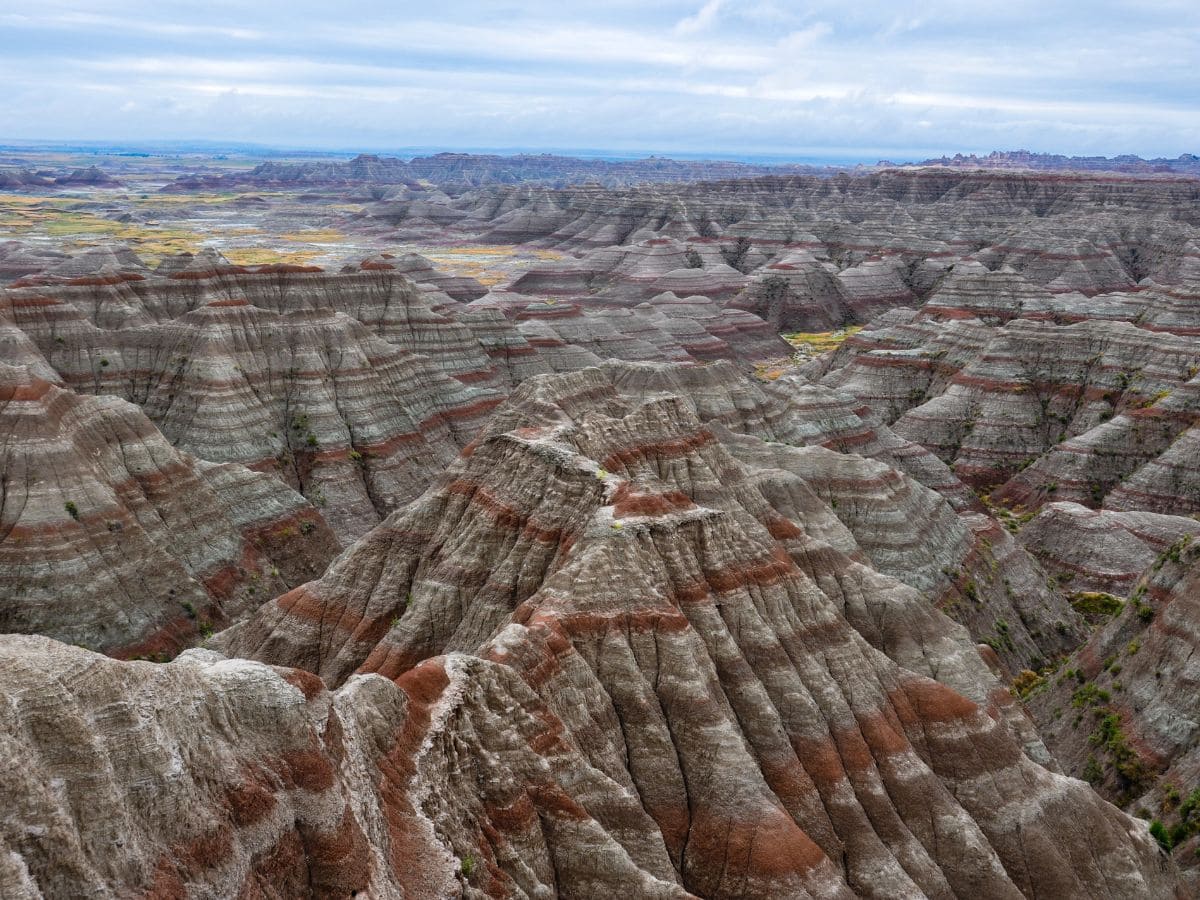
We were barely past the entrance sign when a bison ambled into view, setting the tone for a day of unexpected wonder. From striped buttes and sprawling prairies to prairie dogs and bighorn sheep, the Badlands delivered a wild, wide-open experience that left us in awe.
But when is the best time to visit Badlands National Park? That depends on what you’re looking for—solitude, savings, sunshine, or stargazing. Here’s a breakdown of what to expect in every season, plus a few personal reflections from our own summer visit.
Disclosure: This post may contain affiliate links. If you make a purchase through one of these links, I may earn a small commission at no additional cost to you. Thanks for keeping Miles with McConkey going!
🧍♂️ Crowd Levels: When It’s Busiest (and Quietest)
Badlands sees about 1 million visitors annually, with the bulk arriving between June and August (200,000+ per month). May and September are also popular, while November through March offers true solitude.
That said, even in peak summer, we didn’t feel overwhelmed. Compared to parks like Yosemite or Great Smoky Mountains, the crowds here were refreshingly manageable. What did challenge us, though? The heat.
🌦️ Weather: What to Expect by Season

Badlands weather is famously unpredictable. Temperatures can swing from -40°F to 116°F, and sudden storms are common. Summers are hot and dry, while winters bring snow and icy roads.
We visited in August, and the 101°F heat zapped our hiking energy—no small feat, since hiking in national parks is my favorite thing to do. If you’re heat-sensitive, consider spring or early fall for milder temps and fewer storms.
So when’s the best time to visit, weather-wise? Here’s what you can expect in every month—from brutal cold to searing heat, and everything in between.
January
- Average High: 34°F
- Average Low: 11°F
- Precipitation: 0.3 in (driest month)
- Notes: Coldest month. Expect snow, icy roads, and trail closures. Stark, quiet beauty for winter photography or solitude seekers.
February
- Average High: 40°F
- Average Low: 16°F
- Precipitation: 0.6 in
- Notes: Still frigid, but slightly warmer. Snowshoeing possible. Visitor services limited.
March
- Average High: 48°F
- Average Low: 24°F
- Precipitation: 1.0 in
- Notes: Transition month. Snow melts, but mud and wind are common. Wildlife starts stirring.
April
- Average High: 62°F
- Average Low: 36°F
- Precipitation: 2.2 in
- Notes: Spring blooms begin. Unpredictable weather—sunshine one day, snow the next.
May
- Average High: 72°F
- Average Low: 46°F
- Precipitation: 3.4 in
- Notes: One of the best months to visit. Wildflowers, active wildlife, and mild temps.
June
- Average High: 83°F
- Average Low: 56°F
- Precipitation: 3.5 in (wettest month)
- Notes: Warm and green. Afternoon thunderstorms are common. Be prepared for sudden downpours.
July
- Average High: 92°F
- Average Low: 62°F
- Precipitation: 2.0 in
- Notes: Hottest month. Dry heat, but storms can still roll in. Sunrise hikes are ideal.
August
- Average High: 91°F
- Average Low: 61°F
- Precipitation: 2.2 in
- Notes: Still hot, but slightly cooler than July. Great for stargazing and late-summer wildlife.
September
- Average High: 81°F
- Average Low: 51°F
- Precipitation: 1.2 in
- Notes: Arguably the best month—cooler temps, fewer crowds, golden grasslands.
October
- Average High: 68°F
- Average Low: 39°F
- Precipitation: 2.2 in
- Notes: Crisp and colorful. Fall foliage is subtle but beautiful. Weather can shift quickly.
November
- Average High: 50°F
- Average Low: 26°F
- Precipitation: 0.6 in
- Notes: Winter creeps in. Snow possible. Quiet and peaceful, but services wind down.
December
- Average High: 39°F
- Average Low: 17°F
- Precipitation: 0.3 in (driest month)
- Notes: Cold and snowy. Scenic drives may close temporarily. A serene, off-season experience.
💰 Cost: Budget-Friendly Compared to Bigger Parks
Now that you know what each season feels like, let’s talk about what it’ll cost you.
- Park Entrance Fee: $30 per vehicle (7-day pass)
- Lodging: Winter rates dip well below $200/night. Even in summer, options below $200 are available—a steal compared to Yellowstone’s gateway towns.
- Camping: Park campgrounds are open year-round (though winter availability may be limited)
- Cedar Pass Lodge: Open from late April to late October
For travelers watching their budget, the Badlands offer great value, especially when visiting in spring, fall, or winter.
🦴 Activities & Amenities: What’s Open When

Affordable? Absolutely. But what exactly can you do once you’re there?
Badlands is open 24/7 year-round, but some amenities are seasonal:
- Ben Reifel Visitor Center (North Unit): Open year-round
- White River Visitor Center (South Unit): Open May–October
- Fossil Preparation Lab: Mid-June to mid-September
- Night Sky Viewing Programs: Memorial Day–Labor Day at Cedar Pass Campground
- Badlands AstroFest: Held annually in summer with astronomy talks, telescope demos, and more
Summer is the best time for ranger-led walks, fossil demos, and stargazing. Winter offers peaceful landscapes and the chance to spot bison in the snow—but expect limited services and possible road closures.
🏞️ Why Badlands National Park Is Worth Visiting
Still wondering if it’s worth the trip? Here’s what makes the Badlands unforgettable.
- Otherworldly landscapes: Striped buttes, jagged spires, and golden prairies stretch as far as the eye can see.
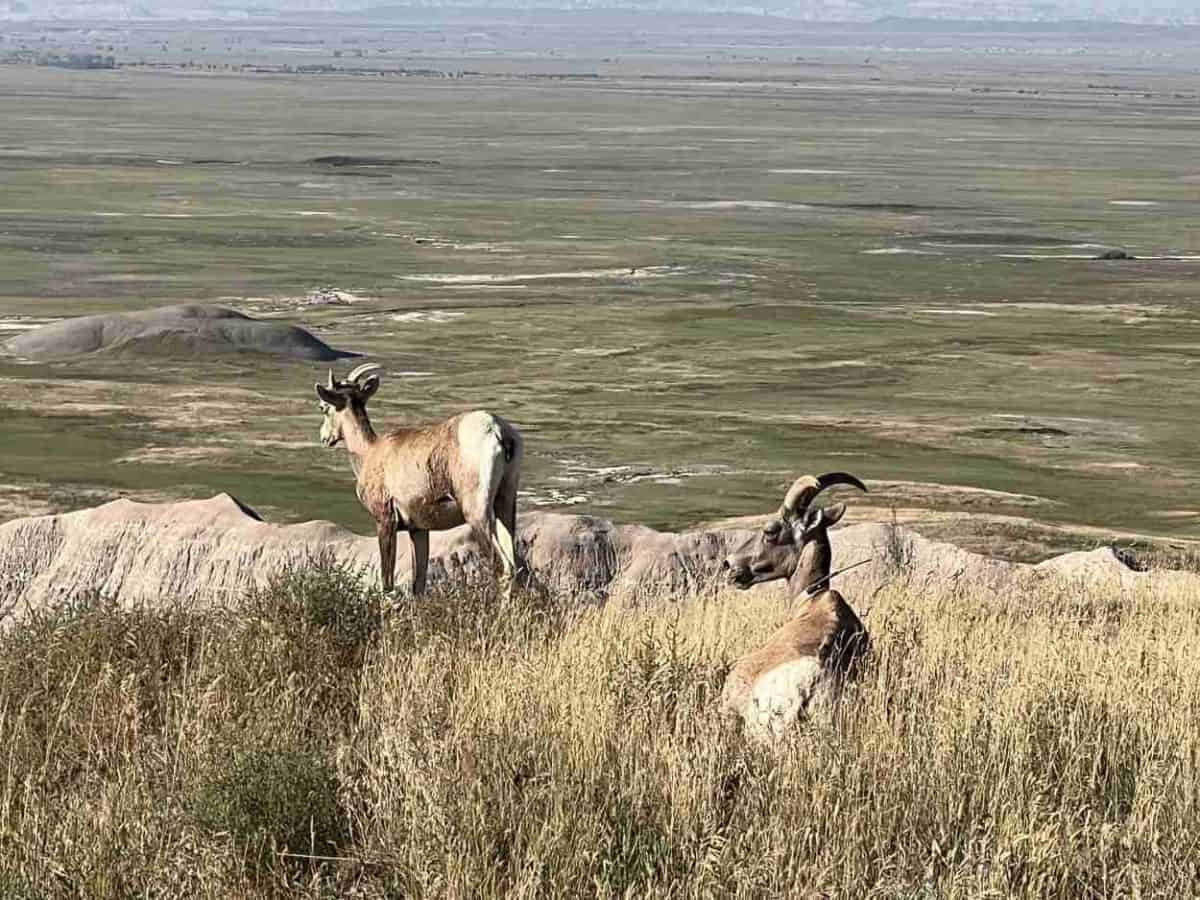
- Wildlife encounters: We saw bison, prairie dogs, and bighorn sheep—all in one day.
- Scenic drives: The 30-mile Badlands Loop Road offers overlooks, trailheads, and nonstop views.
- Fossil history: One of the richest fossil beds in North America, with hands-on learning at the Fossil Lab.
- Dark skies: Some of the best stargazing in the Midwest.
It’s a place where silence feels sacred, and the wind carries stories older than time.
🧭 Quick Tips for Visiting Badlands National Park
- Check conditions: Weather can change fast. Monitor the official park website for closures.
- Cell service is spotty: Download maps in advance.
- GPS may mislead: Stick to marked roads and signs.
- Dress in layers: Be ready for sun, wind, or sudden rain.
- Bring a backpack: You’ll want something lightweight and comfortable to carry layers, snacks, and bottled water on the trails. We typically use a Venture Pal backpack, which includes a handy wet pocket—perfect for separating sweaty clothes or damp gear after a hike.
❓Badlands National Park FAQs
Do you have questions about planning your visit? Here are some quick answers to help you make the most of your Badlands adventure.
How many days should I spend in the park?
Two full days let you drive the loop, hike a few trails, and enjoy a ranger program or stargazing event.
Is the park open in winter?
Yes, but roads and trails may close due to snow or ice. Visitor services are limited.
When is the best time to avoid crowds?
April, early May, and October offer mild weather and fewer visitors.
Where can I learn more about planning a trip?
Check out our Badlands National Park trip planning guide for tips, itineraries, and lodging ideas.
🌄 What the Badlands Left With Us
Badlands National Park surprised us in the best way. It wasn’t just the scenery—it was the sense of space, the wildlife encounters, and the quiet moments that stuck with us. Seeing bighorn sheep up close, watching prairie dogs chatter, and driving through striped canyons felt like stepping into another world.
It’s a place that invites you to slow down, look closer, and breathe deeper. And that’s always worth the trip.
Featured image credit: brizardh via Deposit Photos