
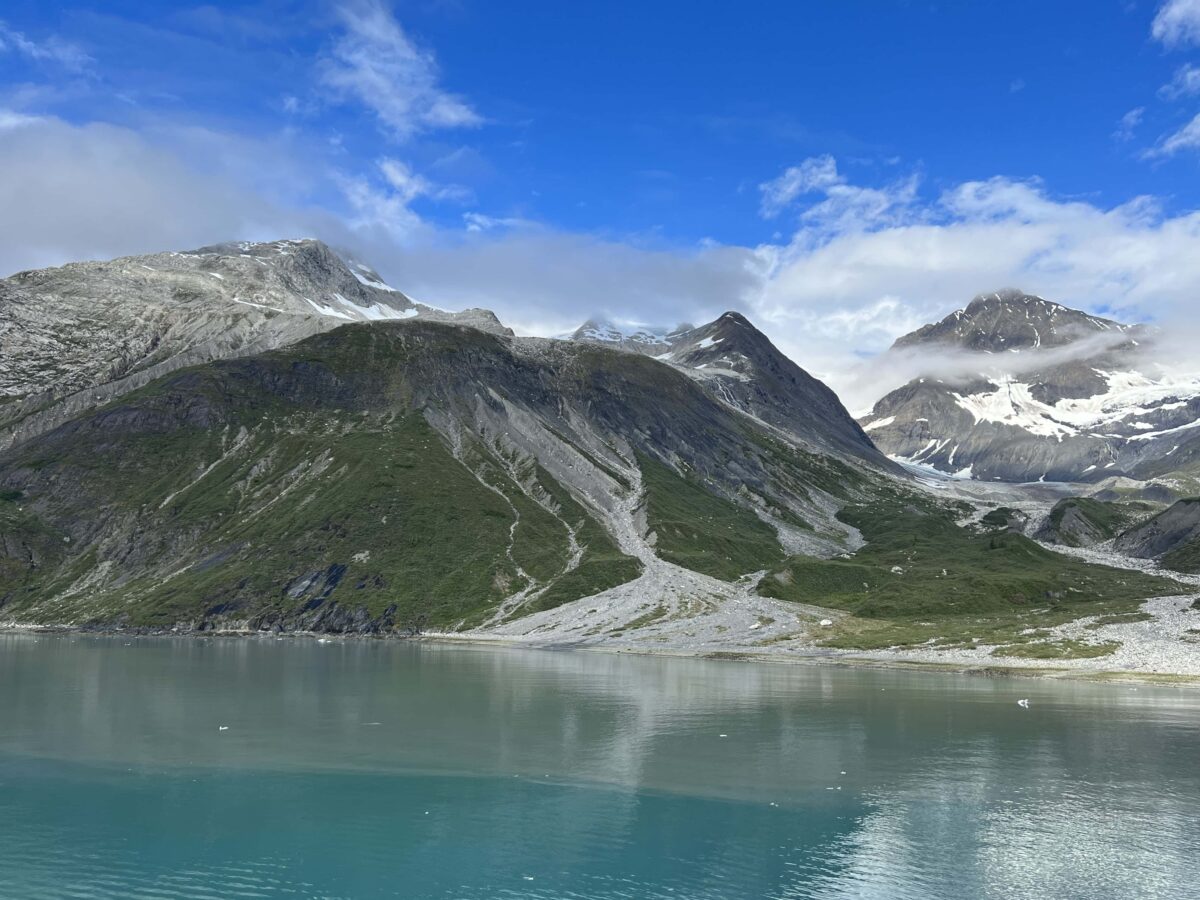
We visited Glacier Bay National Park from the comfort of a cruise ship, and it remains one of our most cherished travel experiences. The park’s striking natural beauty moved us deeply—from glaciers and snowy mountain peaks to humpback whales, sea otters, and mountain goats. Witnessing these sights from the deck stirred powerful emotions, and August treated us to rich wildlife encounters and stunning scenery we’ll never forget. If you’re curious about how to visit Glacier Bay by cruise ship, we share detailed tips and insights in How to Visit Beautiful Glacier Bay in Alaska.
So, when is the best time to visit Glacier Bay National Park? It depends on what you want to experience. Below, we’ll break down seasonal crowd levels, weather, activities, and wildlife to help guide your decision.
Disclosure: This post may contain affiliate links. If you make a purchase through one of these links, I may earn a small commission at no additional cost to you. Thanks for keeping Miles with McConkey going!
Crowds and Visitation Statistics
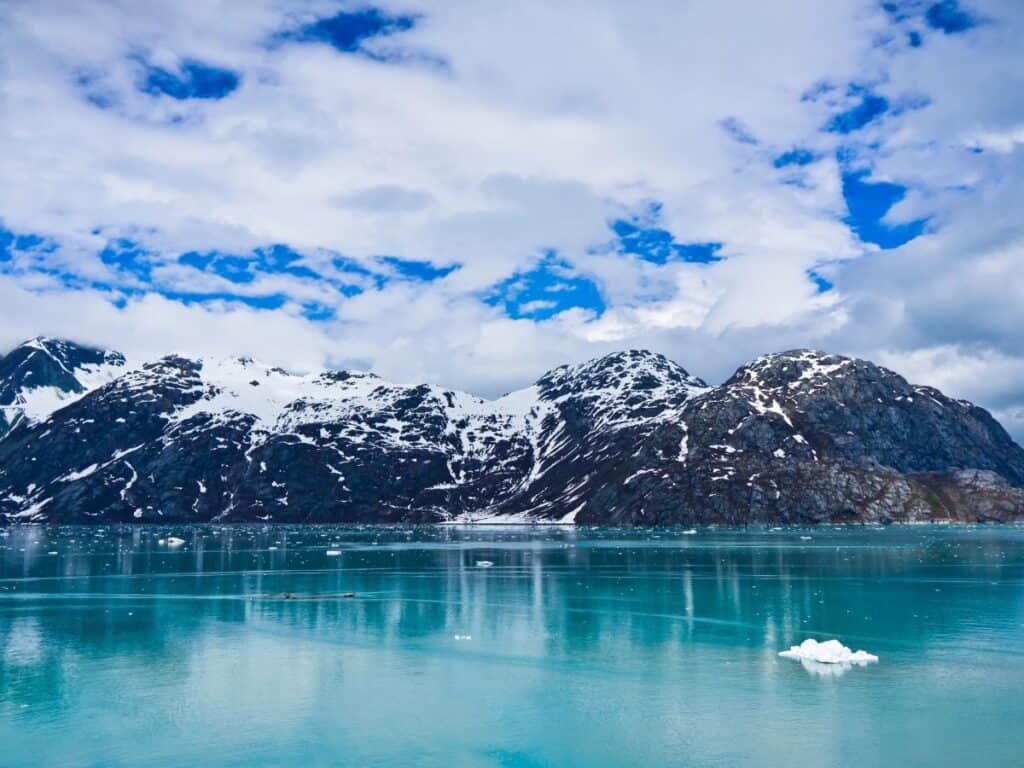
Glacier Bay sees around 700,000 visitors annually, with over 100,000 arriving each month from May through September. These peak months coincide with the cruise season, making them the busiest—and also the most accessible. April and October welcome a decent number of guests, though not quite on par with summer. From November through March, monthly visitation drops sharply, with as few as 200–300 people exploring the park during the off-season.
Weather by Season
Glacier Bay’s weather dances to a maritime rhythm, influenced by the surrounding ocean. Near sea level, summers tend to be cool and moist, with temperatures typically landing between 50 and 60°F. Winters remain relatively mild by Alaskan standards, with overnight lows ranging from the mid-20s to 40°F. But be warned—rain is a regular companion here. Bartlett Cove averages about 70 inches of annual precipitation, and it might feel like most of it is falling during your stay. Trust us: quality rain gear isn’t optional.
If you’re seeking drier skies, aim for April through June. By contrast, September and October usher in wetter conditions that can linger. Weather becomes more extreme at higher elevations, where colder air and snowfall are common throughout the year. Wherever you explore, dress in layers and stay alert to the possibility of hypothermia—even in summer. Of course, all that moisture is what keeps the glaciers flowing and the forest lush. It’s nature’s price for spectacular views.
Services and Seasonal Activities
Glacier Bay National Park is open year-round, but most services are concentrated in the summer months. Glacier Bay Lodge and the Visitor Center close each year from Labor Day through Memorial Day. During the main season, rangers lead daily walks and host evening programs inside the auditorium, and boat tours operate from the lodge with a park ranger on board to share insights.
Winter visits, on the other hand, offer a very different experience. Trails may be snow-covered, kayaking is discouraged, and most amenities are shut down. But for those comfortable with cold weather and self-reliant adventure, the payoff is real solitude. Fewer visitors, quiet landscapes, and the chance to see a wilder, quieter side of the park.
If you’re arriving by cruise ship—typically during the peak visitor season from late spring through early fall—many logistics are handled for you. Rangers board the ship to offer expert narration, answer questions, and even set up a small gift shop on board for anyone hoping to commemorate the experience.
Seasonal Wildlife in Glacier Bay

Spring brings the return of migratory birds and the emergence of black and brown bears from their dens. Tundra swans and sea otters become active, and mountain goats descend to feed on spring vegetation. Many bird species arrive and begin their courtship songs, while eulachon and herring spawn, drawing seals and other predators.
Summer is the prime wildlife season. Humpback whales feed heavily on krill and fish, and sea otters are abundant—often seen with pups. Marine mammals like orcas and harbor seals are commonly spotted. Brown and black bears fish for spawning salmon in streams. Harbor seals give birth to pups around tidewater glaciers, and mountain goats travel in nursery groups. Glacier Bay’s seabird colonies come to life with puffins, murres, and gulls nesting on coastal islands.
Fall brings change. Moose and mountain goats enter their rut, while beavers work tirelessly to prepare for winter. Raptors migrate, including golden eagles and sharp-shinned hawks, and songbirds head south. Coho salmon begin spawning, attracting bears, eagles, and gulls to riverbanks.
Winter may seem quiet, but it holds its own magic. Snow reveals animal tracks from wolves, otters, and mink. Mountain goats move to lower elevations, and Sitka black-tailed deer may forage along coastlines. Water birds like trumpeter swans and grebes linger in coastal wetlands. Bald eagles can be seen year-round.
Planning Your Glacier Bay Adventure
Glacier Bay National Park offers something special in every season—from the lively pulse of summer wildlife to the quiet solitude of winter. Whether you’re cruising through icy fjords or hiking coastal trails, the park rewards curiosity and preparation. We hope this seasonal guide helps you plan a visit that aligns with your interests and travel style. For more tips, gear suggestions, and firsthand stories, check out our Glacier Bay trip planning guide. Your adventure starts here.
Frequently Asked Questions About Visiting Glacier Bay
If you’re still weighing your options or planning the finer details of your trip, these quick answers may help clarify what’s possible at Glacier Bay National Park.
Can you visit Glacier Bay in winter?
Yes, but it’s not for the faint of heart. The park remains open year-round, though nearly all services shut down from Labor Day through Memorial Day. Trails may be snow-covered, kayaking is discouraged, and visitor amenities are limited. However, for seasoned adventurers who don’t mind cold weather and minimal infrastructure, winter offers exceptional solitude and a wilder perspective of the park.
When does the cruise season run in Glacier Bay?
Cruise ships typically visit Glacier Bay from late spring through early fall, with the bulk of traffic arriving between May and September. These months are considered the peak visitor season and coincide with ranger-led narration onboard. If you’re planning a cruise, these months offer the most structured and accessible experience.
What kind of wildlife can you expect to see in summer?
Summer is Glacier Bay’s wildlife showcase. Humpback whales are abundant, feeding near the surface alongside sea otters, harbor seals, and sometimes orcas. On land, black and brown bears fish for salmon, mountain goats roam in nursery groups, and nesting seabirds like puffins and murres take to coastal cliffs. It’s the best time for variety and activity.
Featured image credit: Miles with McConkey