Planning the best time to visit Mammoth Cave National Park depends on what you want to experience—whether it’s wildflowers in bloom, fewer crowds, or stargazing under a certified dark sky. This guide breaks down seasonal weather, visitation stats, activities, and costs to help you time your trip with confidence.
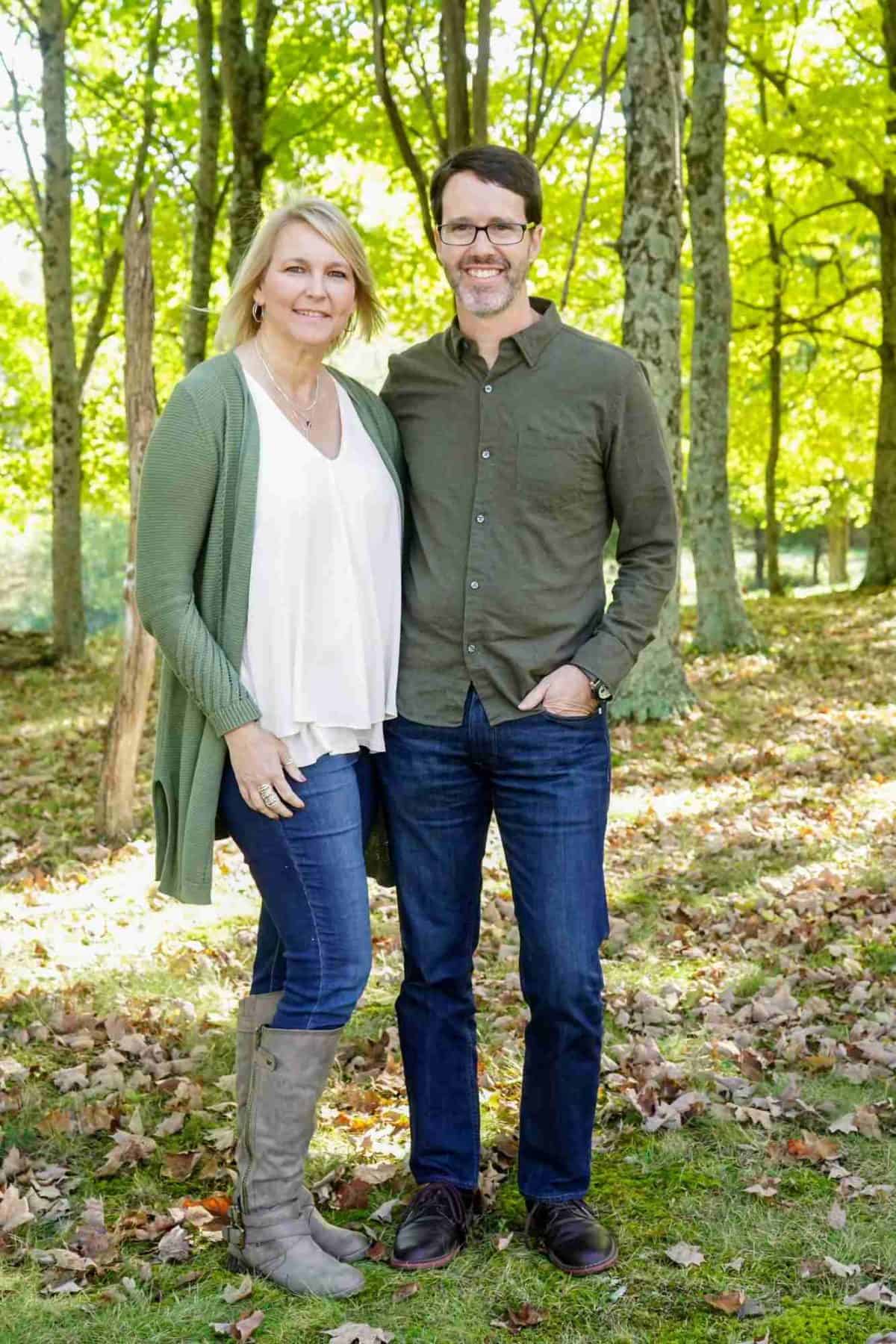
Julie and I live about 3.5 hours away, but only recently made our first visit—Mammoth was our 24th national park. We knew cave tours would be the highlight (they were), but the hiking trails surprised us in the best way. We visited in early March and, in hindsight, wish we’d gone later to catch the wildflowers. Still, the experience was unforgettable.
Disclosure: This post may contain affiliate links. If you make a purchase through one of these links, I may earn a small commission at no additional cost to you. Thanks for keeping Miles with McConkey going!
To help you avoid peak crowds and plan your cave tours with confidence, here’s a look at how visitation trends shift throughout the year.
🗓️ Seasonal Tips for Mammoth Cave
Curious how Mammoth Cave changes with the seasons? Tap below for tips on hiking, cave tours, and what to expect year-round.
🌸 Spring (Mar-May)
- Be prepared for rain—trails like Sinkhole and River Styx may be muddy or slick.
- Wildflowers bloom along the Heritage Trail and near the visitor center; great for photography.
- Migratory birds return—bring binoculars for warblers, thrushes, and hawks.
- Ticks are active—wear long sleeves and use repellent on hikes.
- Cave tours are less crowded than summer but still popular; book ahead if visiting during spring break.
☀️ Summer (June-Aug)
- Arrive early to beat the crowds—midday tours fill fast.
- Expect heat and humidity above ground; dress in layers for cave tours.
- Popular trails like Cedar Sink and Green River Bluffs are lush but buggy—bring repellent.
- Wildlife is active—keep an eye out for deer, birds, and bats near cave entrances.
- Book cave tours in advance, especially Historic and Domes & Dripstones.
🍂 Fall (Sept-Nov)
- Peak foliage hits mid-to-late October; trails like Green River Bluffs offer stunning views.
- Crisp mornings and warm afternoons—layer up for comfort.
- Wildlife is active preparing for winter—look for turkeys, deer, and squirrels.
- Trails are quieter than summer, making it ideal for solitude and reflection.
- Fall weekends can still be busy—especially around Halloween events—so plan cave tours early.
❄️ Winter (Dec-Feb)
- Fewer crowds mean a quieter, more intimate cave experience.
- Some trails and services may be limited—check NPS alerts before visiting.
- Wildlife viewing is excellent—look for deer and foxes near forest edges.
- Dress warmly and wear sturdy shoes—some paths may be icy or muddy.
- Great time for photography with low-angle light and frosty landscapes.
Now that you’ve seen how each season stacks up, let’s take a closer look at crowd levels and cave tour timing to help you plan with confidence.
📊 Crowd Levels and Visitation Statistics
Mammoth Cave National Park receives approximately 700,000 visitors annually, with the busiest month being July, which typically sees around 100,000 visitors.
- Spring (March–May): Steady visitation with a slight dip from summer highs.
- Summer (June–August): Peak season; expect crowds and sold-out cave tours.
- Fall (September–November): Moderate crowds, especially early fall and holiday weekends.
- Winter (December–February): Least busy; January sees just 16,000–18,000 visitors.
💡Quick Tip
Book cave tours in advance at Recreation.gov—we saw several guests turned away during our visit because tours were sold out.
🌦️ Weather by Season
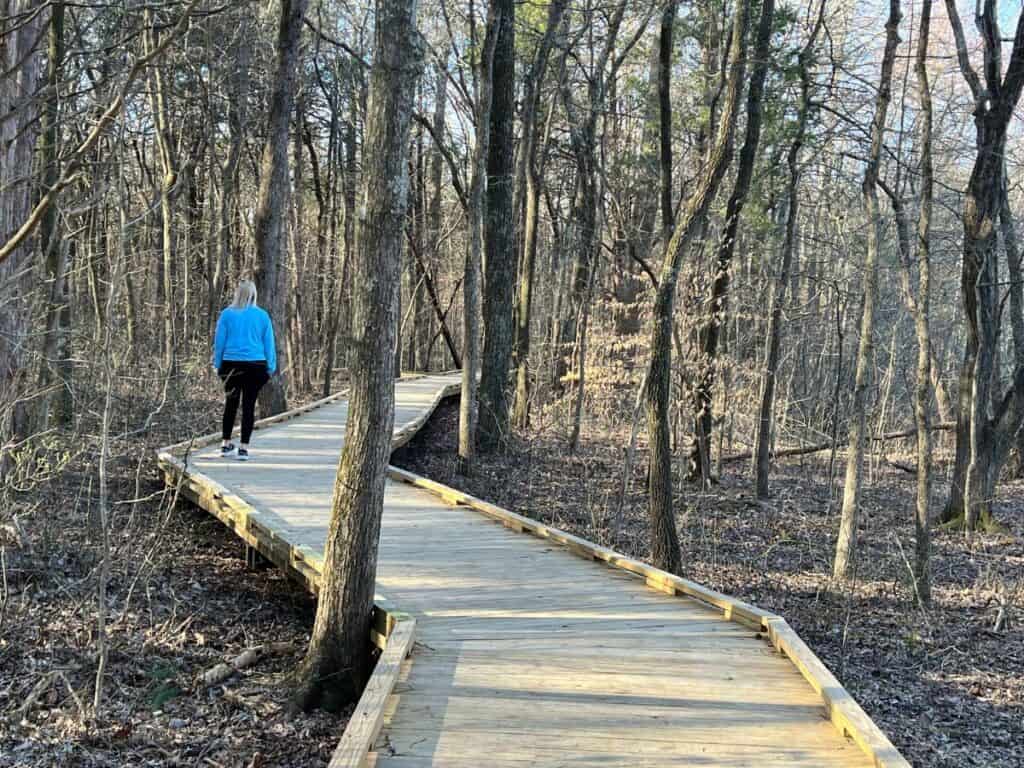
Kentucky’s climate is moderate but moist, with about 50 inches of annual precipitation. The cave maintains a constant 54°F year-round, offering a cool escape from summer heat or winter chill.
| Season | Surface Temps (°F) | Conditions & Highlights |
|---|---|---|
| Winter | 30s-40s | Occasional snow/ice; solitude; fewer amenities |
| Spring | 60s-70s | Wildflowers, lush greenery, frequent rain |
| Summer | 80s-90s | Hot, humid, occasional thunderstorms; ticks present |
| Fall | 50s-70s | Dry, colorful foliage, crisp air |
🥾 Seasonal Activities and Amenities
Winter
- Reduced cave tour options and departure times.
- Smaller tour groups are likely (except holidays).
- Limited ranger-led surface programs.
- Only Houchin Ferry Campground remains open.
- Occasional snow and ice; check park alerts before visiting.
Despite the chill, winter offers peaceful trails and a quiet cave experience. Visitors may even spot icicles hanging from the Historic Entrance—one of winter’s quiet surprises. While we haven’t visited during this season ourselves, it’s a great option for those seeking solitude—just be sure to dress warmly and plan ahead.
Spring
- Expanded cave tour schedule.
- Campgrounds reopen in early March (book 6 months ahead).
- Wildflower viewing begins—lush landscapes and pops of color.
- Mild temperatures and longer days.
We visited in early March and missed peak wildflower season. If you’re chasing blooms, aim for late March or April.
Summer
- Most cave tour options are available—but tours sell out fast.
- Daily ranger-led surface programs (hikes, talks, evening events).
- Popular activities: paddling, fishing, biking, hiking, stargazing.
- Tick season—take precautions to avoid bites.
🛡️ Tick Safety Tips
- Wear light-colored, long clothing; tuck pants into socks.
- Do frequent tick checks (yourself, kids, pets).
- Use repellents like DEET or permethrin per instructions.
Summer is vibrant and full of activity—but it’s also the busiest time. Book early and come prepared for heat and humidity.
Fall
- Fewer cave tours, but still popular—especially around holidays.
- Ranger-led programs continue; check daily schedules.
- Two campgrounds close Nov 30; Houchin Ferry remains open year-round.
- Stunning fall foliage (best in late October).
- Dry air and cooler temps—ideal for hiking and photography.
Fall is a favorite for many visitors. Crisp air, colorful leaves, and fewer bugs make it a great time to explore above and below ground.
💰 Costs: Lodging, Tours & Park Access
- Park entrance: Free.
- Cave tours: Typically $20–$30 per person, depending on tour.
- Lodging:
- Inside the park: $127–$192/night at the Lodge at Mammoth Cave.
- Nearby towns: $80–$190/night depending on season and property type.
| Season | Avg Lodging Rates | Notes |
|---|---|---|
| Spring | $110-$160/night | Wildflower season; moderate demand |
| Summer | $130-$190/night | Peak visitation; book early |
| Fall | $100-$150/night | Cooler weather; lower crowds |
| Winter | $80-$120/night | Lowest rates; limited amenities |
🔍 Use the interactive map below to compare lodging options near the park. Whether you want a cozy cabin, hotel room, or B&B, this tool makes it easy to find your fit.
🏆 Why Mammoth Cave Is Worth Visiting
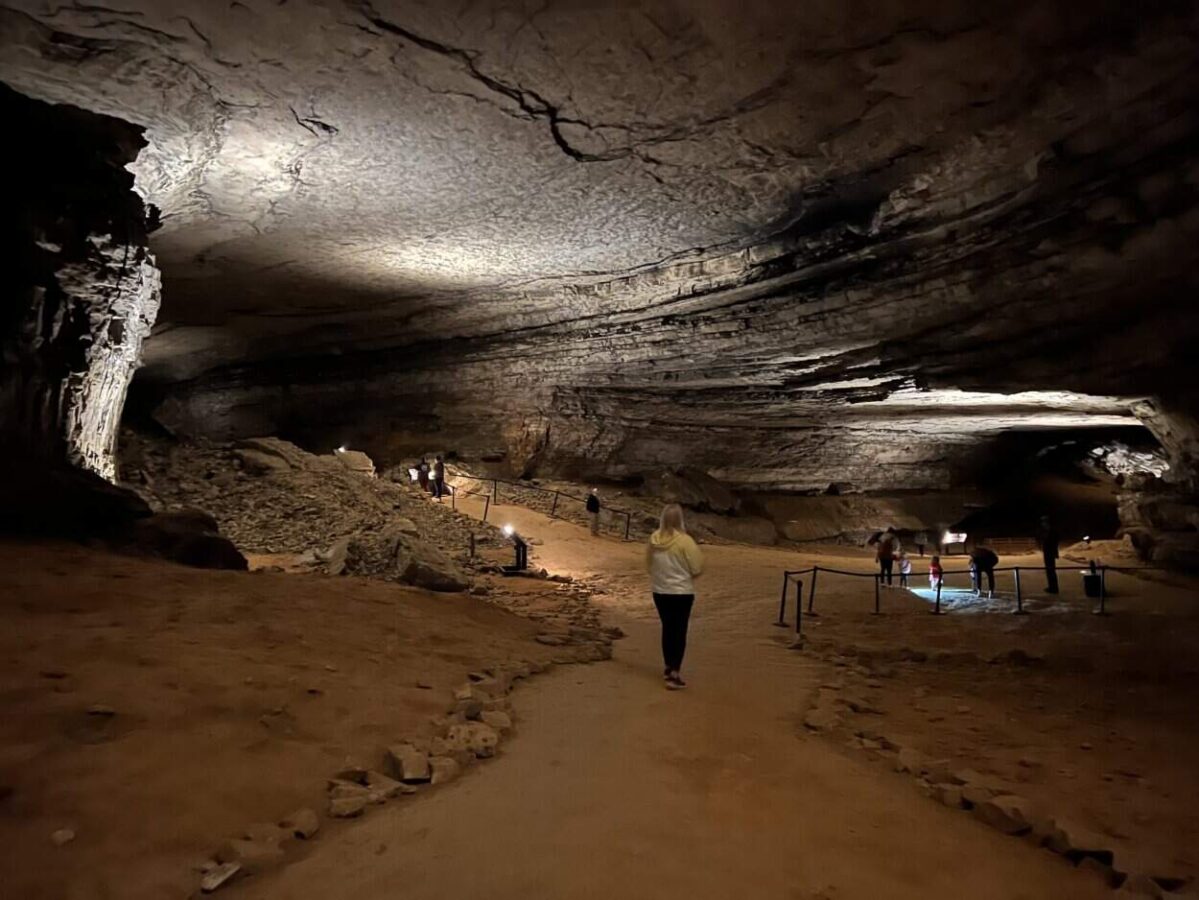
Mammoth Cave National Park is more than just a cave—it’s a UNESCO World Heritage Site, an International Biosphere Reserve, an International Dark Sky Park, and part of the Green and Nolin River Blueway.
It’s also home to the world’s longest-known cave system, with over 426 miles of mapped passages.
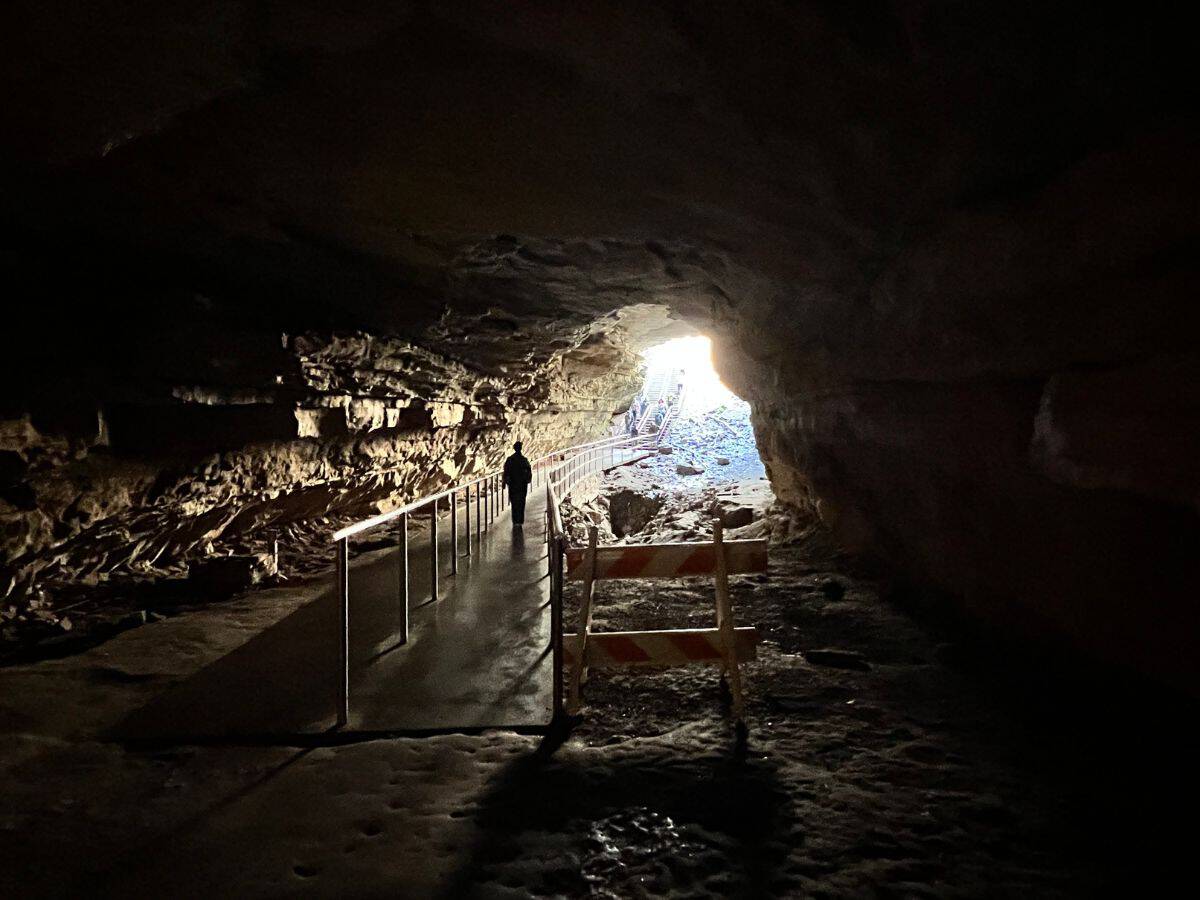
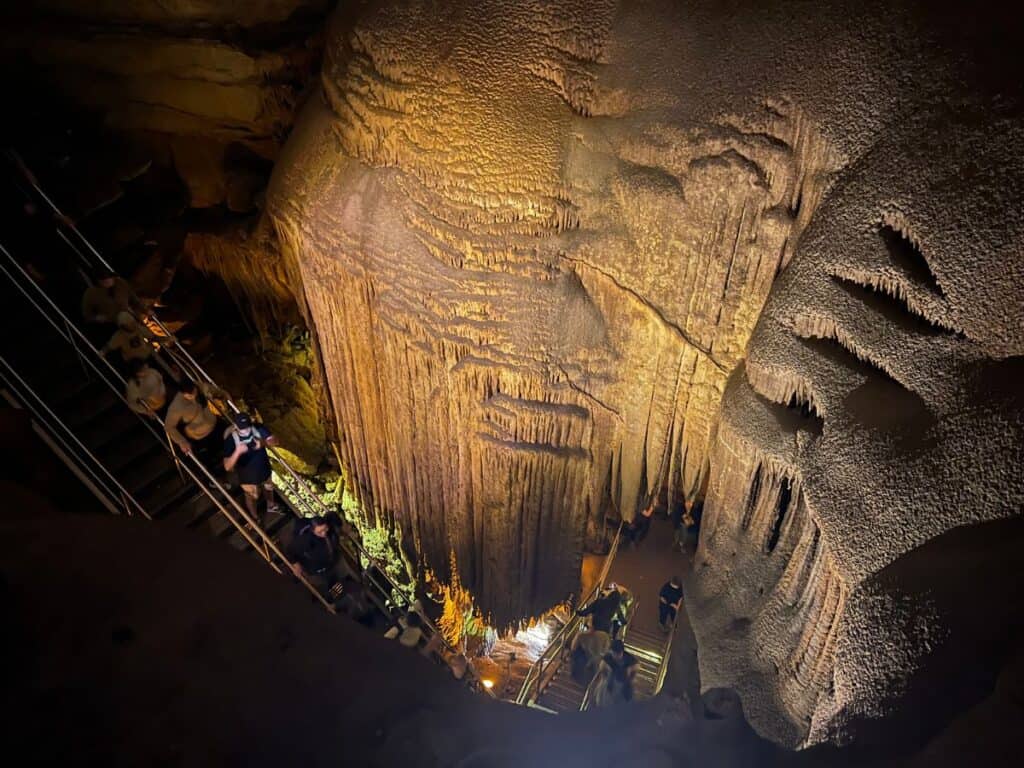
The cave itself is massive—far larger and more open than we imagined. But don’t overlook the surface trails, scenic drives, and quiet moments above ground. We hope to return for biking and stargazing.
🔁 Related Guides
📌 Planning a trip? Check out our full guide to Mammoth Cave National Park for tips on tours, trails, and where to stay.
📌 Comparing parks? Read our Mammoth Cave vs. Carlsbad Caverns post to see how these two underground giants stack up.
🚫 Worst Time to Visit Mammoth Cave National Park
While Mammoth Cave is open year-round, winter (especially January and February) is often considered the least ideal time to visit—unless you’re seeking solitude.
- Fewer cave tour options and departure times.
- Limited ranger-led programs.
- Cold, unpredictable weather with occasional snow or ice.
- Campgrounds and some amenities are closed.
- Wildflowers and surface activities are dormant.
Bonus tip for crowd-averse travelers: Summer—especially July—can be overwhelming, with peak visitation, long lines, and fully booked cave tours. If you crave quiet, steer clear of midsummer weekends.
❓ FAQs
Here are answers to some common questions to help you plan your visit with confidence.
Do I need reservations for cave tours?
Yes—especially in spring, summer, and fall. Book online at Recreation.gov to avoid disappointment.
Can I visit the cave in winter?
Yes, but tour options are limited and weather may affect operations.
Is Mammoth Cave good for kids?
Absolutely. Family-friendly tours, Junior Ranger programs, and easy trails make it a great destination.
Are pets allowed?
Pets are allowed on surface trails and in campgrounds, but not inside the cave or visitor center.
Is the park accessible?
Yes—select cave tours, trails, and facilities are designed for accessibility.
Featured image credit: Miles with McConkey