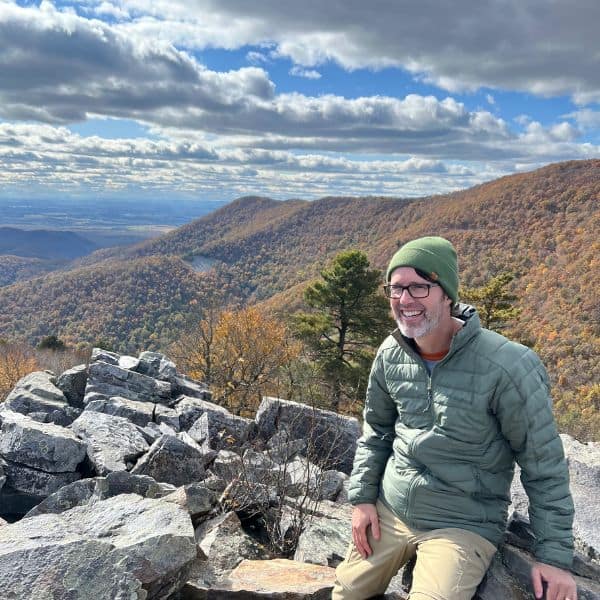

Julie and I had no idea what we were in for when we visited North Cascades National Park. Olympic was the centerpiece of our Pacific Northwest trip, and the North Cascades felt like a side adventure. Yet we were blown away by the turquoise lakes and blue rivers that cut through the rugged peaks.
We visited in mid‑September, which meant we avoided the thick summer crowds but arrived too early for the legendary larch season. Each season has its tradeoffs, and in this guide we will help you navigate all the variables so you can choose the best time to visit North Cascades National Park for your travel style.
Disclosure: This post may contain affiliate links. If you make a purchase through one of these links, I may earn a small commission at no additional cost to you. Thanks for supporting Miles with McConkey.
🗓️ Seasonal Tips
North Cascades National Park offers something different every season. Tap below to explore seasonal tips.
🌸 Spring
- Snow lingers at higher elevations, keeping many trails closed until late spring.
- Lower‑elevation hikes showcase waterfalls at their fullest from snowmelt.
- Wildflowers begin to bloom in valleys and meadows.
- Fewer visitors make this a quieter time to explore.
Best for: Waterfall chasers and solitude seekers
☀️ Summer
- Most trails and alpine routes are fully accessible.
- Warm temperatures and long daylight hours make hiking ideal.
- Turquoise lakes and rivers shine brightest under clear skies.
- Peak season crowds fill campgrounds and lodges quickly.
Best for: Hikers, families, and first‑time visitors
🍂 Fall
- Crisp air and colorful foliage transform the landscape.
- Mid‑September offers fewer crowds but precedes the famous larch season.
- Larch trees turn golden in late September to October, drawing photographers.
- Cooler temps mean packing layers for variable conditions.
Best for: Photographers and travelers seeking fewer crowds
❄️ Winter
- Heavy snow closes most roads and trails.
- Backcountry skiing and snowshoeing attract experienced adventurers.
- Solitude is unmatched, with very few visitors.
- Limited amenities and lodging options require careful planning.
Best for: Experienced adventurers and solitude lovers
After exploring the seasonal highlights, it helps to understand how many people you might encounter on the trails. Crowd levels in North Cascades National Park are dramatically different from more famous parks like Olympic or Yellowstone.
🧑🤝🧑 Crowd Levels and Visitation Statistics
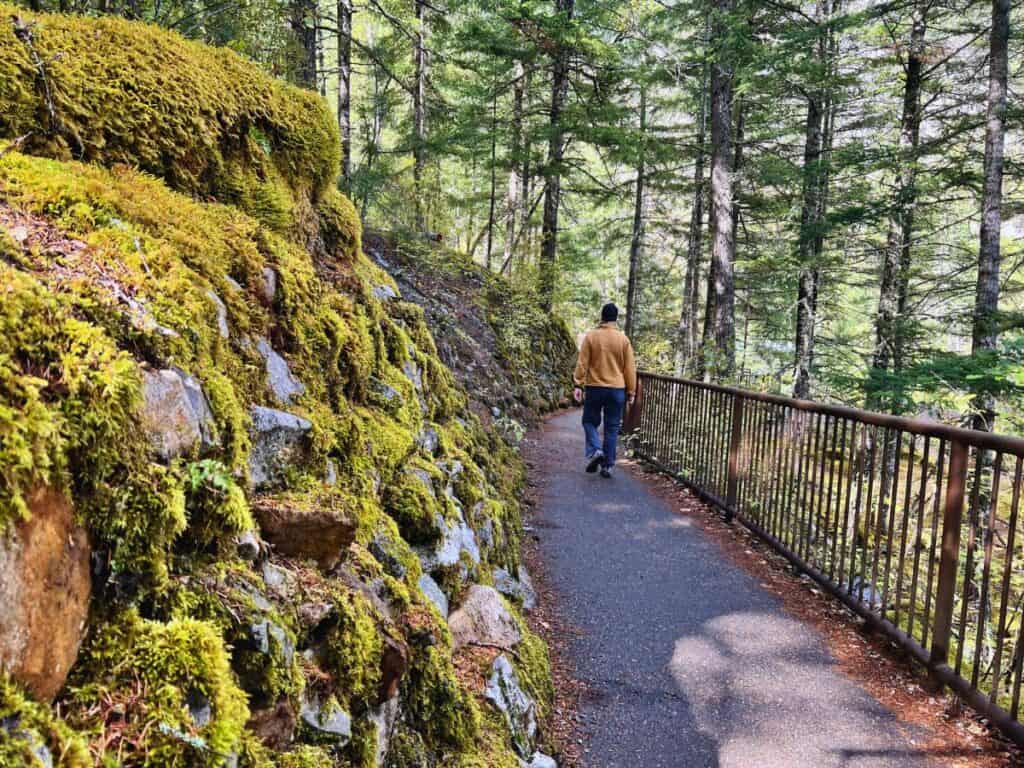
North Cascades often appears on “least‑visited” national park lists, but that label can be misleading. The official visitation numbers only count the national park unit, which sees between 16,000 and 40,000 visitors annually. When you include the adjoining Ross Lake and Lake Chelan National Recreation Areas, visitation climbs to nearly 1 million people per year.
For most travelers — especially families, scenic drivers, and casual explorers — the North Cascades Highway corridor and Ross Lake area will feel busier than the “least‑visited” label suggests. True solitude is found deeper in the backcountry.
Average Monthly Visitors (Park Unit Only)
| Month | Avg. Visitors |
|---|---|
| April–May | ~1,000 each |
| June | 2,000–3,500 |
| July | 5,000–17,000 |
| August | 10,000+ |
| September | 8,000–10,000 |
| October | ~2,000 |
| November–March | Practically empty |
Note: These numbers reflect the national park unit only. Scenic areas along the highway and Ross Lake NRA draw far more visitors, so expect more company if you stick to the main corridor.
Understanding crowd levels is only part of the equation. Weather plays an equally important role in shaping your experience at North Cascades National Park.
🌦️ Weather in North Cascades National Park
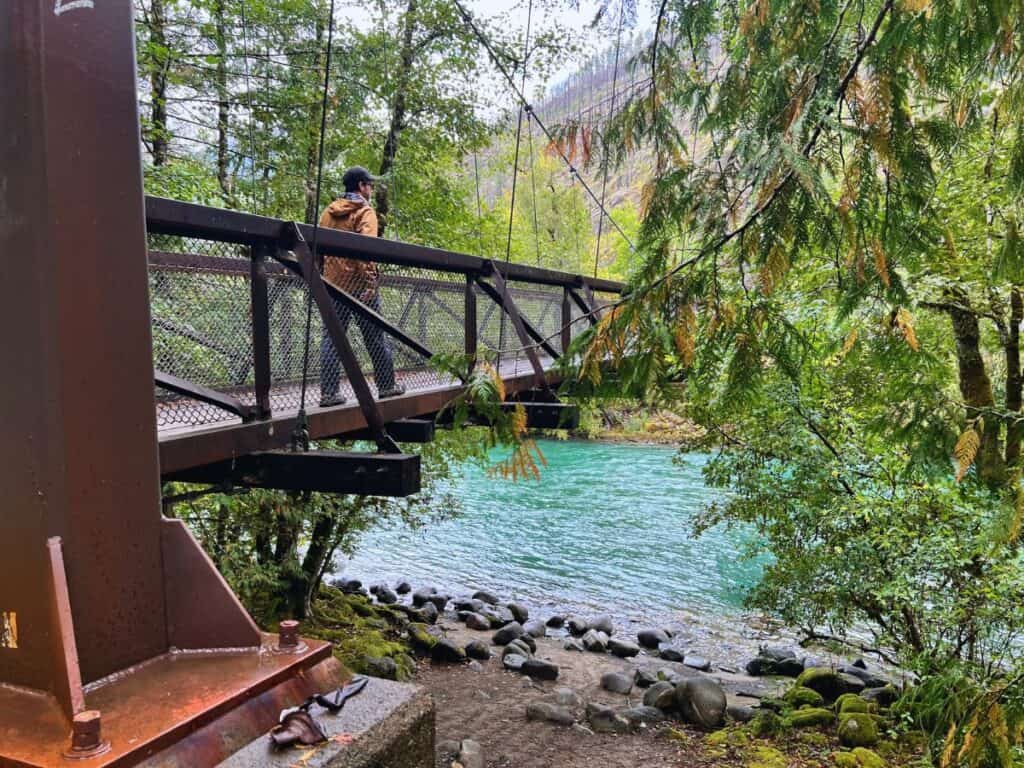
The best conditions generally occur between mid‑June and late‑September, when snow has melted from most trails and alpine lakes shimmer in the sun. Summer brings long days, turquoise rivers, and the widest access to the backcountry, though storms can still roll through.
Spring brings rushing waterfalls and wildflowers in the valleys, while snow lingers higher up. It’s a quieter season, perfect for day hikes and enjoying the scenery in the Skagit and Okanogan Valleys before the highway reopens later in spring.
Autumn transforms the landscape with crisp air and bursts of color. Scenic drives and valley tours are especially enticing, and late September into October brings the famous golden larch season. Conditions can be brisk, as Julie and I discovered during our mid‑September visit, when winds made the mountains feel even wilder.
Winter is the harshest season, defined by heavy snow, avalanches, and limited access. While solitude is unmatched, only experienced adventurers should venture into the backcountry. For most visitors, winter is best appreciated from lower‑elevation areas or nearby communities, since the North Cascades Highway typically closes until spring.
Average Monthly Temperatures (°F)
| Month | Avg. High / Low | Notes |
|---|---|---|
| January | 32 / 21 | Heavy snow, avalanches common |
| February | 32 / 19 | Deep snowpack, limited access |
| March | 37 / 22 | Snow persists, storms possible |
| April | 43 / 27 | Waterfalls peak from snowmelt |
| May | 53 / 34 | Shoulder season, wildflowers begin |
| June | 59 / 40 | Trails opening, best weather begins |
| July | 69 / 45 | Warm, long days, peak crowds |
| August | 71 / 46 | Warmest month, turquoise lakes shine |
| September | 63 / 42 | Cooler, brisk winds; larch season late |
| October | 49 / 33 | Crisp air, foliage, variable weather |
| November | 37 / 24 | Early snow, quiet season |
| December | 31 / 19 | Coldest month, heavy snow |
⚠️ Safety Snapshot
- Storms are common: Always be prepared for several days of rain and wind, even in summer.
- Layer up: Warm, waterproof clothing is essential in spring, fall, and winter.
- Avalanche risk: Avalanches occur in winter and spring, even along the North Cascades Highway.
- Road conditions: Seasonal closures and avalanche control affect State Route 20 (North Cascades Highway). Always check the official NPS road conditions page before traveling.
With the climate and conditions in mind, it’s helpful to see how each season shapes the activities and amenities available across the North Cascades.
🏕️ Seasonal Activities and Amenities
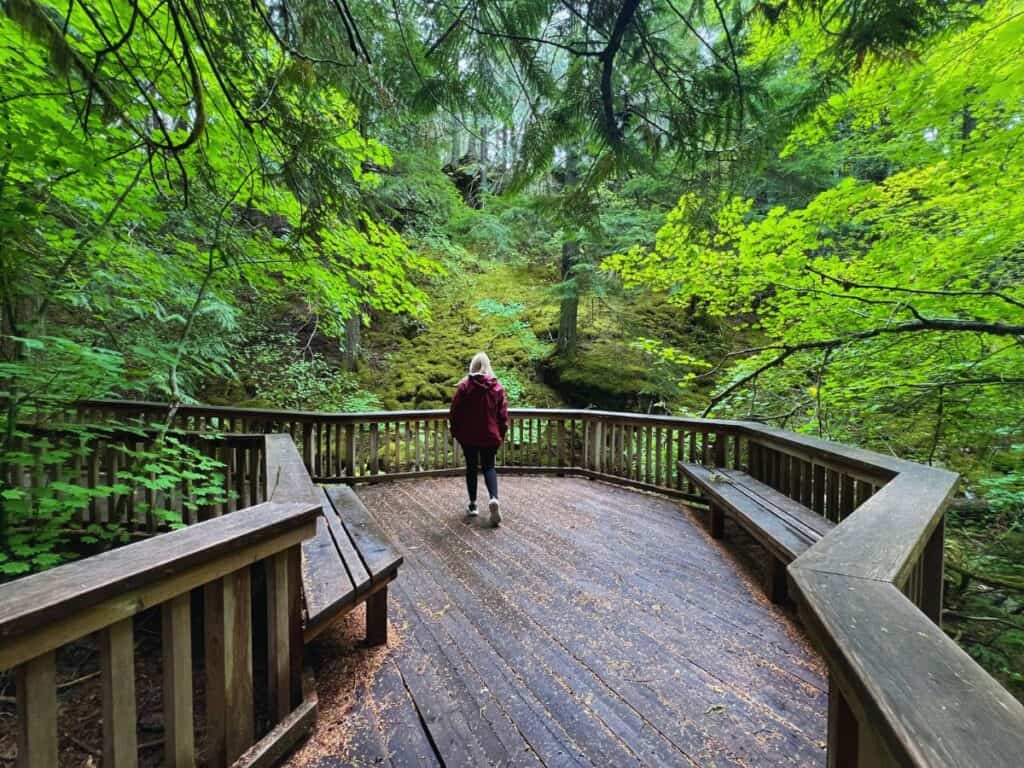
Many of the facilities in the North Cascades are seasonal, opening only during the warmer months when snow and avalanche hazards recede. The North Cascades Highway (SR 20) typically closes in late November or early December and reopens in April or May, depending on snowpack and weather.
Visitor Centers & Information
- North Cascades Visitor Center (Newhalem): Generally open late May through late September, daily 9 am–5 pm.
- Wilderness Information Center (Marblemount): Typically open mid‑May through mid‑October, daily mornings and afternoons. Closed in winter, but self‑issue permits are available outside the building year‑round.
- Skagit Information Center (Newhalem): Usually open spring through early November, daily 9 am–5 pm.
Camping & Lodging
- Drive‑in campgrounds along SR 20 (Colonial Creek, Newhalem Creek, etc.) require reservations via Recreation.gov. They generally open in late May and close by early September.
- Backcountry camping requires permits year‑round. During the off‑season, self‑issue permits are available at Marblemount or via email.
Ranger Programs
- Ranger Talks: 30‑minute presentations at the North Cascades Visitor Center, offered daily in summer months.
- All About Bears Table: Informal drop‑in program at Colonial Creek South Campground, typically available summer afternoons.
- Additional ranger‑led programs may be scheduled at campgrounds or visitor centers during summer, with occasional special requests outside peak season.
Seasonal Highlights
- Summer (June–Sept): Full access to visitor centers, ranger programs, and campgrounds. Best time for hiking, boating, and scenic drives along the North Cascades Highway.
- Spring & Fall (Apr–May, Sept–Oct): Shoulder seasons with fewer crowds. Valley scenery, waterfalls, and fall colors are popular. Highway access may be limited early in spring and late in fall, with reduced services as facilities begin to close.
- Winter (Nov–Mar): Highway closures, avalanche risk, and deep snow limit access. Backcountry travel is only for experienced adventurers.
After considering when facilities are open and what activities each season offers, the next step is planning where to stay and what it might cost.
💵 Costs and Lodging
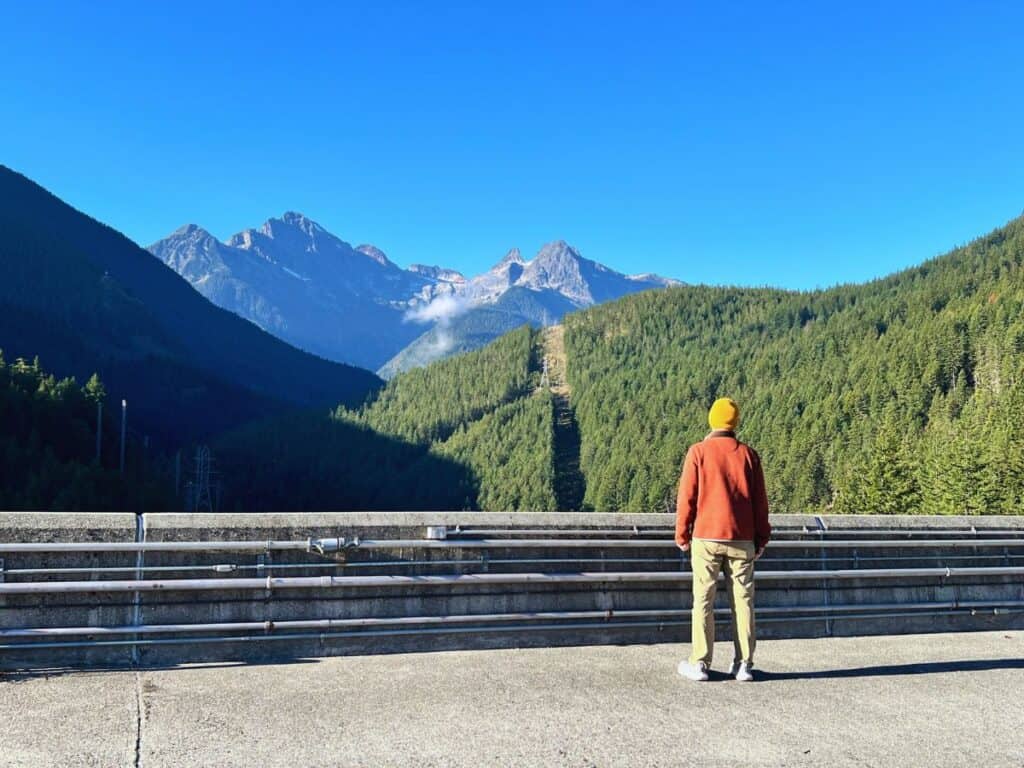
Visiting North Cascades National Park is free of charge across the entire complex—including Ross Lake and Lake Chelan. Fees apply only for camping, backcountry permits, or boat access.
One of the most unique lodging options is Ross Lake Resort, a collection of floating cabins typically open from early June through October. Getting there requires advance planning, as access involves a combination of boat or trail travel.
Most visitors stay in nearby towns rather than inside the park itself. On the west side, Marblemount offers a handful of motels and cabins. On the east side, Winthrop provides slightly more options for dining and lodging, with small, independent hotels and inns that are clean, comfortable, and within a short drive of the park. While you won’t find big national chains here, the local properties provide authentic Methow Valley charm.
Average Hotel Rates in Winthrop, WA
| Season | Avg. Hotel Rate (per night) | Notes |
|---|---|---|
| Winter (Dec–Feb) | $120–$160 | Quiet season; limited dining and lodging options, snow covers higher elevations |
| Spring (Mar–May) | $130–$170 | Shoulder season; waterfalls and wildflowers, fewer crowds |
| Summer (Jun–Aug) | $180–$250 | Peak season; full amenities, ranger programs, and nearby festivals |
| Fall (Sep–Nov) | $140–$190 | Crisp air, fall colors, larch season; some facilities begin closing |
Use the interactive map below to explore lodging options in Winthrop, compare rates, and book directly:
🌄 Why North Cascades Is Worth Visiting
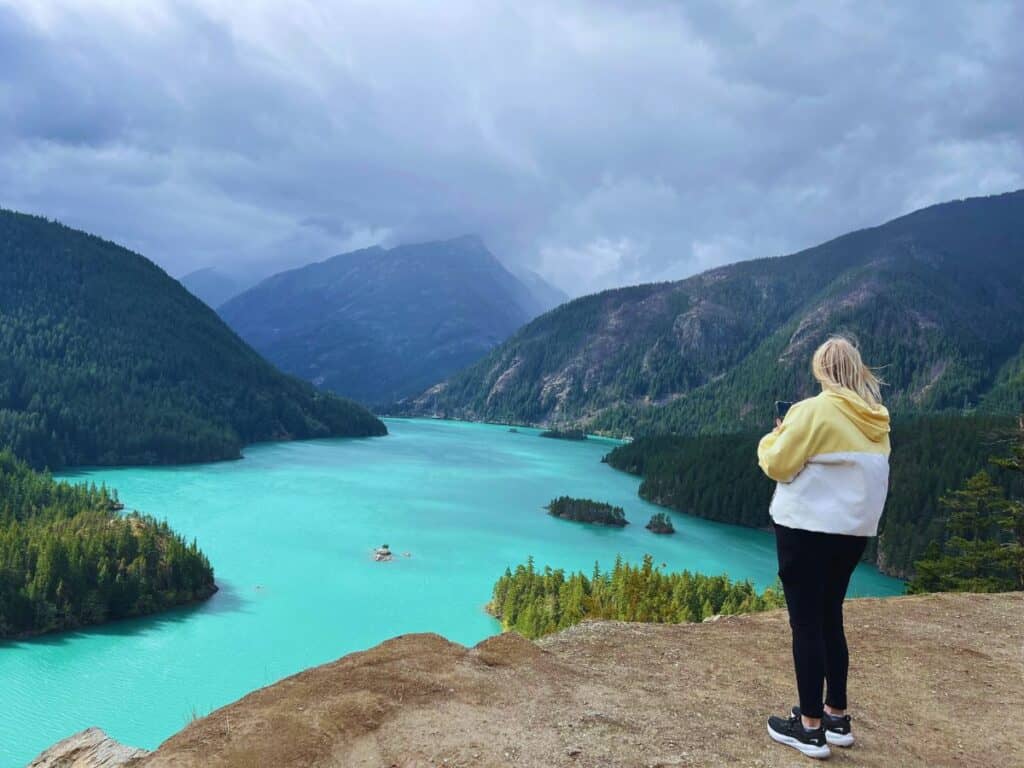
North Cascades National Park is often called the “American Alps,” and it earns that nickname with jagged peaks, glacial valleys, and surreal turquoise lakes. Driving the North Cascades Highway makes it easy to reach overlooks and trailheads, and Julie and I still talk about the surreal blue waters we saw there. The park is also home to mountain goats, which fascinate me as they edge along sheer cliffs with remarkable ease.
This park may not have the name recognition of Yellowstone or Yosemite, but its wild beauty and sense of solitude make it unforgettable.
👉 Want to dive deeper into what makes the North Cascades special? Explore our full feature: Why North Cascades Is Worth Visiting.
🚫 Worst Time to Visit North Cascades National Park
While solitude is guaranteed in winter, it comes at a steep cost. Heavy snow, avalanche danger, and seasonal road closures make much of the park inaccessible from late November through early spring. Visitor centers, ranger programs, and drive‑in campgrounds are closed, and even scenic drives along the North Cascades Highway are off‑limits until conditions improve.
For most travelers, this means winter is the least practical time to visit. Unless you are an experienced backcountry adventurer prepared for extreme conditions, it’s best to plan your trip for the warmer months when facilities are open and trails are safe to explore.
❓ Frequently Asked Questions
Even with the essentials covered above, travelers often have a few practical questions before heading into the North Cascades. Here are answers to some of the most common ones:
How long should I plan to stay in North Cascades National Park?
Most visitors spend two to three days in the park. That’s enough for scenic drives, short hikes, and ranger programs, though longer stays are ideal if you want to explore backcountry trails or combine your visit with Lake Chelan or Ross Lake.
Is cell service available in the park?
Cell service is very limited inside the park. Expect little to no coverage once you leave nearby towns like Marblemount or Winthrop, so download maps and trail information in advance.
What’s the best scenic overlook for photos?
The Diablo Lake Overlook is the park’s most iconic viewpoint. It offers panoramic views of surreal turquoise waters framed by jagged peaks, easily accessible along the North Cascades Highway.
What wildlife might I see besides mountain goats?
Wildlife sightings often include black bears, deer, marmots, pika, and over 200 bird species. Spotting animals is common in valleys and alpine meadows, but always observe from a safe distance.
Are there guided tours available?
Guided tours are available through private outfitters in nearby towns. While the park itself focuses on ranger programs, local guides offer hikes, climbing trips, and boat tours on Ross Lake.
📚 Ready to Plan Your Visit?
We’d love to help you make the most of your North Cascades National Park adventure. Explore our full guide for insider tips, seasonal highlights, and practical planning advice to ensure your trip to the “American Alps” is as rewarding as it is unforgettable.
Don’t miss our full guide to North Cascades!
We’ve got everything you need to plan your perfect trip.
Featured image credit: Miles with McConkey