
It is hard to fathom that a place can harbor six UNESCO World Heritage Sites that fly under the radar. Banff National Park and Jasper National Park display such mind-blowing natural beauty that they cast a shadow over Alberta’s other natural, historical, and cultural attractions.
That’s right. There are six World Heritage Sites in Alberta, more than any other province in Canada. You are not alone if you do not know this.
Disclosure: This post may contain affiliate links. If you make a purchase through one of these links, I may earn a small commission at no additional cost to you. Thanks for keeping Miles with McConkey going!
Alberta’s Treasure Trove
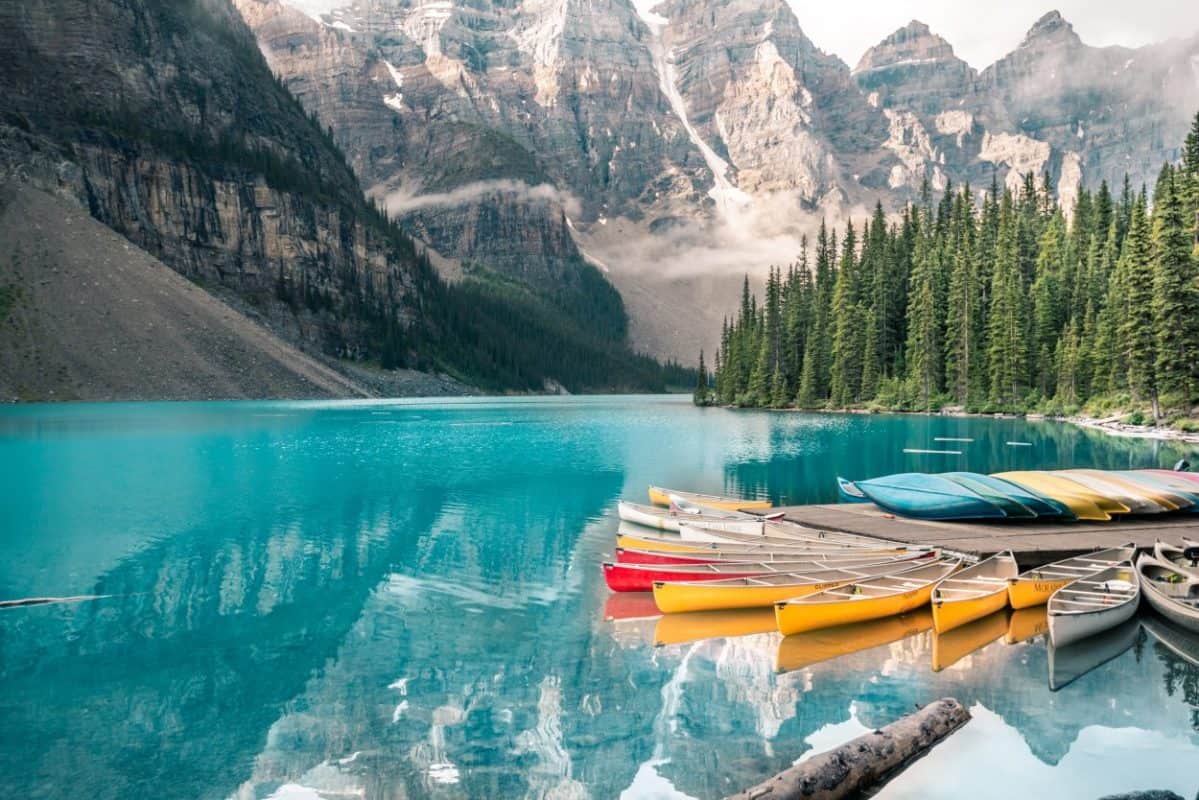
While Banff and Jasper National Parks are undeniably stunning, Alberta’s six UNESCO sites offer a unique experience. These hidden treasures allow you to witness natural wonders, observe wildlife, step into the lands where dinosaurs once roamed, and delve into the rich history of the region’s Indigenous population.
To put it into perspective, Banff receives 4 million visitors annually, while Dinosaur Provincial Park, one of the UNESCO sites, gets 100,000. Banff’s shadow is indeed huge.
Oh, Canada, what are travelers missing?
Canadian Rocky Mountain Parks
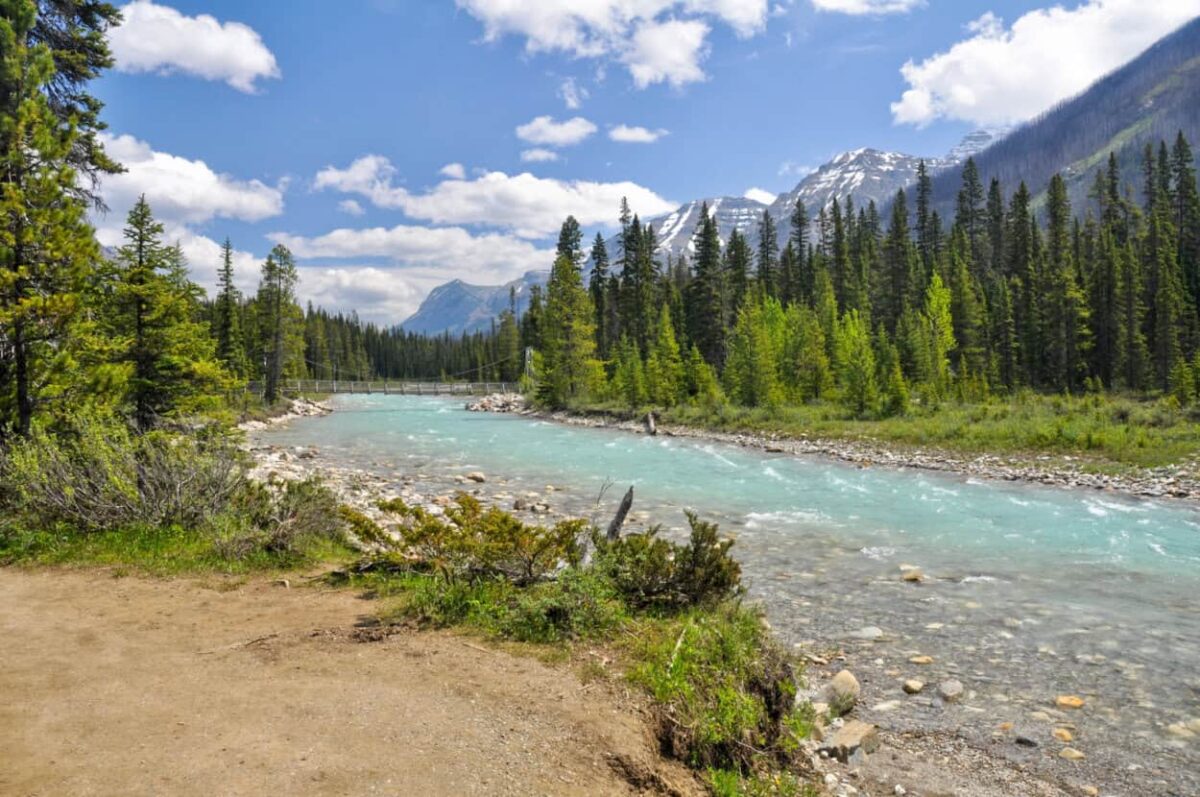
The Canadian Rocky Mountain Parks World Heritage Site comprises seven contiguous parks. Banff, Jasper, Kootenay, and Yoho National Parks combine with Mount Assiniboine, Mount Robson, and Hamber Provincial Parks to complete the site known for its breathtaking natural beauty. While Alberta’s crown jewels, Banff and Jasper, make up part of the Alberta UNESCO site, there is much more to see here.
Geological features include glaciers, gushing waterfalls, blue lakes, steamy hot springs, jagged peaks, and sprawling alpine meadows. The Burgess Shale fossil site offers visitors a chance to learn about ancient marine life. Visitors can also explore the area’s Indigenous history. Popular recreational activities include camping, hiking, fishing, skiing, mountain climbing, and horseback riding. You will be immersed in scenic splendor regardless of which sections you explore and your chosen activities.
Dinosaur Provincial Park
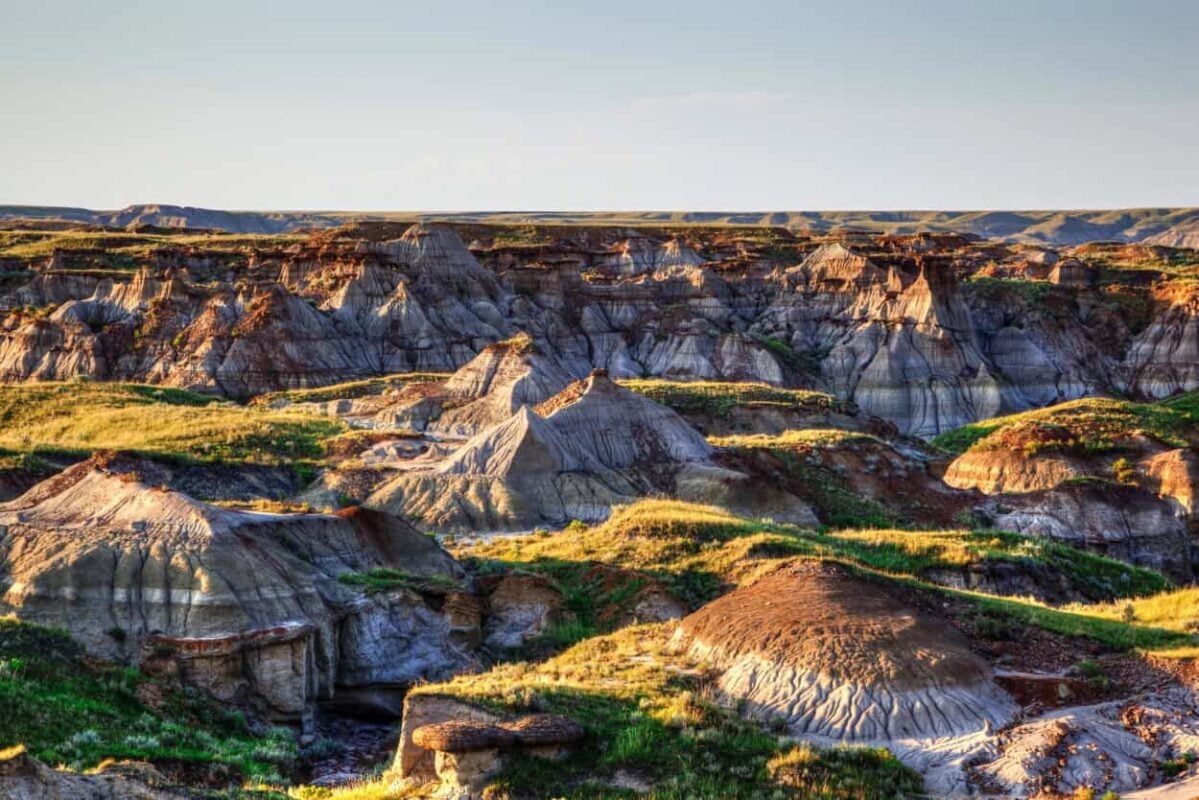
At first glance, Dinosaur Provincial Park’s otherworldly landscapes resemble those in America’s Badlands National Park. The family-friendly park features some of the world’s most extensive fossil fields, classic badlands landscapes, and a cottonwood river habitat. Its fossil fields have yielded discoveries of over 40 dinosaur species from the “Age of Reptiles,” 75 million years ago.
Visitors can participate in guided hikes and tours, take a self-guided hike, search for fossils, and explore the odd rock formations in the scramble zone. The park has two outdoor fossil displays along its public scenic loop road. One is a nearly complete skeleton of a duck-billed dinosaur, and the other is a re-creation of a dig site.
Head-Smashed-In Buffalo Jump
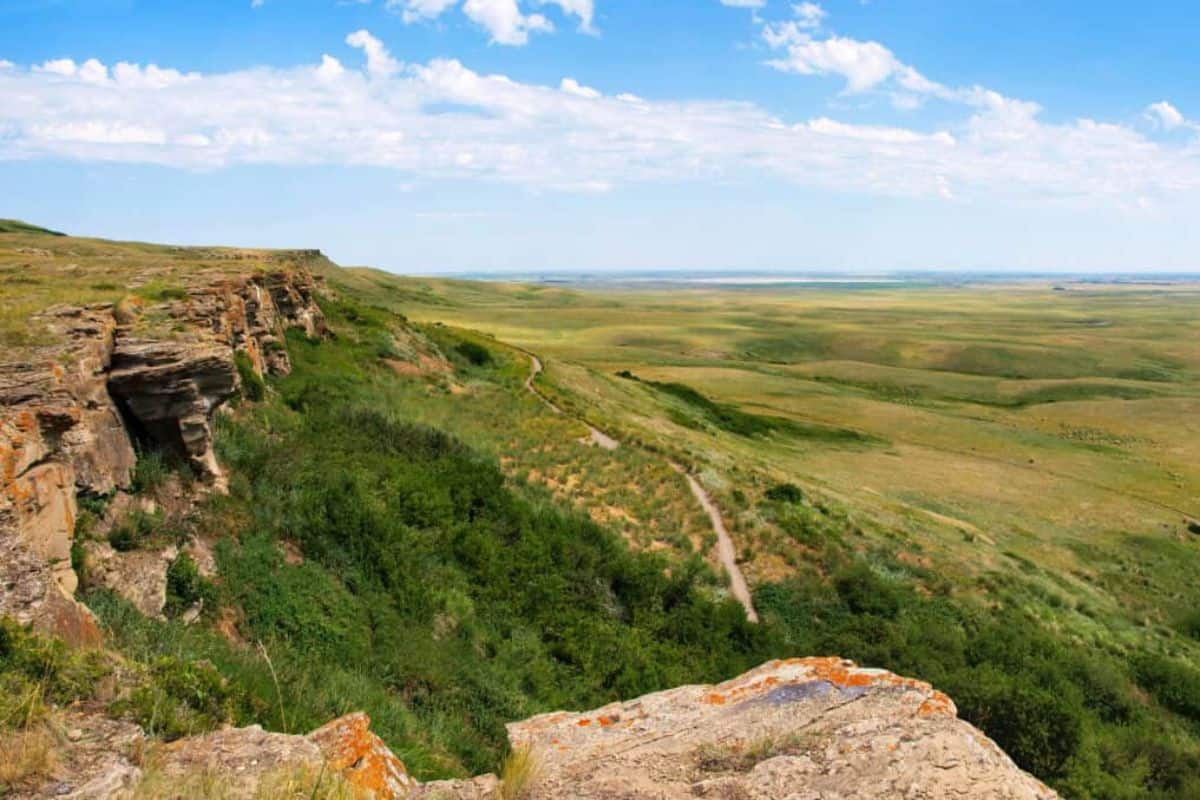
The Alberta UNESCO site is one of the oldest, most significant, and best-preserved places, demonstrating communal hunting techniques utilized by Indigenous peoples of the North American plains for 6,000 years. Due to numerous undisturbed stratified layers of bone and cultural deposits, drive lanes, the cliff face, and butchering camps, we have a historical record of the buffalo jump, where hunters worked as a team to herd bison and drive them over a cliff.
Guests can visit the Cliff Top Viewpoint and explore hiking trails near the cliff. The Interpretive Centre has seven levels of exhibits, including a feature film about the buffalo jump.
Wood Buffalo National Park
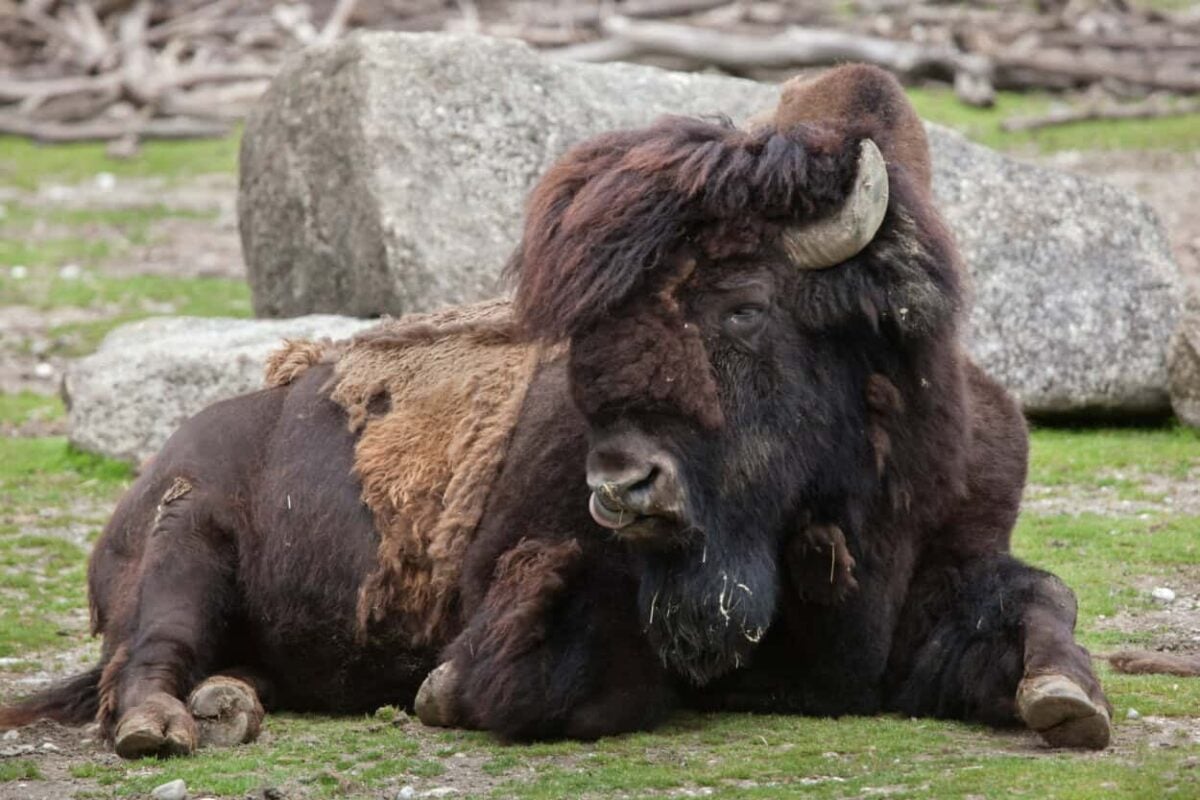
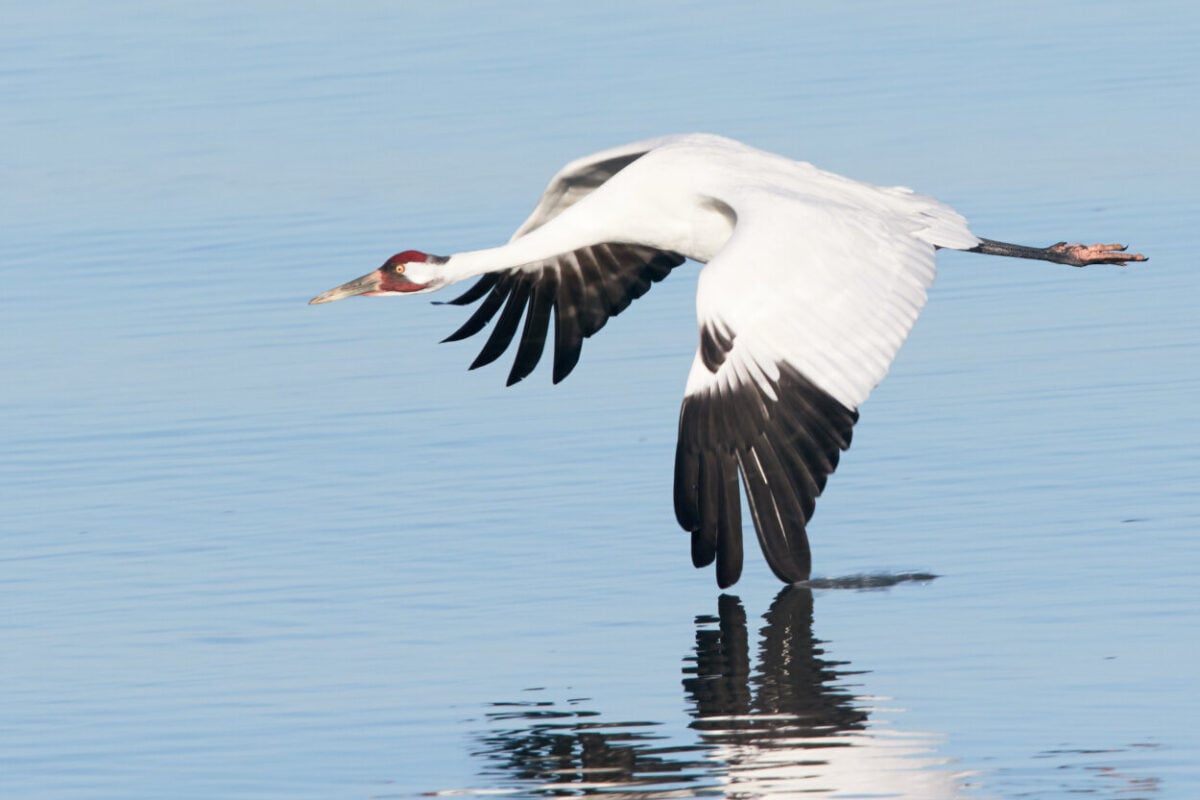
Canada’s largest national park protects the world’s largest herds of wood bison and is home to vital nesting grounds of the endangered whooping crane. Visitors can enjoy stunning views of sprawling grasslands, boreal forests, salt flats, and caves. The park also boasts one of the world’s largest Dark Sky Preserves and North America’s most significant freshwater inland delta at the mouth of the Peace and Athabasca Rivers.
Beyond the exotic wildlife and alluring scenery, guests can enjoy hiking, paddling, camping, snowshoeing, cross-country skiing, and biking.
Waterton-Glacier International Peace Park
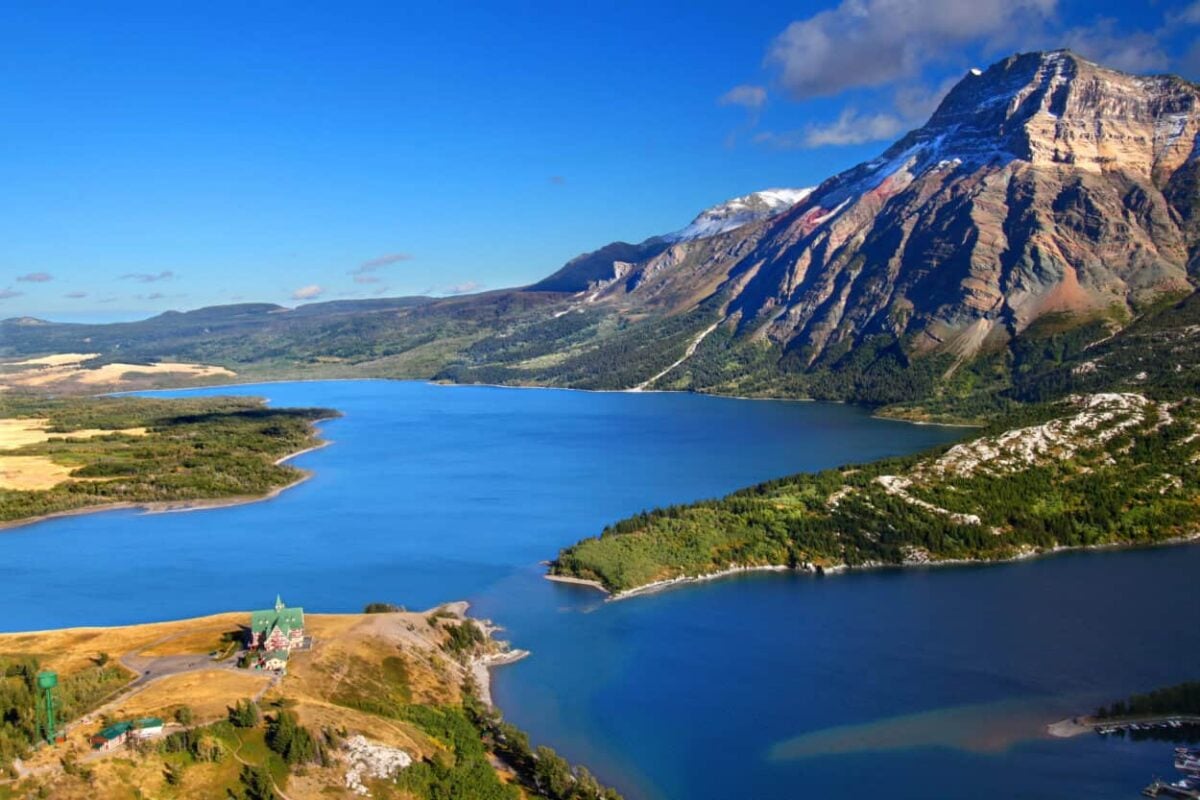
Waterton Lakes National Park unites with Montana’s Glacier National Park to form Waterton-Glacier International Peace Park, the world’s first “international peace park.” The World Heritage Site showcases an interface of mountain and prairie ecosystems. Visitors can also savor stunning views of glacial features, colorful canyons, high-altitude lakes, picture-perfect streams, and thundering waterfalls.
The park is renowned for its scenic roadways, abundant wildlife, and diverse plant life. Grizzly bears, gray wolves, peregrine falcons, and bald eagles inhabit the area. When driving or hiking through the park, stay alert for grizzly bears and gray wolves.
Writing-on-Stone Provincial Park
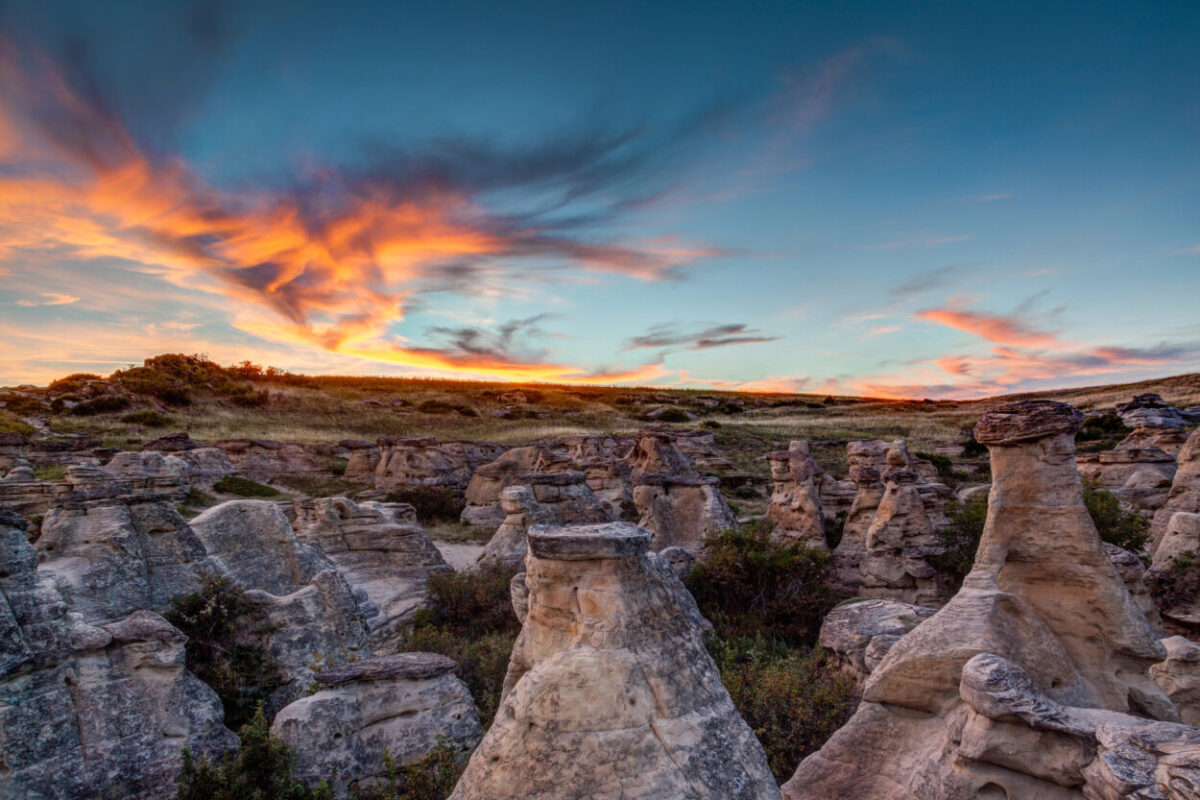
The Alberta UNESCO site houses the North American Great Plains’ largest rock art collection, and an extensive prairie nature preserve. Sandstone walls along the Milk River Valley display carvings and paintings primarily from the Blackfoot Nation over 3,000 years ago. Considered sacred by the Blackfoot and many other aboriginal tribes, the site honors centuries-old traditions and ceremonies.
Rising above the prairie, hoodoos dominate the landscape. They were formed from meltwater erosion during the last ice age. Visitors can take a rock art tour and explore the hoodoos along the park’s hiking trails. Deer, pronghorn, and many bird species inhabit the area for those who love animals.
Plan Your Alberta Adventures
When visiting Alberta, you should bask in the splendor of Banff National Park and Jasper National Park. Be sure to make time for the province’s other treasures. Whether you love nature, history, or culture, there is much to explore here. Alberta’s UNESCO sites may not get the attention of the two featured parks, but they offer travelers an enriching experience.
Featured image credit: DonyaNedomam via Deposit Photos