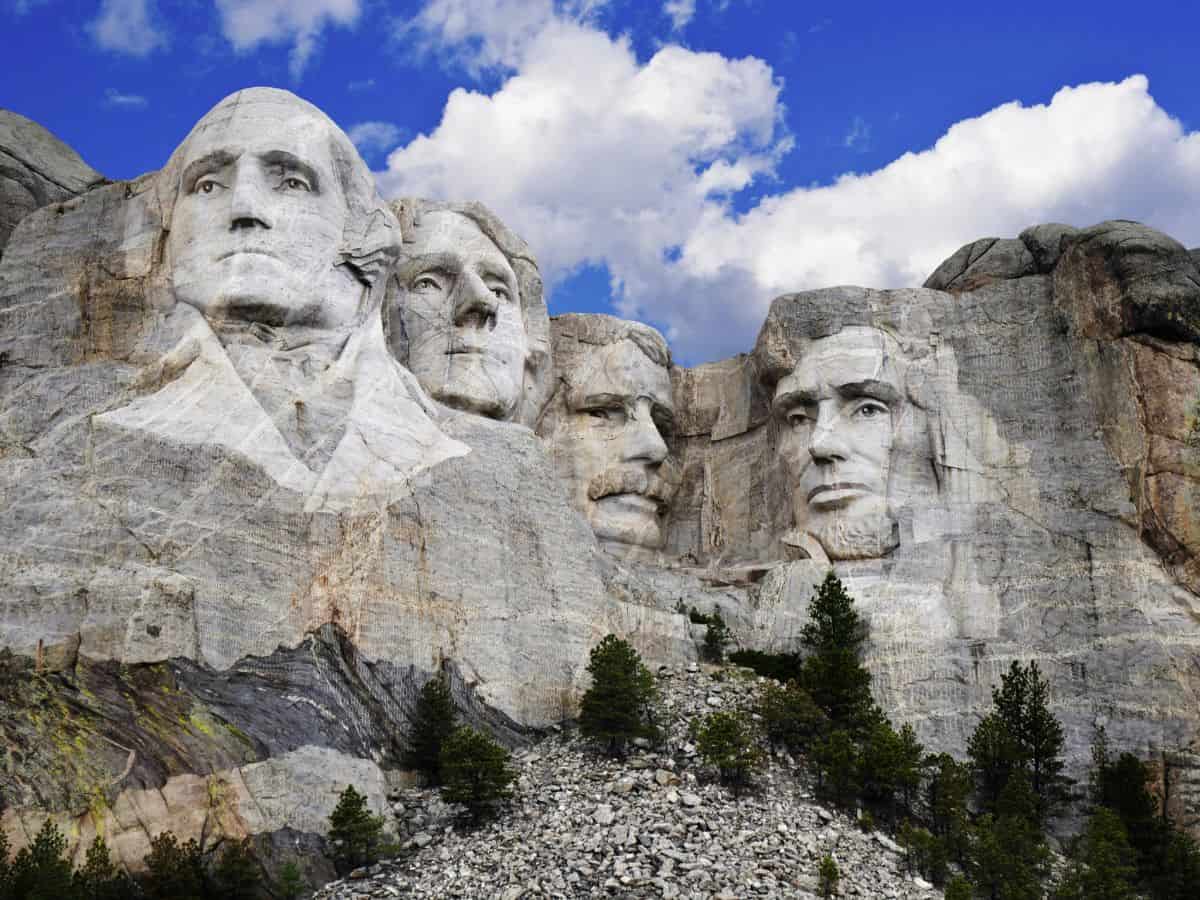
Mount Rushmore is one of America’s most popular landmarks, symbolizing the ideals of freedom and democracy. The tribute to George Washington, Thomas Jefferson, Theodore Roosevelt, and Abraham Lincoln honors our past and provides hope for a brighter future.
However, many travelers view the monument merely as a selfie spot. So, after capturing the iconic selfie, what are the top things to do at Mount Rushmore?
Disclosure: This post may contain affiliate links. If you make a purchase through one of these links, I may earn a small commission at no additional cost to you. Thanks for keeping Miles with McConkey going!
Interesting Facts About Mount Rushmore
- Mount Rushmore is a national memorial rather than a national park.
- The park site regularly draws 2 to 2.5 million visitors annually.
- Gutzon Borglum designed the monument and oversaw the project, but he passed away before its completion.
- The project took 14 years, from 1927 to 1941.
- Nearly 400 workers helped with the project, using dynamite to complete 90% of the carving.
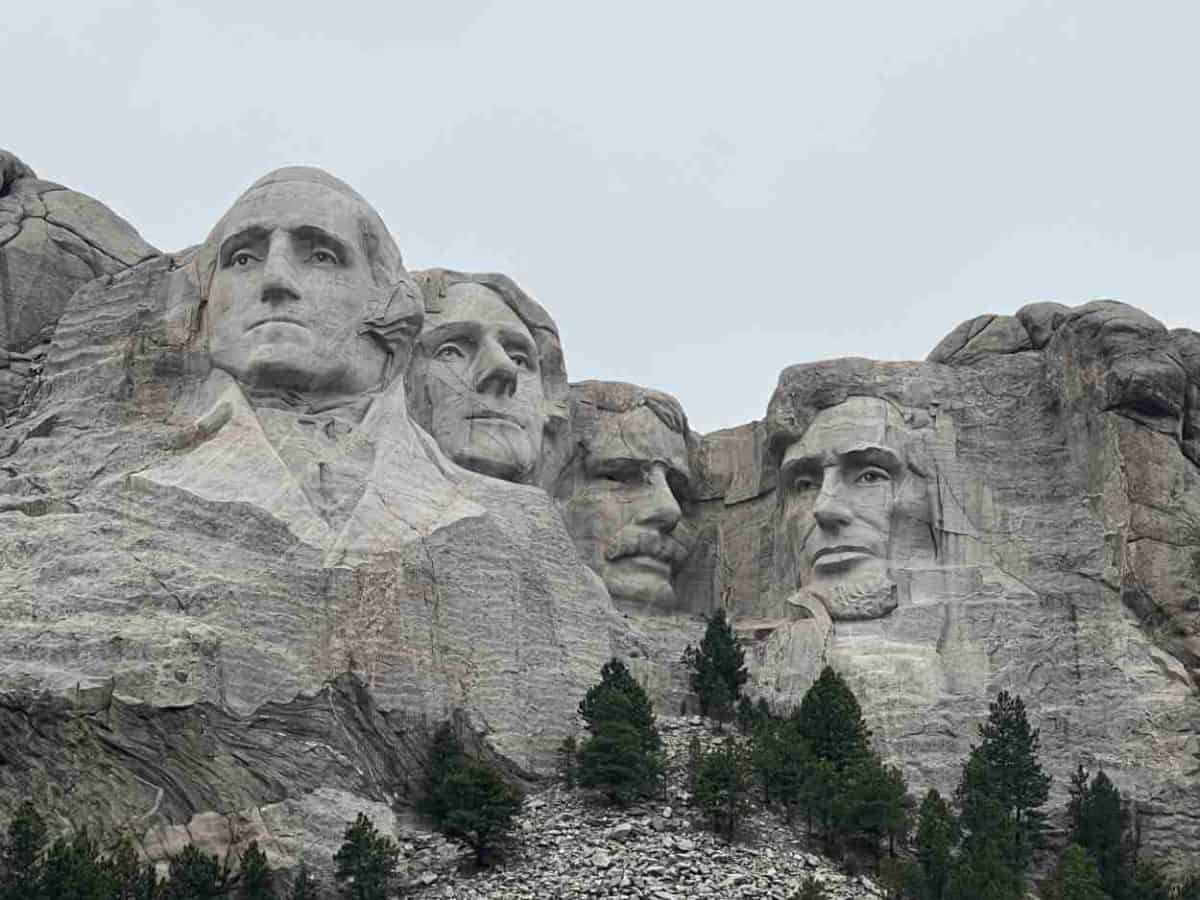
- Each sculpted head is about 60 feet tall.
- The monument’s original plan was to display the men from the waist up, but funding ran short, and the project stopped upon completion of the faces.
- It cost just under a million dollars to carve the memorial.
- Lincoln Borglum, Gutzon’s son, ensured his father’s vision became a reality and served as Mount Rushmore’s first superintendent from 1941 to 1944.
What to do at Mount Rushmore
Julie and I feared Mount Rushmore might only justify a half-hour stop, but we are happy to say the park site offers much more to explore. After capturing a photo from the Grand View Terrace, we discovered many excellent reasons to explore the park.
Explore the Lincoln Borglum Visitor Center
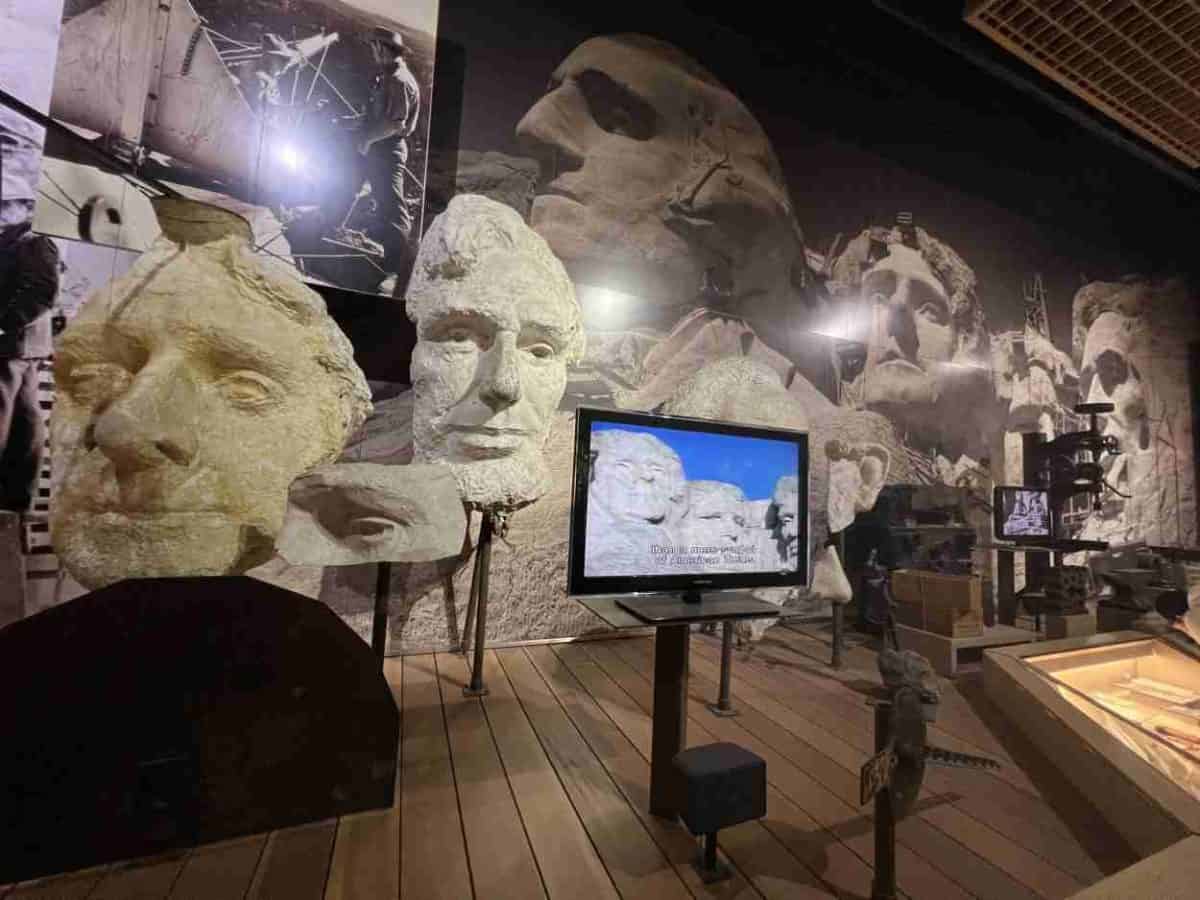
The Lincoln Borglum Visitor Center is an excellent place to learn about the region’s history and take in the story behind the sculpture. You can watch a 14-minute film on the memorial’s creation and explore a museum with historical artifacts and photos. It truly brings the monumental effort to life.
Explore the Avenue of Flags
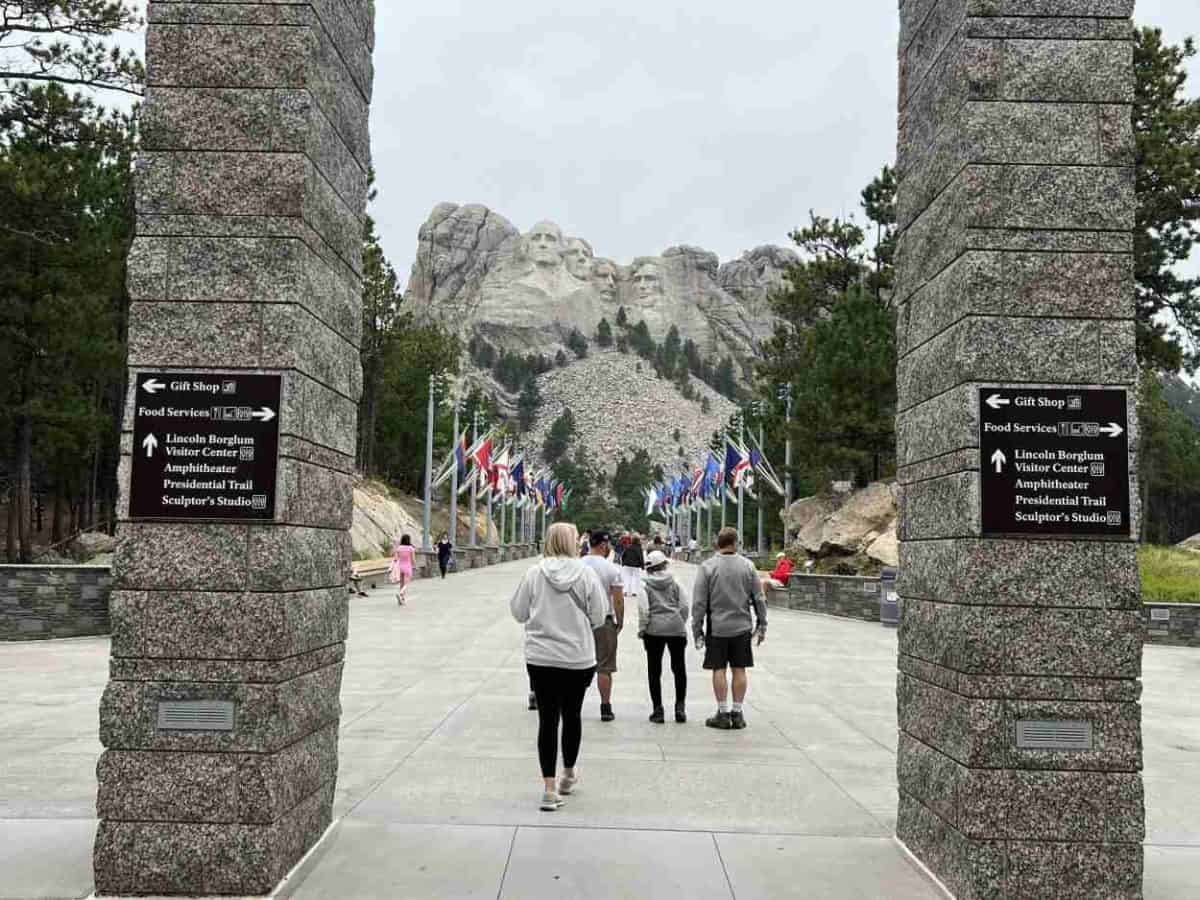
Do yourself a favor and spend some time along the Avenue of Flags. It is not a sprinting track. The grand promenade perfectly frames the monument and often stirs patriotic emotions. Its 56 flags represent:
- Fifty states
- One district: the District of Columbia
- Three territories: Guam, American Samoa, and the Virgin Islands
- Two commonwealths: Puerto Rico and the Northern Mariana Islands
Hike the Presidential Trail
The 0.6-mile Presidential Trail leads you to the mountain’s base for a closer view. Along the way, you can read informational signs to learn more about the memorial.
Please note the trail comprises 425 stairs. If you take the loop clockwise, you will face the monument during most of the hike.
Tour the Sculptor’s Studio
Located at the end of the Presidential Trail, the Sculptor’s Studio houses a 1/12th-scale model of the sculpture as originally envisioned. It gives a deeper appreciation of the project and an opportunity to learn about the tools and techniques used. The studio is usually open daily from June through September.
Enjoy a Monumental Meal

Many national park sites have limited food options if any at all. The Carvers’ Cafe serves tasty breakfast, lunch, and dinner fare. Due to outdoor seating and indoor tables by large picture windows, you can enjoy your meal with an excellent view of the monument.
Mount Rushmore at Night
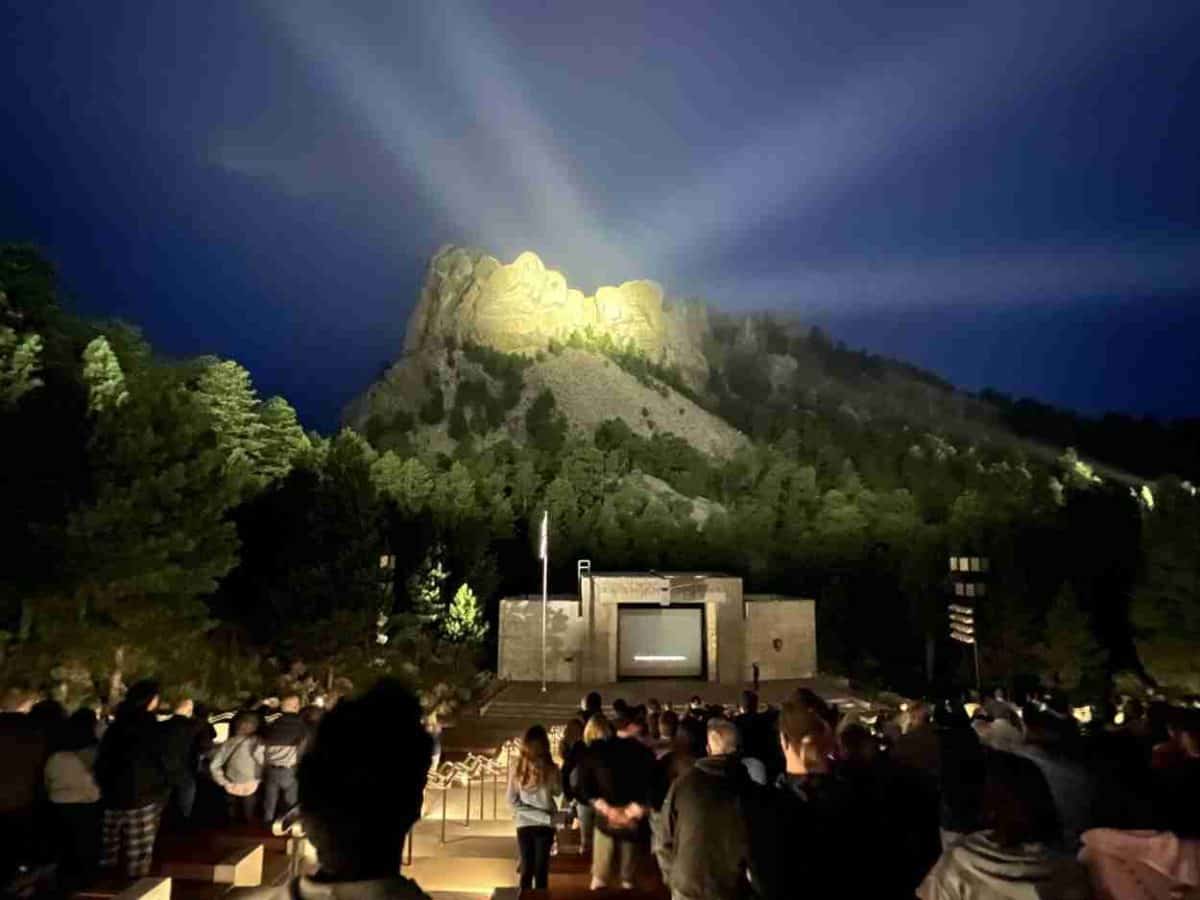
Do not skip the Evening Lighting Ceremony. If you only do one thing other than the obligatory selfie, this is it. The ceremony is one of the most uplifting things Julie and I have experienced at any national park site.
Rangers hold a 45-minute program nightly from late May through September. During this program, they talk, show a brief film, and honor military veterans before illuminating the monument. The inspirational experience often draws chills or moves guests to tears.
Take a Scenic Drive
Julie and I love the scenic drives in South Dakota’s Black Hills, where verdant ponderosa pines, gray mountains, and craggy spires paint the landscape. You can easily access Custer State Park, which has rewarding hikes and exotic wildlife like bison, pronghorns, bighorn sheep, mountain goats, and prairie dogs. Julie and I saw as many animals here as we have in any national park.
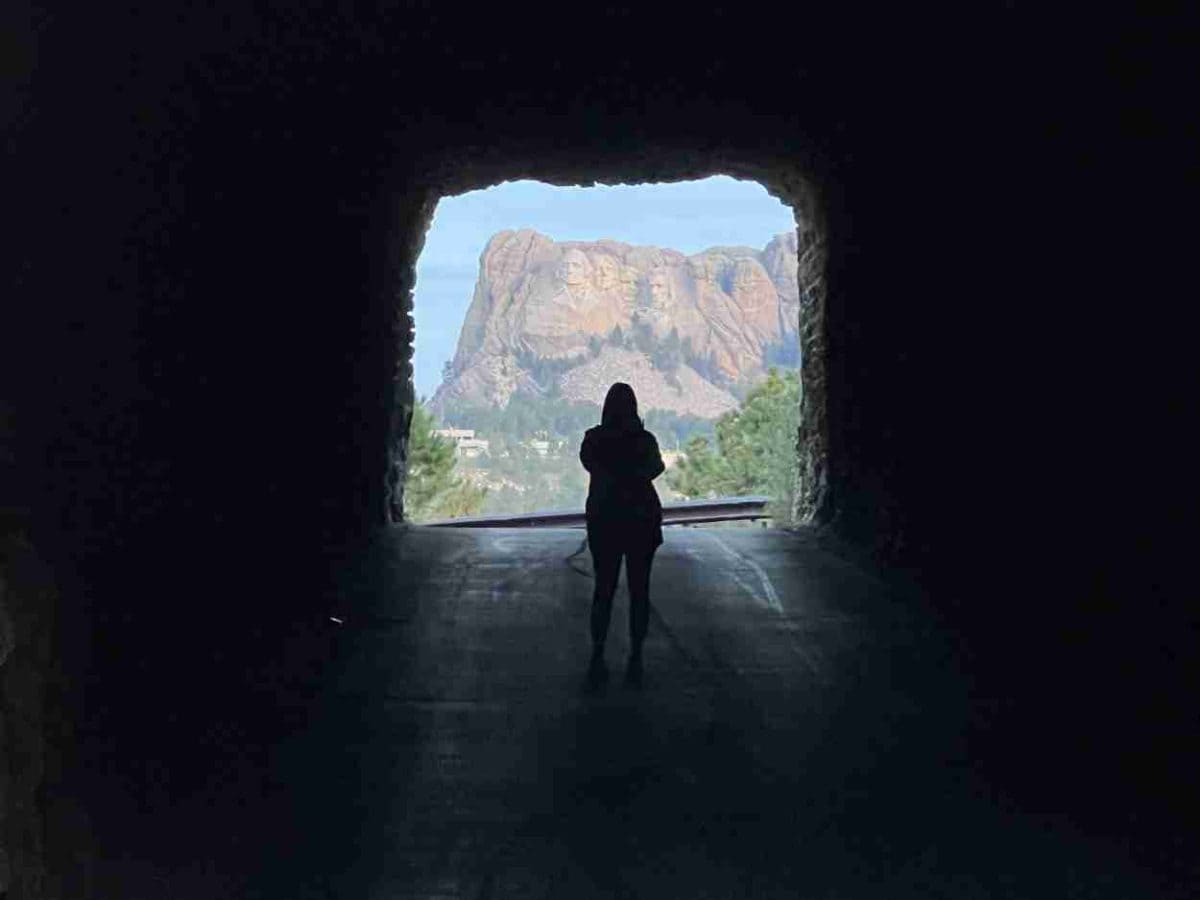
Highway 16A, famously dubbed Iron Mountain Road, takes you through three tunnels, two of which perfectly frame Mount Rushmore when driving north. It is a beautiful drive, and the tunnels provide a unique memorial view.
Plan Your Mount Rushmore Trip
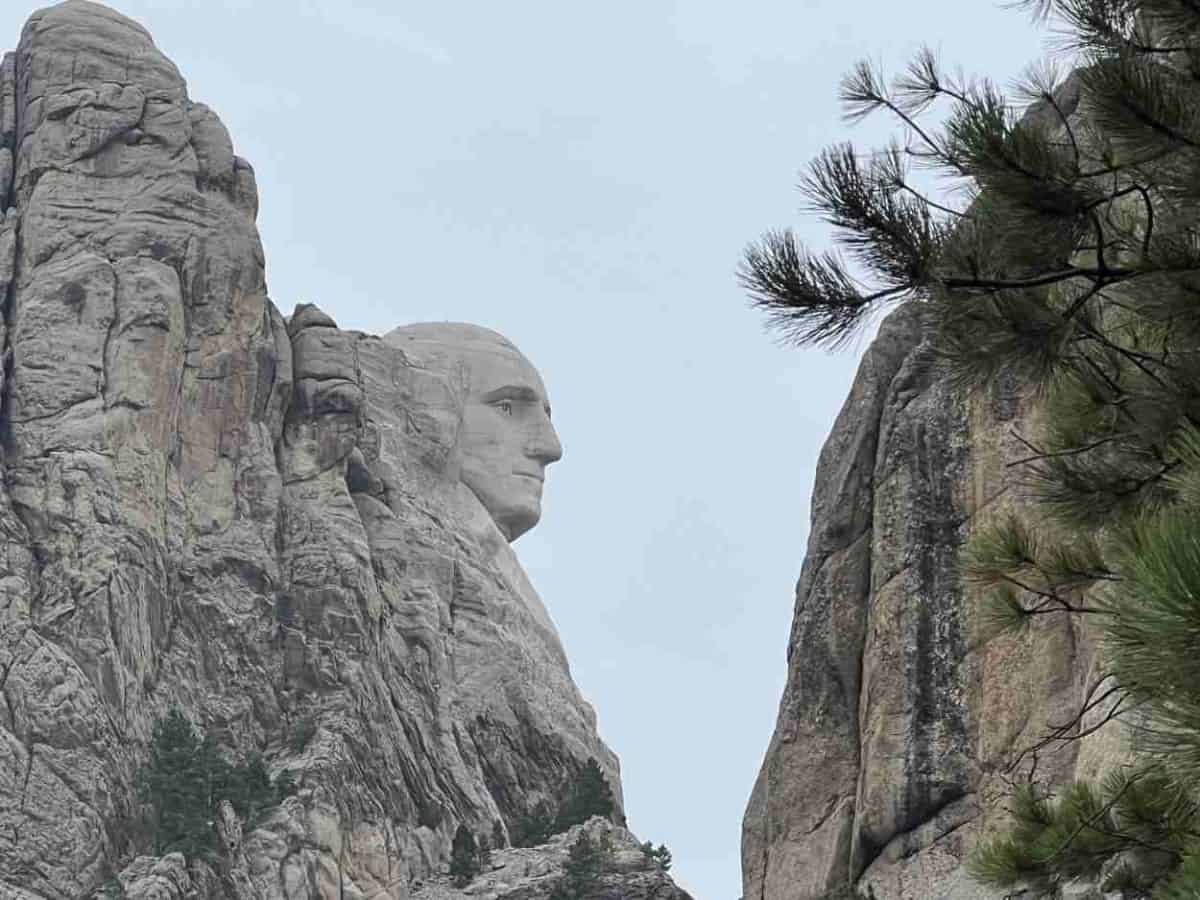
With history, natural beauty, and rewarding scenic drives, Julie and I believe Mount Rushmore is much more than a selfie stop. After capturing your memorable photo, we encourage you to explore all the park has to offer—and if you’re ready to plan your own adventure, our Mount Rushmore trip planning guide is a great place to start.
Featured image credit: visionteller via Deposit Photos