
The North Rim still smells faintly of smoke. The federal government is shut down. But inside Grand Canyon National Park, science is still happening.
For Julie and me, the Grand Canyon was the third national park we ever visited—and the first after we left the corporate world. It marked a turning point, a place where awe and autonomy collided. So when we heard about the park’s resilience in the face of fire and federal gridlock, it hit close to home.
This fall, the Grand Canyon Conservancy (GCC), the park’s official nonprofit partner, stepped in with $48,000 in emergency funding to keep urgent conservation projects moving. From post-fire water monitoring to wildlife tracking, these efforts are protecting the canyon’s ecosystems, cultural heritage, and visitor safety at a moment when federal support is frozen.
What Happens When a National Park Can’t Pause
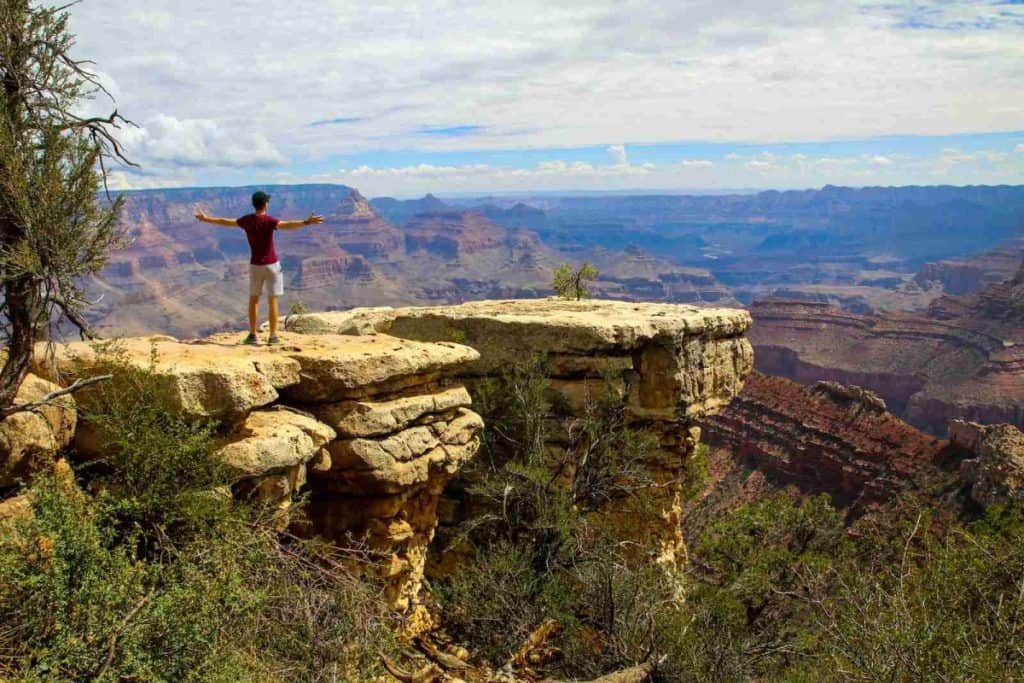
The Dragon Bravo Fire scorched parts of the North Rim earlier this year, threatening archaeological sites and destabilizing slopes above Phantom Ranch. With federal operations paused, GCC’s funding allows park scientists and archaeologists to continue critical assessments and reporting.
These cultural site evaluations will be shared with tribal partners and the Arizona State Historic Preservation Office to guide future stabilization efforts. Meanwhile, water gauges and runoff modeling are being installed to detect contaminants and reduce flood risk in fire-affected zones.
“These projects protect the canyon’s ecosystems, cultural heritage, and water quality—efforts that can’t be paused without consequence,” said Liz Silkes, CEO of Grand Canyon Conservancy.
Wildlife Tracking and a Dog Named Blue
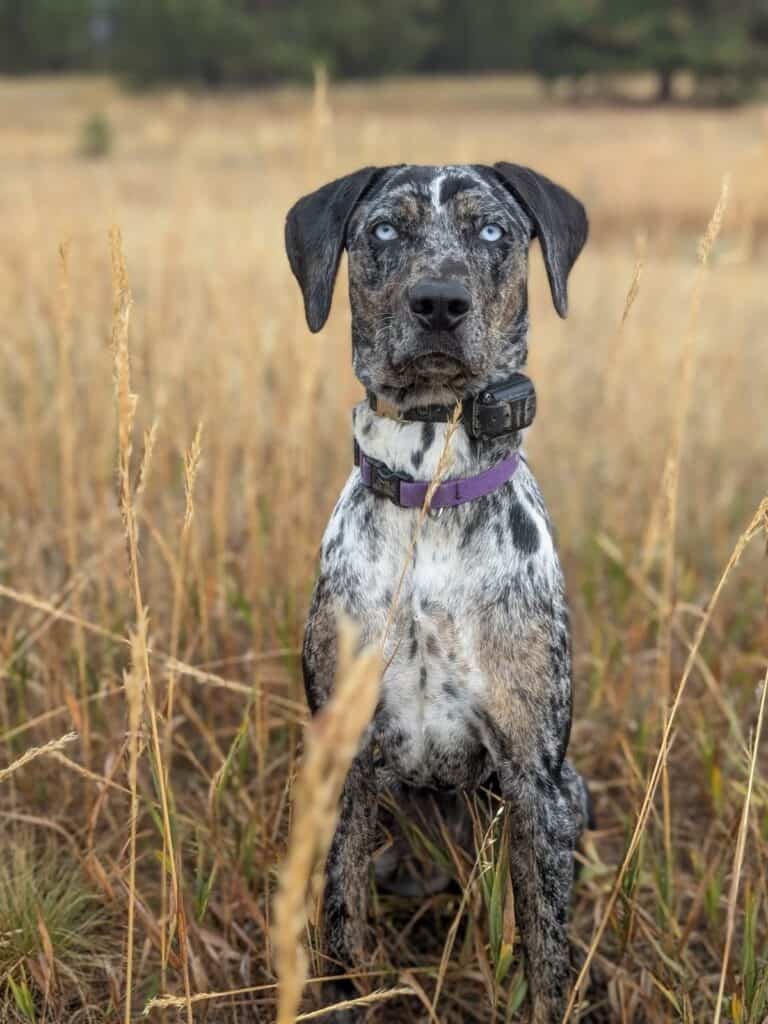
One of the most innovative projects funded during the shutdown involves a dog named Blue. As part of a renewed effort to reduce human-wildlife conflict, Blue is helping park scientists track and influence the behavior of habituated elk and bighorn sheep on the South Rim.
Using temporary markings and GPS collars, researchers are gathering baseline data to evaluate how trained Conservation K-9 units can alter wildlife movement patterns. The collars must be deployed before winter erases the markings, making this work especially urgent.
Even amid shutdowns and snowstorms, the canyon’s caretakers are finding creative ways to protect both animals and visitors.
Protecting the Colorado River’s Native Fish
Another GCC-funded initiative focuses on early detection of non-native fish species in critical reaches of the Colorado River. This work supports native fish protection and keeps the park’s fisheries program on schedule despite federal delays.
The project involves collaboration with the Bureau of Reclamation and American Conservation Experience interns, underscoring the importance of partnerships in maintaining the canyon’s resilience.
Planning a Visit? Start Here
Shutdowns are disruptive. Fires are devastating. But the Grand Canyon’s story this season is one of continuity and care. Thanks to donor support and nonprofit leadership, vital science and stewardship continue, even when the headlines suggest otherwise.
If you’re planning a visit or want to understand the canyon’s complexity, check out our Grand Canyon guide. It covers everything from seasonal tips to trail highlights so you know what to expect during your trip.
And if you’re curious what the South Rim looks like in winter, here’s a video tour that captures its quiet beauty:

The Canyon Keeps Going
These are the moments when a steady partnership truly matters. The rhythms of the canyon—its wildlife, water, and weather—do not wait for politics to catch up. When federal systems stall, people on the ground keep showing up. And right now, they are.
Featured image credit: sepavone via Deposit Photos