
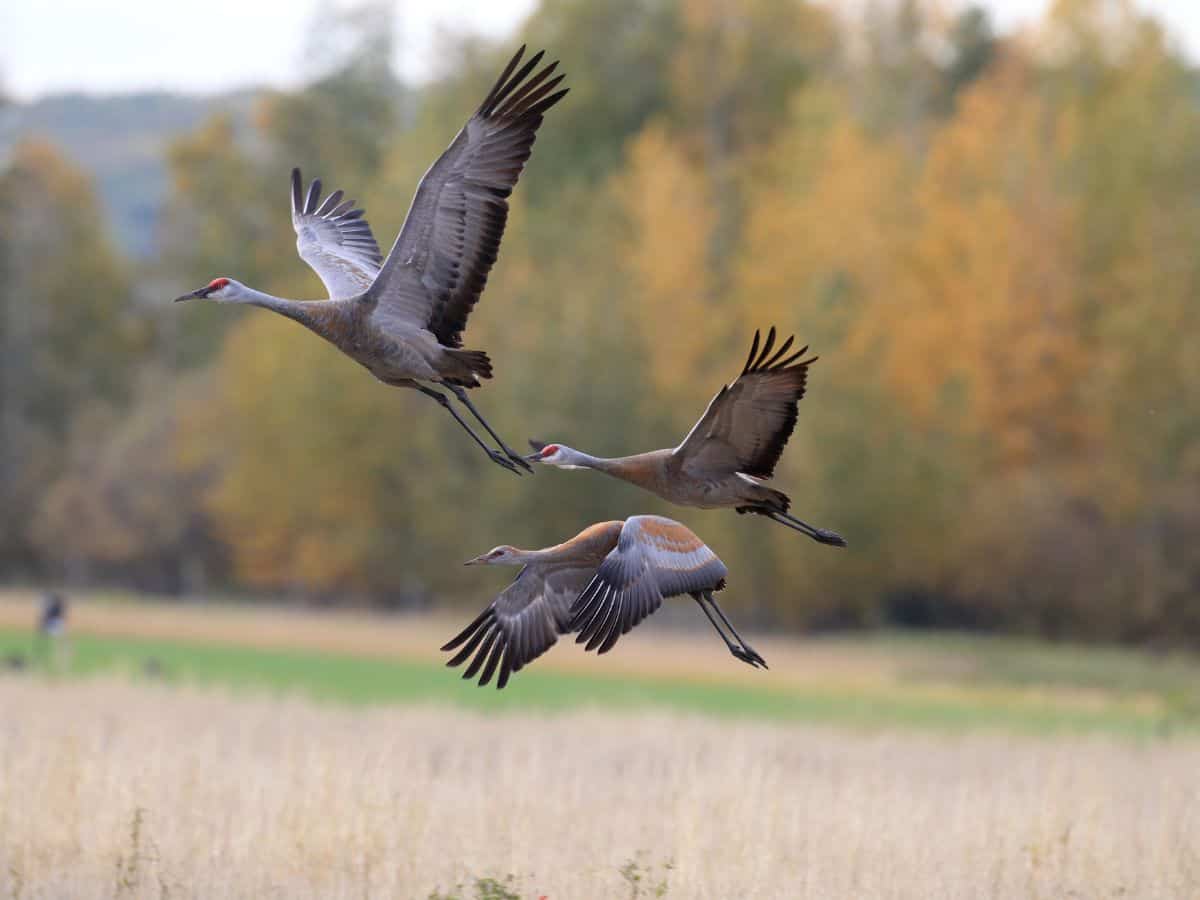
Julie and I love watching birds. We each have a pair of binoculars. Our backyard comprises two to four feeders throughout the year. The Big Year is one of my favorite films. We also spend considerable time looking for birds when traveling to national and state parks.
Although we enjoy birdwatching, we are novices. Our most common question is, “What’s that bird?” Yes, we have serious challenges with identifying birds. We use binoculars and a field guide, but it is not always enough.
If you are new to birding or struggle to identify birds like us, I have good news for you. We found a tool that is a complete game changer. There is no more embarrassment or frustration. Birding is fun as it should be!
Disclosure: This post may contain affiliate links. If you make a purchase through one of these links, I may earn a small commission at no additional cost to you. Thanks for supporting Miles with McConkey.
Meet Merlin, A New Birder’s Best Friend
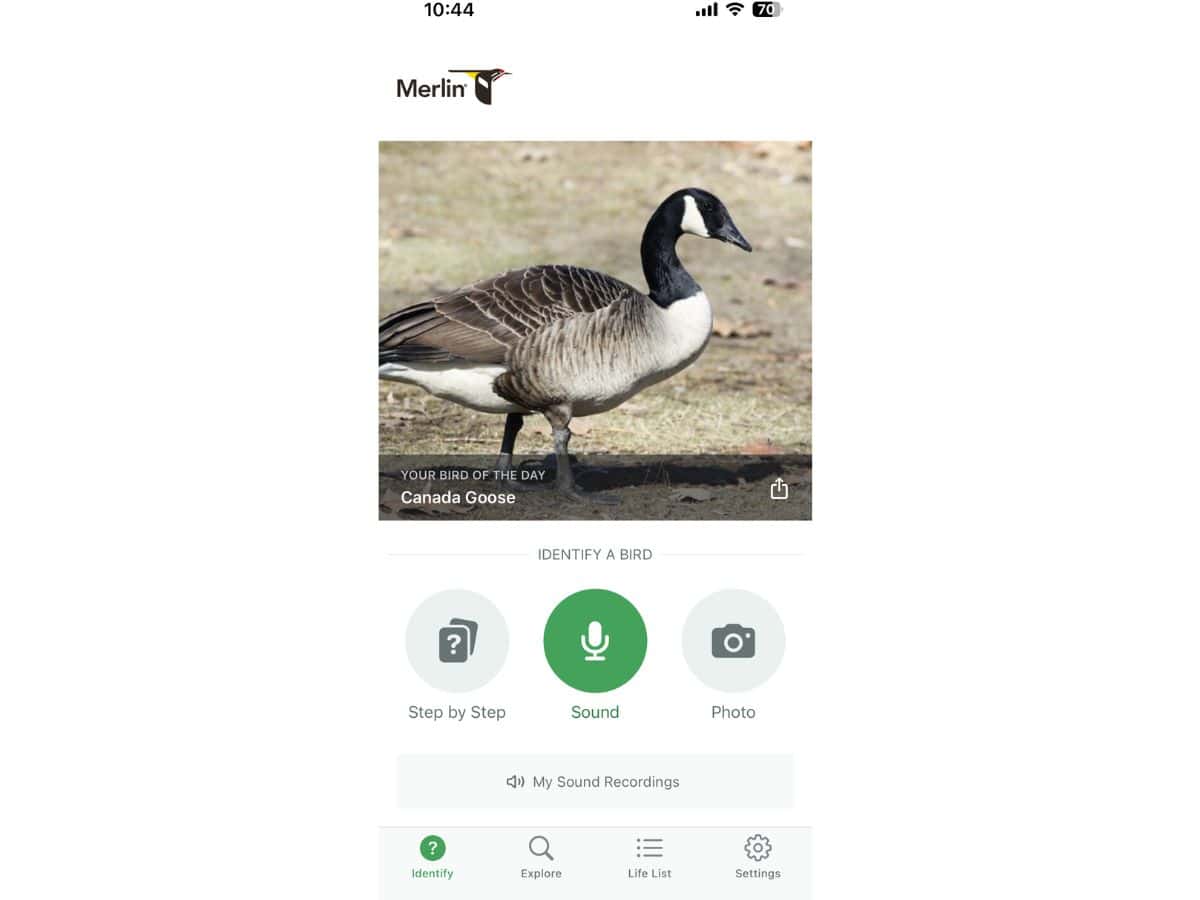
Merlin Bird ID is an app that helps new and experienced birdwatchers identify birds. It was designed by a team at the Cornell Lab of Ornithology based on the question, “What’s that bird?”
The app utilizes eBird, a global database of bird sightings, sounds, and photos, to quickly and accurately help users identify birds. For those who may question the accuracy or viability of the app, the database includes billions of bird sightings reported by birders worldwide.
Why do we like Merlin Bird ID so much?
The App Is Free
Any free tool is a welcome relief in a world of inflation and increasing prices. The app does so much in this case that it feels like an absolute steal.
The App is User Friendly
Often, when people say something is easy to use, I struggle with the technology. I assure you Merlin Bird ID is user-friendly. If I can use it, anyone can. Seriously, it is one of the few apps I can use without Julie’s assistance.
Photo ID

Do you have a photo of a bird but can’t positively identify it online or with a field guide? Upload the image to Merlin Bird ID and let it go to work. It will identify your bird or display the most likely species in seconds.
Julie and I have utilized this feature many times. Even with less-than-ideal-quality photos, the app offered accurate suggestions.
Sound ID
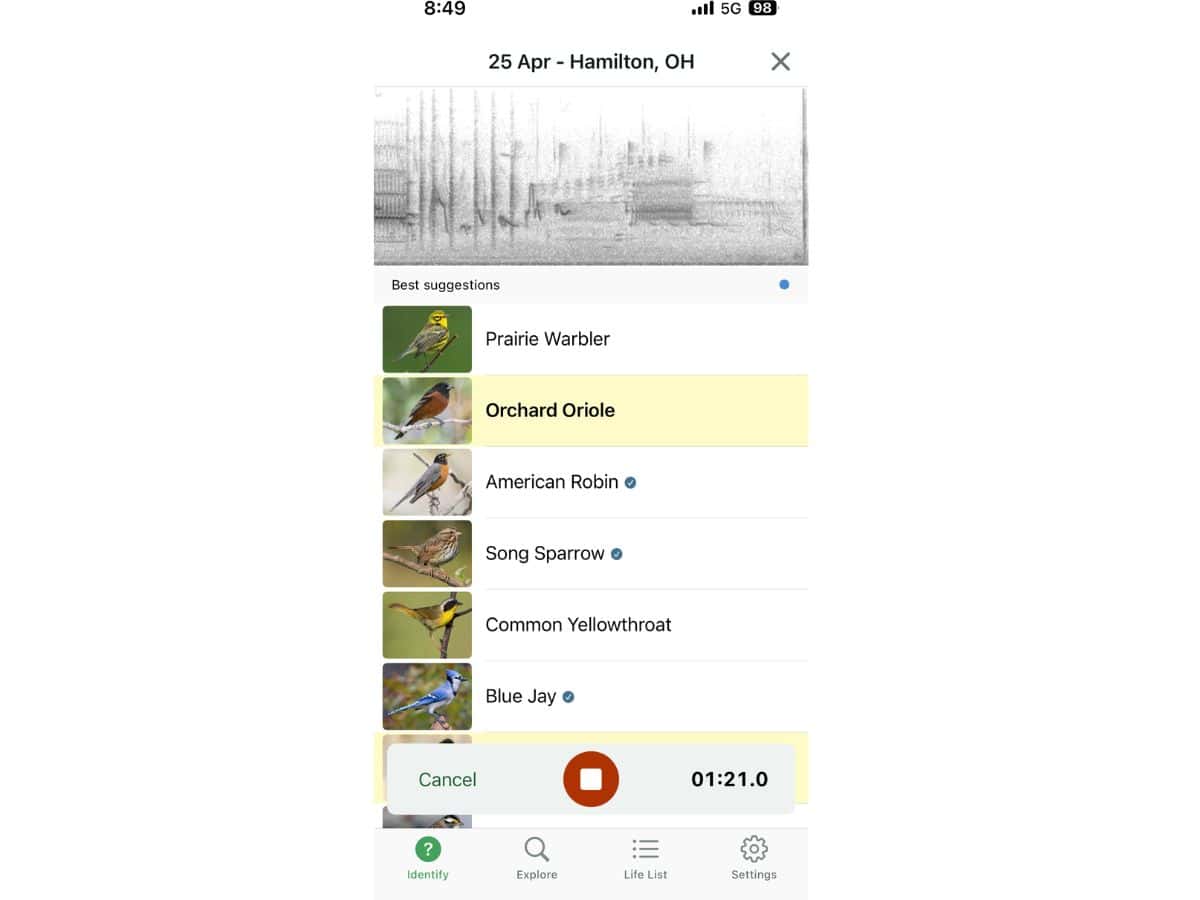
While I enjoy listening to birds sing, I recognize very few birdcalls. Merlin has a slick feature that allows you to record the sounds around you and then identify the birds.
Many times, multiple birds make their presence known at the same time. The app highlights birds in yellow during their call, clearly distinguishing one bird from another. We love this feature and rely heavily on it.
Julie and I sometimes use the sound ID feature as a starting point to see what birds are in the area. If something new appears, we use binoculars to locate the bird.
Instant Bird ID
I can’t tell you how often birds have darted away immediately after I point in their direction or finally scope them in my binoculars. Birds are fast and shifty. As soon as you spot them, they move.
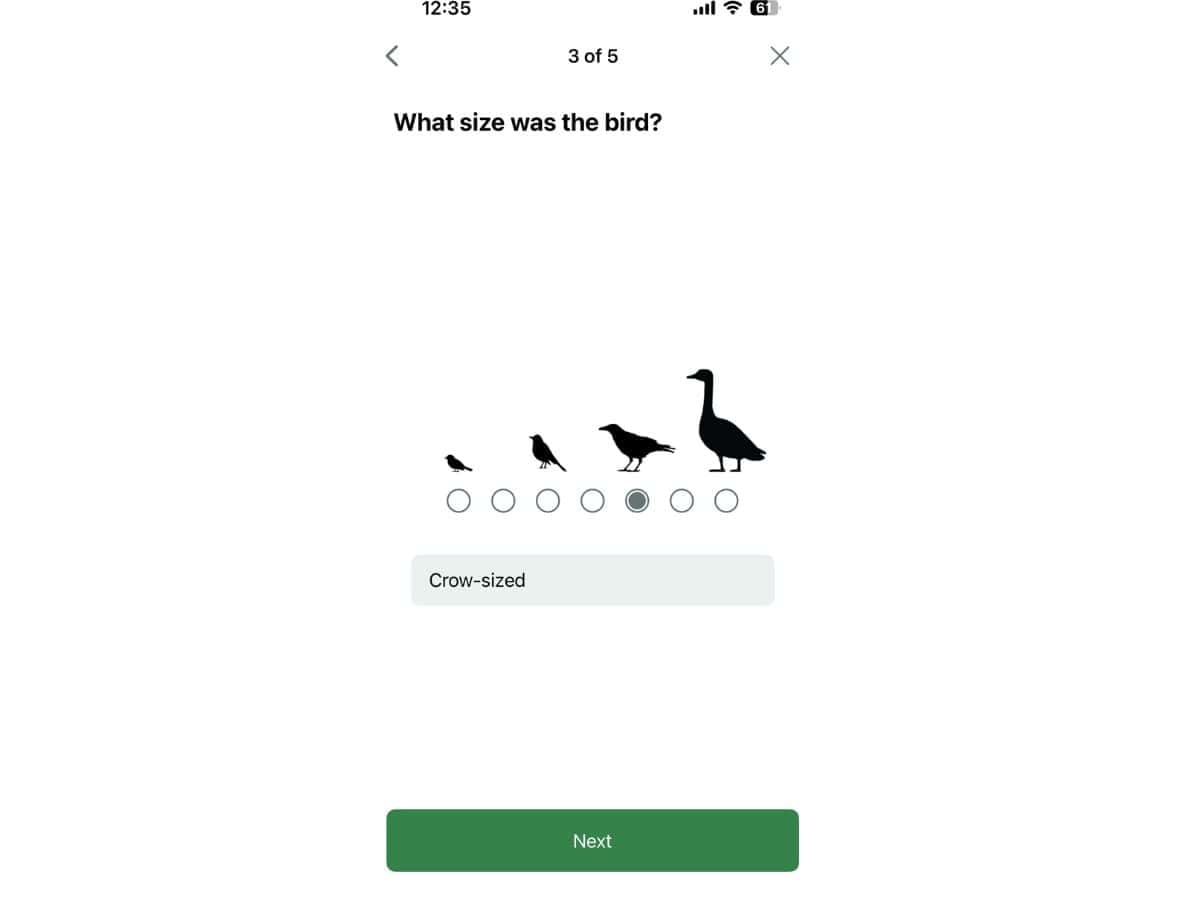
That is why I love the “Step by Step” ID feature. If you don’t have a photo, you can answer a few simple questions and get instant suggestions. Input your location, date, size of the bird, its primary colors, and observed behavior. I was shocked at how accurate and useful the feature was.
While the date and location are easy questions, I was worried the other questions may be difficult. The app makes the process simple, even for rookie birders like us.
Merlin uses a visual representation for size, asking you to compare your bird to a sparrow, robin, crow, or goose. You can choose up to three main colors. The final observed behavior question is also simple: select if you saw the bird:
- Eating at a feeder
- Swimming or wading
- On the ground
- In trees or bushes
- On a fence or wire
- Soaring or flying
We have input these variables many times with great success. The process is easy and gratifying.
Offline Functionality
Going to a remote location where you may lose your internet connection? No problem. Merlin Bird ID has offline functionality.
Before going offline, set your location so you can still accurately identify birds by either photo or sound ID. You can also download bird packs by region for an even higher confidence level of accurate identification when you are offline.
Explore Birds
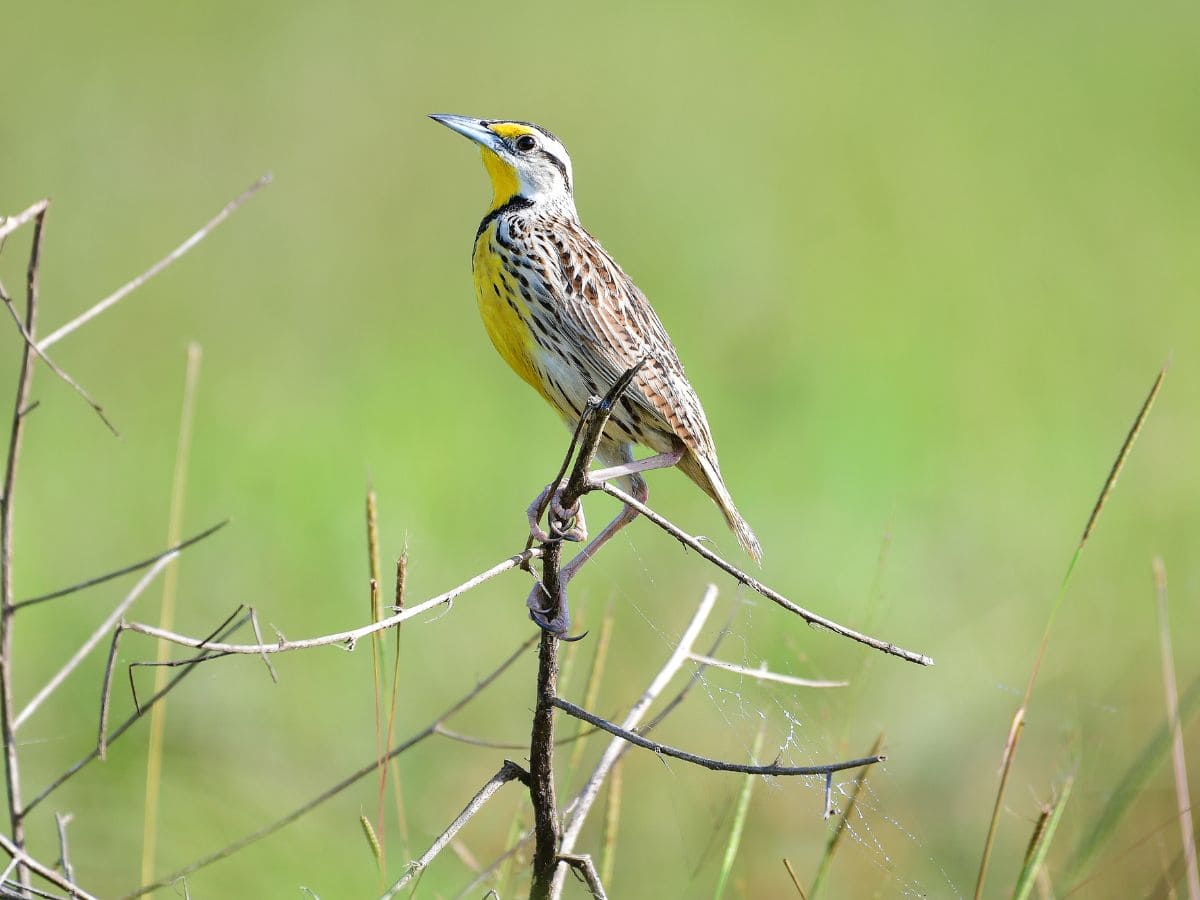
Want to learn more about birds in your area? Merlin displays species that are likely in your area today. You can click on any bird to view more images or listen to its calls. The app includes other helpful tips and range maps.
Julie and I love these additional features. Males and females often display different colors. Juveniles may present differently as well. Plus, birds use various calls to communicate. With access to multiple photos and audio recordings, you can learn a lot about a species and significantly improve your chances of identification.
Track Your Bird Sightings
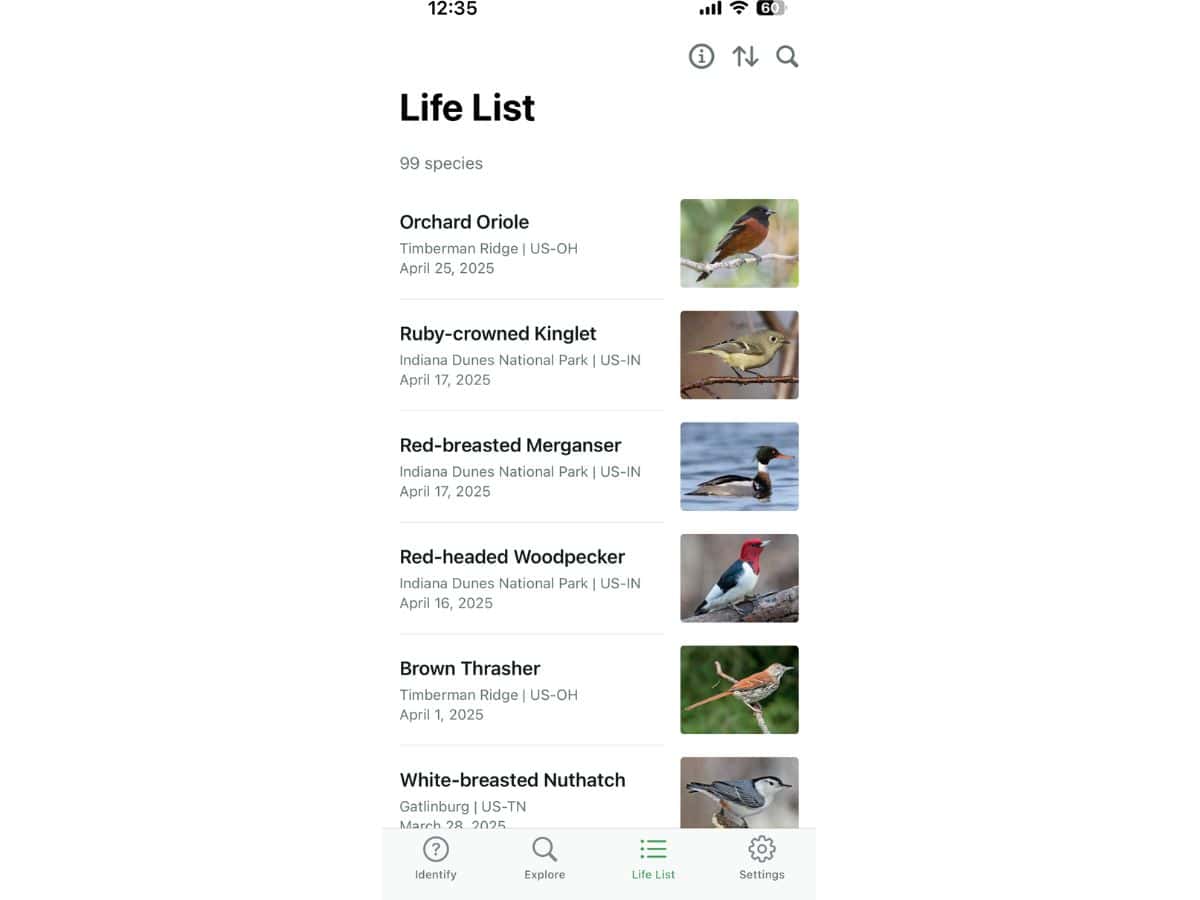
Bird enthusiasts often track their sightings for the year and/or maintain a life list. Although Julie and I are not “doing a big year,” we now have a life list thanks to Merlin. It is a fun way to track all the species we have spotted.
When you see or hear a new species, you can note the date and location. Merlin then includes a blue check mark by the species to indicate the bird is on your life list. Anything without the blue check is a new species for you.
Any time you want to view your digital scrapbook, click on the life list option in the app. You can then see the total number and an image of every species on your life list. Like the explore features, you can tap on any bird to see pictures, hear sounds, and obtain information.
Tips for New Birders
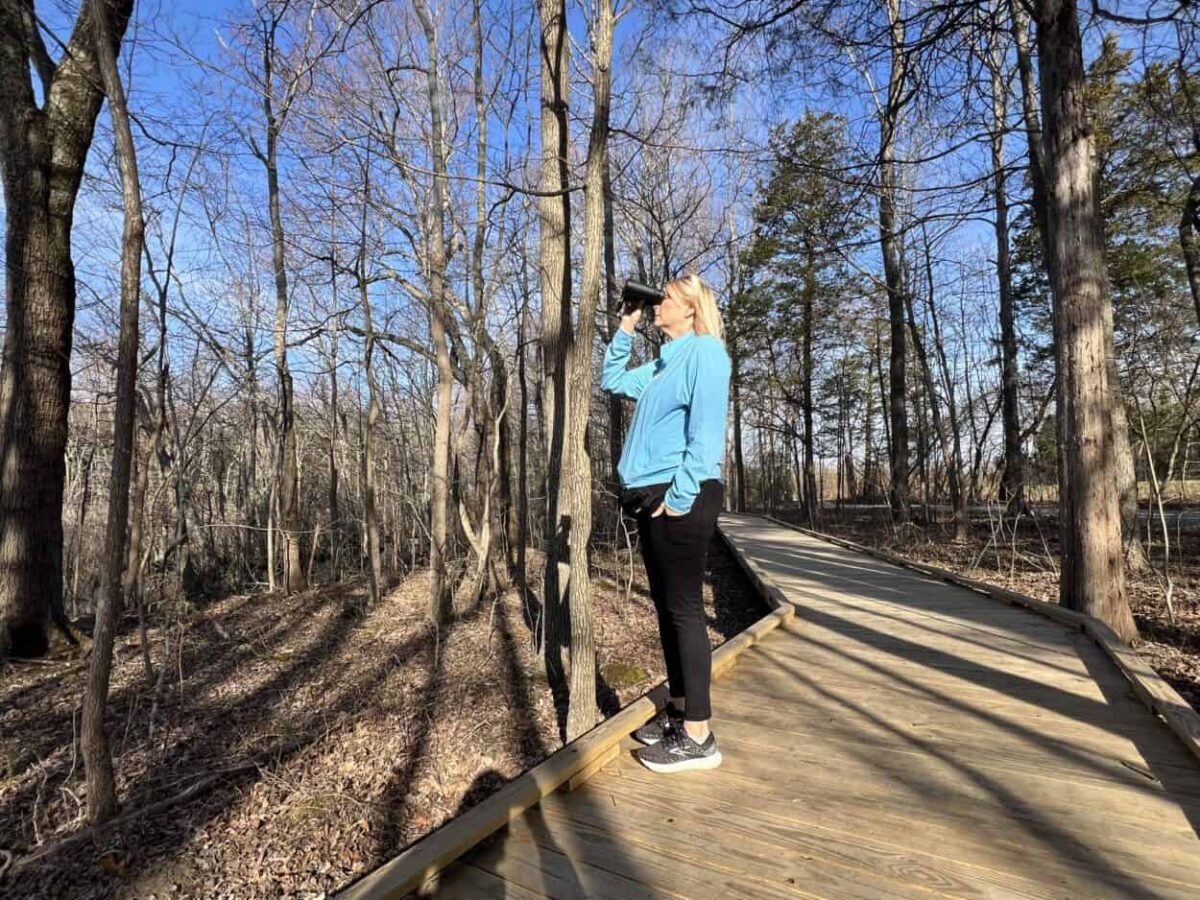
Birds are everywhere — from your window to your backyard to local parks. As you gain confidence, expand to forests, wetlands, and even add birdwatching to your travels.
If you’re looking for great places to practice your new bird‑ID skills, we’ve rounded up the best national parks for birding. These parks offer incredible habitats and high species diversity, perfect for beginners and seasoned birders alike.
Use Merlin Bird ID to help identify birds and track your sightings. Download it from the App Store or Google Play by searching “Merlin Bird ID.”
A decent pair of binoculars makes a big difference. Many birders prefer 8×42 or similar sizes for brightness and a wide field of view. Look for lightweight, waterproof options. You don’t need to spend a fortune to get started.
Learn a few common bird calls in your area, then slowly add new species. Wear neutral colors, move quietly, and avoid sudden motions to keep from spooking the birds. Early mornings are often the most active and vocal.
Visit a mix of habitats: forests, open fields, wetlands, and lakeshores. Places with multiple ecosystems, like Indiana Dunes National Park, can be especially productive.
Be patient. Birding often comes in spurts, and many birders describe it as a form of meditation. Add a feeder to your yard to bring birds closer and learn species over time.
Most importantly, enjoy the process and have fun.
Featured image credit: FrankFF via Deposit Photos