
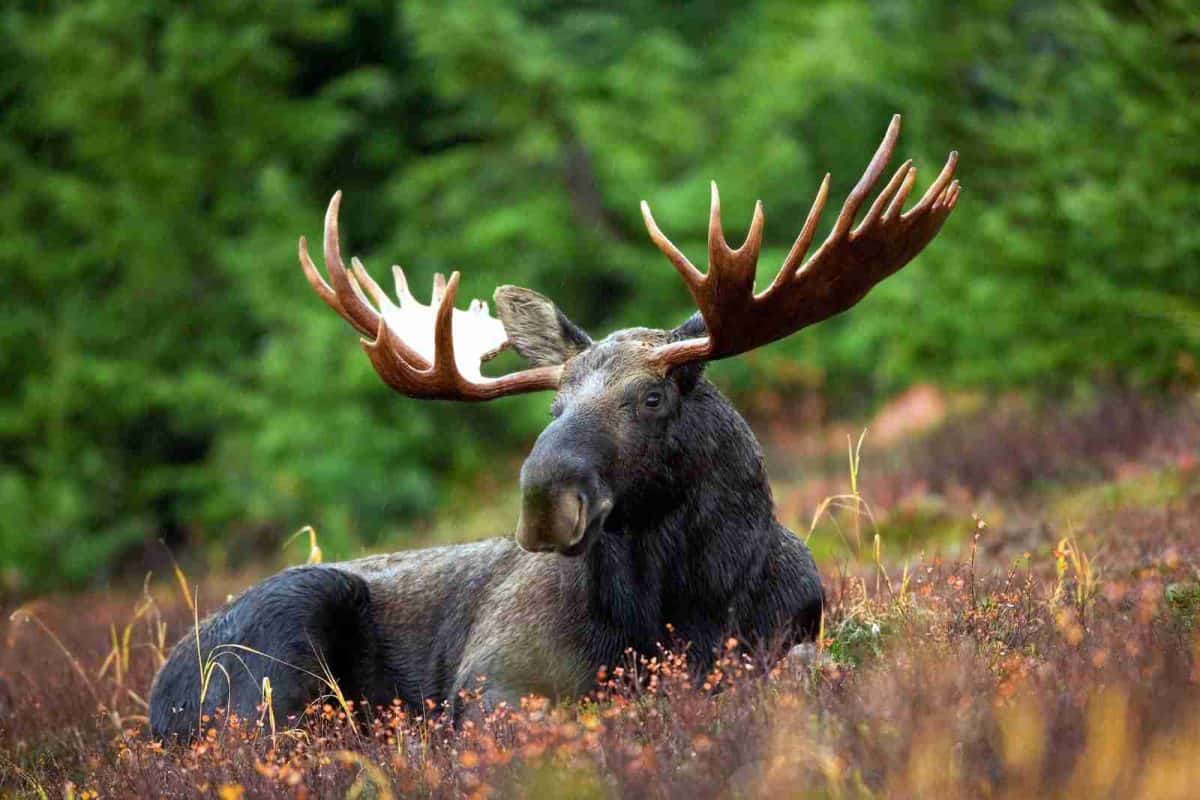
The Minnesota moose population decreased by 30% from last year. Meanwhile, Isle Royale National Park in Michigan experienced similar results, with a 28% drop. So, why do scientists in this region remain optimistic about moose conservation?
Disclosure: This post may contain affiliate links. If you make a purchase through one of these links, I may earn a small commission at no additional cost to you. Thanks for keeping Miles with McConkey going!
Current Population Status
The world’s moose population peaked around 1965 and has generally declined since. A-Z Animals estimates the current global moose population is 1.5 million.
While abundant in some parts of the world, moose populations are declining in many areas. Approximately 300,000 moose inhabit the United States.
Alaska harbors two-thirds of the entire United States moose population. About 1,800 Alaska moose roam throughout the famous Denali National Park and Preserve.
Maine houses 60,000 to 70,000 moose, more than any other state in the Lower 48. However, moose do not inhabit Acadia National Park, the crown jewel of the east coast national parks.
Although hunting and habitat degradation threaten their survival, climate change is the primary threat to moose in areas like Minnesota. Shorter winters and longer warm seasons lead to more significant risks of overheating, disease, tick infestation, and parasites.
Trending in Minnesota
The Minnesota Department of Natural Resources 2023 moose survey estimates 3,290 moose live there, a sharp drop from 4,700 in 2022. More alarming, Minnesota moose numbered approximately 8,000 in 2009. Numbers dwindled each year, dipping below 2,800 in 2013.
Although this year saw a decrease, the study reveals a clear trend. The moose population has relatively stabilized over the past decade, around 3,700.
More Than a Plaque
The National Park Service (NPS) recently announced that Voyageurs National Park Wildlife Biologist Dr. Steve Windels won the 2023 Distinguished Moose Biologist Award. The prestigious award recognizes an individual’s outstanding contribution to the understanding and management of moose.
Windels and his colleagues conduct a unique study utilizing modern technology. Voyageurs National Park houses 40 to 50 moose. Windels tracks and monitors 23 adults by using GPS collars. His analysis focuses on conservation and behavioral responses to climate change in the park. It will deliver valuable data for the world of moose conservation.
Massive Mammals
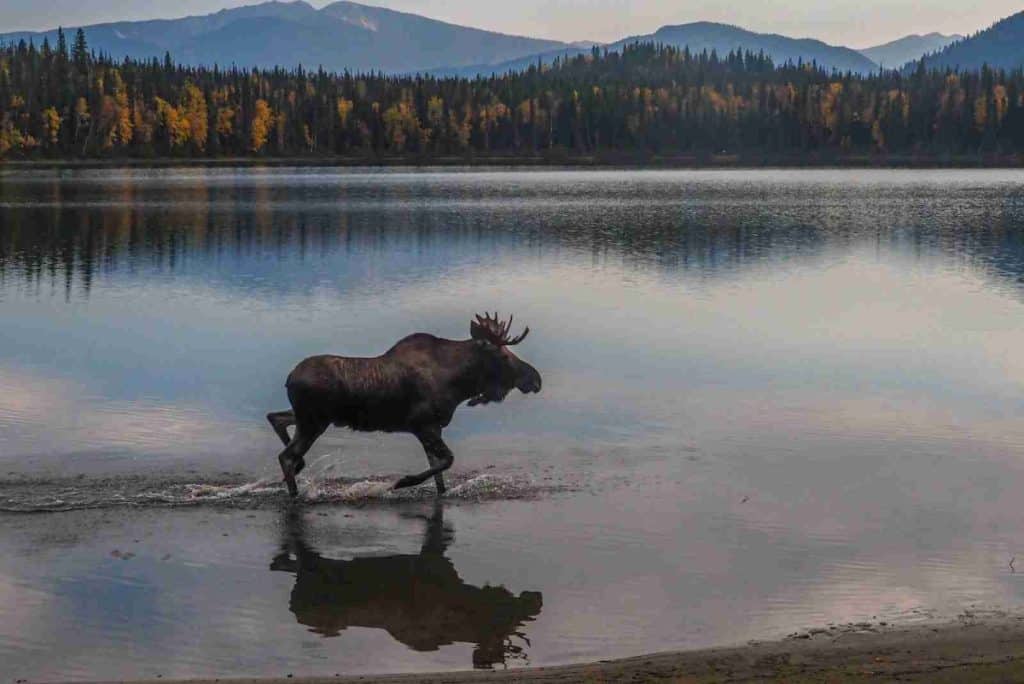
You may wonder what makes moose unique. Moose are the largest member of the deer family. From hoof to shoulder, they stand six feet tall on average. Females may surpass 1,000 pounds, while males grow antlers and can exceed 1,600 pounds.
The majestic animals don dark brown fur, a shoulder hump, and a flap of skin called a dewlap or bell hanging from the throat. Each hair is hollow, trapping air to provide insulation for warmth. The hollow hairs also help them stay afloat while swimming and eating aquatic plants.
Moose are best suited for cold climates and prefer forested areas with streams or ponds.
They can stay underwater for up to thirty seconds. On land, moose can run as fast as 35 miles per hour.
The Role of An Icon
More than icons of our northern regions and massive creatures to admire, moose play a vital role in the cold climate ecosystem. They are browsers, selectively eating certain species of woody and aquatic plants.
Accordingly, the giant herbivores keep specific plant populations under control and help shape forest stands. On the other end of the food chain, moose are a food source for predators like bears and wolves.
Conservation Efforts in Michigan
The NPS and Michigan Technological University collaborate at Isle Royale National Park in Michigan, the least-visited national park in the Lower 48.
Together they conduct a predator and prey study, focusing on relationships between beavers, moose, wolves, and vegetation. Researchers survey the moose population by air, ski, and snowshoe.
Due to the island’s remoteness, few species live there, giving scientists a unique opportunity to observe the dynamics between predator and prey closely. Now in its 65th year, it is the world’s longest consecutive predator and prey study.
Wolves are the island’s apex predator and the only animal moose need to fear. The most recent annual winter study, conducted from late January to early March this year, reveals the wolf population increased by three, while the moose count dropped by 379. Researchers estimate wolves are responsible for 10% of the decrease.
Starvation has been the leading cause of moose deaths in the park over the past year. Overbrowsing and tree infestations have led to a food shortage. Due to the inability to find sufficient fir twigs and foliage, moose have been stripping bark from mature trees and feeding on other tree species.
Scientists advise the decline is not unprecedented. The park’s moose population multiplied from 2010 to 2019 while the wolf population declined. As the wolf population has rebounded in the past few years, moose numbers have dropped.
Researchers discovered one particular area of concern with this year’s survey. They typically
find calves make up 13% of the moose population. This year it was an alarming 2%, the lowest ever for the study.
Optimism for the Future

Although moose populations are decreasing in particular areas, Minnesota and Michigan have a good reason for optimism. They have industry leaders in moose management. Windels is studying the impact of climate change in Voyageurs National Park, while Sarah Hoy, John Vucetich, and Rolf Peterson partner with the NPS in Isle Royale National Park to study the effects of increased predators and decreased vegetation. Their work is essential to ensure moose survive and future generations can marvel at the majestic mammals.
This article originally appeared on Media Decision.
Featured image credit: Shivam Kumar
More Articles from Miles with McConkey