Before I ever stepped foot in the North Cascades, I had a humbling moment at Saguaro National Park—where I confidently dropped a hard “G” in “Saguaro” more times than I care to admit. A fellow traveler finally corrected me, gently but visibly pained. It was funny, yes, but also a wake-up call.
This North Cascades National Park pronunciation guide is my way of paying that lesson forward. I’ve tried to be better ever since, and I hope this guide helps fellow adventurers speak with care, curiosity, and a little less accidental cringe.
Disclosure: This post may contain affiliate links. If you make a purchase through one of these links, I may earn a small commission at no additional cost to you. Thanks for keeping Miles with McConkey going!
Why Pronunciation Matters in North Cascades National Park
- Many names originate from Indigenous languages, particularly those of the Salish and Interior tribes.
- Mispronunciations are common—and often unintentional—but effort shows respect.
- Saying names correctly builds trust with locals and deepens your connection to the place.
- It helps you avoid awkward moments when asking for directions or chatting with fellow hikers.
North Cascades National Park Pronunciation Guide
The following names span North Cascades National Park and its surrounding areas—including places you’ll likely encounter while hiking, boating, or exploring nearby communities. Each entry includes phonetic help, location tips, and cultural or historical context. For easy reference, the list is organized alphabetically.
Cascade Pass (KAS-kayd pass)
- Where: Central North Cascades, accessed via the Cascade River Road near Marblemount.
- Why Visit: Alpine views, wildflowers, and a gateway to backcountry routes.
- Background: Named for the surrounding Cascade Range.
- Common Mistake: Rarely mispronounced, but sometimes confused with “Cascades Pass.”
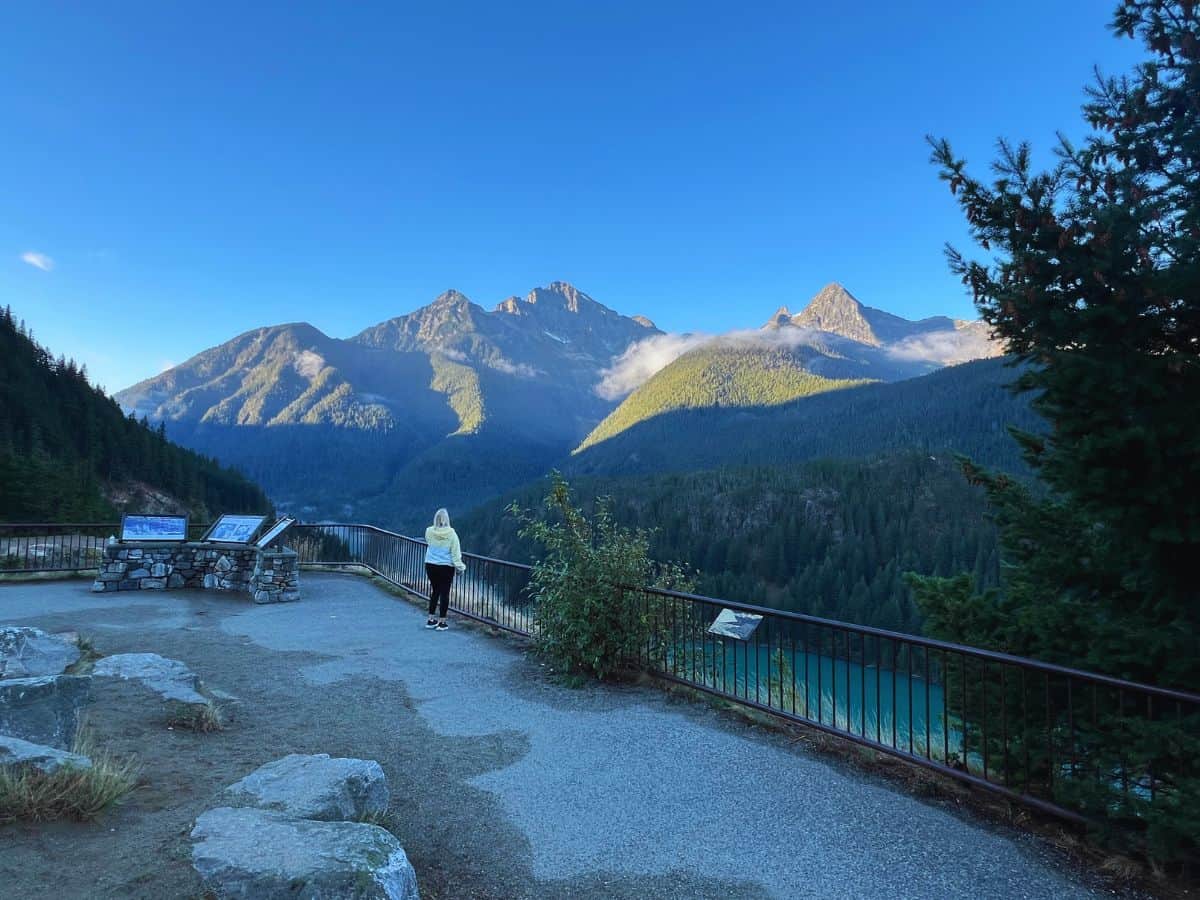
Diablo Lake (DYE-uh-bloh or DEE-uh-bloh)

- Where: Along Highway 20, east of Newhalem.
- Why Visit: Brilliant turquoise water, scenic overlooks, and paddling opportunities.
- Background: Named after the nearby Diablo Dam, part of the Skagit River Hydroelectric Project.
- Note: Occasionally pronounced “DEE-ah-bloh” with Spanish influence—while both versions are accepted, many locals and rangers prefer (DYE-uh-bloh).
Hozomeen (HOH-zuh-meen)
- Where: Northern tip of Ross Lake, near the Canadian border.
- Why Visit: Remote wilderness, dramatic peaks, and solitude.
- Background: Name of Salish origin, tied to the rugged mountain that dominates the skyline.
- Common Mistake: Sometimes mispronounced as “HOZE-uh-men”—but it’s (HOH-zuh-meen).
Lake Chelan (shuh-LAN)
- Where: Southern end of the park, accessed via the Lake Chelan National Recreation Area.
- Why Visit: Boating, hiking, and access to Stehekin.
- Background: From a Salish word meaning “deep water.”
- Common Mistake: Often mispronounced as “CHEE-lan”—but it’s (shuh-LAN).
Mazama (muh-ZAH-muh)
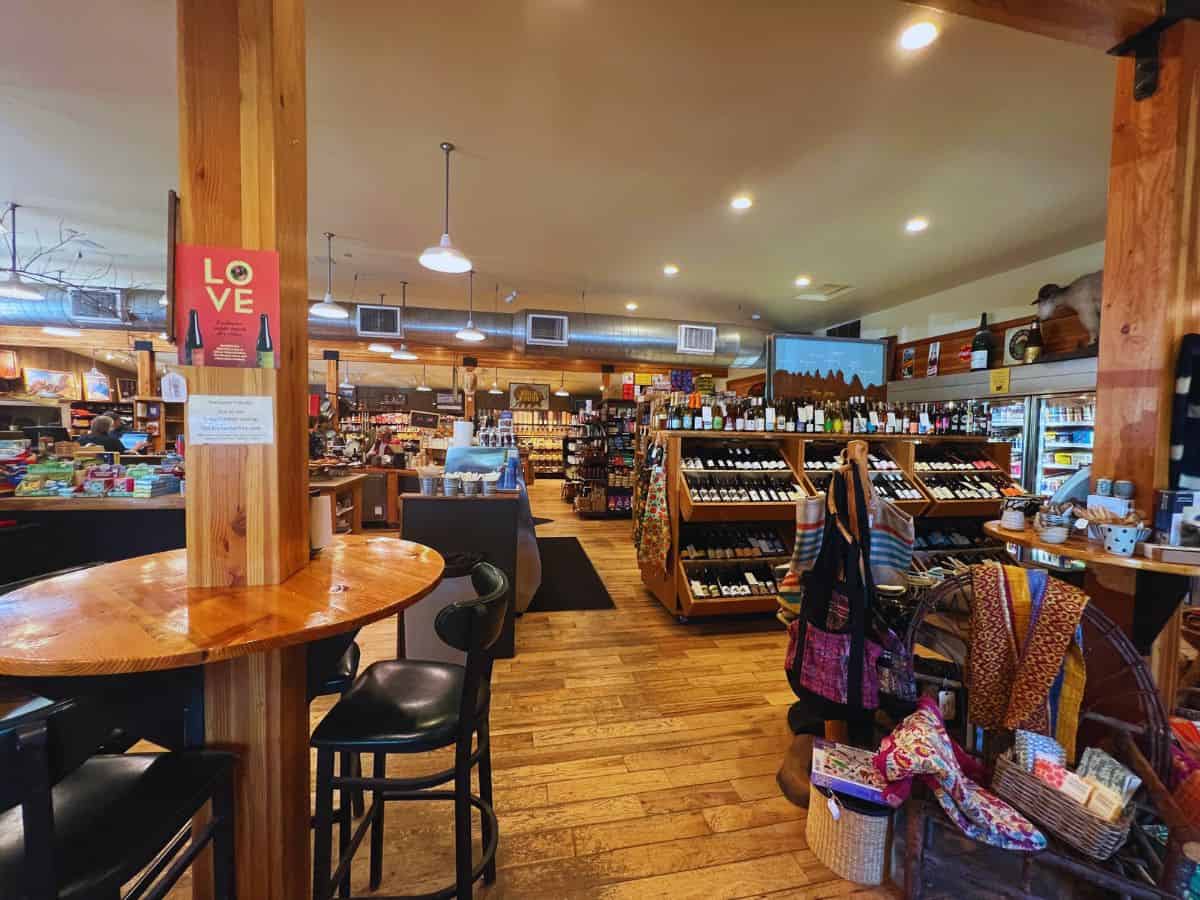
- Where: Eastern gateway town near Winthrop.
- Why Visit: Lodging, trailheads, and access to the Methow Valley.
- Background: Named after mountain goats (Mazama is a genus name).
- Common Mistake: The middle “a” is often mispronounced with a long “a” (as in “maze”) or an “aw” sound (as in “drama”). But locals use a soft, open “a”—think Alabama.
- Note: Don’t miss the Mazama Store—it’s a cozy hub for backpacking gear, trail snacks, and local provisions. Julie and I had some of the best pastries and coffee of our trip here.
Mesahchie Peak and Pass (meh-SAH-chee)
- Where: Near Mount Logan, deep in the park’s interior.
- Why Visit: Remote alpine terrain and technical climbing routes.
- Background: From a Chinook word meaning “wicked” or “bad”—a nod to the rugged terrain.
- Common Mistake: Often mispronounced as “meh-SATCH-ee”—but it’s (meh-SAH-chee).
Methow (METH-ow)
- Where: Eastern Washington, encompassing the Methow Valley, Methow River, and gateway towns like Winthrop and Mazama.
- Why Visit: Scenic drives, hiking, fly fishing, and access to the eastern edge of North Cascades National Park.
- Background: Named after the Methow people, a Salish-speaking tribe whose ancestral lands span the region.
- Common Mistake: Often mispronounced as “MEE-thow” or “meh-THOW”—but locals say (METH-ow), rhyming with “death cow.”
- Note: The Methow Valley is a cultural and recreational hub—don’t be surprised if you hear the name often while exploring trailheads, lodges, and local shops.
Mount Shuksan (SHUCK-sun)
- Where: Near Mount Baker, visible from Artist Point and Highway 542.
- Why Visit: One of the most photographed peaks in the Cascades.
- Background: From a Lummi word meaning “high peak.”
- Common Mistake: Occasionally mispronounced as “SHOOK-san”—but it’s (SHUCK-sun).
Newhalem (NEW-hay-lum)

- Where: Along Highway 20, near the Skagit River.
- Why Visit: Historic company town, visitor center, and trailheads.
- Background: Name of Salish origin, tied to the Skagit River valley.
- Common Mistake: Often mispronounced as “nu-HOW-lem”—but locals say (NEW-hay-lum).
Okanogan-Wenatchee National Forest (oh-kuh-NAH-gun / wen-ATCH-ee)
- Where: It surrounds much of the eastern edge of the park.
- Why Visit: Forest access, scenic drives, and dispersed camping.
- Background: Okanogan is from the Syilx (Okanagan) people; Wenatchee is from the Wenatchi tribe.
- Common Mistake: “Okanogan” is often mispronounced as “OH-kuh-NO-gan”—but it’s (oh-kuh-NAH-gun).
Sahale (suh-HAH-lee)
- Where: Sahale Arm and Sahale Glacier, near Cascade Pass.
- Why Visit: Iconic alpine hike with panoramic views.
- Background: From a Chinook word meaning “high place.”
- Common Mistake: Often mispronounced as “suh-HAIL”—but it’s (suh-HAH-lee).
Skagit River (SKA-jit)

- Where: Flows through the heart of the park and Ross Lake.
- Why Visit: Fishing, rafting, and scenic drives along Highway 20.
- Background: Named after the Skagit tribe, whose ancestral lands span the region.
- Common Mistake: Sometimes pronounced “SKA-git” or “SKAY-jit”—but it’s (SKA-jit).
- Note: Julie and I were blown away by the color—deep blue, almost surreal. We’ve seen blue lakes before, but never a river with such vivid, flowing blue water. It’s one of those sights that stays with you.
Stehekin (steh-HEE-kin)
- Where: Remote community at the head of Lake Chelan.
- Why Visit: Hiking, boating, bakery stops, and off-grid serenity.
- Background: From a Salish word meaning “the way through.”
- Common Mistake: Often mispronounced as “STEH-kin” or “STEH-hay-kin”—but it’s (steh-HEE-kin).
Stetattle Creek (steh-TAT-ul)
- Where: Near Newhalem, flowing into the Skagit River.
- Why Visit: Quiet forest trails and creekside views.
- Background: Likely of Salish origin, though exact roots are debated.
- Common Mistake: Sometimes mispronounced as “STET-uh-tull”—but it’s (steh-TAT-ul).
Winthrop (WIN-thruhp)
- Where: Eastern gateway town with Old West charm.
- Why Visit: Lodging, dining, and access to the Methow Valley.
- Background: Named after Theodore Winthrop, a 19th-century writer and explorer.
- Common Mistake: Rarely mispronounced, but sometimes said with a soft “th”—locals use a crisp (WIN-thruhp).
Planning Your Visit
Need help mapping your route or choosing where to stay? Check out our North Cascades National Park trip planning guide for practical tips, scenic routes, and reader-first advice.
Final Thoughts
Pronouncing place names in the North Cascades isn’t about getting every syllable perfect—it’s about showing up with curiosity, humility, and care. Whether you’re hiking to Sahale Glacier or catching the ferry to Stehekin, speaking thoughtfully helps you connect more deeply—with the land, the people, and the stories that shape them. If a name catches you off guard or sparks a conversation, lean into it. That’s part of traveling with intention.
Featured image credit: Miles with McConkey