
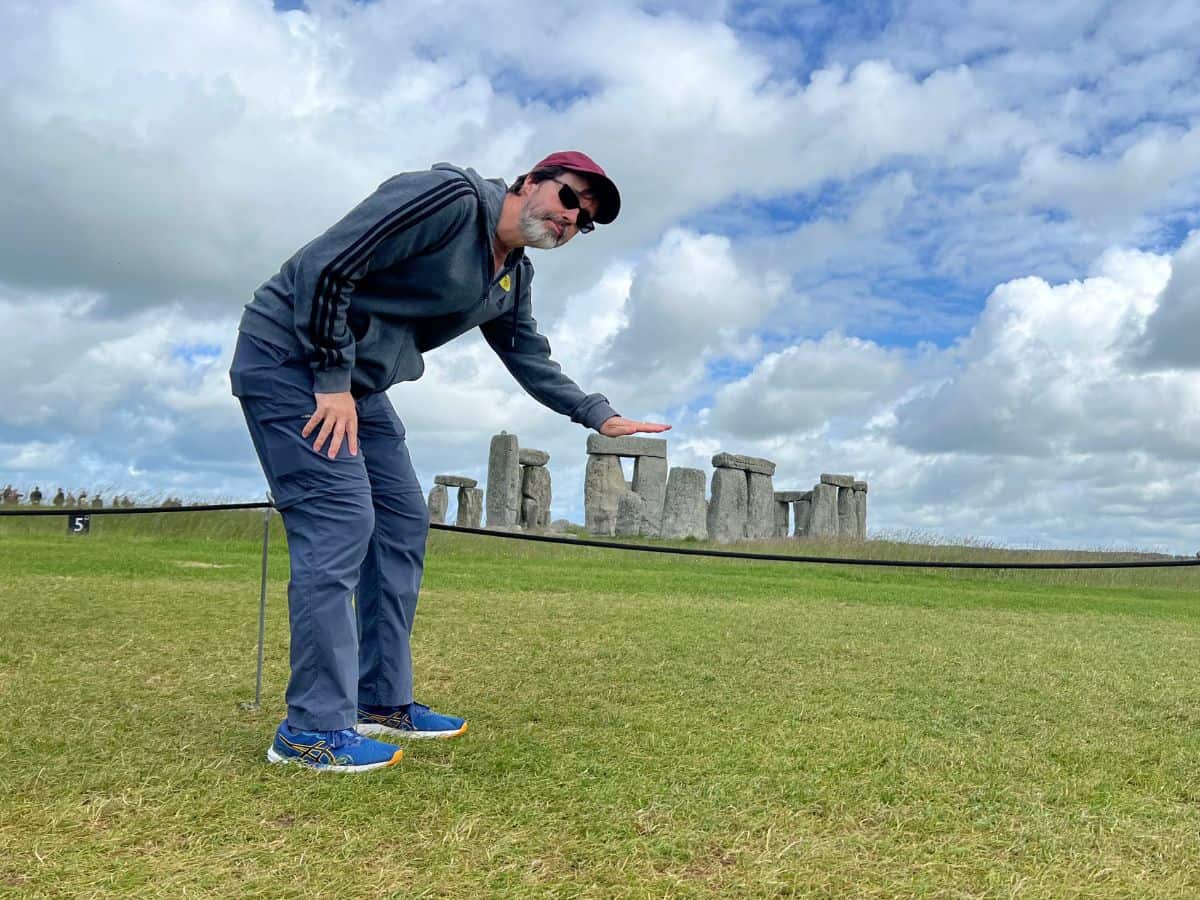
Stonehenge is one of the most iconic prehistoric monuments in the world—and for many travelers, it’s a bucket-list destination. But is it worth visiting? After experiencing it firsthand, I found myself torn. There’s no denying the historical significance and visual impact of the site, but the crowds, commercialization, and limited interaction left me wondering if the magic had faded. If you’re planning a trip, here are the pros and cons of visiting Stonehenge to help you decide.
Disclosure: This post may contain affiliate links. If you make a purchase through one of these links, I may earn a small commission at no additional cost to you. Thanks for keeping Miles with McConkey going!
✅ The Pros of Visiting Stonehenge

There’s a reason millions make the journey—these highlights help explain why.
1. A Monument Steeped in Mystery and History
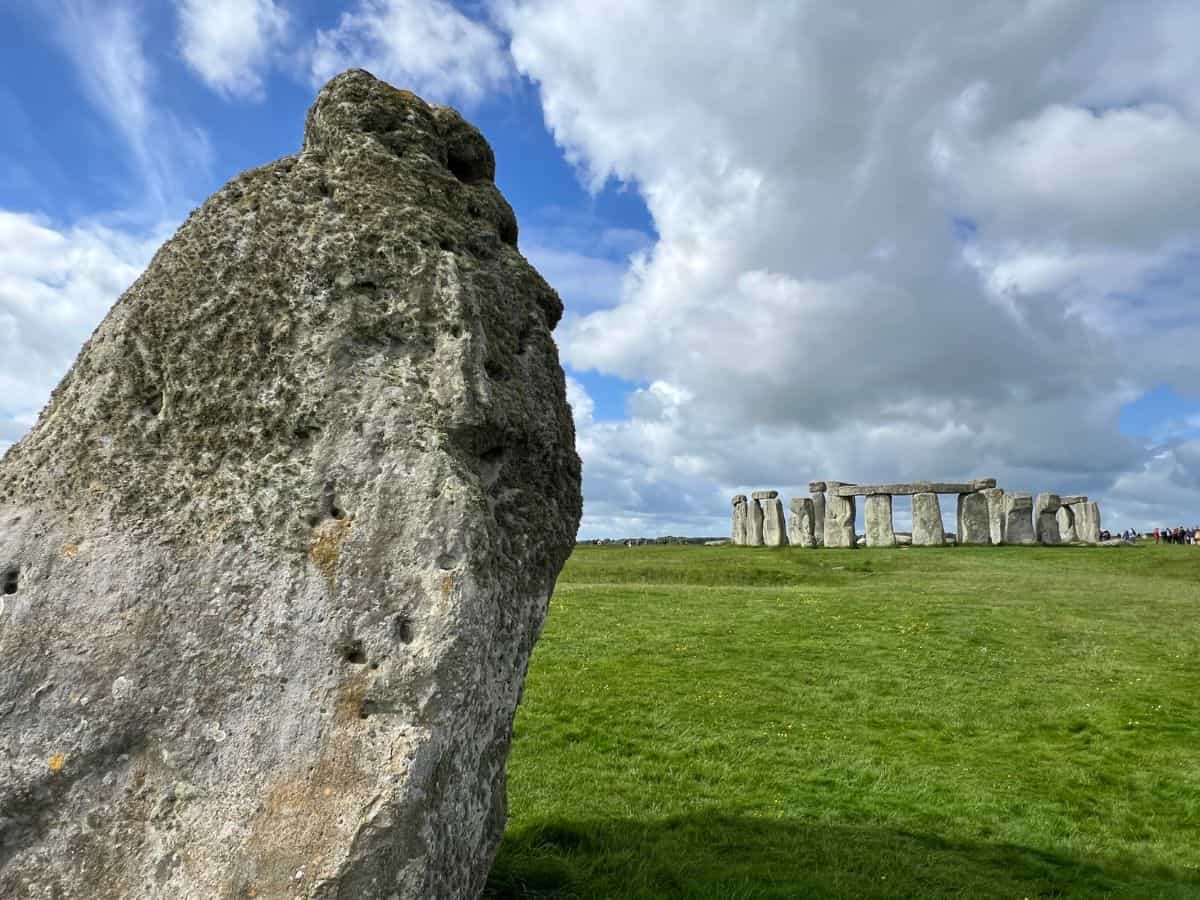
Stonehenge dates back over 4,000 years and remains one of the world’s greatest archaeological enigmas. Standing in its presence is a powerful reminder of human ingenuity and ancient ritual. The alignment with the solstices, the mystery of its construction, and its spiritual significance all contribute to its allure.
2. Striking Photo Opportunities
The stone circle is visually stunning, especially at sunrise or sunset. If you enjoy photography, you’ll find plenty of angles to capture something unique—even with the crowds. The surrounding landscape adds to the drama, especially when the skies cooperate.
3. A UNESCO World Heritage Site
Stonehenge is part of a protected landscape that includes burial mounds and ancient pathways. Visiting provides access to a broader historical context, extending beyond the stones.
4. Informative Visitor Center
The on-site museum and exhibits provide valuable background information, featuring artifacts, reconstructions, and interactive displays that bring the site’s history to life. Reconstructed Neolithic houses also add a nice touch, helping to paint a picture of life during the monument’s construction.
❌ The Cons of Visiting Stonehenge
Still, not every part of the experience hits the mark. Here are a few drawbacks to keep in mind.
1. It Can Be Crowded and Commercial
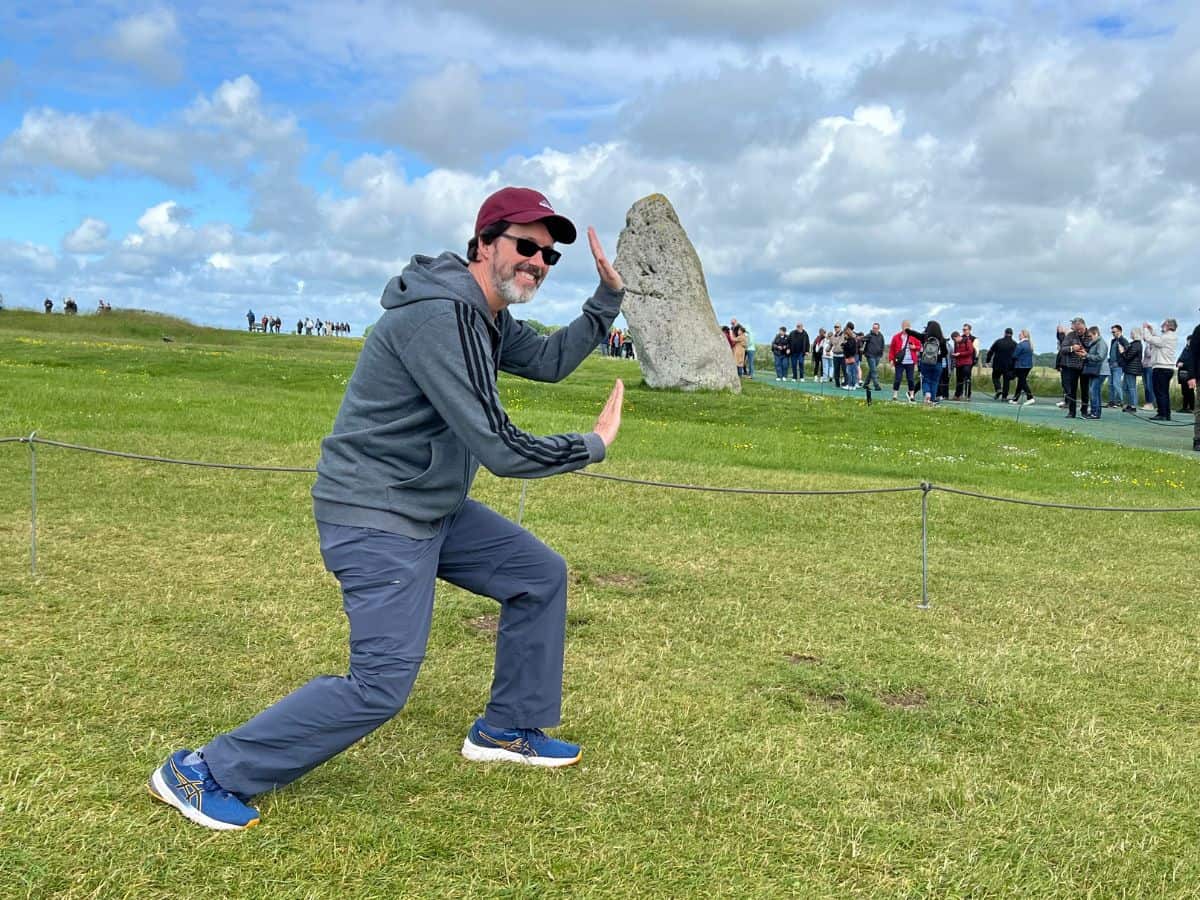
Despite its remote setting, Stonehenge draws large tour groups. We encountered multiple tour buses and thick crowds in the visitor center, restrooms, and café. The atmosphere felt more like a tourist attraction than a sacred site, especially during peak hours.
2. Limited Access to the Stones
Unless you book a special access tour, you can’t walk among the stones. Most visitors view them from a roped-off path, which can feel distant and impersonal. Expect to wait in line for a closer view, especially if you arrive during a busy time slot.
3. Not Much to Do Beyond the Stones
Once you’ve seen the circle and explored the visitor center, there’s not much else to occupy your time. For some, the experience feels brief and underwhelming—especially after a long journey to get there.
4. The Selfie Culture Can Undermine the Experience
While taking photos is part of the fun, the selfie-heavy atmosphere can detract from the site’s spiritual and historical weight. We noticed that some visitors were more focused on getting the perfect shot than appreciating the monument’s significance—or respecting the space and others around them.
Tips for a Better Visit
- Arrive early or late to avoid the biggest crowds. The quietest times are before 11 a.m. or after 2 p.m.
- Book tickets online in advance to save money and secure your preferred time slot.
- Consider the Stone Circle Experience. If you want to get closer to the stones, a Stonehenge Inner Circle and Windsor Day Trip Tour offers exclusive access before or after regular hours—without the crowds. It’s a rare chance to stand among the stones and experience the site in a more intimate, atmospheric setting. Book the tour here to learn more and check availability.
- Download the free Stonehenge Audio Guide app. Before your visit, download the Stonehenge Audio Guide by English Heritage on your smartphone. It’s available for both iOS and Android, offering tours in 13 languages that cover the stone circle, surrounding landscape, and visitor center exhibits. Bring headphones for the best experience, as handsets are not available on-site.
- Pack for unpredictable weather. The site is exposed, and the English weather can change quickly.
- Bring patience. Expect lines for the shuttle, restrooms, and café—especially during peak hours.
- Pair your visit with nearby sites like Avebury, Salisbury, or Old Sarum to round out your day.
Final Thoughts: Should You Visit Stonehenge?

Julie and I are glad we saw it. There’s something undeniably powerful about standing in front of a monument that has endured for millennia. But for us, it’s a one-off. The crowds, the commercialization, and the selfie culture made it difficult to fully connect with the site’s deeper meaning.
That said, I’ve always had a passion for exploring UNESCO World Heritage Sites—places that preserve the cultural and natural wonders of our world. Stonehenge checks that box, and I’m grateful to have experienced it firsthand. If you share that interest, you might enjoy this guide to other UNESCO World Heritage Sites worth visiting.
If you’re fascinated by ancient history or love ticking off world wonders, Stonehenge is worth seeing—at least once. But if you’re short on time or seeking a more immersive experience, you might find it underwhelming. Go with realistic expectations, and you’ll likely walk away with a few great photos, a deeper appreciation for the past—and maybe a little more patience than you arrived with.
Featured image credit: Miles with McConkey