
Travel for people with hearing loss is a topic that resonates with me personally. Hearing loss runs in my family, and I often struggle to catch every word on guided tours when background noise competes with the guide’s voice. That’s why this new ranking of accessible attractions caught my attention, especially since I’ve visited six of the top ten myself.
Disclosure: This post may contain affiliate links. If you make a purchase through one of these links, I may earn a small commission at no additional cost to you. Thanks for supporting Miles with McConkey.
According to a new accessibility report from hearing‑aid manufacturer ReSound, several of the country’s most visited cultural and historic attractions are making notable strides in supporting visitors with hearing loss. While the report highlights current accommodations, visitors should confirm accessibility offerings directly with each attraction before planning a trip.
ReSound’s experts reviewed 20 of the country’s most visited cultural and historic attractions, analyzing the number of accessible features each location offers to visitors with hearing loss. Each site was given a score out of 80 based on the range of accessibility measures available — the higher the score, the more inclusive the experience. With that in mind, here are ten U.S. attractions leading the way in accessibility for travelers with hearing loss.
1. Alcatraz Island — San Francisco, California
Score: 65/80
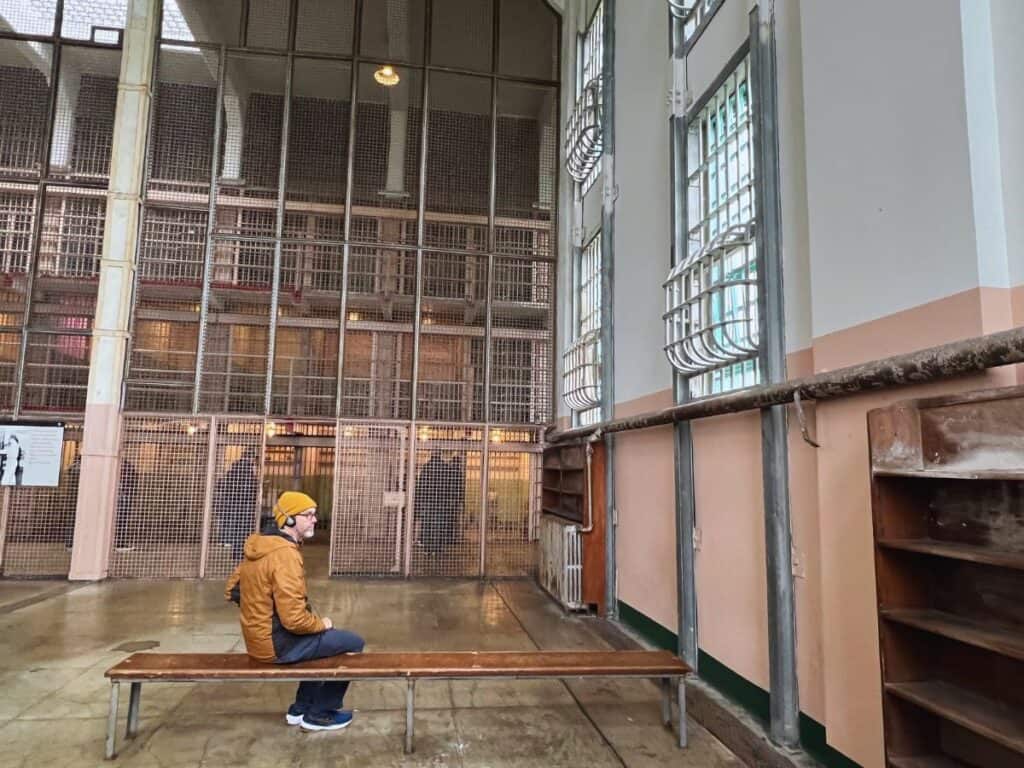
Alcatraz Island earned the top spot in ReSound’s accessibility report, thanks to its wide range of features designed to support visitors with hearing loss. The former federal prison, now a world‑class museum, offers sensory maps, American Sign Language (ASL) video tours, and designated quiet times and areas to help reduce background noise. These additions make it easier for visitors to fully engage with the island’s rich history.
On our visit, Julie and I found the self‑guided audio tour especially helpful. The headphones blocked out the echoing noise of the cold halls and empty cells, allowing me to focus on the commentary and immerse myself in the stories of Alcatraz. It was one of the most memorable aspects of the experience.
While this story focuses on hearing accessibility, it’s worth noting that Alcatraz also provides mobility support, including an electric shuttle (SEAT) for the steep climb from the dock to the prison, accessible restrooms, and ASL handheld devices for the cellhouse tour. Together, these features highlight why Alcatraz leads the way in accessibility.
👉 If you’re considering a trip, our Alcatraz travel guide covers everything you need to know.
2. The Metropolitan Museum of Art — New York City
Score: 63.9/80
Coming in second place in ReSound’s accessibility report, The Metropolitan Museum of Art offers one of the most inclusive experiences for visitors with hearing loss. The museum features sign language tours, induction hearing loops at ticketing and information desks, and assistive listening devices available for tours, programs, and events. Designated quiet areas also help reduce background noise, allowing visitors to enjoy the art at their own pace.
The Met provides free audio guide stops and transcripts online, closed captioning for virtual events, and real‑time captioning upon request for live programs. Visitors can also request sign language interpreters for museum programs with advance notice. These resources ensure that guests with hearing loss can fully engage with the museum’s vast collection of more than two million works.
Julie and I visited The Met a few years ago and absolutely loved it. Beyond the outstanding exhibits, we found the staff friendly and attentive, which made the experience even more welcoming.
3. The Art Institute of Chicago — Chicago, Illinois
Score: 57.8/80
Rounding out the top three in ReSound’s accessibility report, the Art Institute of Chicago offers a strong range of features for visitors with hearing loss. All auditoriums are equipped with assistive listening systems, including T‑coil compatibility, so hearing aid users can enjoy lectures and events comfortably. Captioning is available at most public lectures, and ASL‑interpreted talks can be requested with advance notice.
The museum also provides sensory maps to help visitors navigate the space, along with interactive tours presented in ASL. Assistive listening devices are available on request, and the museum’s free mobile app supports Bluetooth audio output for compatible hearing aids. Transcripts accompany most audio content, ensuring visitors can follow along at their own pace.
With one of the best impressionist collections outside of Paris and a wide range of modern works, the Art Institute combines world‑class art with thoughtful accessibility measures that make it easier for visitors with hearing loss to fully enjoy the experience.
4. 9/11 Memorial & Museum — New York City
Score: 53.9/80
The 9/11 Memorial & Museum offers a wide range of accommodations for visitors with hearing loss. Induction loops are installed throughout the museum wherever audio is used, transmitting sound directly to T‑coil compatible hearing aids and cochlear implants. Open captioning or transcripts accompany all exhibition media, ensuring that visitors can follow along with both video and audio installations.
An ASL video tour is available through the museum’s audio guide, sharing the events of 9/11 and its aftermath through personal stories. ASL interpretation can also be requested for guided tours and public programs with advance notice, and real‑time captioning is available for events. These resources make the museum’s powerful exhibits more accessible to visitors with hearing loss.
Julie and I visited the museum and found it deeply moving. From the outdoor reflecting pools to the indoor exhibits, the experience is immersive and sobering. The accessibility features ensure that visitors with hearing loss can engage fully with the history, making the memorial not only a place of remembrance but also one of inclusion.
5. Biltmore Estate — Asheville, North Carolina
Score: 42.2/80
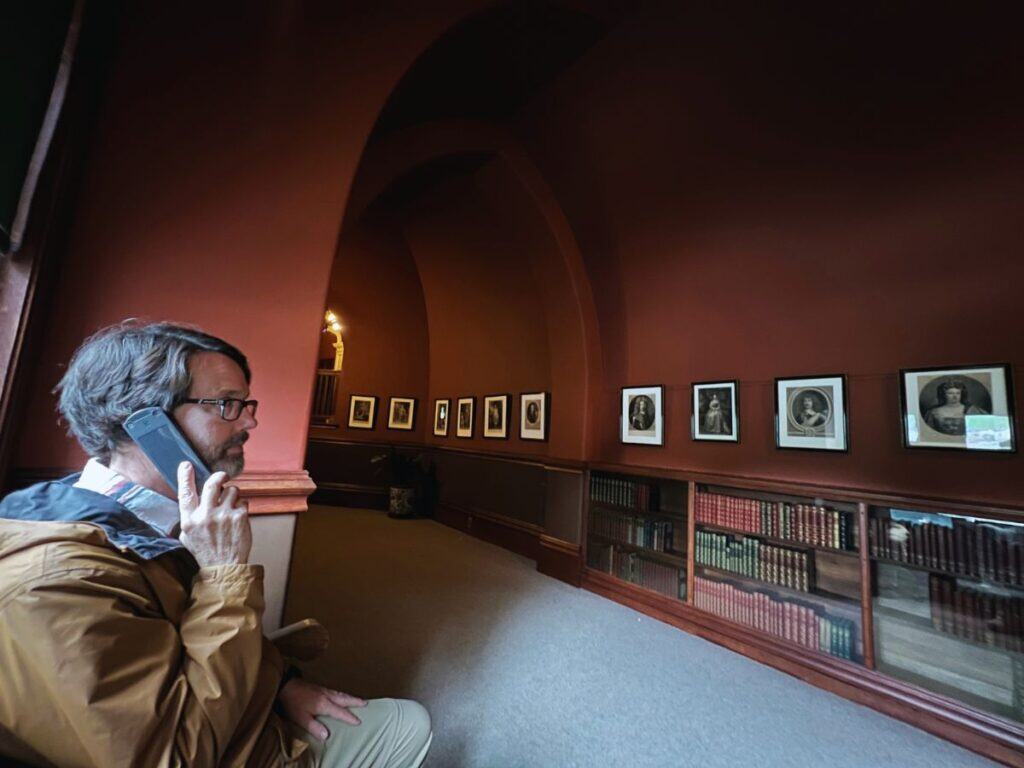
The Biltmore Estate offers a variety of accommodations for visitors with hearing loss. Guests can request a Neckloop Telecoil Coupler, printed transcripts of the audio guide, and tablets that present the audio guide in ASL. The 60‑minute audio tour is also available in multiple languages, allowing visitors to explore the mansion’s grand rooms with clear commentary free from background noise.
Julie and I toured both the mansion and the sprawling grounds, thoroughly enjoying the experience. Outdoors, the manicured gardens, towering trees, and sculptures create a stunning setting. Inside, the mansion’s sheer size and intricate detail are fascinating. With large crowds, noise often carries through the rooms, but the self‑guided audio tour made all the difference. Holding the handheld device to your ear blocks out distractions, letting you focus on the rich history and design. It was one of the most impressive audio tours we’ve experienced.
👉 For more tips on planning your visit, see our Biltmore escape travel guide.
6. Graceland — Memphis, Tennessee
Score: 40.6/80
Graceland, the iconic home of Elvis Presley, offers an iPad tour with captions for deaf and hard‑of‑hearing guests. Visitors may bring their own headphones with a standard jack or use sanitized headphones provided by the estate. Guests with other special needs are encouraged to call ahead to make arrangements.
While accessibility features are more limited here than at other attractions on the list, the captioned iPad tour paired with the option to use personal headphones helps ensure that visitors with hearing loss can still enjoy the music, history, and legacy preserved at Graceland.
7. National Museum of WWII Aviation — Colorado Springs, Colorado
Score: 40.0/80
The National Museum of World War II Aviation preserves and displays historic aircraft while telling the story of America’s role in World War II. While the museum earned a place in ReSound’s accessibility rankings, detailed information about accommodations for visitors with hearing loss is not published on its official site.
Visitors interested in accessibility services are encouraged to contact the museum directly before planning a visit. Even without specific hearing‑related details available online, the museum’s exhibits and aircraft collection provide a powerful look at aviation history and the people who shaped it.
8. American Museum of Natural History — New York City
Score: 40.0/80
The American Museum of Natural History offers a wide range of accommodations for visitors with hearing loss. Assistive listening devices are available in multiple theaters, including the Hayden Planetarium Space Show, Big Bang Theater, Invisible Worlds, and the LeFrak Giant Screen Theater. Several galleries and theaters also feature T-coil-compatible hearing loop systems, making it easier for hearing aid users to enjoy exhibits and presentations.
Captioning options are extensive: caption glasses are available in select theaters, closed captions can be accessed via QR code for certain immersive experiences, and all in‑gallery videos feature open captions. Tour guides use microphones and assistive listening devices for museum tours, and ASL‑interpreted tours are available by request with advance notice. Transcripts for major shows and films are also downloadable, ensuring visitors can follow along at their own pace.
With these resources, the museum provides one of the more comprehensive accessibility offerings among the attractions ranked, helping visitors with hearing loss fully engage with its vast collection and immersive experiences.
9. Statue of Liberty — New York City
Score: 36.7/80
The Statue of Liberty offers several accommodations for visitors with hearing loss. In the museum, guests can watch an open‑captioned film and explore interactive galleries with audio guides available in ASL. Printed versions of the self‑guided audio tour are also available, and the program includes historical accounts of the statue’s construction and design. Ranger‑led programs can be arranged with ASL interpretation upon request at least 2 weeks in advance. Emergency warnings and fire alarms throughout the site are equipped with strobe lights for added accessibility.
Julie and I visited the Statue of Liberty and found the experience unforgettable. The boat ride across the harbor, the chance to stand at the base of the statue, and the sweeping views from Liberty Island stirred something in my soul. Yes, it’s touristy, but it’s also iconic — a place I believe every American should see at least once. The accessibility features ensure that visitors with hearing loss can share in that experience and connect with the history and symbolism of Lady Liberty.
10. Mount Rushmore — Keystone, South Dakota
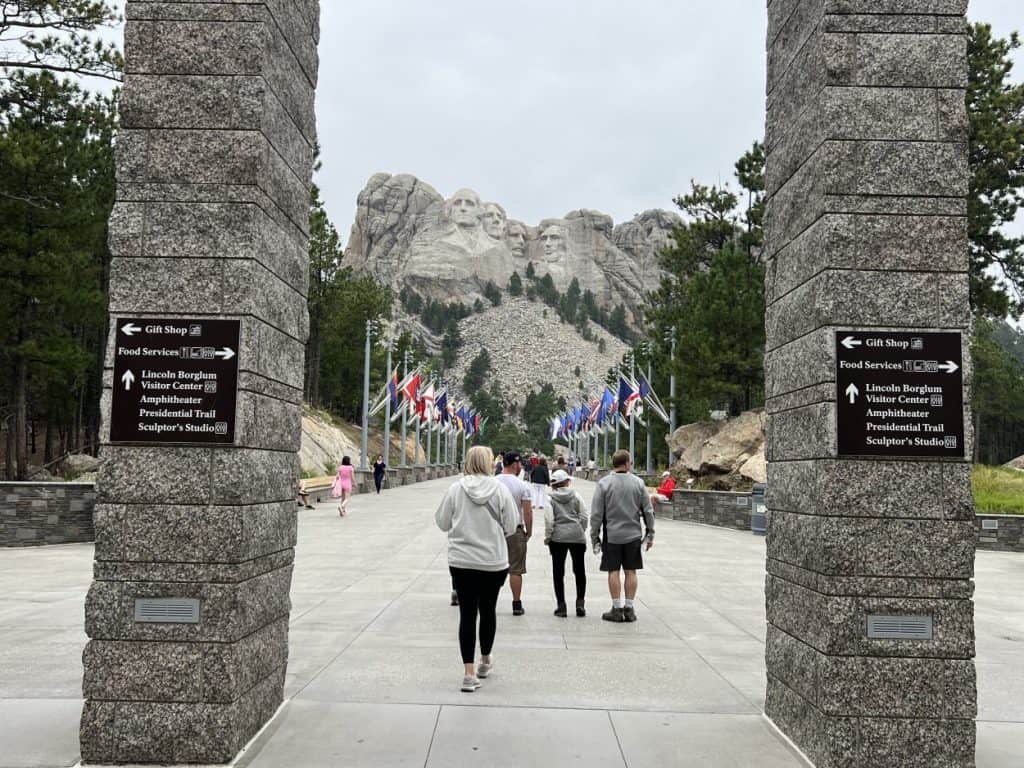
Score: 35.0/80
The Mount Rushmore National Memorial provides several accommodations for visitors with hearing loss. ASL interpretation is available free of charge for guided programs if requested at least 14 days in advance. Closed captions are provided in English for all videos shown at the Lincoln Borglum Visitor Center and during the Evening Lighting Ceremony.
The site also offers accessibility features beyond hearing support. Visitors can request Braille brochures at the Information Center or Visitor Center, and an audio‑described version of the brochure is available through the free UniDescription app. These resources ensure that guests with different needs can engage more fully with the monument’s history and meaning.
Julie and I visited and embraced the site’s history, savoring the experience despite its mixed reputation. Some travelers find it overrated, while others are moved by the scale and symbolism. For us, standing before the monument was memorable and meaningful.
👉 For more tips on planning your visit, see our Mount Rushmore travel guide.
Closing Thoughts
Exploring America’s most popular attractions through the lens of hearing accessibility reveals both progress and gaps. Some destinations publish extensive resources, while others list only limited details. The ReSound study is a helpful starting point, but accessibility varies, and the best way to plan ahead is to review official resources and contact sites directly.
All of these attractions have a reputation for accommodating guests with sufficient notice, so reaching out before your visit ensures you’ll know what to expect and can enjoy the experience more fully. Travel connects us to history, culture, and shared national stories — and each step toward accessibility makes those connections more inclusive for everyone.
Featured image credit: Miles with McConkey