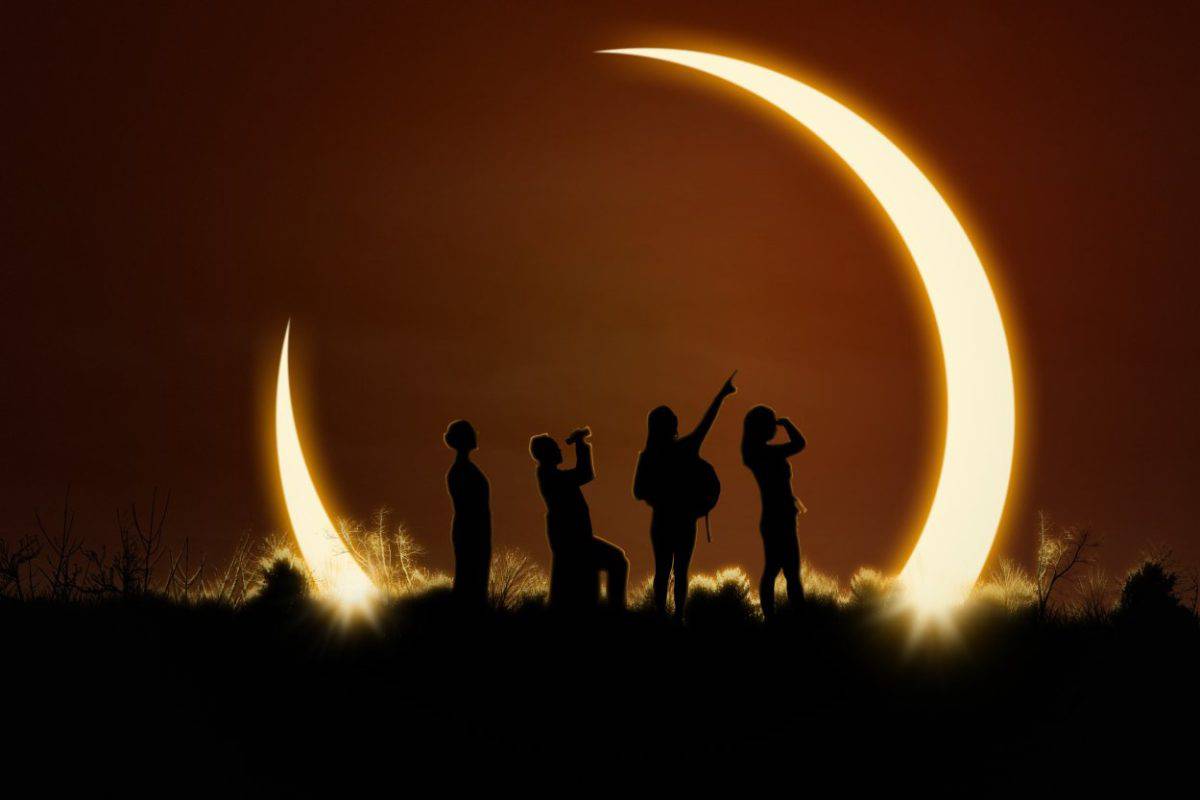
2024 brought us the universe—and we didn’t even have to leave our yard.
We always knew the total solar eclipse would be a major event. Stargazers and road-trippers were mapping out routes and hotel bookings months in advance. But we couldn’t have predicted just how magical the year would become. In one surreal calendar stretch, we witnessed a meteor shower, the northern lights, and the total solar eclipse—all from home.
The eclipse was the crown jewel, and we shared it with our youngest daughter. As the sky dimmed and time seemed to pause, we stood together in our backyard, awestruck. That eerie hush, the sudden chill, the chorus of silence from birds and insects—it all gave us goosebumps then and still does now.
Here’s a look back at the science, the spectacle, and the rare privilege of having a front-row seat when the sky put on its best show.
Disclosure: This post may contain affiliate links. If you make a purchase through one of these links, I may earn a small commission at no additional cost to you. Thanks for keeping Miles with McConkey going!
What Made the 2024 Total Solar Eclipse So Special
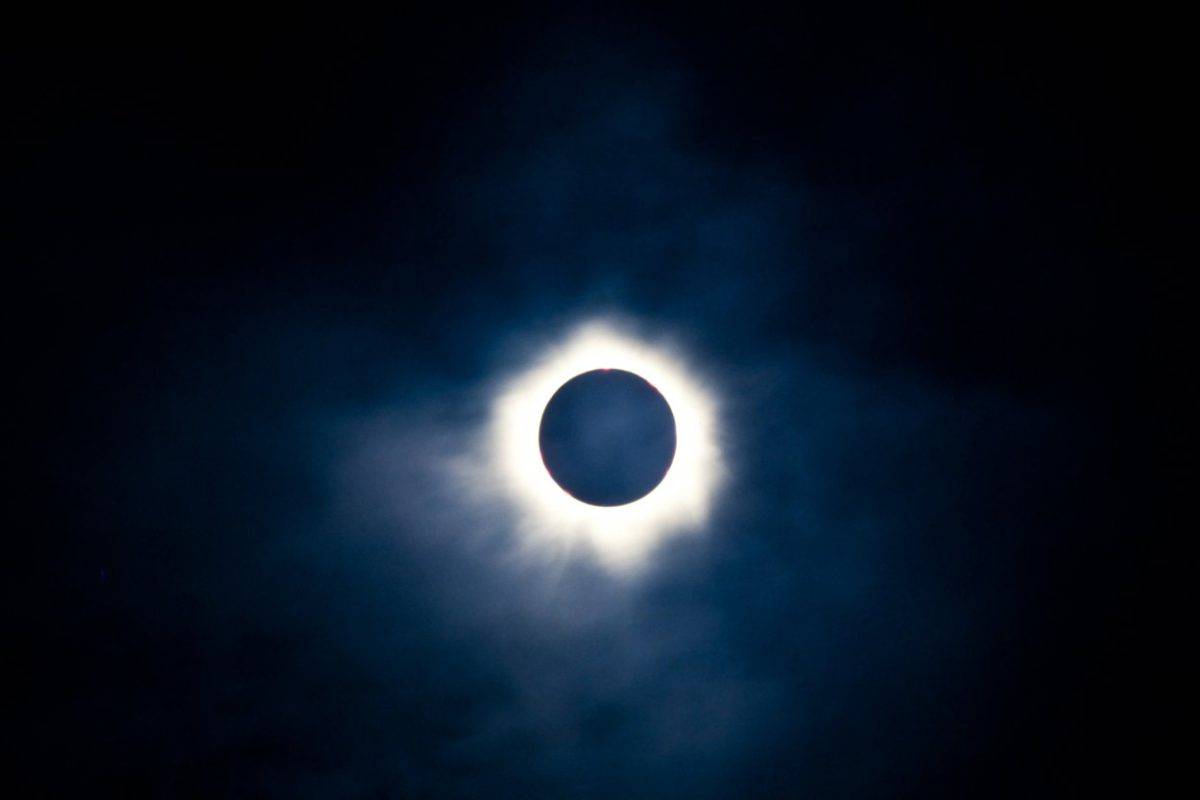
A total solar eclipse occurs when the Moon passes directly between Earth and the Sun, blocking the Sun’s bright face and revealing the ethereal glow of the solar corona. The result? A few mesmerizing minutes of daytime darkness that feels more like a science-fiction moment than a natural event.
Although some regions experienced a partial eclipse, you had to be within the path of totality—a narrow 115-mile-wide track across the U.S.—to see the full drama unfold. That path cut a diagonal line from Texas to Maine, placing millions of Americans in prime viewing territory.
And we were one of the lucky ones.
Eclipse Across America: Where It Happened

In hindsight, 2024 wasn’t just a year of big skies—it was a year of big crowds. Towns along the path of totality became pop-up astronomy festivals, welcoming travelers from across the world. Here’s how the eclipse made its way across the U.S., leaving trails of wonder and traffic jams in its wake:
Texas
From San Antonio to Dallas to Waco, Texans saw some of the longest durations of totality—nearly four minutes for those near the centerline.
Arkansas & Missouri
National forests and parks, such as Hot Springs and Mark Twain, provided epic natural backdrops. Cape Girardeau, Missouri, and Conway, Arkansas, were hotspots.
Illinois to Indiana
Carbondale once again wore its “eclipse capital” crown. Cities like Bloomington and Indianapolis were perfectly placed.
Ohio
Our home turf. Cleveland, Akron, and even parts of Columbus sat comfortably inside the path. And for those craving nature, Cuyahoga Valley National Park offered a historic and tranquil viewing experience.
New York to Maine

Buffalo, Rochester, and even Niagara Falls were treated to celestial drama. In Maine, small towns like Presque Isle got nearly 3 minutes of totality—beneath clear skies, if they were lucky.
Many viewers traveled hundreds of miles for a few minutes of wonder. We were lucky—we just stepped outside.
What It Felt Like
If you’ve never seen a total solar eclipse, it’s hard to describe. Shadows change. Birds go quiet. The temperature plummets. The sky turns a dusky blue and the wind stills. Then… the Sun becomes a glowing black disc, ringed with fire.
And then, just like that, it’s gone.
Sharing that eerie, exhilarating moment with our daughter—hearing her gasp as twilight blanketed the yard—was a memory we’ll keep long after the next eclipse passes.
A Quick Word on Safety (Even After the Fact)
While it’s safe to look at the Sun only during full totality, solar glasses are a must for every other phase of an eclipse. In 2024, eclipse glasses were like gold, and we’re glad we had them—if only to enjoy those partial phases in peace (and without risking our vision).
What’s Next in the Sky?
The next total solar eclipse visible from the Lower 48 won’t occur until 2044. Until then, we’ve got meteor showers, planets in opposition, and the occasional northern light surprise to keep our eyes on the skies.
But 2024? That was a year for the books.
Featured image credit: realinemedia via Deposit Photos