
During the first week of the 2025 government shutdown, we visited Yellowstone and Grand Teton National Parks. We expected disruption: closed gates, overflowing trash bins, and a skeleton crew. What we found instead was a more complex and surprisingly hopeful reality. These parks, and the people who care for them, proved more resilient than we imagined.
Disclosure: This post may contain affiliate links. If you make a purchase through one of these links, I may earn a small commission at no additional cost to you. Thanks for keeping Miles with McConkey going!
We had braced for disappointment. News coverage leading up to our trip painted a grim picture: shuttered visitor centers, unpaid rangers, and parks left to fend for themselves. But on the ground, the reality was more layered. While the shutdown created real strain, it also revealed the dedication of park staff and the adaptability of these iconic public spaces.
Here’s what we saw, what surprised us, and what travelers should know before heading into the parks during a shutdown.
Crowds Stayed Strong Despite the Shutdown
Despite the shutdown, both parks were bustling. I spoke with rangers, lodge employees, restaurant staff, and locals. All confirmed that crowd levels were typical for early October. The visitor experience, at least on the surface, felt familiar. Families posed for photos at scenic overlooks, wildlife watchers lined the roads with binoculars, and hikers filled popular trails.
This was not a ghost town. It was business as usual — almost.
Most Closures Were Seasonal, Not Shutdown-Related
We did encounter some closures, but most were tied to seasonal transitions or weather. Snow temporarily blocked access to parts of Yellowstone, including the road to Lamar Valley. By the next day, word spread that the route had reopened. The snowy conditions in early October were brief, but rangers acted quickly to protect visitors. Their responsiveness, even with reduced staffing, was reassuring.
Road closures throughout the parks were clearly marked and weather-related. Rangers shut down routes that posed safety risks, and signage was easy to follow. We appreciated the proactive approach, especially given the strain on staff.
Visitor center operations varied. Most closures aligned with typical fall procedures, but the Craig Thomas Discovery and Visitor Center in Grand Teton stood out. The store remained open, staffed by the Grand Teton Association. However, the visitor and education center was closed. Based on what we learned, this was not a seasonal adjustment. It was a direct result of limited staffing caused by the shutdown, one of the few clear signs of political disruption during our visit.
Rangers Were Present and Under Pressure
We were surprised to see rangers actively patrolling trails, roads, and wildlife corridors throughout our visit. In Yellowstone, entrance stations were staffed, although no fees were collected. In Grand Teton, the stations were unmanned. Despite reduced staffing, rangers remained committed to protecting the parks and assisting visitors.
Their presence was reassuring, but the tension was hard to miss. Rangers were visibly agitated and clearly under pressure. They answered questions, managed crowds, and hustled through their tasks, but the strain showed on their faces. When I asked a few about the shutdown, they declined to comment. It was apparent they had thoughts they chose not to share.
One ranger near Old Faithful looked exhausted. She had been covering extra shifts and fielding questions from confused guests. Still, she took time to answer ours with patience and professionalism. That kind of dedication deserves recognition.
These public servants were doing more with less, and it showed. Their restraint, focus, and commitment to the parks spoke volumes, even when words were withheld.
Facilities Held Up, But Strain Was Visible
Most essential services were still operating. Restrooms remained open, though some were clearly overdue for cleaning by the end of the week. Trash bins near popular trailheads were occasionally full, but the majority were still usable. Medical clinics were staffed, and wildlife management teams actively patrolled roads like Moose-Wilson to protect both animals and visitors.
While the parks weren’t spotless, they were far from neglected. The signs of strain were subtle but noticeable. A few overflowing bins, restrooms that needed attention, and staff stretched thin all pointed to the pressure behind the scenes. Still, the fact that these facilities remained accessible throughout our visit was a testament to the effort and care that continued despite the shutdown.
Weather, Health, and Tourist Behavior Were the Real Challenges
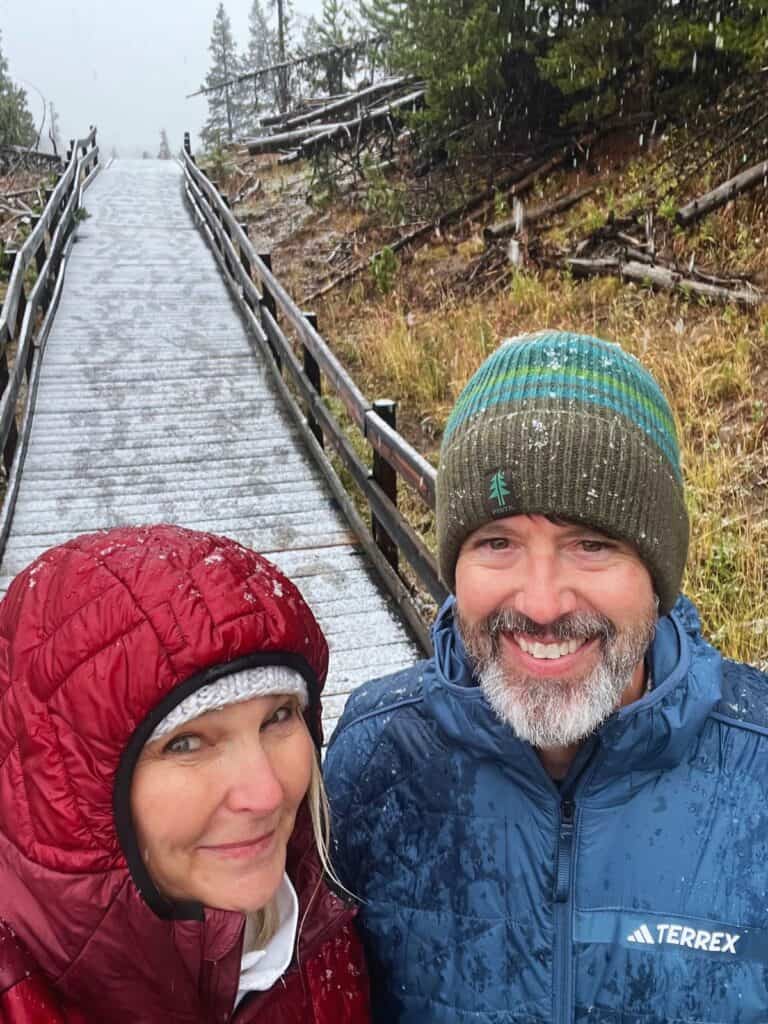
Fog, rain, and snow added to the complexity of our trip. Julie joked that we experienced all four seasons in two days, and honestly, it felt true. So did our own health limitations. At one point, we left Yellowstone in search of an urgent care facility, assuming the park’s medical clinic would be closed due to the shutdown. News coverage had painted such a bleak picture that we didn’t expect basic services to be available. Later that day, we learned the clinic had remained open. Although we lost some exploration time, it was reassuring to know that medical support was still in place for guests who needed it.
Beyond the weather and health concerns, the most disheartening challenge came from fellow visitors who treated the parks as personal photo shoot backdrops. We watched tourists block entire overlooks for extended photo sessions, ignoring the fact that others had traveled long distances to enjoy the same views. When tourism becomes more about performance than appreciation, we all lose something.
Shutdown Impacts Vary by Park
A contact from the Sequoia Parks Conservancy shared updates on Sequoia and Kings Canyon, where entrance stations were closed, ranger programs suspended, and emergency services extremely limited. Their advice was clear: recreate responsibly, pack out trash, and support the few staff still on duty.
This contrast reinforced a key point. Each park adapts differently, and conditions may continue to evolve. What we experienced in Yellowstone and Grand Teton may not reflect what others are seeing elsewhere.
Shutdowns, Selfies, and the Public Good

Our trip revealed more than scenic views. It exposed the tension between public service and political dysfunction. Park staff showed up, even when the system did not. Visitors had a role to play as well. Some rose to the occasion, while others did not.
If we want these places to endure, we must treat them with respect, including how we treat each other. That means supporting the people who protect them, following Leave No Trace principles, and remembering that national parks are not just backdrops for social media. They are shared treasures, and they deserve better than shutdowns and selfies.
We will be sharing more from both parks in the coming weeks, with scenic drives, wildlife tips, and fall travel insights from the Tetons to Yellowstone’s geothermal heart.
Ready to plan your own national park adventure? Explore our national park planning page for tips and resources.
Featured image credit: Miles with McConkey