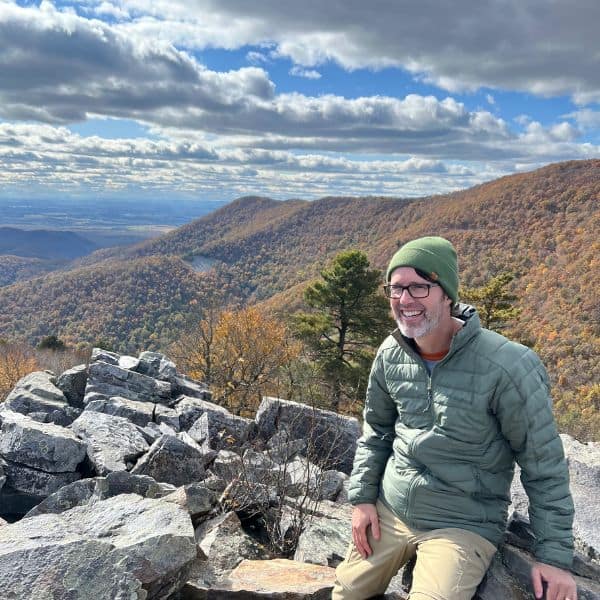

As the United States prepares to celebrate its 250th birthday, I’ve found myself thinking more deeply about the places that shaped our story. The landscapes, cities, and monuments we often pass by without a second thought are suddenly full of meaning.
That sense of curiosity has only grown with the release of Ken Burns’ new PBS documentary The American Revolution. It’s a powerful reminder that the stories we tell about our country are still evolving, and that some of the most meaningful ways to engage with them happen on the road.
If you’re planning American Revolution travel in 2026, this is an opportunity to go beyond textbooks and timelines. It’s a chance to walk the same streets, stand in the same landscapes, and reflect on the legacy that continues to shape our country.
Disclosure: This post may contain affiliate links. If you make a purchase through one of these links, I may earn a small commission at no additional cost to you. Thanks for supporting Miles with McConkey.
Ken Burns’ The American Revolution Sparks a Travel Wave
Premiering on PBS in November 2025, Ken Burns’ six-part documentary The American Revolution reexamines the founding of the United States through a modern lens. It highlights lesser-known voices — including women, enslaved people, and Indigenous leaders — and invites viewers to rethink what they know about the war for independence.
You can learn more about the series on PBS or stream episodes via the PBS App. For many of us, it’s not just a history lesson. It’s a call to explore the places where those stories unfolded. Whether you’re drawn to Revolutionary landmarks, presidential legacies, or the landscapes that shaped policy, this series offers a compelling reason to travel with purpose in 2026.
Medora, North Dakota: Roosevelt’s Legacy and the Western Frontier

If you’re looking for a quieter, more scenic way to connect with American history, consider heading west. The small town of Medora is home to the future Theodore Roosevelt Presidential Library, set to open in 2026. It’s also the gateway to Theodore Roosevelt National Park’s South Unit, a rugged landscape of badlands, bison, and wide-open skies.
This is where Roosevelt’s conservation legacy took root. The park offers a chance to learn about his impact on public lands and the role bison played in shaping both the ecosystem and the American frontier.
Julie and I believe this is one of the most underrated national parks in the country. If you enjoy scenic drives, wildlife encounters, and hikes with rewarding views, this park is a must-visit. As a bonus, it’s far less crowded than many of its more iconic counterparts.
💡 Planning Tip
Visit in late spring or early fall for cooler temps and fewer crowds. The library’s opening is likely to coincide with America250 events, so keep an eye on the announcements.
Boston, Massachusetts: Walking Through Revolution
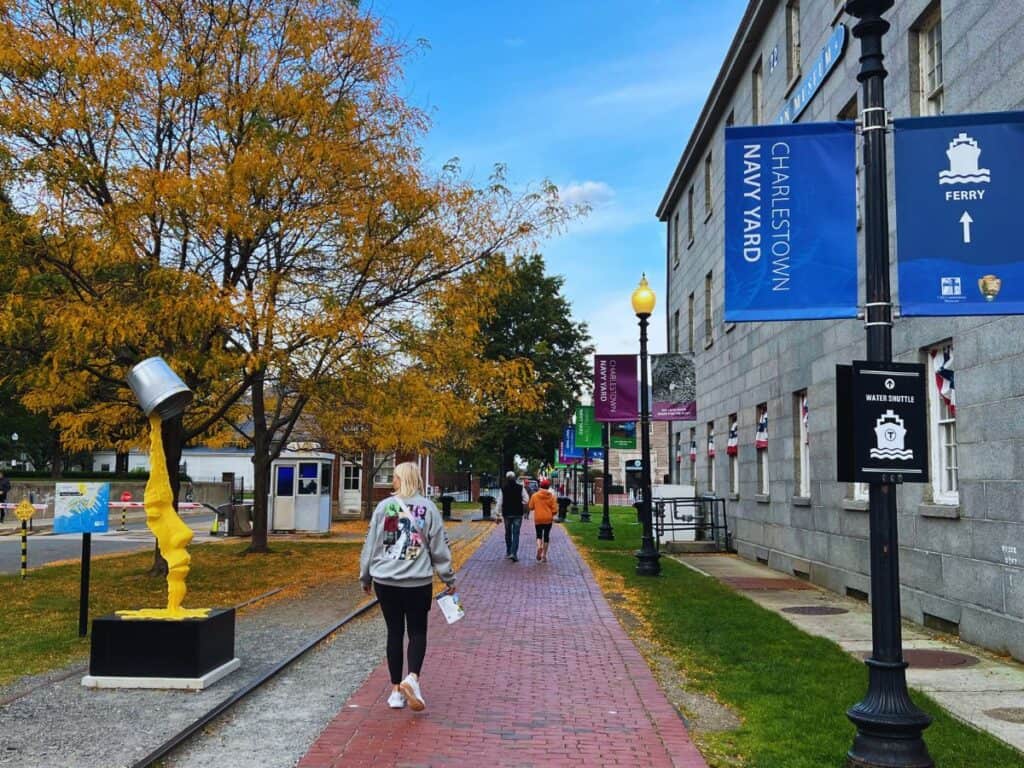
Boston remains one of the most iconic destinations of the Revolutionary War. Walking the Freedom Trail takes you past historic meeting houses, burial grounds, and the site of the Boston Massacre. It’s a walkable way to engage with the events that sparked independence.
Julie and I explored the trail in the fall and found it to be a powerful blend of history, architecture, and seasonal beauty. One of our favorite moments was approaching the Soldiers and Sailors Monument in Boston Common, where the past feels close and personal.
💡 Planning Tip
Download a Freedom Trail map or app before you go. Many sites offer free entry or suggested donations, making this a budget-friendly way to explore.
Washington, DC: Monuments, Museums, and Meaning

The nation’s capital is preparing for major commemorations in 2026. From the Lincoln Memorial to the Smithsonian museums, Washington, DC, offers a wide range of free and accessible ways to connect with American history.
We’ve visited during the National Cherry Blossom Festival and found the city vibrant and reflective. The monuments and memorials along the National Mall are especially moving during early morning or twilight hours.
One of my most emotional moments came while walking the stretch between the Lincoln Memorial and the Washington Monument. The Reflection Pool was still, the light was soft, and I felt overwhelmed by how much history lives in that single corridor. Gratitude, awe, and a quiet sense of connection — it all hit at once. It’s not just the monuments. It’s the memory, the meaning, and the invitation to reflect.
💡 Planning Tip
Consider booking timed-entry passes for popular museums in advance. Many are free, but demand spikes during major events.
Looking Ahead: Travel with Purpose
Whether you’re drawn to presidential legacies, Revolutionary War landmarks, or the landscapes that shaped policy, 2026 offers a chance to travel with deeper meaning. As America celebrates its founding, these destinations invite you to walk through history, reflect on its legacy, and discover the stories that continue to shape the nation.
If you’re planning American Revolution travel in 2026, I hope this guide helps you find a starting point. You can also explore more ideas in my 2026 travel trends post or browse my national park guides for inspiration.
Let’s make this milestone year one to remember.
Featured image credit: Harrison Mitchell