

After visiting iconic national parks like Denali and Yosemite, Julie and I were unsure what to expect from Indiana Dunes. But we were quickly hooked — especially when we started exploring some of the best birding spots in Indiana Dunes.
While we’re far from experts, birding has become one of our favorite ways to experience nature. It brings us peace, joy, and moments of quiet wonder. If you’re new to birding, don’t worry — you don’t need fancy gear or deep knowledge to enjoy it.
Indiana Dunes surprised us in the best way, and we believe it will do the same for you. If you plan to visit the park, we put together a helpful Indiana Dunes National Park guide to make your trip smoother and more enjoyable.
Disclosure: This post may contain affiliate links. If you make a purchase through one of these links, I may earn a small commission at no additional cost to you. Thanks for keeping Miles with McConkey going!
Why Indiana Dunes Is a Birding Paradise
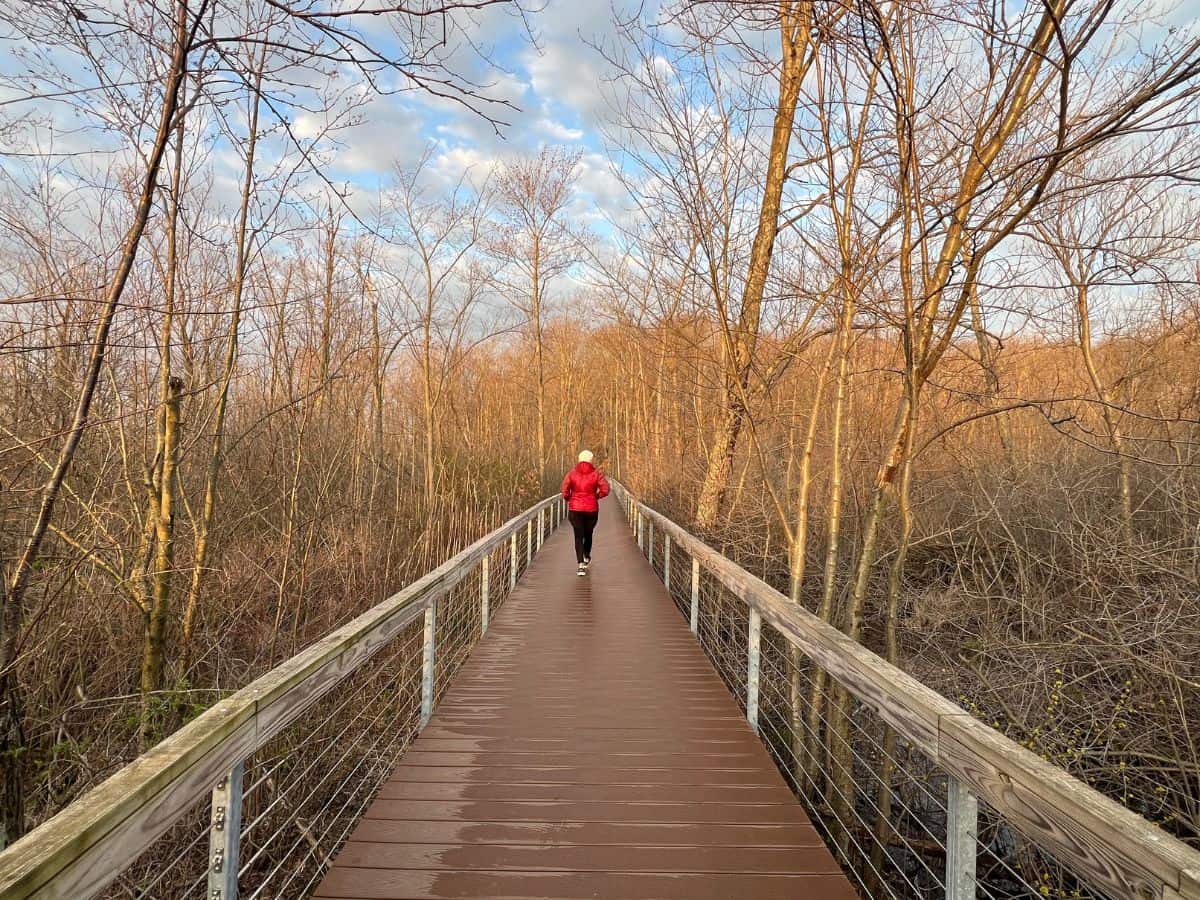
Indiana Dunes National Park offers a stunning range of habitats packed into a relatively small footprint. Windswept beaches, towering sand dunes, shady forests, and marshy wetlands are all within easy reach of one another.
This natural variety makes the park an ideal destination for birders. In fact, over 350 species have been recorded here, including many that migrate along the Mississippi Flyway, one of North America’s major bird migration routes. Whether you’re scanning the sky for raptors or spotting warblers in the trees, the park offers something special in every season.
With so much variety packed into this park, it’s no wonder birders flock here. Let’s look at some of the best birding spots in Indiana Dunes that Julie and I enjoyed the most.
Great Marsh Trail: One of the Best Birding Trails in Indiana Dunes

Before you hit the trail, here are a few quick details to help you plan your visit:
Quick Facts: Great Marsh Trail
- Length: 1.3 miles (loop).
- Average hike time: ~1 hour.
- Difficulty: Easy.
- Surface: Level trail on packed dirt and grass with some gravel; it can be wet or muddy.
- Facilities: No restrooms or drinking water available.
- Location: Broadway Avenue, Beverly Shores, IN 46301 (north of U.S. Highway 12).
Parking: The south lot on Broadway Avenue serves as the main trailhead. A smaller north lot offers one regular and one accessible space.
Accessibility: The main loop trail is not wheelchair accessible. However, a short paved path from the north lot leads to an accessible marsh overlook.
The area offers excellent birding, especially during migration. Flocks of coots, mallards, and wood ducks often glide across the water while kingfishers, tree swallows, and rusty blackbirds stop to rest.
In peak seasons, the marsh fills with ducks, geese, herons, egrets, warblers, and red-winged blackbirds—showcasing the vibrant life of a healthy wetland. You may also spot beavers playing in the channels.
Julie and I loved this peaceful loop around the largest wetland complex in the Lake Michigan watershed. We saw plenty of red-winged blackbirds flashing their bright shoulder patches and calling from the reeds. The highlight for us was spotting sandhill cranes walking through the tall grass, their calls echoing across the marsh.
Cowles Bog Birding
This trail is a favorite for birders and hikers alike. It showcases the incredible variety of ecosystems that make Indiana Dunes so special.
Quick Facts: Cowles Bog
- Length: 4.7 miles round-trip.
- Average hike time: ~4 hours.
- Difficulty: Moderate due to an elevation gain of 202 feet.
- Surface: Mixture of loose sand and packed dirt.
- Facilities: Year-round porta potties. No drinking water is available.
- Location: 1450 North Mineral Springs Road, Dune Acres, IN 46304.
Julie and I hit the trail early; it was the perfect way to start our day. The cool morning air and soft golden light made everything feel magical — especially when we spotted a pair of sandhill cranes with the rising sun glowing behind them. It felt like nature’s way of saying, “You’re in the right place.”
Cowles Bog truly highlights how diverse Indiana Dunes National Park is. The trail took us through shaded woodlands alive with birdsong, over steep dunes that offered sweeping views, and along quiet marshes where ducks glided through still waters.
We heard wrens and warblers flitting through the trees and paused more than once to listen. The changing terrain kept the hike interesting, and the bird activity was constant. If you’re up for a longer, more immersive birding experience, this trail is well worth your time.
Miller Woods Oak Savanna
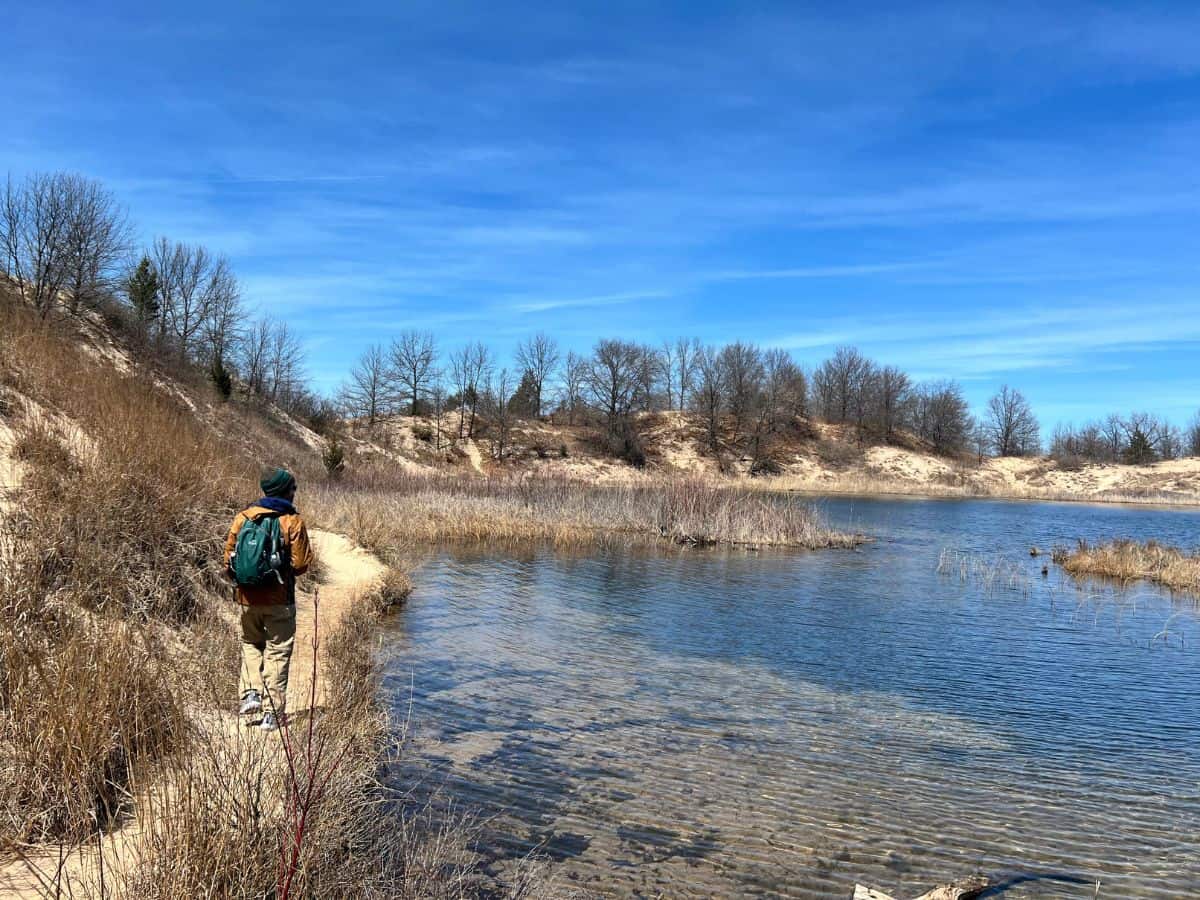
The Paul H. Douglas Trail is the star of Miller Woods, offering a scenic journey through one of the park’s most diverse and rewarding landscapes.
Quick Facts: Paul H. Douglas Trail
- Length: 3.4 miles round-trip.
- Average hike time: ~2 hours.
- Difficulty: Moderate, some elevation gain near the lake.
- Surface: Mixture of loose sand and packed dirt.
- Facilities: During open hours, there are year-round restrooms and potable water in the Paul H. Douglas Center.
- Location: 100 North Lake Street, Gary, IN 46403.
The Paul H. Douglas Trail in Miller Woods was a quiet highlight of our trip. This peaceful hike winds through a surprising mix of ecosystems — from wetlands to black oak savanna to open dunes and a serene stretch of beach on Lake Michigan. It’s the kind of trail that keeps you guessing with every turn.
We found so much joy in the mix of birds we spotted here: a pair of elegant sandhill cranes, a Caspian tern soaring overhead (a new species for us!), and everything from sparrows and robins to a curious northern flicker—the changing scenery made for a peaceful, almost meditative hike.
We finally reached the beach and sat on a weathered log, soaking in the waves and sky. It was one of those simple moments — the kind that stays with you long after the trip is over.
Heron Rookery Trail

This peaceful riverside trail is a hidden gem for birders. It offers a quiet woodland walk and a chance to spot a wide variety of species—even before you leave the parking lot.
Quick Facts: Heron Rookery Trail
- Length: 3.3 miles round-trip.
- Average hike time: ~1.5 to 2 hours.
- Difficulty: Easy.
- Surface: Level trail with packed dirt and clay. The trail can be very slippery and muddy.
- Facilities: No restrooms or potable water.
- Main (east) Lot: 1336 600 East, Michigan City, IN 46360.
- Alternate (west) Lot: 1301 North 450 East, Chesterton, IN 46304.
Once home to over 100 nesting great blue herons, the Heron Rookery Trail still offers one of Indiana Dunes National Park’s most peaceful and bird-filled hikes. While the herons have since moved on after more than six decades of nesting, this stretch along the Little Calumet River remains a rewarding spot for birders.
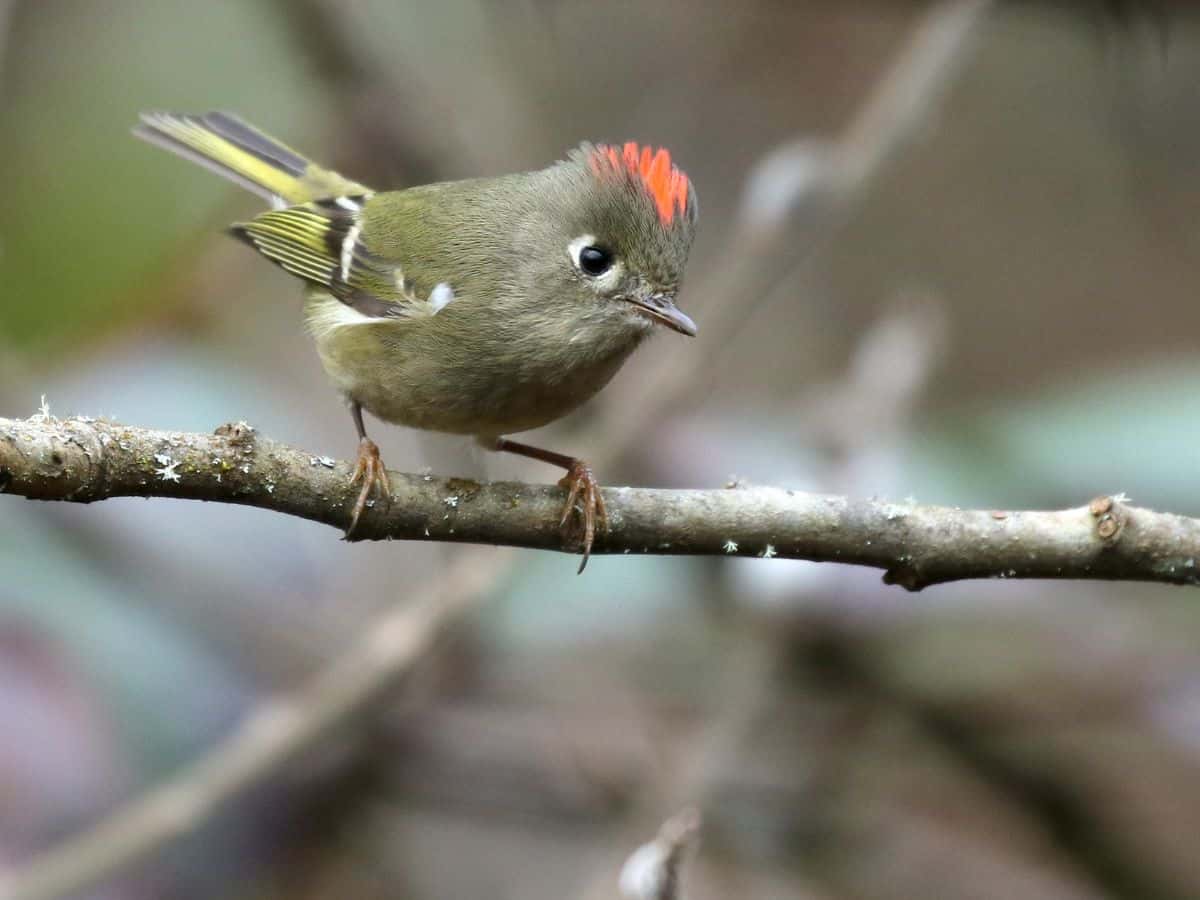
We found the trail calm and serene, with birdsong echoing through the woods and along the riverbank. Kingfishers darted past us, woodpeckers tapped in the distance, and we were thrilled to spot a ruby-crowned kinglet — a new species for us. It’s a lovely place to slow down, listen, and take it all in.
Don’t skip this area even if you’re not up for the full hike. We saw a surprising variety of birds near the parking lot — proof that Indiana Dunes National Park birding can be rewarding even before your boots hit the trail.
Beverly Shores: A Scenic Slow Drive for Birding
If you’re looking to spot birds without hitting the trail, Beverly Shores on the park’s east side offers two scenic drives perfect for a leisurely, window-down cruise.
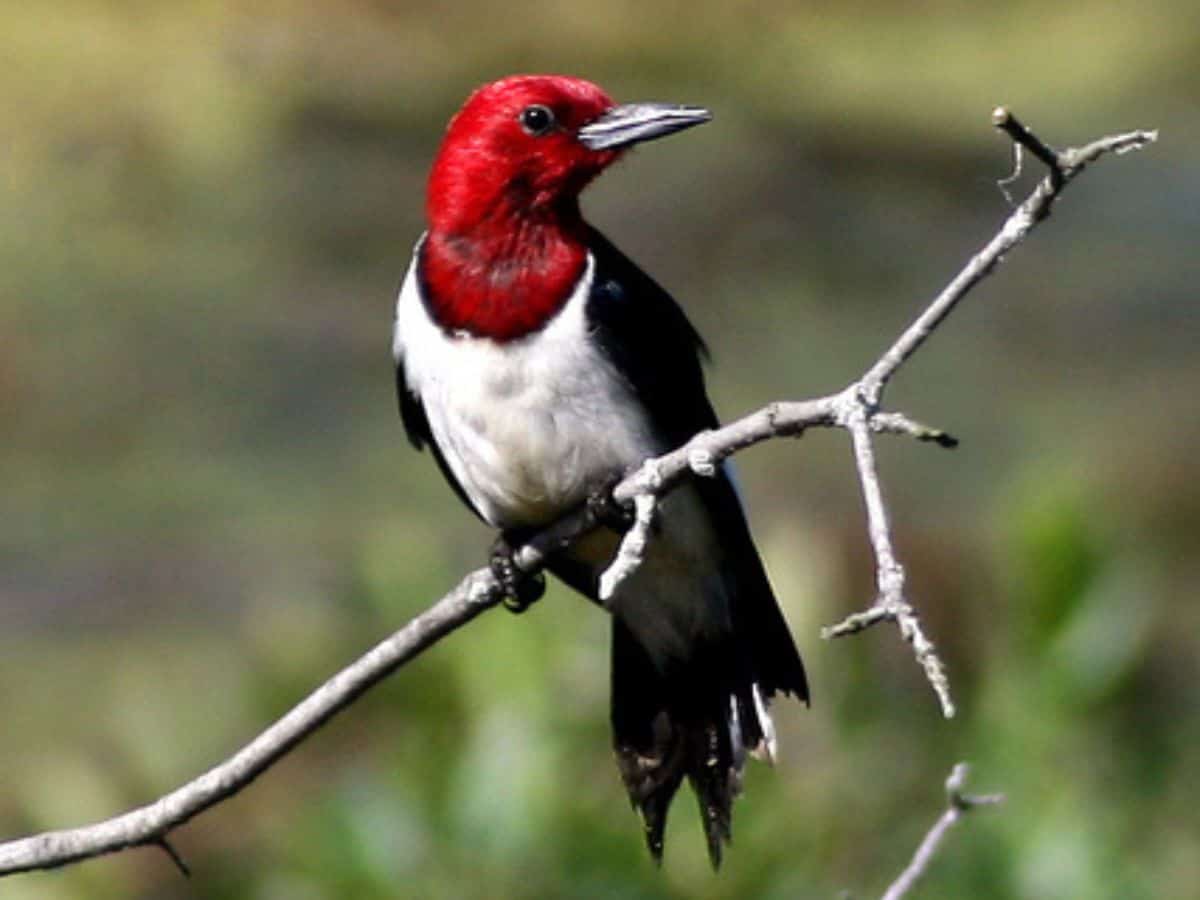
Beverly Drive stretches 3.5 miles east to west between Kemil Road and U.S. 12, not far from the Great Marsh Trail. You can’t explore on foot here, but driving slowly can be surprisingly rewarding. We saw and heard plenty of bird activity, including a red-headed woodpecker perched on a telephone pole—a new species for us.
Lake Front Drive runs right along the Lake Michigan shoreline and is one of the most beautiful drives in the area. We parked at the visitor lot at Lake View Beach to take in the lake views and spot birds near the water. This relaxing section of the park is perfect when you’re in the mood to slow down and soak it all in.
Portage Lakefront and Riverwalk Trail
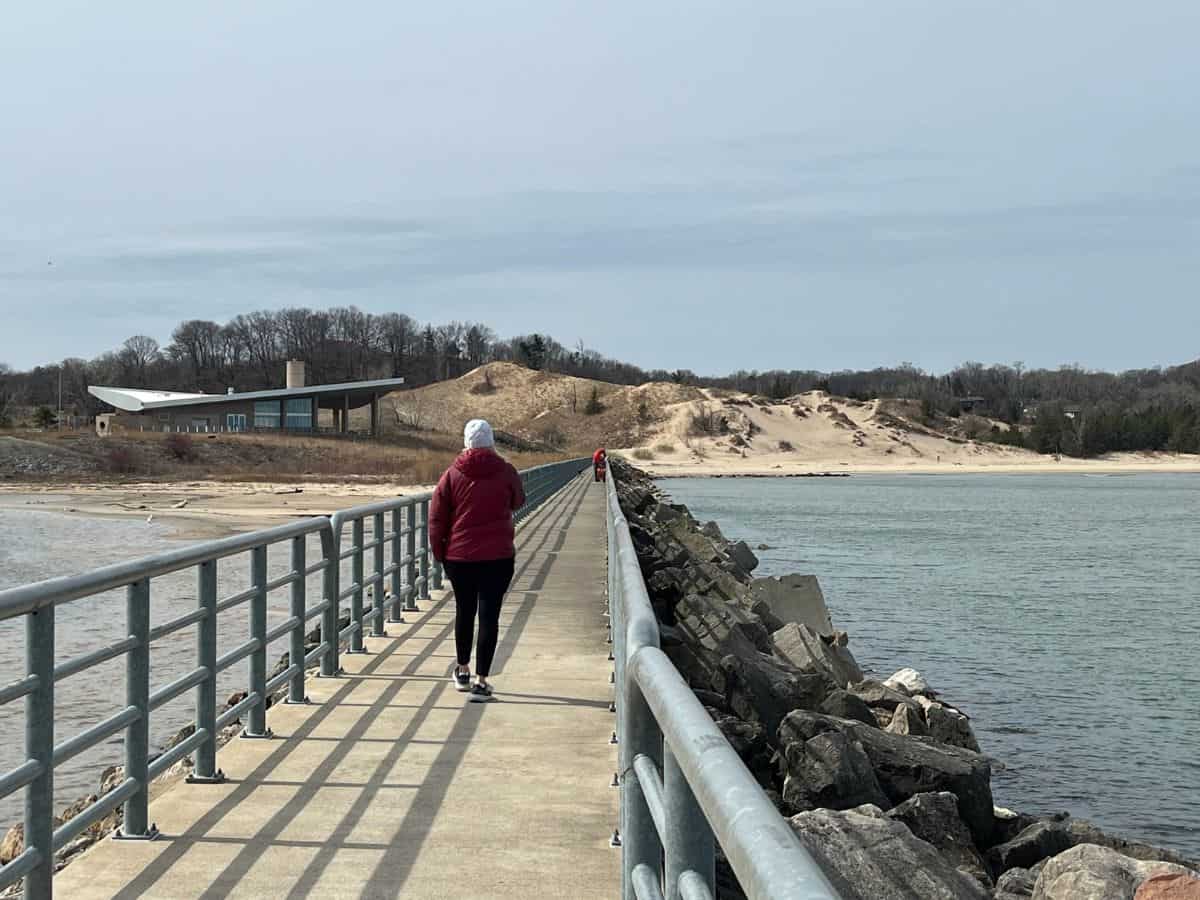
Located near the park’s western edge, Portage Lakefront is one of the more developed areas in Indiana Dunes, but it still offers surprisingly good birding. A short walk leads you to the pier, where you’ll find sweeping views of Lake Michigan and a chance to spot various waterfowl, especially during migration seasons.
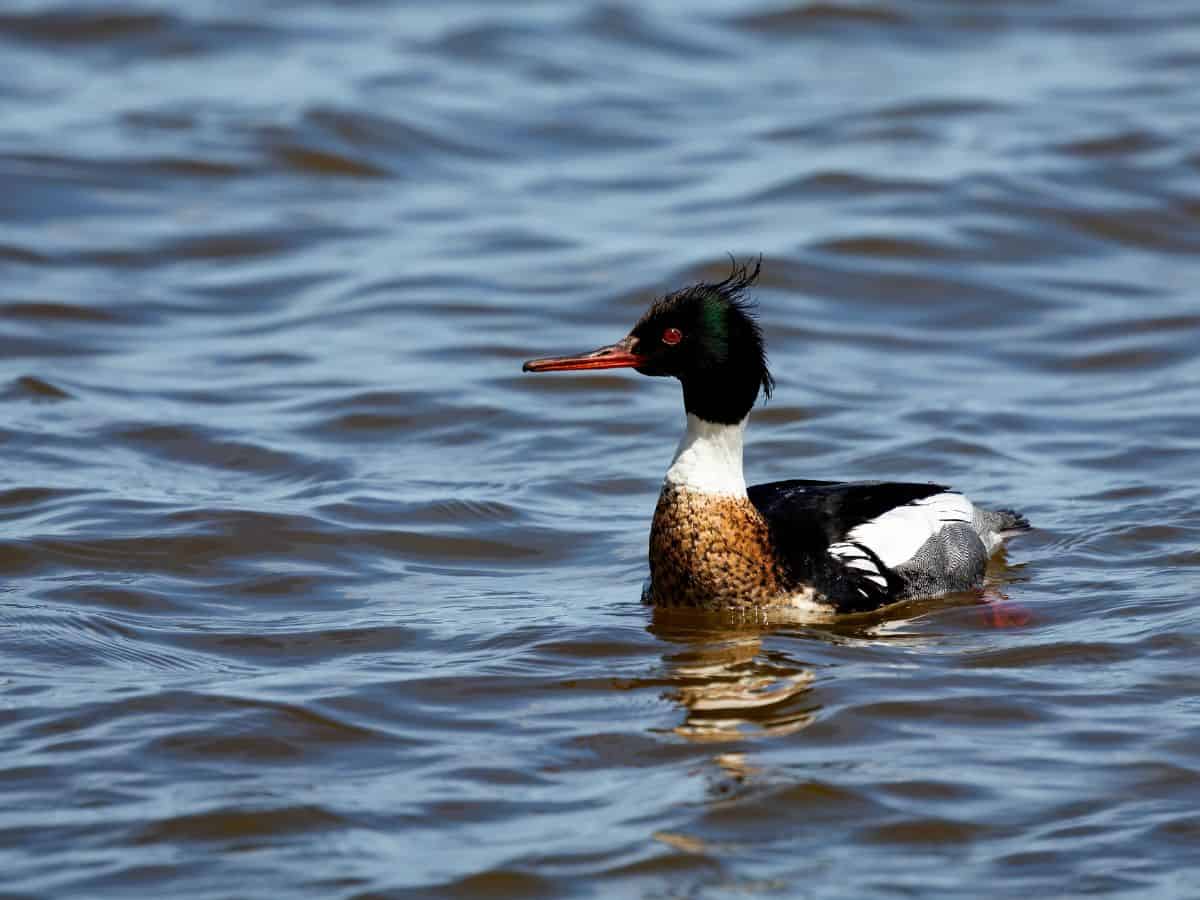
Julie and I enjoyed a peaceful stroll along the pier, watching waves roll in and scanning the water for birds. It’s not as secluded or wild-feeling as some other areas, but it rewarded us with several sightings, including red-breasted mergansers — a new species for us. The mix of open water, shoreline, and sky creates excellent conditions for spotting gulls, ducks, terns, and even the occasional bald eagle.
A 3,500-square-foot public pavilion offers restrooms and a seasonal snack bar, making it convenient for resting and refreshing. Though compact, this area is an often-overlooked gem among the best birding spots in Indiana Dunes—especially for those who prefer a short walk with high birding potential.
Dunes Birding Platform: A Prime Vantage Point in Indiana Dunes State Park
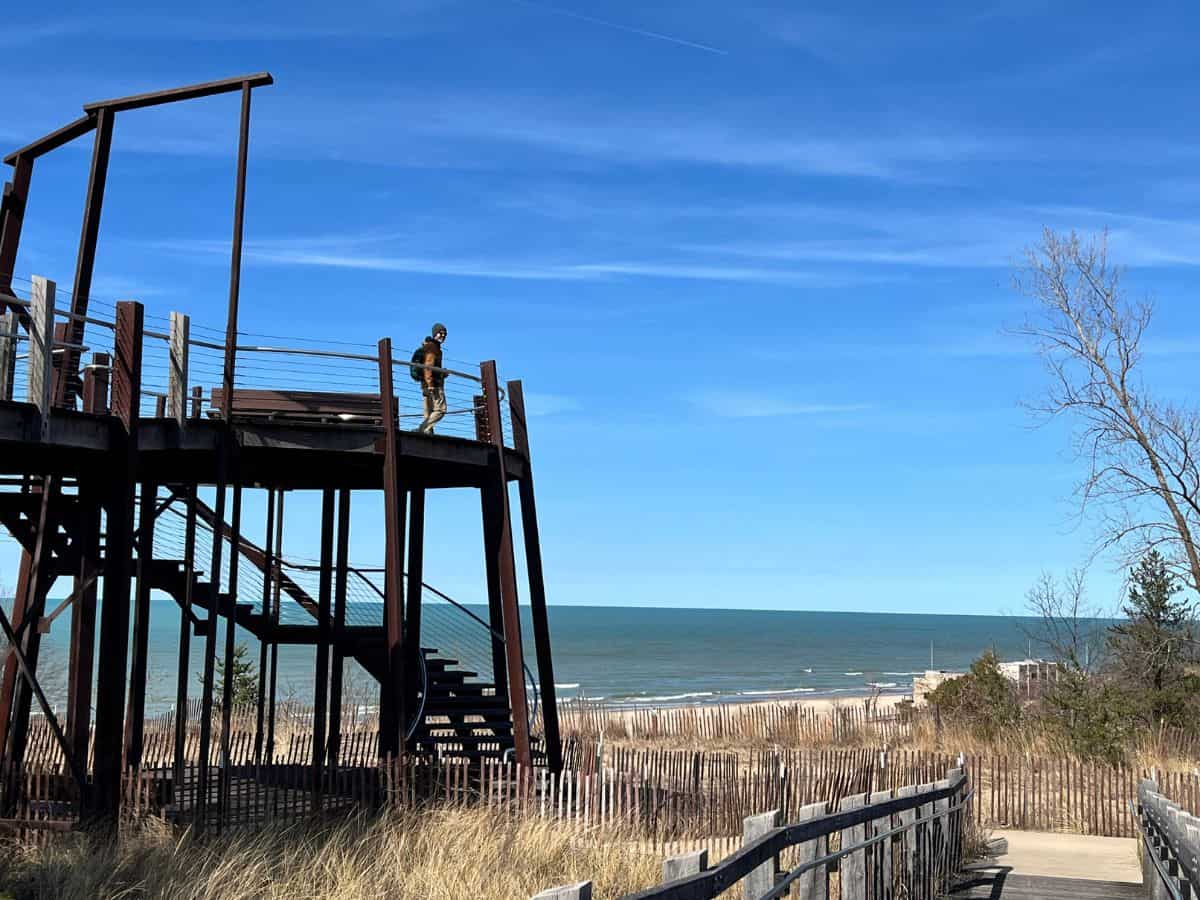
Perched more than 17 feet above the ground on a high dune, the Dunes Birding Platform offers one of the best panoramic views for spotting birds in flight. With its wide-open sightlines and strategic design, this elevated platform allows birders to scan the skies and treetops for raptors, songbirds, and migratory species as they move across the Indiana Dunes landscape.
We loved the sweeping views from this spot. Most birds approach from the east and southwest, and the thoughtfully designed guardrail is lower in those directions—removing obstructions and giving you a clear look. Best of all, the platform is accessible to people of all abilities, thanks to a ramp that leads gently upward from the trail.
It’s important to note that the Dunes Birding Platform sits within Indiana Dunes State Park, which requires a separate entry fee. While we enjoyed our visit and found the scenery striking, I would have been perfectly content sticking to the birding hotspots in the national park. That said, the state park has its own beauty and offers some excellent adventures if you have the time to explore both.
FAQ: Birding at Indiana Dunes National Park
Curious about birding at Indiana Dunes? Here are some common questions to help you plan your visit.
When is the best time to go birding at Indiana Dunes?
Spring and fall migrations are the most exciting times, especially April through May and late August into October. That’s when warblers, raptors, and waterfowl are on the move. That said, the park offers great birding year-round.
Do I need a permit or pass to birdwatch in the park?
Yes, a national park entrance pass is required for Indiana Dunes National Park. If you also plan to visit the Indiana Dunes State Park (such as for the birding platform), you’ll need a separate state park entry pass.
Can beginners enjoy birding at Indiana Dunes?
Definitely, many trails are easy to moderate, and several birding hotspots are accessible by car or short walk. Whether you’re just starting out or have years of experience, the diversity of habitats makes birding fun and rewarding.
Are there guided birding programs available?
Yes — especially during the Indiana Dunes Birding Festival each May. Even if you don’t attend the festival, the park occasionally offers ranger-led bird walks and programs, so it’s worth checking the event calendar.
Birding Tips for Indiana Dunes
- Bring binoculars and a field guide. Many birds are active in the trees and marshes, and having binoculars really enhances the experience. A good field guide is also helpful for identifying birds on the spot and learning more about their behavior.
- Use the Merlin Bird ID app. This free tool from the Cornell Lab of Ornithology helps you identify birds by sound, photo, or description. We find it incredibly helpful, especially when unsure what we see or hear. In a separate post, we share more about how Merlin Bird ID works and why we love it.
- Dress for the terrain. Some trails are sandy, muddy, or narrow, so sturdy shoes and long pants are smart—especially when poison ivy is present.
- Consider timing your visit to the Indiana Dunes Birding Festival. While we haven’t attended yet, this popular annual event takes place each May and draws birders from across the country. It’s centered around peak spring migration and offers guided hikes, workshops, and expert talks. If you’re looking to learn more or connect with other birders, it’s a great opportunity.
- Go early in the day. Mornings are cooler and quieter, and birds are more active. We had some of our best sightings around sunrise.
Plan Your Birding Adventure
Indiana Dunes National Park completely exceeded our expectations—and birding played a massive part. With so many habitats packed into one park, it’s an ideal destination whether you’re a seasoned birder or just getting started. Every stop offered a new chance to slow down, observe, and connect with nature, from peaceful marshes to sweeping dune views. We left feeling refreshed, inspired, and dreaming of a return visit.
Featured image credit: Miles with McConkey