
Acadia National Park wasn’t just another stop on our travel map—it was the spark. Our visit in mid-May planted the seed for a gap year that turned into a second act as full-time travel content creators. There’s something about this rugged slice of coastal Maine—where granite peaks meet crashing waves—that invites reflection and reinvention.
We arrived just as the Jordan Pond House reopened for the season and Cadillac Mountain’s summit road welcomed visitors once again. The crowds were manageable, the air crisp, and the promise of summer hung in the fog. But we also learned that spring in Acadia can be slow to bloom. Trees were still bare, and wildflowers hadn’t yet made their debut. Timing matters more than you might think.
In this guide, we break down the best time to visit Acadia National Park based on four key factors: weather, crowd levels, seasonal activities, and costs. Whether you’re chasing fall foliage, spring solitude, or summer sunshine, we’ve got you covered.
Disclosure: This post may contain affiliate links. If you make a purchase through one of these links, I may earn a small commission at no additional cost to you. Thanks for keeping Miles with McConkey going!
🗓️ Seasonal Tips for Visiting Acadia
Curious how Acadia transforms throughout the year? Tap below to explore seasonal insights on weather, amenities, and what each season means for your experience—from foggy spring hikes to snowy solitude.
🌸 Spring (March–May)
- Temps: 30–70°F, often foggy and damp.
- Vibe: Quiet trails, awakening landscapes.
- Crowds: Low early in the season; increase in late May.
- Costs: Shoulder season rates on lodging and flights.
☀️ Summer (June–August)
- Temps: 45–90°F; ocean temps 50–60°F.
- Vibe: Bustling, vibrant, and full of life.
- Crowds: Peak season; expect congestion in Bar Harbor and popular trails.
- Costs: Highest lodging and activity prices.
🍂 Fall (September–November)
- Temps: 30–70°F; crisp and variable.
- Vibe: Colorful, contemplative, and cooler.
- Crowds: Moderate in September; taper off by November.
- Costs: Lodging prices begin to drop after peak foliage.
❄️ Winter (December–February)
- Temps: 14–35°F; snowy and serene.
- Vibe: Quiet, stark beauty with limited access.
- Crowds: Minimal; perfect for solitude seekers.
- Costs: Lowest lodging rates.
📊 Crowd Levels & Visitation Statistics

Acadia National Park welcomes nearly 4 million visitors annually, making it one of the most popular national parks in the U.S. While the park is open year-round, the vast majority of visitors arrive between May and October, when amenities are fully operational and the weather is more inviting.
Summer is the busiest season by far, with July and August each drawing over 800,000 guests. Expect full parking lots, packed trailheads, and long lines at popular spots like Jordan Pond House and Cadillac Mountain. If you’re visiting during peak season, arrive early and plan ahead.
Spring and fall offer a sweet spot—fewer crowds, lower costs, and a more relaxed experience. We visited in mid-May, just before the Memorial Day surge, and found the park refreshingly quiet. By contrast, November through March sees minimal visitation, making it ideal for solitude seekers willing to brave the cold.
Here’s a breakdown of average monthly visitation:
| Month | Avg. Visitors |
|---|---|
| Jan-Feb | Under 20K each |
| Mar | 25K-30K |
| Apr | ~100K |
| May | 300K+ |
| June | ~600K |
| July-Aug | ~800K each |
| Sept | ~600K |
| Oct | ~500K |
| Nov | Under 100K |
| Dec | Under 20K |
If you’re hoping to avoid the crowds but still enjoy mild weather and open facilities, late May, early June, and mid-September are excellent windows. You’ll find active wildlife, comfortable hiking temps, and fewer people on the trails—especially in the early morning hours.
🌦️ Seasonal Weather in Acadia
For a quick snapshot of seasonal conditions, here’s how Acadia’s weather typically unfolds:
| Season | Temps (°F) | Conditions & Highlights |
|---|---|---|
| Spring (Mar-May) | Highs: 40s–60s Lows: 20s–40s | Foggy mornings, budding trees, chilly hikes, fewer crowds |
| Summer (June-Aug) | Highs: 60s–80s Lows: 50s–60s | Full access, variable weather, packed trails, brisk lake swims |
| Fall (Sept-Nov) | Highs: 40s–70s Lows: 30s–50s | Peak foliage, crisp air, scenic drives, some seasonal closures |
| Winter (Dec-Feb) | Highs: 20s–40s Lows: 0–20 | Snowy solitude, icy roads, limited access, peaceful landscapes |
Acadia’s weather shifts dramatically across the seasons—here’s what to expect, from foggy spring mornings to snow-covered winter trails.
🌸 Spring (March–May)
Spring in Acadia is a slow unfurling. Fog and drizzle are common, especially in March and April, and the trees don’t fully leaf out until late May. Still, there’s magic in the mist. You’ll find peaceful trails, fewer crowds, and the first signs of seasonal openings—like Jordan Pond House and the summit road to Cadillac Mountain. Pack rain gear and layers, and expect chilly mornings. If you’re hoping for wildflowers and green foliage, aim for late May or early June.
☀️ Summer (June–August)
Summer is Acadia’s high season—and for good reason. The park is fully open, from Carriage Roads to ranger programs, and the weather is generally pleasant. But it’s also unpredictable. Foggy mornings can give way to sunny afternoons, and temperatures vary wildly between the coast and mountain peaks. Arrive early to beat the crowds, especially at sunrise spots like Cadillac Mountain. If you’re planning to swim, know that lake temps hover around 55–70°F—refreshing, but brisk.
🍂 Fall (September–November)
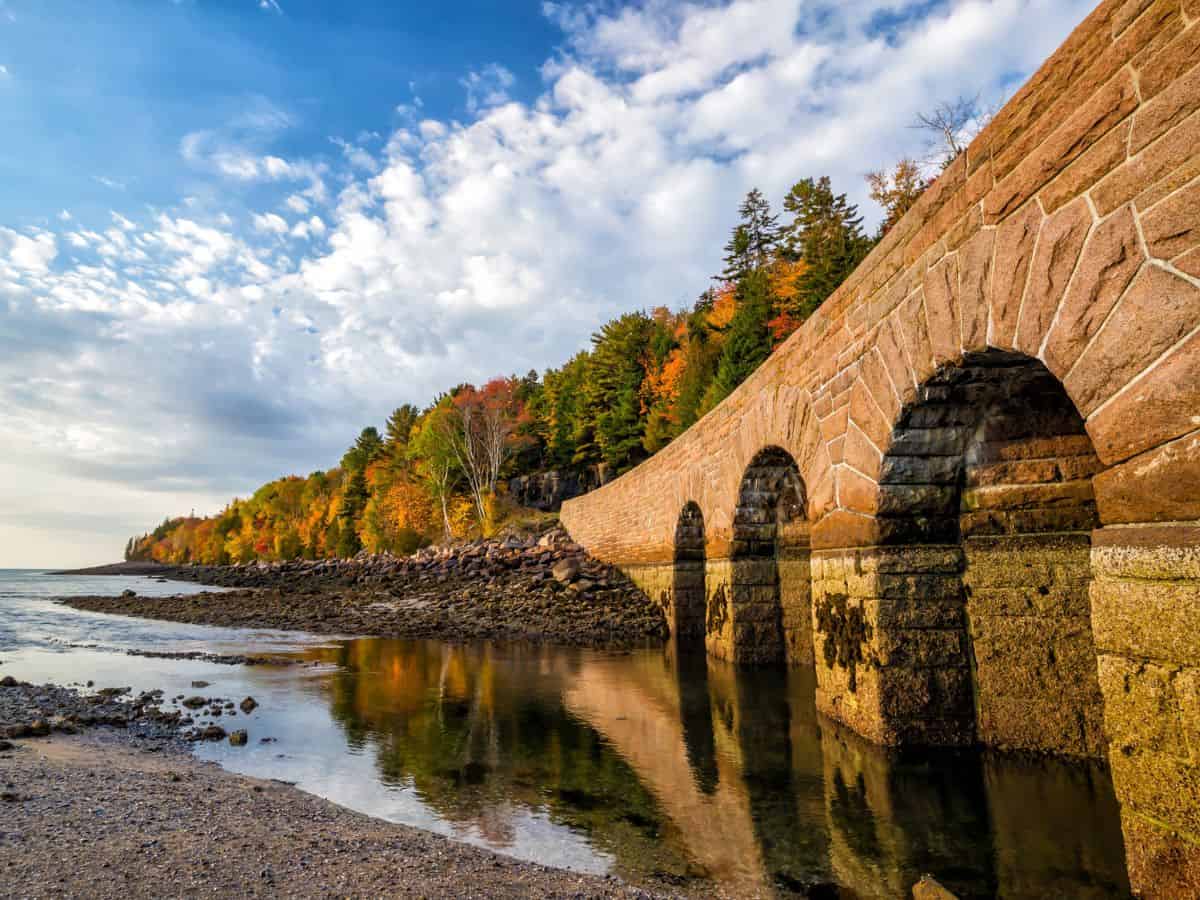
Fall in Acadia is a feast for the senses. Peak foliage typically hits mid-October, painting the park in fiery reds and golds. September and early October are usually dry and ideal for hiking, while late October and November bring more rain and chilly air. It’s a great time for photography, solitude, and scenic drives. Just be aware that some amenities begin to close for the season, and daylight hours shrink quickly.
❄️ Winter (December–February)
Winter in Acadia is not for the faint of heart—but it has its own quiet charm. Snow blankets the park, and many roads and facilities close. Still, cross-country skiing, snowshoeing, and winter hiking are possible for those prepared. Expect cold, cloudy days and icy conditions. If you’re looking for peace and don’t mind bundling up, this is Acadia at its most introspective.
🏕️ Seasonal Activities & Amenities

Acadia’s offerings shift dramatically with the seasons. From ranger-led programs and scenic drives to snowshoeing and solitude, here’s what’s available—and when.
To help you plan, here’s a quick-reference table showing when key roads, beaches, and services typically open and close:
| Amenity | Open | Close |
|---|---|---|
| Park Loop Road & paved roads | Apr 15 | Dec 1 |
| Unpaved roads | May 15 | Nov 15 |
| Echo Lake Beach | Apr 15 | Dec 1 |
| Lakewood Beach | Jun 1 | Oct 15 |
| Campgrounds | Early May | Throughout Oct |
| Jordan Pond House | Mid-May | Late Oct |
| Visitor Centers & Park Stores | Early May | Late Oct |
| Sand Beach | Open year-round | — |
| Schoodic Loop & Point Road | Open year-round | — |
| Carriage Roads (biking/skiing) | Open year-round (may close temporarily) | — |
Dates give us the framework, but the real story unfolds with each season’s quirks and charms. Curious what spring showers or winter closures might mean for your visit? Tap below to explore.
🌸 Spring (March–May)
Spring is a season of gradual awakening.
- Park Loop Road opens April 15.
- Unpaved roads open May 15.
- Echo Lake Beach opens April 15.
- Campgrounds begin opening in early May.
- Jordan Pond House opens mid-May.
- Visitor centers and park stores open throughout May.
- Island Explorer shuttle begins limited service on Schoodic Peninsula in late May.
Trails may be muddy or icy, so pack layers and traction gear. Ranger-led programs resume, and the park slowly comes to life with blooming trees and fewer crowds.
☀️ Summer (June–August)
Summer brings full access and peak activity.
- All roads and beaches are open.
- Lakewood Beach opens June 1.
- Campgrounds are fully operational.
- Ranger programs run daily.
- Jordan Pond House and services are in full swing.
- Island Explorer shuttle begins full service in late June across Mount Desert Island and Schoodic.
Expect vibrant trails, scenic drives, and plenty of visitors. Early starts help beat the crowds.
🍁 Fall (September–November)
Fall offers crisp air and colorful landscapes.
- Unpaved roads close November 15.
- Lakewood Beach closes October 15.
- Jordan Pond House and services close late October.
- Campgrounds begin closing throughout October.
- Park Loop Road remains open until December 1.
- Island Explorer shuttle runs through mid-October, with reduced service starting in late August.
September and early October are ideal for hiking and photography. By November, expect fewer amenities and shorter days.
❄️ Winter (December–February)
Winter is quiet, stark, and best for solitude seekers.
- Park Loop Road closes December 1, including access to Cadillac Mountain.
- Sand Beach and Schoodic Point Road remain open year-round.
- Carriage Roads offer 45 miles for skiing and snowshoeing.
- Unplowed roads may be used for skiing but double as snowmobile routes.
- Hiking is possible but icy—use crampons, cleats, and trekking poles.
- Visitor center is closed; passes available at the Bar Harbor Chamber of Commerce.
💰 Costs: Lodging and Park Access
Whether you’re planning a weekend escape or a longer adventure, it’s helpful to understand how seasonal shifts affect both lodging prices and park access.
Acadia National Park charges a $35 entrance fee per vehicle, valid for seven consecutive days, year-round. While park access remains consistent, lodging prices in nearby Bar Harbor fluctuate dramatically with the seasons.
| Season | Avg. Hotel Rate (Bar Harbor) | Notes |
|---|---|---|
| Spring | $180–$280/night | Rates climb with warming weather and early park openings. May weekends fill fast. |
| Summer | $280–$600/night | Peak season. Expect premium pricing, especially in July and August. Book early. |
| Fall | $220–$400/night | Foliage draws crowds through October. Rates taper by mid-November. |
| Winter | $100–$180/night | Lowest rates, best availability. Many hotels close or reduce services. |
🏨 Summer rates in Bar Harbor can rival major cities—especially for waterfront or boutique stays. If you’re flexible, early spring or late fall offer better value with fewer crowds.
Explore our interactive map for places to stay near Acadia.
🌟 Why Acadia Is Worth Visiting
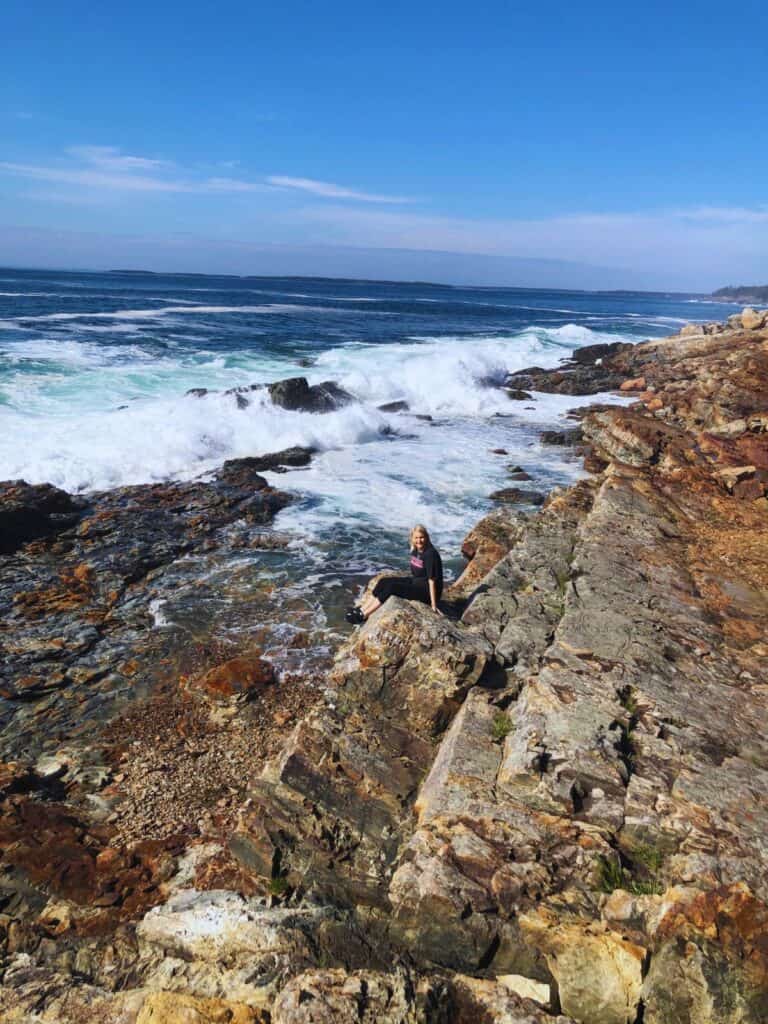
Even if it’s not as vast as Yellowstone or as rugged as Yosemite, Acadia offers a one-of-a-kind blend of ocean, forest, and mountain—all in one compact, accessible park:
- Rocky coastlines and crashing waves along the Atlantic.
- Cadillac Mountain, the first place to see sunrise in the U.S. (seasonally).
- Historic Carriage Roads for biking, walking, and cross-country skiing.
- Diverse hiking trails, from gentle lake loops to cliffside scrambles.
- New England charm in nearby Bar Harbor—plus fresh lobster rolls.
- Year-round access, with snowshoeing and solitude in winter.
👉 Explore our guide to the top things to do in Acadia National Park.
🚫 Worst Time to Visit Acadia National Park
Acadia is open year-round, but some seasons pose more challenges than others—especially when it comes to weather, accessibility, and crowd levels.
If we had to pick a time to avoid, it would be mid-winter, especially from December to February. Here’s why:
- Park Loop Road closes December 1, cutting off access to Cadillac Mountain and other scenic drives.
- Snow, ice, and freezing temps make hiking treacherous without crampons or traction gear.
- Most services shut down, including visitor centers, campgrounds, and Jordan Pond House.
- Limited lodging options, as many Bar Harbor hotels close or reduce operations.
- Short daylight hours and unpredictable weather can derail outdoor plans.
Unless you’re prepared for rugged conditions and solitude, winter can feel isolating and logistically tricky. If it’s your only option, pack winter gear, check road closures, and consider snowshoeing or cross-country skiing on the Carriage Roads.
❓ Frequently Asked Questions
Planning a trip to Acadia comes with plenty of questions—especially if it’s your first visit. Here are answers to some of the most common ones:
When is the best time to visit Acadia National Park?
Late September to early October strikes the perfect balance: stunning foliage, cooler temps, and fewer crowds. Summer offers full access but comes with peak pricing and congestion. Spring is quieter but some roads and services may still be closed.
Do I need a reservation to enter the park?
No general reservation is required to enter Acadia. However, you do need a timed vehicle reservation to drive up Cadillac Summit Road from late May through mid-October. Book in advance through Recreation.gov.
How much does it cost to visit?
Park admission is $35 per vehicle, valid for seven consecutive days. You can also use an America the Beautiful pass for entry. Lodging costs vary widely by season—summer rates in Bar Harbor can exceed $500/night.
Are pets allowed in Acadia?
Yes, leashed pets are welcome on most trails, Carriage Roads, and campgrounds. They’re not allowed on ladder trails or inside park buildings.
Beach restrictions:
- Sand Beach: No pets June 15–Sept 8.
- Echo Lake: No pets May 15–Sept 15.
Outside those dates, pets can enjoy the shore with you. Always carry waste bags and check signs for trail-specific rules.
Can I visit Acadia in winter?
Absolutely, but expect a very different experience. Park Loop Road closes December 1, and most services shut down. Still, Carriage Roads remain open for snowshoeing and cross-country skiing, and Sand Beach and Schoodic Point are accessible year-round.
Is there public transportation inside the park?
Yes—the Island Explorer shuttle runs from late June through early October. It’s free, eco-friendly, and connects Bar Harbor with major park destinations. It’s a great way to avoid parking headaches during peak season.
📅 Ready to Plan Your Visit?
Now that you know the best time to visit Acadia National Park, it’s time to start planning. Whether you’re watching sunrise from Cadillac Mountain, biking the Carriage Roads beneath golden foliage, or savoring popovers at Jordan Pond, Acadia offers unforgettable moments in every season.
Don’t miss our full guide to Acadia!
We’ve got everything you need to plan your perfect trip.
Featured image credit: f11photo via Deposit Photos