
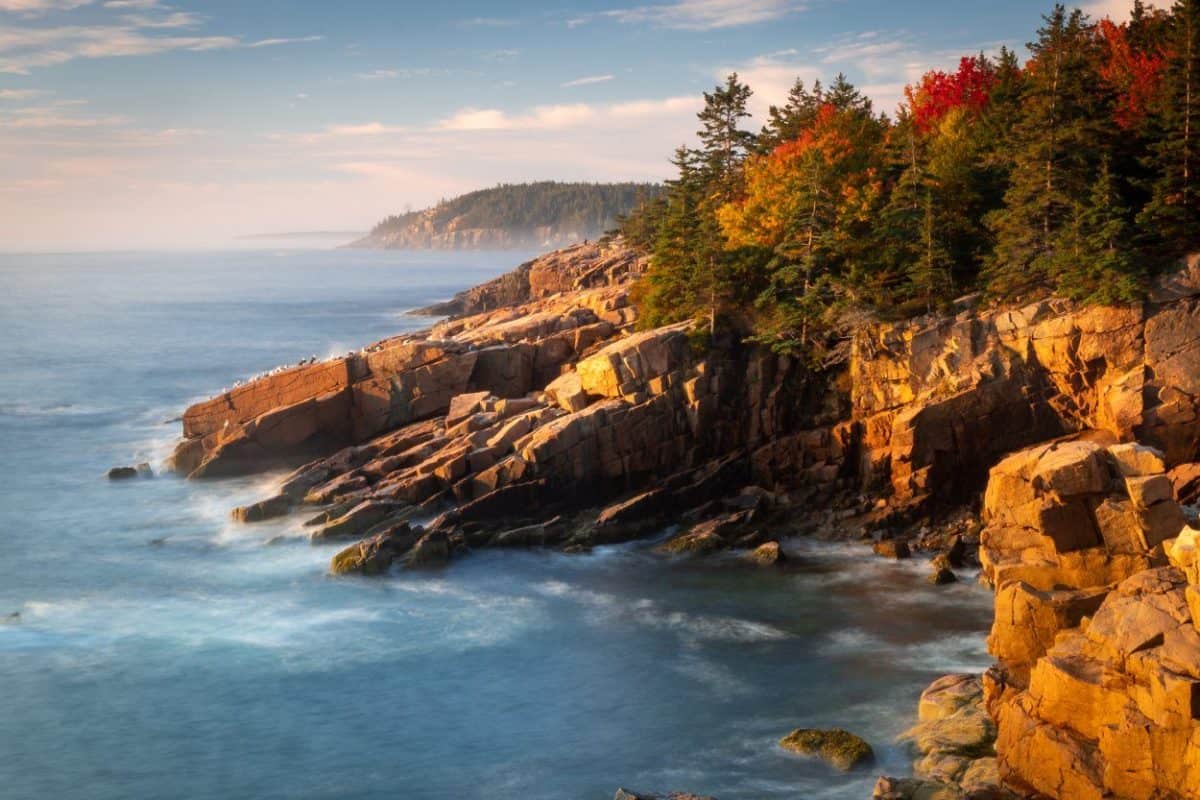
Planning a trip to Acadia? We discovered that the best things to do in Acadia National Park go far beyond the guidebook—from rocky shores and tide pools to popovers and puffins. This was only our second national park visit, and it changed everything.
Acadia is one of many gems along the Atlantic. If you’re planning a bigger adventure, check out our guide to top East Coast national parks for more inspiration.
Disclosure: This post may contain affiliate links. If you make a purchase through one of these links, I may earn a small commission at no additional cost to you. Thanks for keeping Miles with McConkey going!
🌊 Coastal Magic & Rocky Shores
We had heard rumblings about Acadia’s rocky coastline, but we were skeptical. Could it really move us? Turns out, yes—profoundly.
Ocean Path Trail
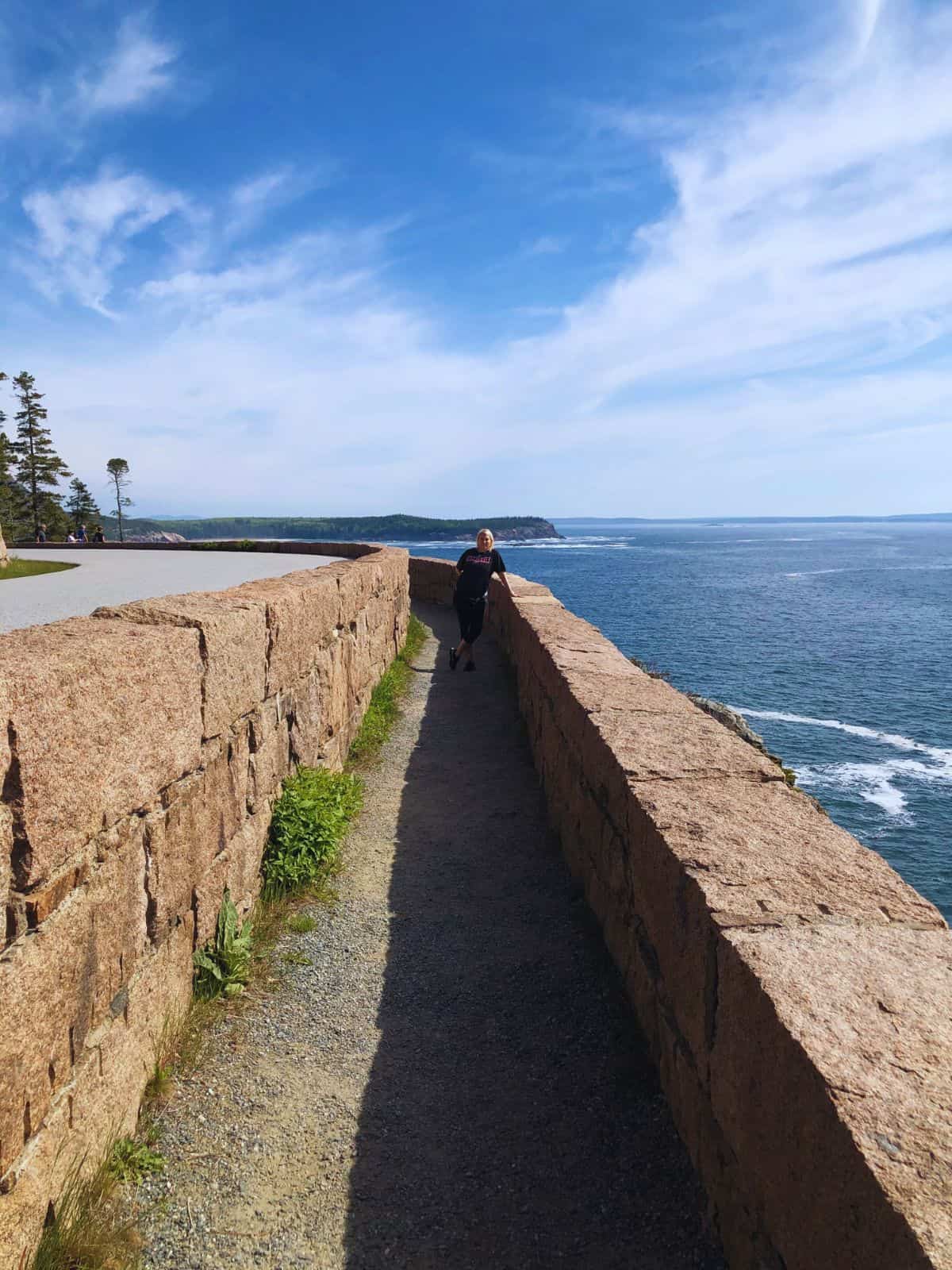
This 2.2-mile coastal walk between Sand Beach and Otter Point was a revelation. Accessible from multiple spots along Park Loop Road, it’s mostly flat with gravel paths and granite staircases. What made it unforgettable wasn’t the terrain—it was the blend of salt air and pine, the surf crashing against pink granite, and the quiet moments that felt like pure heaven.
Thunder Hole
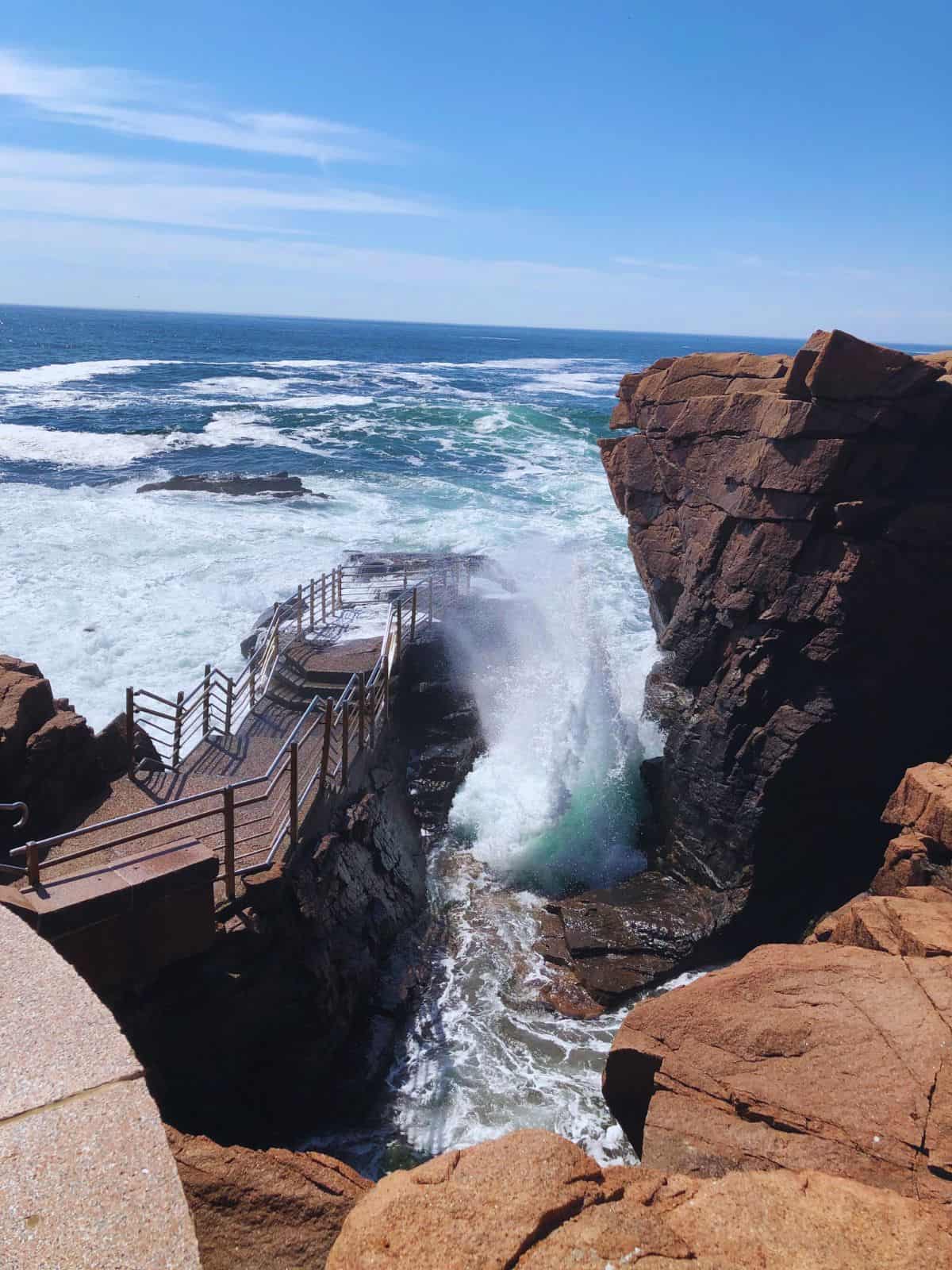
Along the way, we lingered at Thunder Hole, a carved inlet where waves slam into a narrow channel, compressing air and water into a thunderous boom. The best time to catch the roar? About 1–2 hours before high tide. Even when it’s quiet, the spray and echoes are mesmerizing.
Otter Cliff
Just beyond, Otter Cliff rises 110 feet above the Atlantic—the highest coastal headland in the park. It’s a favorite among climbers and photographers, and for good reason. The views are dramatic, and the contrast between jagged cliffs and rounded boulders below is striking.
Sand Beach

Tucked between granite outcrops, Sand Beach is Acadia’s only true ocean beach. It’s made of crushed shell fragments, not typical sand. While the water rarely tops 55°F, the setting is surreal.
We visited in mid-May, so swimming was out—but the sight of a perfect sandy crescent amid rugged shoreline was a surprise in itself.
Tide Pooling
And then there’s tide pooling—a discovery that changed how we explore coastal parks. At low tide, puddles along the rocky shore revealed tiny ecosystems teeming with life. We had never done this before, and it felt like we’d unlocked a secret world. Now, it’s something we seek out on every trip.
🥾 Trails That Changed Us
We were still new to national parks—this was only our second—and we didn’t yet grasp how a trail could shift your perspective. Acadia taught us.
Bar Island Trail
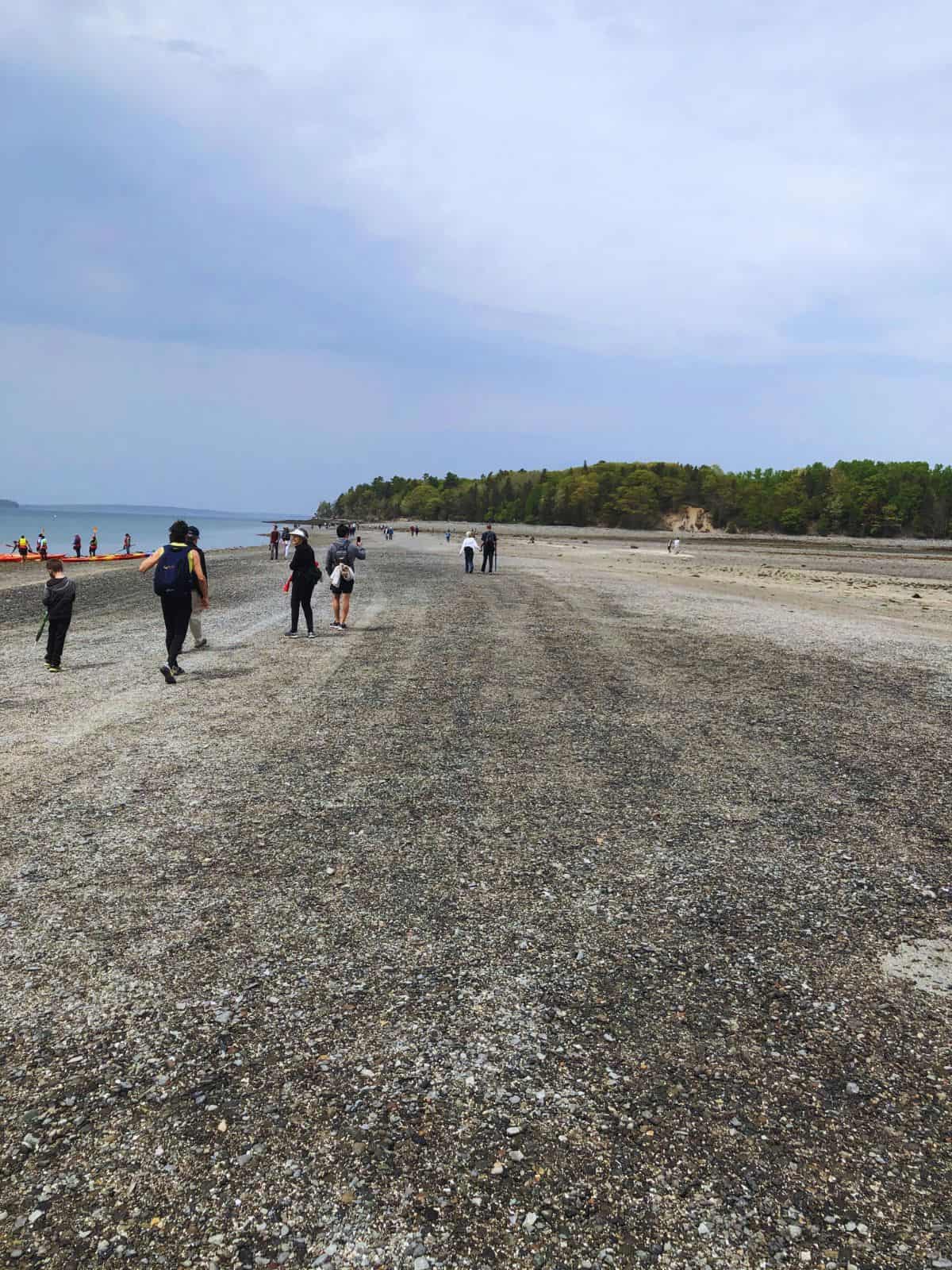
We had never heard of a land bridge, let alone walked one. For about 1.5 hours before and after low tide, a gravel bar appears, connecting downtown Bar Harbor to Bar Island—a forested slice of Acadia across Frenchman Bay.
The trail itself is a 1.9-mile round-trip, starting from Bridge Street and gently ascending through the woods to a quiet viewpoint. But the real thrill? Knowing you’re on borrowed time. If you linger too long, the tide returns—and you’re stuck for nine hours or calling a pricey water taxi.
Jordan Pond Path
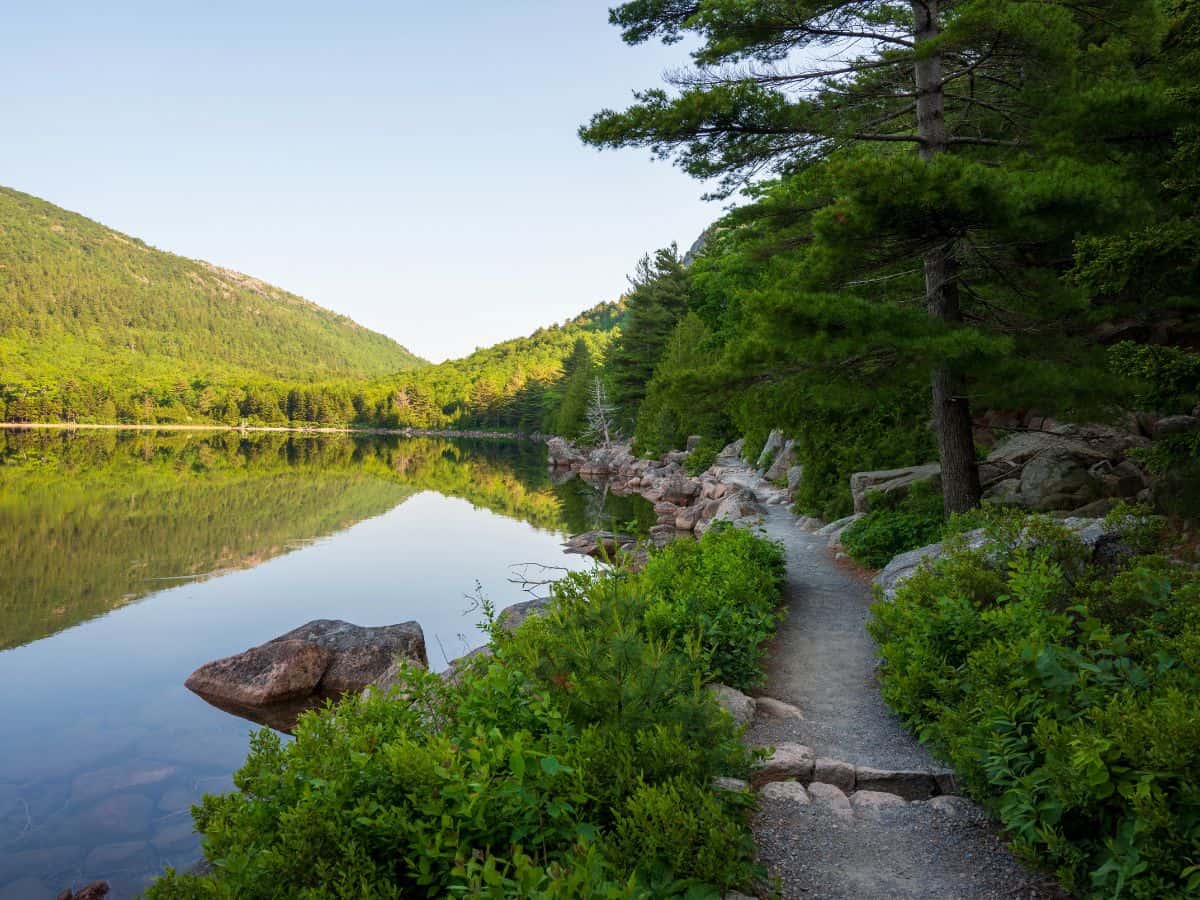
We found pure joy on the 3.3-mile loop that hugs the shoreline of one of Acadia’s most iconic lakes, framed by Penobscot, Pemetic, and the Bubbles. The terrain shifts from crushed stone to wooden boardwalks, rocky scrambles, and log bridges.
We loved the variety—dirt paths, footbridges, and boulder fields—and the views were serene. It was unlike any trail we’d hiked before, and it made us feel like kids again.
Iron Rung Hikes
We didn’t tackle the iron rung hikes, but they’re worth mentioning. Acadia’s famous ladder trails—like Beehive Loop, Precipice Trail, Jordan Cliffs, and Beech Cliff Ladders—are thrilling, exposed, and not for the faint of heart.
They feature metal rungs bolted into granite, narrow ledges, and steep climbs. While we skipped them this time, they’re on our radar for a future visit.
🌅 Scenic Drives & Sweeping Views
Acadia delivers scenic drives and sweeping views in spades—each bend in the road reveals a new layer of coastal beauty, forested charm, or mountaintop wonder.
Park Loop Road
The gateway to Acadia’s soul, Park Loop Road is a 27-mile scenic drive that loops around the eastern half of Mount Desert Island, connecting many of the park’s most iconic spots—Sand Beach, Thunder Hole, Jordan Pond, and Cadillac Mountain. It’s easy to navigate, with clearly marked turnouts and trailheads, and most of it is open from mid-April to November.
We loved the freedom it gave us to explore at our own pace, hopping out for hikes, lookouts, and spontaneous photo ops. The views? Just wow. Forests, cliffs, and ocean vistas around every bend.
Cadillac Mountain
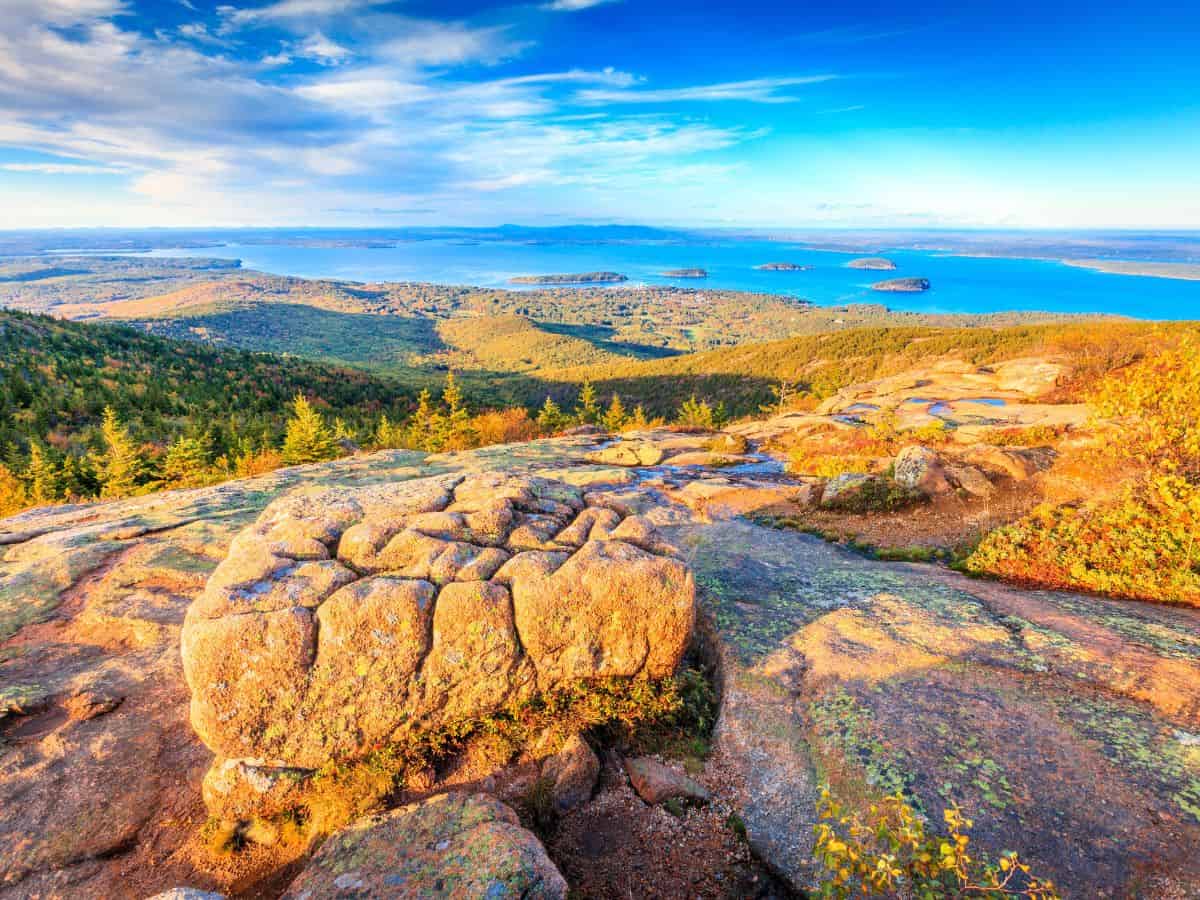
One of the most iconic spots in the park left us breathless—literally and figuratively. Cadillac Mountain was a highlight—even without catching the sunrise. We drove the 3.5-mile summit road (reservation required May–October) and were rewarded with sweeping views of Frenchman Bay and the Porcupine Islands.
At 1,530 feet, it’s the tallest peak on the U.S. Atlantic coast. It was windy—so windy we had to lean forward to stay upright, which made us laugh the whole time. But the views were worth every gust.
We didn’t see the sunrise from the summit, but watching it from our hotel room over Frenchman Bay was magical. We’d love to return and catch that first light from the top someday.
Schoodic Peninsula
Away from the bustle of Mount Desert Island, one corner of Acadia quietly stole our hearts. Schoodic Peninsula offered a quieter kind of beauty. Located on the mainland, about an hour’s drive from Bar Harbor, it’s the only part of Acadia off Mount Desert Island. The 6-mile loop road winds past granite headlands, crashing surf, and forested trails.
We loved the slower pace and the sense of solitude—it felt like a secret corner of the park. If you’re looking for dramatic coastal views without the crowds, this is the spot.
🚲 Adventures We’re Saving for Next Time
We packed a lot into our first Acadia visit, but a few experiences slipped through the cracks—and they’re now high on our list for next time.
Biking the Carriage Roads
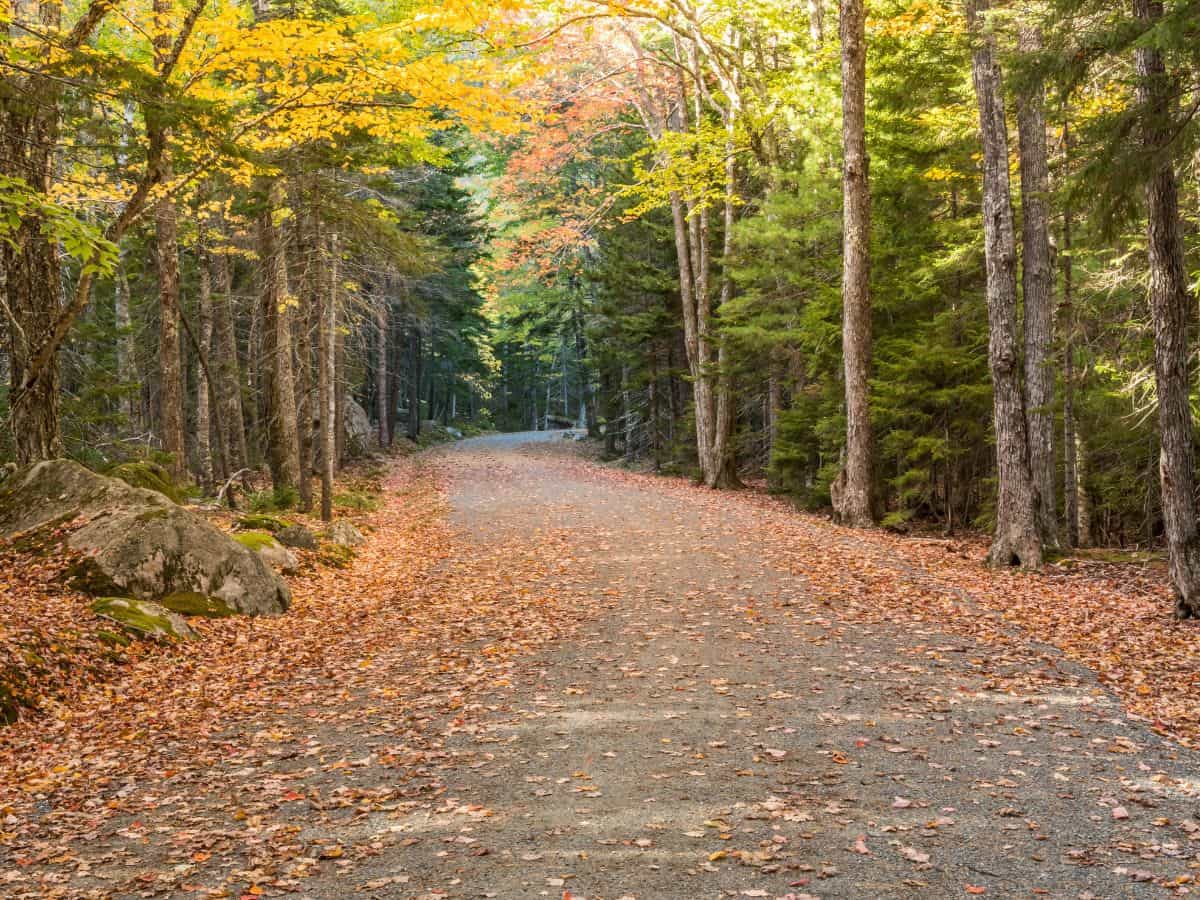
Biking the Carriage Roads is at the top. Acadia offers 45 miles of historic, car-free gravel paths built by John D. Rockefeller Jr. between 1913 and 1940. These roads wind through forests, past lakes, and over 17 stone bridges, each with its own character.
You can rent bikes in Bar Harbor and access the trails via Duck Brook Bridge, just 1.7 miles from town. Whether you choose a traditional bike or an e-bike, the ride promises sweeping views and a peaceful rhythm that’s hard to find elsewhere. We didn’t get to experience it firsthand, but it’s a must for our next visit.
Cruising for Puffins
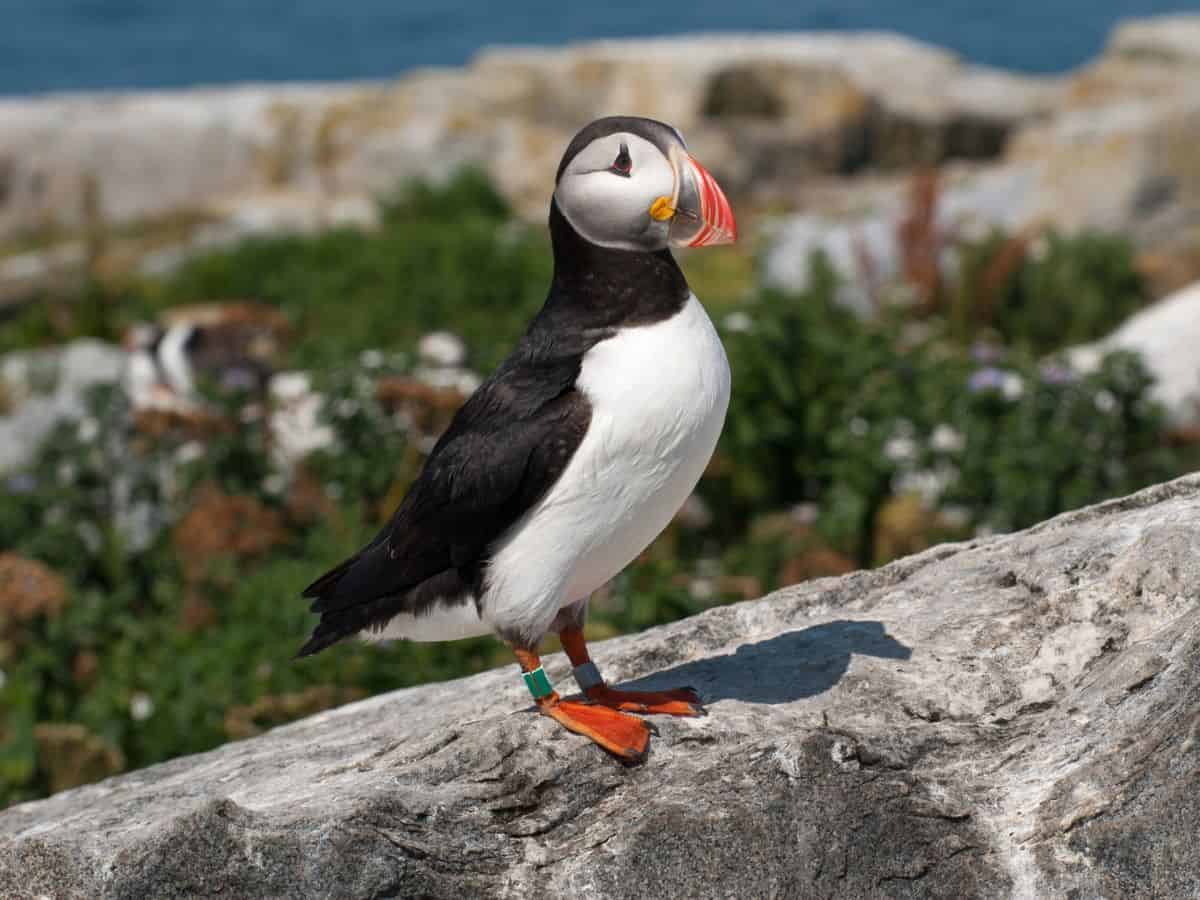
We also missed out on a puffin cruise simply because we didn’t know puffins were nearby. Had we known, we would’ve booked one in a heartbeat. Puffins nest on offshore islands like Petit Manan from mid-May through mid-August, and several tours from Bar Harbor and Steuben offer close-up views.
These cruises often include sightings of seals, eagles, and other seabirds, with naturalists onboard to guide the experience. Puffins are surprisingly small—about the size of a crow—and seeing them bobbing in the waves or perched on rocky outcrops is a bucket-list moment we’re eager to check off.
Both experiences—biking and puffin spotting—feel like the perfect blend of Acadia’s charm: quiet, quirky, and unforgettable.
🫖 Simple Joys & Local Flavor
Some of Acadia’s most memorable moments weren’t grand vistas or epic hikes—they were quiet, unexpected joys that made us smile and slow down.
Jordan Pond House
We had never heard of a popover before this trip. Honestly, we chuckled at the name. But our visit to Jordan Pond House, perched on the southern end of Jordan Pond, changed that.
This historic tea house has been serving popovers and tea since the 1890s. We sat on the lawn, overlooking the pond and the Bubble Mountains, and enjoyed the warm, airy pastries with butter and jam. Paired with a soothing cup of tea, it was the kind of peaceful moment that set the tone for an entire day.
Reservations are recommended, especially in peak season, and the restaurant is open from mid-May through late October.
👉 Many of Acadia’s most beloved experiences—like this one—are seasonal. For tips on timing your visit around weather, crowds, and open amenities, check out our guide to the best time to visit Acadia National Park.
Bass Harbor Head Lighthouse

Tucked into the quiet side of the island, one timeless beacon drew us in with its rugged charm and coastal drama. Bass Harbor Head Lighthouse was a highlight—especially for a lighthouse lover like me. Located on the southwest tip of Mount Desert Island, it marks the entrance to Bass Harbor and Blue Hill Bay.
Built in 1858, the tower stands 37 feet tall and is one of the most photographed spots in the park. We didn’t go inside (it’s still a Coast Guard residence), but the short trail and cliffside viewpoint gave us a dramatic look at the rocky shoreline. It’s easy to see why lighthouses are so critical here—the coast is rugged and unforgiving.
If you’re as drawn to these coastal sentinels as we are, check out our roundup of bucket list-worthy lighthouses across the U.S. It’s a tribute to the towers that guide, inspire, and steal the spotlight—just like Bass Harbor did.
Bar Harbor
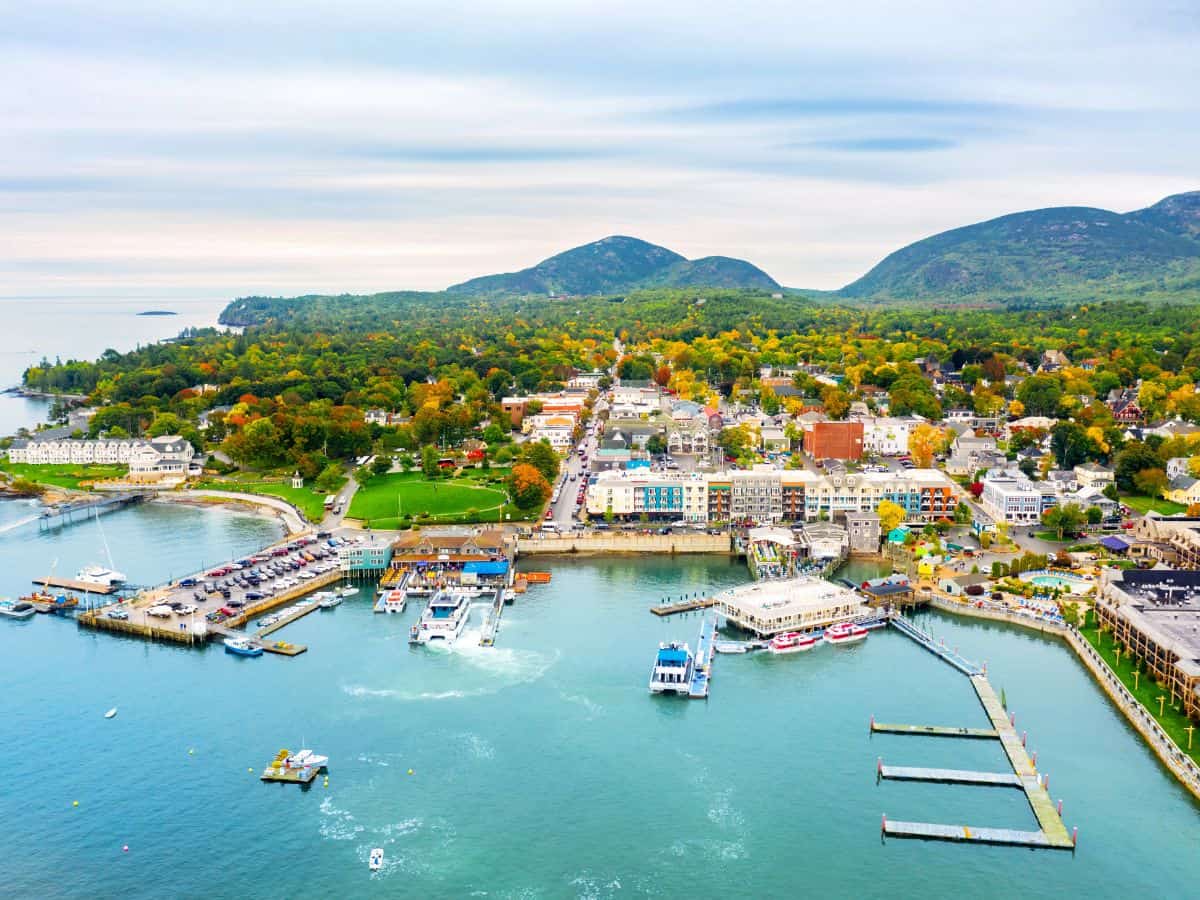
And then there’s Bar Harbor, a town that surprised us with its charm and peaceful vibe. We visited before the busy season, and the town square felt like a welcoming retreat. I sat on a bench, sipping a delightful cup of coffee from Acadia Perk, just soaking in the calm.
The grassy areas and harbor views made it easy to linger. For blueberry lovers like me, it was paradise—blueberry pie, muffins, wine, soda, ice cream, you name it, they had it. And for those who crave lobster, you won’t be disappointed. Cozy cafés, seafood shacks, and walkable streets made Bar Harbor the perfect complement to our park experience.
🐾 Wildlife Wonders & Unexpected Lessons
We assumed we might see a moose—this is Maine, after all. But a ranger gently corrected us: moose don’t live in Acadia. The island’s geography and limited habitat make it unsuitable, and sightings are extremely rare. If you do spot one, it’s likely lost or sick. That moment stuck with us—and reminded us that every park has its own ecological story.
We also learned that puffins nest on offshore islands near Acadia, like Petit Manan. The park itself doesn’t host colonies, but nearby boat tours offer seasonal viewing from mid-May through August. Had we known, we would’ve booked a cruise. It’s now high on our list for next time.
One surprise we did experience firsthand? Birdwatching. After a bald eagle swooped past our car, we spent the rest of our visit listening and scanning treetops. Acadia is home to over 300 bird species—from loons and warblers to peregrine falcons and owls. It’s now one of our favorite national parks for birding. See our full list of top birding parks here.
And while we mentioned it earlier, it’s worth repeating: tide pooling along Acadia’s rocky shores is pure magic. Tiny ecosystems reveal themselves at low tide, and we were hooked from the moment we spotted our first sea star.
✨ Final Reflections
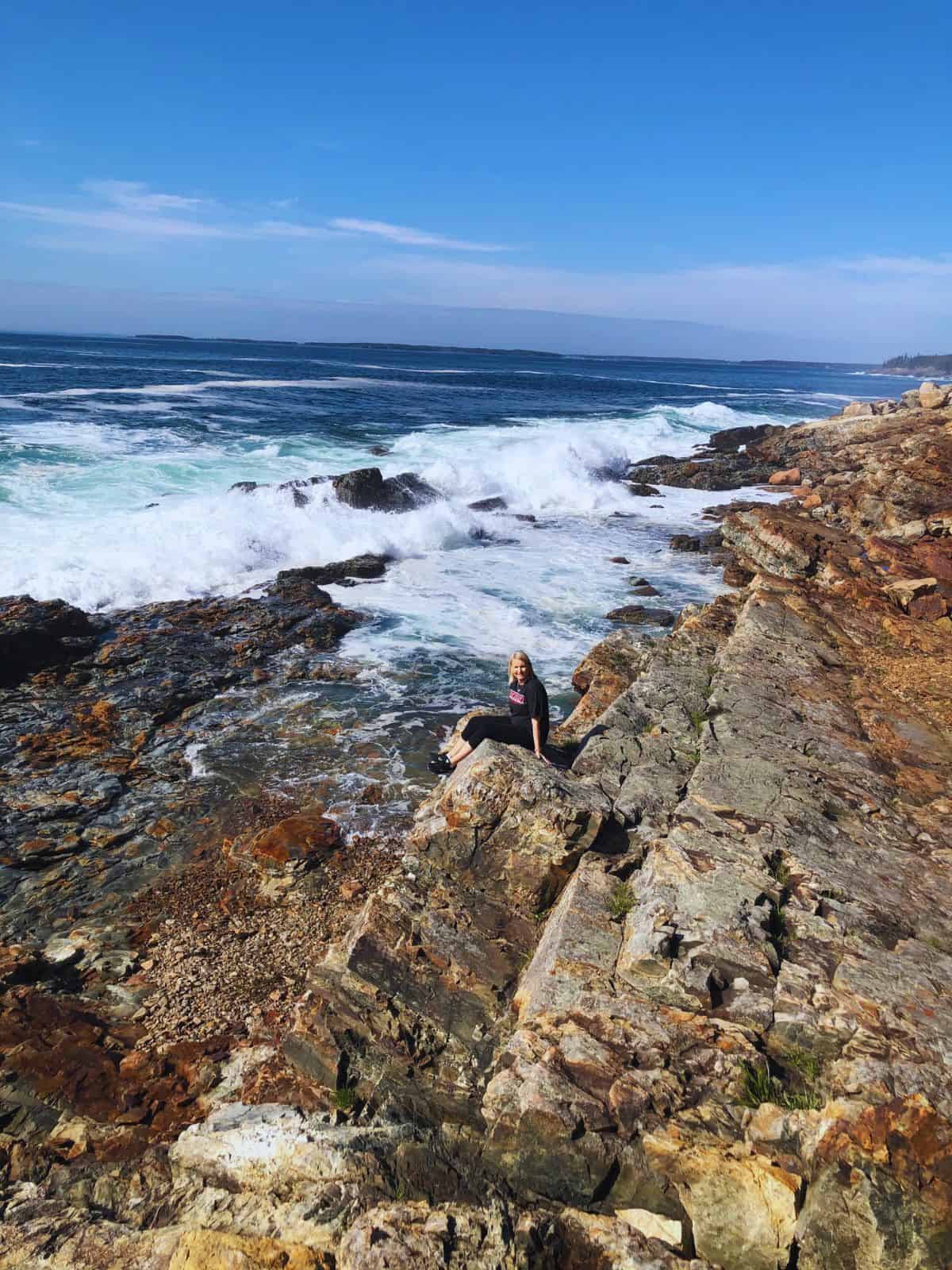
We came to Acadia as national park rookies, unsure what to expect. What we found was a place that surprised us at every turn—through rocky shores, quiet trails, popovers on the lawn, and puffins we didn’t know were nearby.
It wasn’t just the scenery that moved us. It was the rhythm of the place—how time slowed, how we laughed into the wind on Cadillac Mountain, how tide pools revealed tiny worlds we’d never noticed before.
Acadia reminded us that wonder doesn’t always roar—it often whispers. And for us, it whispered something unforgettable.
🧭 5 Quick Tips for First-Time Visitors
- Visit in mid-May or early October for fewer crowds and vibrant scenery.
- Reserve Cadillac Mountain sunrise access in advance (May–October).
- Don’t skip tide pooling—check tide charts and explore at low tide.
- Try popovers at Jordan Pond House or grab one downtown at The Stadium.
- Explore beyond Mount Desert Island—Schoodic Peninsula offers solitude and stunning views.
👉 Ready to plan your own unforgettable trip? Our complete Acadia National Park planning guide covers everything from park logistics and seasonal tips to hidden gems and personal insights. Let it be your compass.
Featured image credit: brianloganphoto via Deposit Photos