

Planning the best time to visit Everglades National Park can make or break your experience. We’ve had our share of mistimed national park trips—but this wasn’t one of them.
We visited in late January and hit the sweet spot: comfortable temps, no mosquito issues, and wildlife everywhere. From alligators and manatees to off-the-charts birding, it was one of our most memorable park visits.
Yes, we saw plenty of other visitors, but we never felt rushed or overwhelmed. With mild weather, manageable crowds, and nature on full display, it felt like the Everglades were putting on a show just for us.
Next, we’ll walk through how weather, crowds, seasonal perks, and travel costs shift throughout the year—so you can find your own sweet spot.
Disclosure: This post may contain affiliate links. If you make a purchase through one of these links, I may earn a small commission at no additional cost to you. Thanks for keeping Miles with McConkey going!
🌀 Everglades Has Two Seasons—Not Four
Forget everything you know about spring, summer, fall, and winter. In Everglades National Park, it’s all about the dry season and the wet season. Understanding the difference is key to planning a smooth, memorable visit.
Tap below to see what each season brings—and how to make the most of it.
☀️ Dry Season (December to mid-May)
- Wildlife is abundant and easy to spot—especially birds and alligators.
- Mosquitoes are minimal, though repellent is still recommended.
- Comfortable temps range from the low 50s to the upper 70s.
- Ranger-led programs are widely available across all entrances.
- Visitor centers open earlier (8:00 AM).
- Trails are dry and fully accessible.
- Airboat tours offer excellent wildlife viewing.
- Ideal for photography, birding, and family-friendly exploration.
- Lodging rates are higher; book early for best availability.
- Peak visitation months: January through March.
🌧️ Wet Season (mid-May to November)
- Mosquitoes and biting flies are intense—especially near water and at dawn/dusk.
- Wildlife disperses due to rising water levels—sightings are rare.
- High humidity and daily thunderstorms are common.
- Heat index often exceeds 100°F.
- Visitor centers open later (9:00 AM).
- Ranger programs are limited due to staffing and weather.
- Some trails may close temporarily due to flooding.
- Airboat tours still operate, but wildlife viewing is hit-or-miss.
- Lodging rates are lower, but hurricane season may impact travel.
- Fewer crowds, but conditions can be challenging.
📊 Crowd Levels & Visitation Statistics

Everglades sees between 800K and 1.1 million visitors annually. Monthly averages vary, but in general, the dry season draws more travelers—and for good reason. Wildlife is easier to spot, trails are fully accessible, and ranger programs are in full swing. While crowds and lodging prices are slightly elevated during this time, the comfortable temps, minimal bugs, and abundant wildlife more than make up for it—at least in our experience.
Visitor numbers below reflect rounded monthly averages based on the lowest and highest totals from the past four years.
| Month | Monthly Visitor Range |
|---|---|
| January | 65K–140K |
| February | 84K–156K |
| March | 82K–136K |
| April | 59K–132K |
| May | 44K–96K |
| June | 52K–97K |
| July | 59K–81K |
| August | 56K–87K |
| September | 38K–61K |
| October | 38K–50K |
| Novemer | 60K–65K |
| December | 68K–81K |
🌡️ Weather Overview
Everglades National Park experiences dramatic seasonal contrasts, though not in the way most travelers expect. Winters (December–February) are mild and dry, offering the most comfortable hiking and wildlife viewing conditions.
Spring (March–May) warms up quickly, with humidity rising by late May. Summer (June–August) is intensely hot and humid, with daily thunderstorms and a heat index that often exceeds 100°F, making outdoor activity challenging.
Fall (September–November) typically begins warm and wet, gradually transitioning to drier, cooler conditions. Understanding these seasonal rhythms helps visitors plan for comfort, safety, and the best wildlife encounters.
| Season | Temps (°F) | Conditions & Highlights |
|---|---|---|
| Winter | Highs: 78–80 Lows: 54–56 | Dry season; low humidity, ideal wildlife viewing, minimal bugs |
| Spring | Highs: 82–88 Lows: 58–66 | Transition season; rising temps, increasing mosquitoes |
| Summer | Highs: 90–92 Lows: 71–73 | Wet season; daily storms, high humidity, intense heat index |
| Fall | Highs: 87–83 Lows: 70–63 | Hurricane risk; lingering bugs, fewer wildlife sightings |
Want to dig deeper? Here’s a month-by-month breakdown of average temps and rainfall to help you fine-tune your visit.
📅 Monthly Weather Breakdown
| Month | Avg. High (°F) | Avg. Low (°F) | Avg. Precipitation (in.) |
|---|---|---|---|
| Jan | 78 | 54 | 1.65 |
| Feb | 80 | 56 | 1.85 |
| Mar | 82 | 58 | 1.92 |
| Apr | 85 | 61 | 2.77 |
| May | 88 | 66 | 5.86 |
| June | 90 | 71 | 9.07 |
| July | 91 | 73 | 7.07 |
| Aug | 92 | 73 | 8.30 |
| Sept | 92 | 73 | 8.71 |
| Oct | 87 | 70 | 5.54 |
| Nov | 83 | 63 | 2.28 |
| Dec | 79 | 57 | 1.37 |
🛶 Seasonal Activities & Amenities

The wet and dry seasons shape more than just weather and crowd levels—they also influence what’s available at the park. From ranger programs and trail access to boat tours and wildlife visibility, seasonal shifts affect which experiences are open, comfortable, or even possible.
Use the toggles below to explore what each season offers, so that you can plan around your interests and accessibility needs.
☀️ Dry Season
- Visitor centers open 8:00 AM–5:00 PM.
- Ranger-led programs are widely available.
- Wildlife is active and visible.
- Mosquitoes are minimal.
🌧️ Wet Season
- Visitor centers open 9:00 AM–5:00 PM.
- Ranger programs are limited.
- Wildlife disperses due to rising water.
- Mosquitoes and biting flies are prevalent.
- Trails may close temporarily due to flooding.
Once you’ve picked your season, it’s time to dive into the best experiences. Discover 10 unforgettable things to do in the park.
💰 Costs: Lodging & Park Access
Park admission remains consistent year-round. The entrance fee is $35 per vehicle, valid for seven consecutive days across all Everglades entrances.
Lodging, however, varies by season and location. Because the park spans multiple access points—from Homestead to Everglades City—rates can differ widely depending on where you stay.
Julie and I stayed in Florida City, just outside the Homestead entrance, where rates tend to be more favorable compared to other gateway towns. Homestead also offers budget-friendly options and easy access to the park’s eastern side.
🧭 Where you stay depends on which entrance you use—and that can shape your entire park experience.
If you’re still deciding which entrance fits your travel style, check out our guide to the Everglades park entrances for tips on access, amenities, and nearby highlights.
Lodging Near the Homestead Entrance (Florida City)
We found Florida City to be a great base—here’s how lodging rates shift by season.
| Season | Avg. Hotel Rate (Florida City) | Notes |
|---|---|---|
| Winter | $100–$140/night | Dry season; popular for park access, but still budget-friendly |
| Spring | $90–$130/night | Slight taper; good balance of comfort and price |
| Summer | $65–$100/night | Off-season discounts; high bug factor and heat index |
| Fall | $70–$110/night | Shoulder season; hurricane risk may lower prices |
Use the interactive map below to browse lodging options in Florida City, just outside the Homestead entrance. It’s a great starting point for budget-friendly stays and easy access to the park’s eastern side.
Lodging Near the Gulf Coast Entrance (Everglades City)
Everglades City offers a quieter gateway to the park’s western side—here’s how lodging rates tend to vary throughout the year.
| Season | Avg. Hotel Rate (Everglades City) | Notes |
|---|---|---|
| Winter | $140–$180/night | Peak season; book early for best rates |
| Spring | $120–$160/night | Rates taper slightly; still popular |
| Summer | $80–$120/night | Off-season discounts; high bug factor |
| Fall | $90–$130/night | Shoulder season; hurricane risk may lower prices |
Use the interactive map below to browse lodging options in Everglades City, near the Gulf Coast entrance. It’s a great starting point for those planning to explore the park’s western side, especially if you’re interested in boating, fishing, or quieter access to Ten Thousand Islands.
🐊 Why Everglades NP Is Worth Visiting
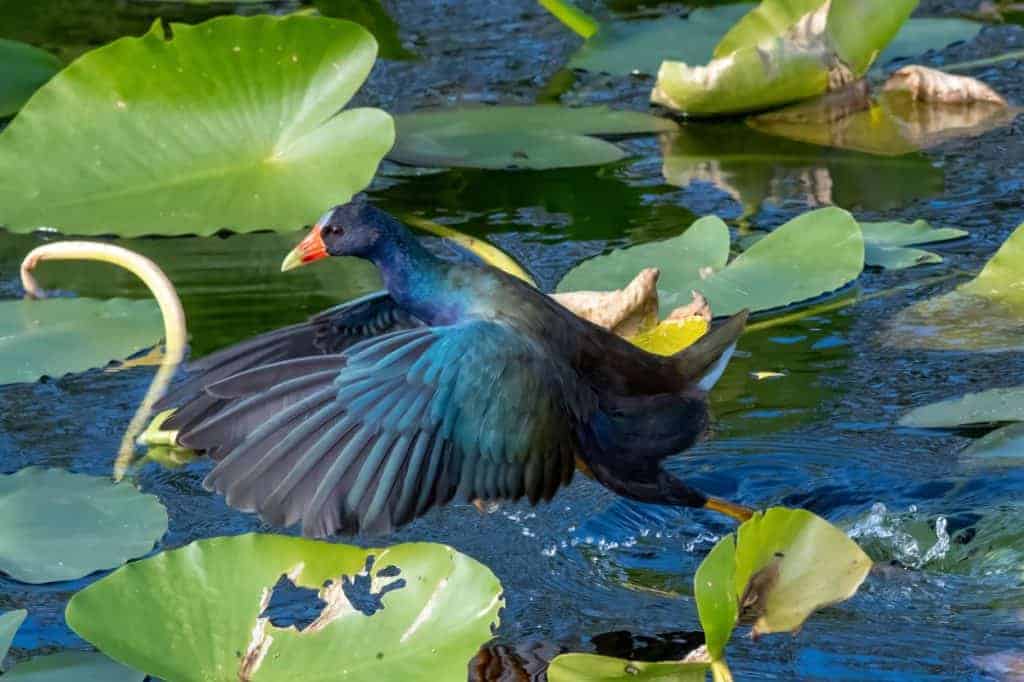
Everglades National Park is the largest subtropical wilderness in the U.S. and home to the most extensive mangrove ecosystem in the Western Hemisphere. It’s a UNESCO World Heritage Site—one of only 14 U.S. national parks with that designation.
Curious which other U.S. parks share UNESCO status? Explore the full list and see what makes them globally significant.
Whether you’re gliding through sawgrass on an airboat, spotting alligators from a boardwalk, or birding in the early morning light, the Everglades delivers a one-of-a-kind experience. Birders especially will appreciate the diversity here—Everglades ranks among the top national parks for avian life.
Want to see how it compares? Check out our guide to the best national parks for birding.
🚫 Worst Time to Visit
Summer (June–August) is the most challenging time to visit. High heat, humidity, daily thunderstorms, and relentless mosquitoes make it tough to enjoy the park. Wildlife is harder to spot, and trail closures are common. If summer’s your only option, plan early mornings and bring serious bug protection.
❓ FAQs
Before you pack your bags, here are answers to common questions we’ve heard from fellow travelers.
What is the best time to visit Everglades National Park?
Late winter (January–February) offers the best mix of wildlife sightings, comfortable weather, and minimal mosquitoes.
Are mosquitoes really that bad in summer?
Yes. The wet season creates ideal breeding conditions. Mosquitoes and biting flies are intense—especially near water and at dawn/dusk.
Can I visit all areas of the park year-round?
Most areas are open daily, but some trails or facilities may close temporarily during the wet season due to flooding or weather.
What wildlife can I expect to see?
Alligators, wading birds, and more—wildlife is plentiful in the dry season. Manatees may be spotted near Flamingo, but sightings aren’t guaranteed. Shark Valley and Royal Palm offer top viewing odds.
Is Everglades NP good for birding?
Absolutely. Everglades is one of the top birding parks in the country, with hundreds of species and year-round viewing opportunities. From roseate spoonbills to snail kites, the diversity is remarkable—especially in winter and spring.
Which entrance should I use?
That depends on your interests. Each entrance offers a different slice of the park—whether it’s boat tours, hiking trails, or wildlife viewing. Picking the right one might be trickier than choosing the best time to visit.
🗺️ Ready to Plan Your Visit?
Whether you’re drawn to the clear skies and active wildlife of the dry season or the lush landscapes and solitude of the wet season, timing your trip to Everglades National Park makes all the difference. We hope this guide helps you plan a visit that fits your style—and your season.
Don’t miss our full guide to the Everglades!
We’ve got everything you need to plan your perfect trip.
Featured image credit: Miles with McConkey