

Florida’s Everglades National Park promises unique adventures. However, it isn’t very clear where to begin. The park has three entrances, four primary areas, and now one confused traveler. Let’s solve the puzzle of the Everglades National Park entrances so you can make the most of your adventure.
Disclosure: This post may contain affiliate links. If you make a purchase through one of these links, I may earn a small commission at no additional cost to you. Thanks for keeping Miles with McConkey going!
Reasons To Visit Everglades National Park
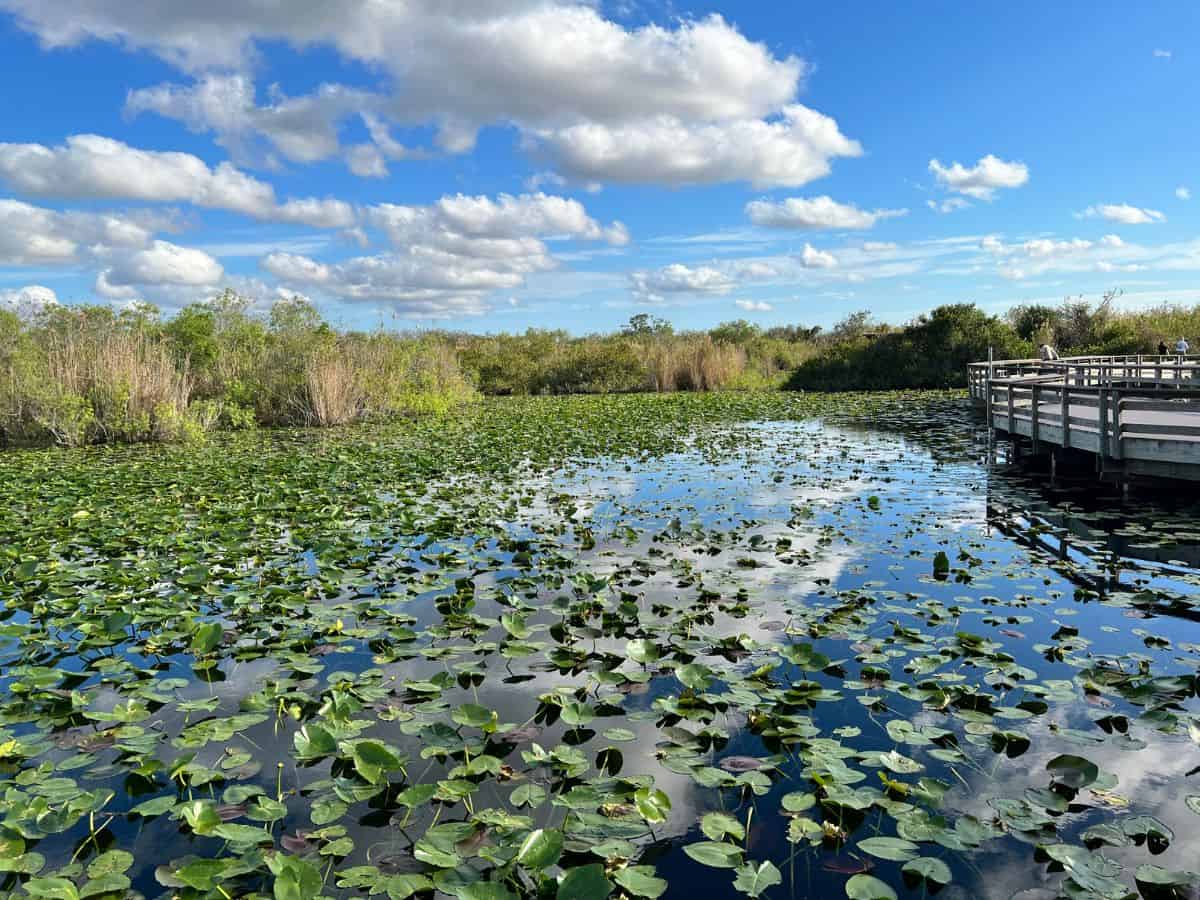
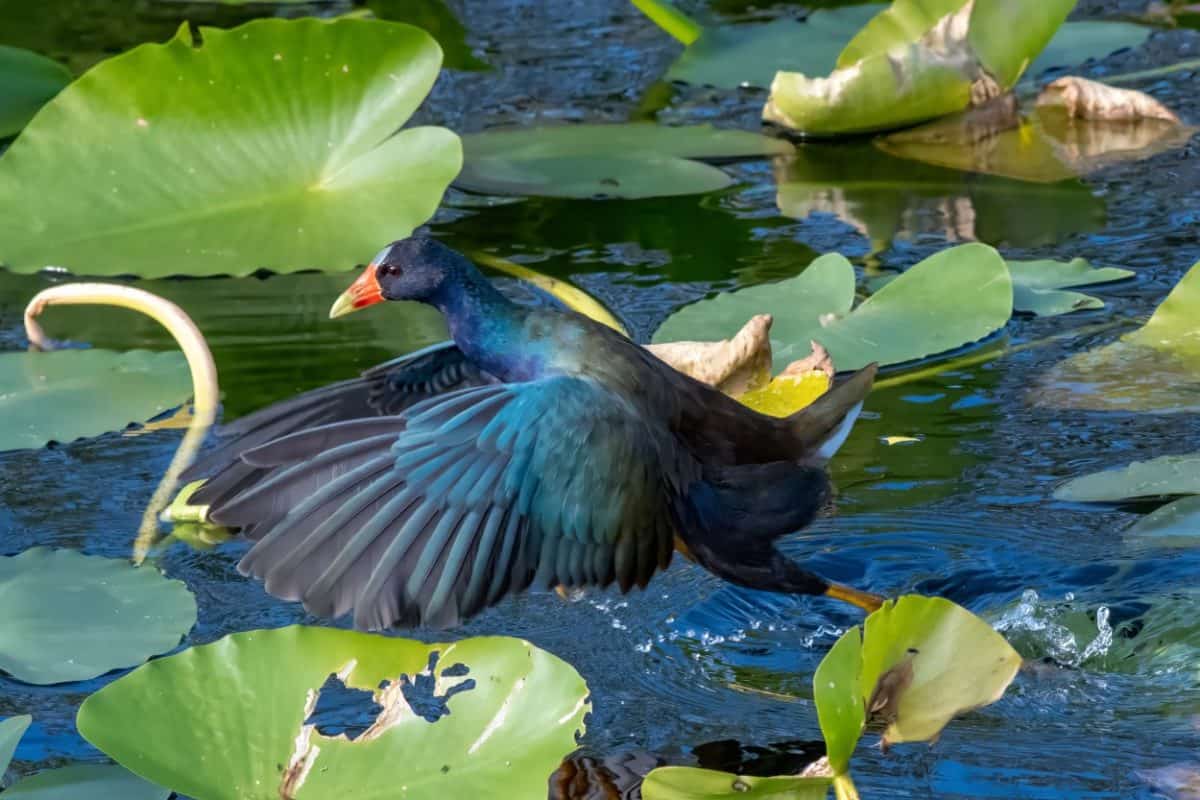
The park is home to 350 species of birds, 40 species of mammals, and various fish and reptiles. Over 30 endangered and threatened species live in the region, including the Florida panther and American alligator.
Everglades National Park harbors North America’s largest continuous stand of sawgrass prairie and the most extensive mangrove ecosystem in the Western Hemisphere.
Many people are under the impression that the Everglades is a vast swamp. In fact, it is a slow-moving river of grass 100 miles long and 60 miles wide.
Beyond its national park designation, the vital ecosystem is also a UNESCO World Heritage Site.
The park is located in southern Florida, spans over 1.5 million acres, and has three entrance areas. Each entrance yields unique recreation and wildlife.
Knowing what you most want to see and do will help determine where to spend your time in the park.
Homestead Entrance: Access to Royal Palm and Flamingo
The Homestead Entrance is located on the park’s east side and is considered the primary entrance. From here, you gain access to two of the park’s four primary areas. Royal Palm sits near the entrance, and Flamingo nestles at the end of the district’s 38-mile road.
Royal Palm
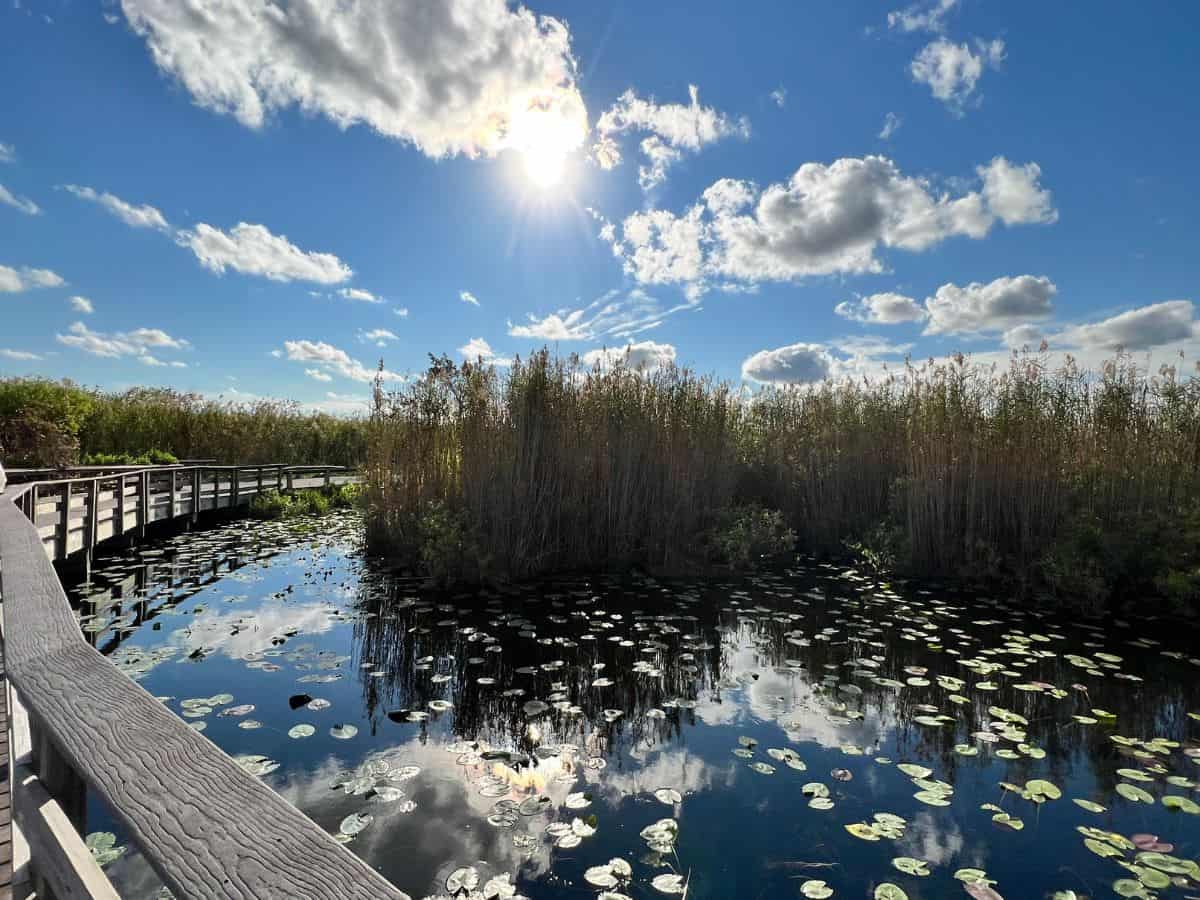
The Royal Palm area is renowned for the Anhinga Trail, an accessible path comprised of paved and boardwalk sections. It is an excellent area for observing birds, turtles, fish, and alligators. Julie and I loved this park region so much that we returned a second day to see alligators and birds.
Flamingo
The Flamingo area offers boat tours, bicycle and boat rentals, and access to hiking and canoeing trails. It is also known for its legendary sunset views over Florida Bay and unique wildlife. While alligators inhabit much of the park, crocodiles are challenging to find. Visitors regularly spot crocodiles in Flamingo.
Manatees are also occasionally spotted in Flamingo. They swim into the area after a rainfall. Julie and I had previously only seen manatees in the zoo, so we were elated to see them in the wild.
We were surprised to discover an osprey nest outside the visitor center in Flamingo. Although the region is a hub of activity, it attracts unique wildlife that you likely will not see in other park sections.
Miami Entrance: Access to Shark Valley

You can enter the park’s north side straight across from Miami via U.S. Highway 41, which leads to Shark Valley. While the area does not harbor sharks, you should find plenty of alligators, birds, turtles, and fish.
Shark Valley is renowned for airboat tours. The park has partnered with three vendors to provide guided airboat tours: Coopertown, Gator Park, and Everglades Safari Park. Zigzagging on the river of grass in search of wildlife is a thrill ride you will never forget.
The main road in Shark Valley stretches 15 miles. You can take a guided tram tour or rent a bike to explore the road. Julie and I walked the first two miles and saw lots of wildlife. While we saved a few dollars, we did miss out on an observation tower that provides a spectacular view from above.
Everglades City Entrance: Access to Ten Thousand Islands
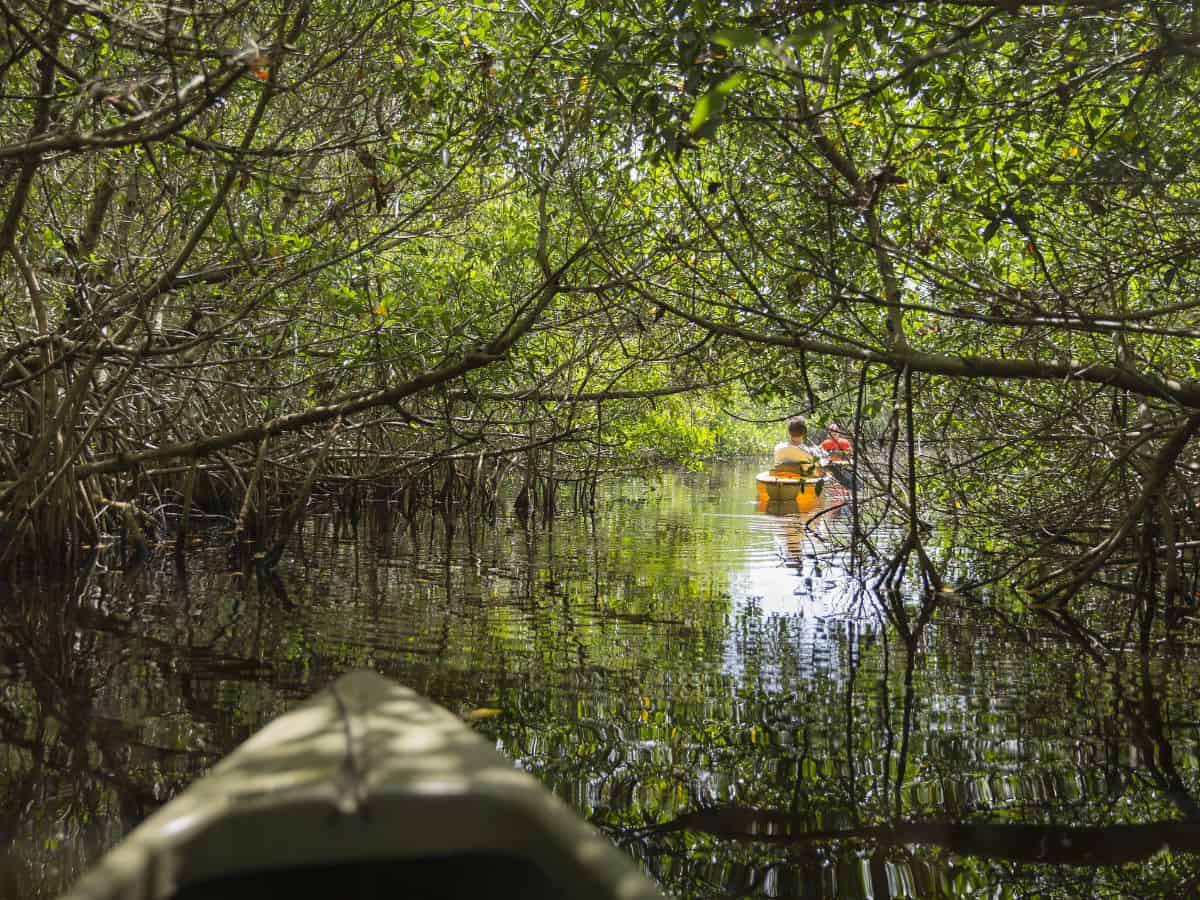
The Everglades City Entrance nestles on the Gulf Coast and grants access to the Ten Thousand Islands area, a maze of mangrove islands. While you can take a boat tour, many visitors prefer to kayak through the maze, which is a challenging but rewarding experience.
Tips for Visiting Everglades National Park
Each region offers unique experiences, so the key to unlocking Everglades National Park is to determine which area has the activities and wildlife that most appeal to you. Beyond that, we have some additional insight to help you plan your trip.
The park is open daily, rain or shine, including holidays. However, visitor center hours can vary based on staffing levels.
Park entry is $35 per car, valid for 7 days. For $80, consider purchasing an America the Beautiful park pass. The annual pass is valid at all our national parks.
Everglades National Park has two seasons rather than the customary four. The wet season runs from May through November, and the dry season runs from December through April. As a bonus, the dry season offers fewer mosquitoes and more wildlife. Want to time your visit just right? Explore our full guide to the best time to visit Everglades National Park.
Pack water, sunscreen, and insect repellent to stay hydrated and protect yourself from the elements.
If you plan to take an airboat tour, make reservations. Tours often sell out.
Due to their proximity, exploring Royal Palm, Flamingo, and Shark Valley in one day is feasible. We suggest an additional day if you also plan to explore the Ten Thousand Islands.
Pay attention to your surroundings while hiking in the park. We encountered many snakes and alligators near the trails.
With scary creatures and thrilling airboat tours, the park is an exhilarating experience. We hope you enjoy it as much as we did.
Ready to plan your adventure? Dive into our full Everglades National Park guide for entrances, activities, and insider tips.
Featured image credit: Max Harlynking