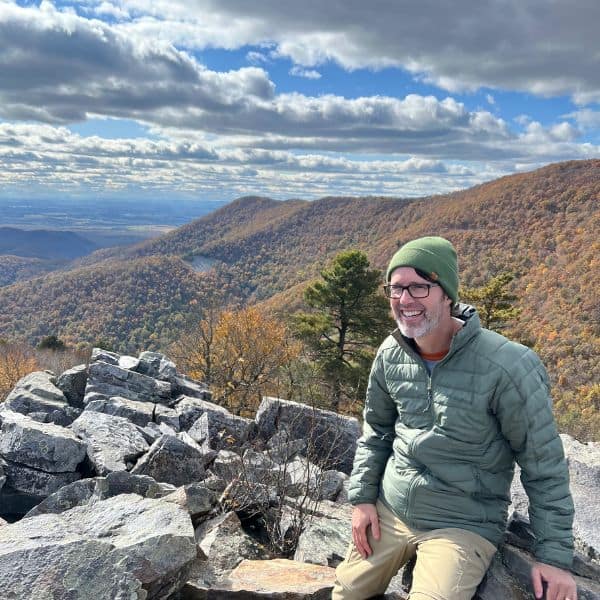

After years of anticipation, our first trip to Olympic National Park proved every bit as rewarding as we hoped. Julie and I visited in mid‑September, which meant we avoided the big summer crowds but arrived a little too early for the fall foliage. That timing reminded us how much the park changes throughout the year.
Olympic offers an incredible mix of habitats — from rugged coastline to lush rainforest to alpine peaks — and each season brings its own diversity of experiences. If you’re wondering about the best time to visit Olympic National Park, the answer depends on what you want to see and do. In this guide, we’ll help you navigate the seasons so you can plan your visit with confidence.
Disclosure: This post may contain affiliate links. If you make a purchase through one of these links, I may earn a small commission at no additional cost to you. Thanks for supporting Miles with McConkey.
🗓️ Seasonal Tips
Olympic National Park offers something different every season. Tap below to explore seasonal tips.
🌸 Spring
- Trails can be muddy — waterproof boots are a smart choice.
- Wildflowers begin to bloom in lower elevations by late April.
- Snow may linger at Hurricane Ridge, so check conditions before heading up.
- Wildlife is active; keep an eye out for elk and black bears.
☀️ Summer
- Long daylight hours make it the best season for hiking.
- Crowds peak in July and August — arrive early for parking.
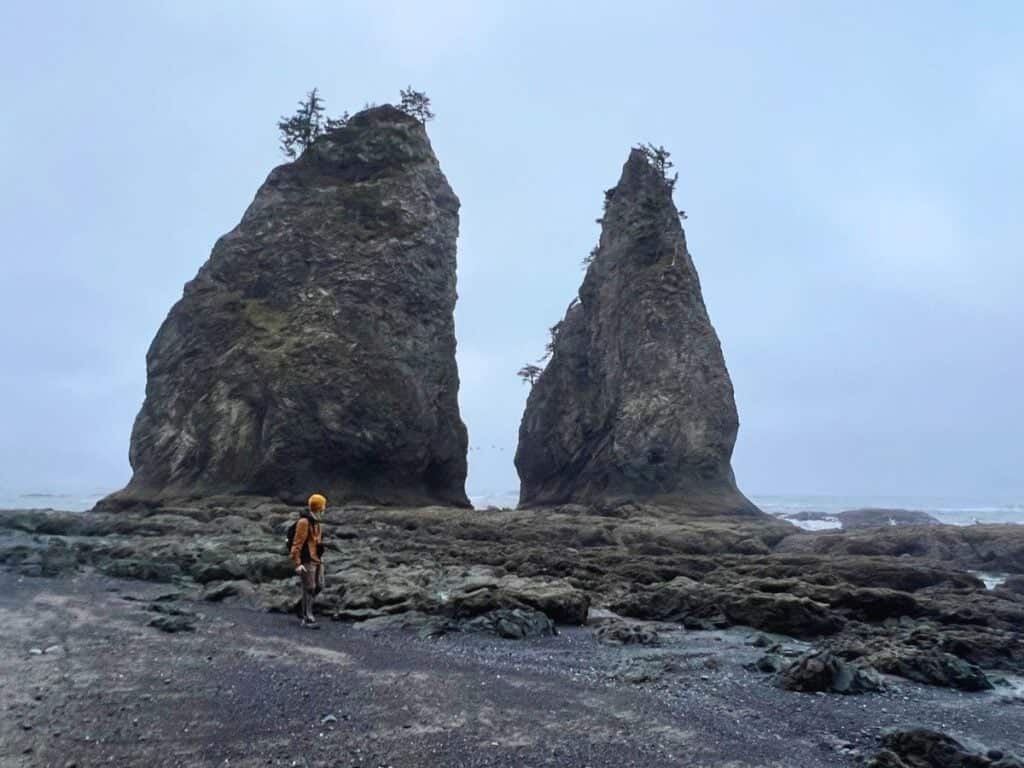
- Coastal areas stay cooler, perfect for tidepooling at Rialto Beach.
- Book lodging well in advance; summer accommodations fill quickly.
🍂 Fall
- Early September offers quieter trails after summer crowds.
- Fall foliage peaks in late October, especially in forested valleys.
- Rain increases, so pack layers and a reliable rain jacket.
- Lodging prices often drop compared to summer rates.
❄️ Winter
- Hurricane Ridge transforms into a snowy playground for skiing and snowshoeing.
- Many trails at lower elevations remain accessible year‑round.
- Coastal areas are dramatic with storm-watching opportunities.
- Visitor services are limited, so plan ahead for food and lodging.
Whether you’re chasing wildflowers, fall colors, or snowy adventures, each season shapes the park experience in unique ways. Let’s look at how crowd levels and visitation statistics can influence your timing.
📊 Crowd Levels & Visitation Statistics
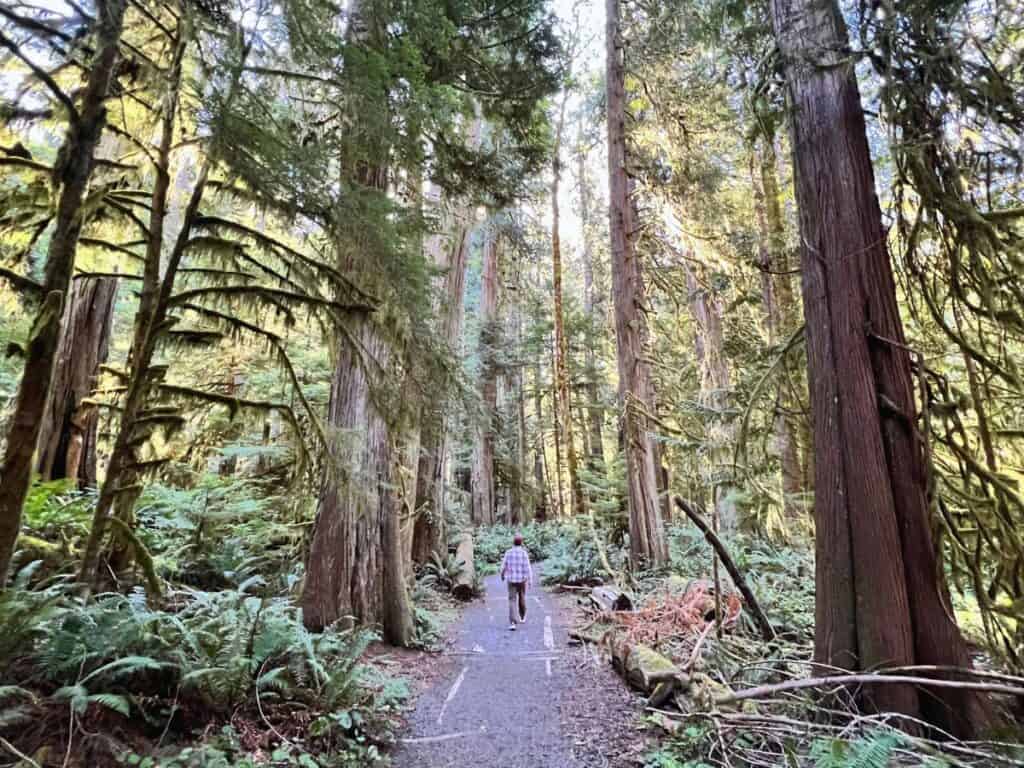
Olympic National Park receives about 3 million visitors each year. Unlike many parks with predictable monthly patterns, Olympic’s visitation numbers vary widely from year to year. Some months swing by more than 100,000 visitors, depending on weather, events, or broader travel trends.
To give you a sense of the ranges, here’s a look at average monthly visitation over the past few years:
| Month | Avg. Visitors (Range) |
|---|---|
| January | 70K–100K |
| February | 80K–117K |
| March | 132K–167K |
| April | 100K–200K |
| May | 235K–429K |
| June | 322K–378K |
| July | 432K–570K |
| August | 518K–800K |
| September | 322K–537K |
| October | 151K–339K |
| November | 100K–235K |
| December | 80K–120K |
✨ How to Interpret the Numbers
- May: Wild swings from 100K to over 400K; a typical year is closer to 300K.
- August: Ranges from 518K to 800K, but most years fall between 500K–600K.
- September: Spiked in 2024, yet usually closer to 350K.
- October & November: Historically around 100K–150K, but in recent years those figures have doubled.
Because of these fluctuations, it’s best to use the ranges as a guide rather than a guarantee. Olympic’s diverse ecosystems and unpredictable weather patterns make visitation less consistent than other national parks.
Visitor numbers tell part of the story, but the park’s changing weather is just as crucial in shaping your experience. Let’s look at how conditions vary by season.
🌦️ Weather in Olympic National Park

Olympic’s weather is famously unpredictable. Because the park spans beaches, rainforests, and alpine ridges, conditions can differ dramatically depending on where you stand. It might be foggy on the coast, raining in the Hoh Rain Forest, and sunny at Hurricane Ridge — all at the same time.
The rainy season runs from November through April, with November, December, and January often recording the heaviest precipitation. By contrast, July and August are the sunniest and driest months, making them the most reliable for clear skies and hiking. Always check the latest forecast before visiting, since conditions can shift quickly.
Average Monthly Temperatures (Port Angeles Lowland Averages)
| Month | Avg Temp (High / Low °F) | Notes |
|---|---|---|
| January | 41 / 31 | Peak rainy season; heavy snow in high elevations. |
| February | 46 / 32 | Rain continues; occasional snow at lower elevations. |
| March | 51 / 34 | Rainy; trails muddy; snow lingers in the mountains. |
| April | 56 / 37 | Spring blooms; higher trails may still be snow‑covered. |
| May | 62 / 42 | Milder; wildflowers; lingering snow at Hurricane Ridge. |
| June | 67 / 47 | Transition month; rain possible; alpine trails opening. |
| July | 72 / 50 | Sunniest and driest; peak hiking season; fog possible on coast. |
| August | 74 / 51 | Sunniest and driest; warmest month; thunderstorms possible in high country. |
| September | 68 / 47 | Cooler nights; drier early; rain increases late month. |
| October | 57 / 41 | Fall colors; rain returns; snow possible in high country. |
| November | 47 / 36 | Peak rainy season; flooding risk; snow begins in the mountains. |
| December | 41 / 31 | Peak rainy season; heavy rain and snow; winter recreation at Hurricane Ridge. |
📌 Weather Varies Across the Park
- Rainforests (Hoh, Quinault): Annual rainfall can exceed 140 inches, creating lush temperate rainforests.
- Coastline: Fog and storms are common, even in summer.
- Hurricane Ridge: Records 30–35 feet of snow each winter, with alpine conditions far colder than the lowlands.
- Rain Shadow Effect: Port Angeles averages only 25–30 inches of rain annually, much drier than the west side.
These dramatic differences in weather also shape the safety considerations visitors should keep in mind.
🛡️ Seasonal Safety Considerations
Olympic’s diverse habitats bring unique safety challenges. Rain, snow, tides, and storms can all affect your visit. Use the seasonal tips below to stay safe year‑round.
🌸 Spring
- Trails at higher elevations may remain snow‑covered and impassable.
- Heavy rain can cause flooding in rainforest valleys.
- Slippery conditions common on forest trails leading to beaches.
- Always check trail and campground status before heading out.
☀️ Summer
- Fog along the coast can reduce visibility.
- Thunderstorms possible in the high country — lightning risk.
- Tide charts are critical for safe beach hikes; some areas only accessible at low tide.
- Even at low tide, rocky shores can be slick — Julie and I saw someone fall at Hole in the Wall, and we used our hands to steady ourselves.
🍂 Fall
- Early snow in the mountains; icy conditions possible.
- Strong coastal storms bring dangerous waves and wind.
- Rain increases trail hazards; mud and slick rocks are common.
- Some roads and campgrounds begin closing for winter.
❄️ Winter
- Heavy rain and flooding in the lowlands.
- Avalanche danger at Hurricane Ridge; check daily conditions.
- Severe storms can close roads and limit access.
- Coastal storm watching is dramatic but risky — stay well back from the surf.
With precautions covered, let’s turn to the experiences and services that make each season unique.
🎒Seasonal Activities and Amenities
Olympic National Park is open 24 hours a day, year‑round. What’s available depends on the season: summer offers the widest range of programs and open facilities, while fall through spring bring reduced hours and occasional closures. Julie and I visited in September and loved the hikes, from beaches to forests to alpine ridges, each habitat offered something unique and rewarding.
Want to see how each season transforms Olympic? Tap the toggles below for activities, wildlife, and amenities.
🌸 Spring
- Hiking: Lower‑elevation trails open early; higher routes may remain snow‑covered into June.
- Wildflowers: Meadows and forest edges burst into bloom.
- Wildlife: Elk calving season; watch quietly from a distance.
- Whale Watching: Gray whales migrate north (April–May); prime viewing at Kalaloch, Rialto, and Shi Shi Beaches.
- Campgrounds: Seasonal campgrounds begin opening; check status pages for dates.
☀️ Summer
- Peak Season: June–September is busiest; most roads, campgrounds, and facilities are open.
- Hiking: Full access to alpine trails, beaches, and rainforests.
- Programs: Ranger‑led walks and talks widely available.
- Lodging: Park lodges (Kalaloch, Lake Crescent, Log Cabin Resort, Sol Duc) book quickly — reservations essential.
🍂 Fall
- Hiking: Cooler temps and colorful foliage; rain increases by late October.
- Wildlife: Elk rut season; bulls bugle and spar in meadows.
- Whale Watching: Southbound migration (Oct–Nov); coastal viewpoints excellent.
- Closures: Some campgrounds and roads begin closing for winter.
- Storm Watching: Coastal areas are dramatic but dangerous — check tide charts and stay back from the surf.
❄️ Winter
- Snow Sports: Hurricane Ridge offers cross‑country skiing, snowshoeing, sledding, and tubing.
- Ranger Programs: Guided snowshoe walks on Saturdays and Sundays, mid‑December through late March.
- Facilities: Many campgrounds closed; lodges like Kalaloch remain open year‑round.
- Roads: Several mountain roads closed; Hurricane Ridge Road open as conditions allow.
Once you know what each season offers, you may enjoy our guide to the top things to do in Olympic. It highlights the beaches, trails, and viewpoints that stood out most on our visit.
📌 Practical Notes
- Closures: Roads and facilities may close temporarily due to weather or construction. Always check current conditions before visiting.
- Visitor Centers: Olympic Visitor Center (Port Angeles) open daily year‑round, closed Thanksgiving and Christmas. Hours vary by season.
- Reservations: Lodging fills quickly in summer; book well in advance.
🦌 Wildlife Highlights by Season
- Spring: Elk calving season — watch quietly from a distance. Gray whales migrate north (April–May).
- Summer: Black bears occasionally seen on backcountry trails; seabird colonies active along the coast.
- Fall: Elk rut season — bulls bugle and spar in meadows. Gray whales migrate south (Oct–Nov).
- Winter: Bald eagles common near rivers; Roosevelt elk herd together in lower valleys.
📍 Prime whale‑watching spots include Kalaloch, Rialto, and Shi Shi Beaches.
Love spotting birds? Don’t miss our full guide to the best national parks for birding, where you’ll find even more destinations rich in avian diversity.
With activities and wildlife highlights covered, let’s turn to where you’ll stay during your visit.
💵 Costs and Lodging
Visiting Olympic National Park comes with a straightforward entrance fee: $30 per car, valid for seven consecutive days, year‑round. Lodging costs, however, vary by season and location. While there are lodges and campgrounds inside the park, many visitors stay in gateway towns like Port Angeles or Forks, often splitting their trip between multiple spots to maximize time across the park’s diverse regions.
Plan ahead: Lodging tends to book early, especially in summer, whether you’re staying inside the park or in nearby towns. Reservations are strongly recommended.
Here’s a snapshot of average hotel rates in Port Angeles, the most common base for exploring Olympic:
| Season | Avg. Hotel Rate (per night) | Notes |
|---|---|---|
| Spring | $110–$140 | Shoulder season; lower demand, but rain common. Good for budget travelers. |
| Summer | $170–$220 | Peak season; most facilities open, highest demand. Book well in advance. |
| Fall | $120–$160 | Shoulder season; colorful foliage, fewer crowds. Rates ease after Labor Day. |
| Winter | $100–$130 | Quietest season; limited facilities, but best deals. Hurricane Ridge offers snow sports. |
📍 Note: Rates reflect Port Angeles averages. Forks tends to be slightly lower, but with fewer options. Many visitors combine stays in both towns to cover coastal, rainforest, and alpine areas.
Use the interactive map below to explore lodging options in Port Angeles, compare rates, and book directly:
🌿 Why Olympic Is Worth Visiting
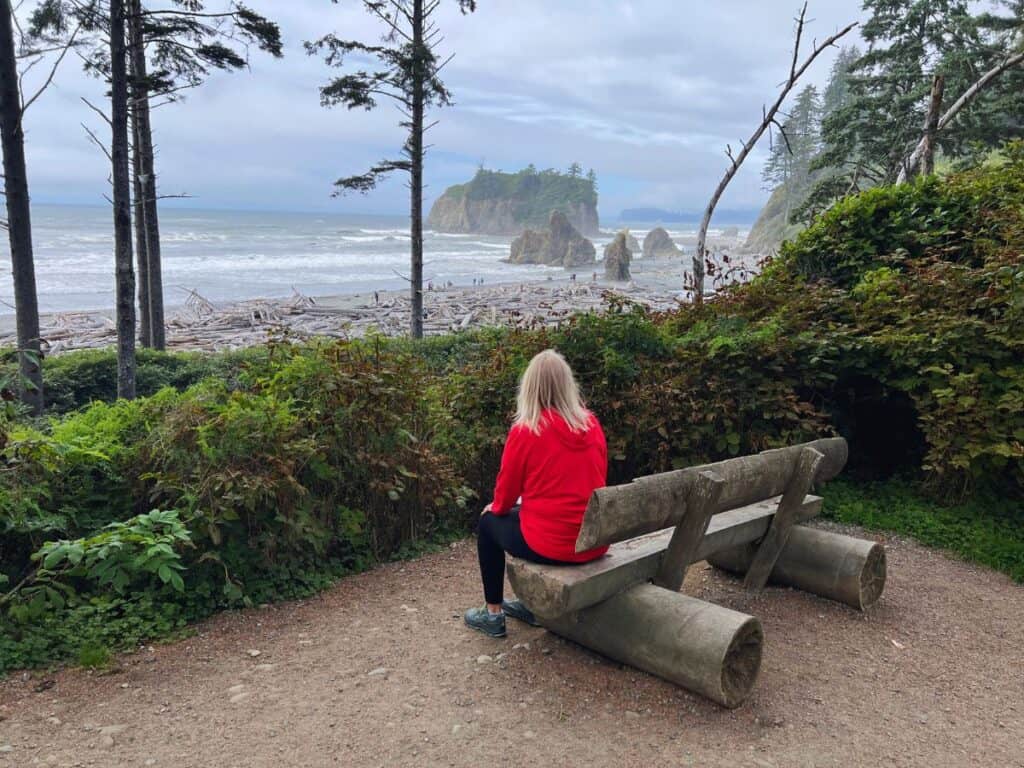
Olympic National Park is a place of extraordinary diversity, where rugged mountains, lush rainforests, and wild coastlines all converge. Visitors can hike through alpine meadows, wander beneath towering moss‑draped trees, and explore tide pools teeming with marine life. Birding opportunities abound across habitats, from coastal seabirds to forest songbirds. Julie and I especially loved the peaceful beauty of the park’s beaches and rainforests — each offered a different kind of magic, rewarding us with quiet moments and unforgettable scenery.
It’s no surprise that Olympic is recognized as a UNESCO World Heritage Site, celebrated for its ecological richness and global significance. If you’d like to explore more, check out my post on all U.S. national parks that are UNESCO World Heritage Sites. It’s a great way to see how Olympic fits into this elite group.
🚫 Worst Time to Visit Olympic NP
Every season in Olympic has trade‑offs, but winter is generally the most challenging time to visit. Heavy rain, snow, and mud can lead to road closures and limit hiking access. While Hurricane Ridge offers unique winter sports, some facilities and campgrounds are closed during this season.
Summer, on the other hand, brings the largest crowds and highest lodging costs, yet it remains the driest season with the widest range of activities and amenities.
⚠️ Seasonal Challenges
| Season | Challenges |
|---|---|
| Summer | Heavy crowds at popular spots, parking shortages, lodging rates at their highest. |
| Winter | Wettest season; frequent rain and snow, road closures, limited hiking access, some facilities and campgrounds closed. |
❓ Frequently Asked Questions
Here are quick answers to common questions travelers often have when planning a trip to Olympic National Park.
How many days do you need to see Olympic National Park?
Most visitors spend 2–3 days, but a week allows time to explore multiple ecosystems.
Can you drive through the entire park?
No, Olympic has no single road crossing the park. Access comes from multiple highways and entrances.
Are pets allowed on trails?
Pets are restricted to certain areas; most trails inside the park do not allow them.
Is cell service reliable in the park?
Coverage is limited. Expect spotty or no service in many areas, especially in rainforests and the coastal regions.
Do you need a permit for backcountry camping?
Yes, wilderness permits are required for overnight backcountry trips and can be reserved online.
📚 Ready to Plan Your Visit?
We’d love to help you make the most of your Olympic National Park adventure. Explore our full guide for insider tips, seasonal highlights, and practical planning advice.
Don’t miss our full guide to Olympic!
We’ve got everything you need to plan your perfect trip.
Featured image credit: Miles with McConkey