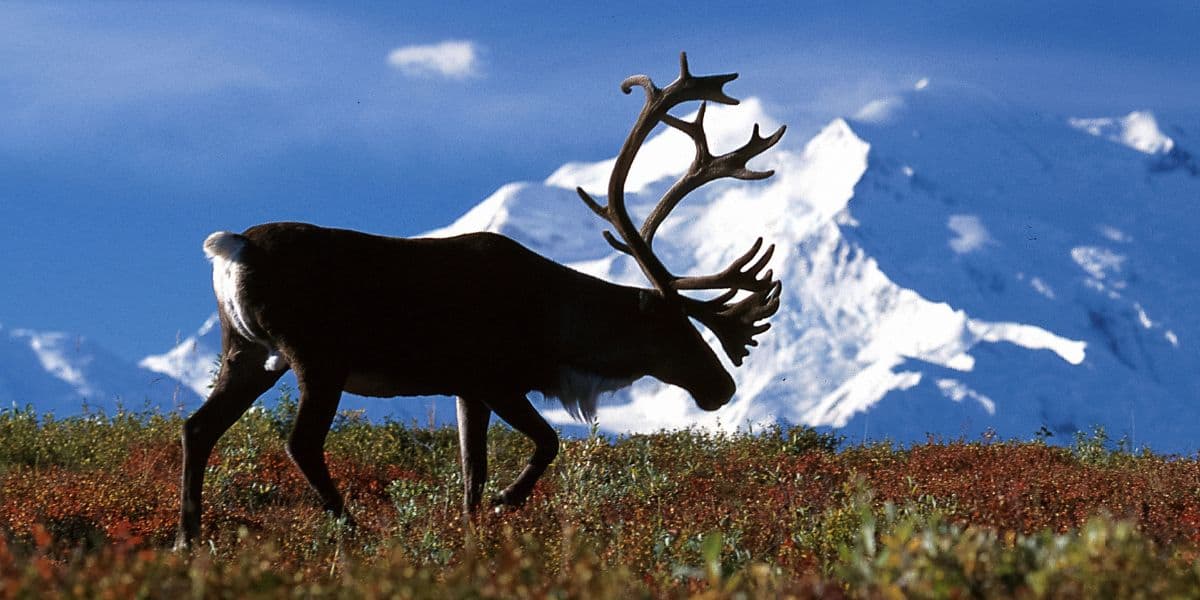
Denali National Park presents two iconic challenges for visitors: catching a glimpse of its towering namesake mountain and spotting the elusive Big 5. Only about 30% of visitors ever see the mountain itself—but we’re proud to say we joined that exclusive club. As for the wildlife—moose, caribou, Dall sheep, grizzly bears, and wolves—we got close.
Over two unforgettable visits, we saw three of the Big 5. And while we didn’t complete the set, Denali gave us one of our most cherished travel memories. From seeing the mountain in full view to spotting moose near the park entrance, the experience was every bit as wild and wonderful as we had hoped.
Disclosure: This post may contain affiliate links. If you make a purchase through one of these links, I may earn a small commission at no additional cost to you. Thanks for keeping Miles with McConkey going!
Getting Around Denali: Bus vs. Car
Spanning over six million acres, Denali is one of the largest national parks in the United States—but exploring it doesn’t have to be overwhelming. The park has only one road, and it’s refreshingly simple to navigate.
Denali Park Road stretches 92 miles from the entrance to Kantishna, winding through prime wildlife habitat. Due to a landslide at Pretty Rocks, however, visitor access currently ends at Mile 43. But don’t worry—most wildlife sightings happen well before that.
Visitors can explore the first 15 miles of the road with their private vehicle, and we took full advantage of that flexibility during our second visit with a rental car. Having our own wheels made it easy to stop, scan for movement, and revisit promising stretches during golden hour.
The rest of the road beyond Mile 15 requires a park bus:
- Free Savage River Shuttle (Mile 0–15): Great for short hikes and casual wildlife viewing. You can hop on and off at designated stops.
- Transit Bus to East Fork (up to Mile 43): Paid, non-narrated option. Stops for wildlife and lets you get off to explore; you can reboard any green transit bus on a space-available basis.
If you’re deciding which bus is right for your trip, our guide to Denali’s shuttle, transit, and tour bus options breaks everything down clearly.
We had great luck with both—but spotting moose and caribou multiple times near the front of the park showed us that you don’t have to go deep to make unforgettable memories.
Whether you’re hiking, riding the shuttle, or venturing farther by bus, here are the places along Denali Park Road where wildlife tends to steal the show.
Wildlife Hotspots Along Denali Park Road
One minute, the road was quiet. The next, this bull moose darted across—proof that Denali’s wildlife makes its own schedule.

Denali’s wildlife is always on the move—but certain locations consistently deliver memorable sightings. During our visits, we relied on ranger insights, tour driver tips, and fellow travelers’ success stories to track down the Big 5. Here are some of the best-known viewing areas—plus their mile markers for easy reference:
| Location | Mile Marker | Known For |
|---|---|---|
| Denali Bus Depot | 0.75 | Transit hub & shuttle service |
| Denali Visitor Center | 1.5 | Park info, exhibits & food |
| Sled Dog Kennels | 3 | Meet Denali’s working sled dogs |
| Mountain Vista | 13 | Scenic views; possible bear, caribou & moose sightings |
| Mount Margaret | 15 | Dall sheep habitat near Savage River |
| Savage River Trailhead | 15 | Hiking, Dall sheep lookout & possible bear sightings |
| Mount Wright | 22 | Dall sheep sightings |
| Teklanika River | 30 | Prime grizzly bear territory |
| Igloo Canyon | 37 | Caribou, Dall sheep, bears & wolves |
| Sable Pass | 39 | Predators: wolves & bears |
| East Fork River | 43 | Furthest transit access; occasional wolf sightings |
| Toklat River | 60 (currently inaccessible) | Historic wolf hotspot |
| Eielson Visitor Center | 66 (currently inaccessible) | Panoramic views & wildlife watching |
With your map of wildlife hotspots now in place, let’s meet the legendary creatures themselves. Here’s what we saw—and what you might find—when you venture into the heart of Denali.
Moose: The Forest Giants
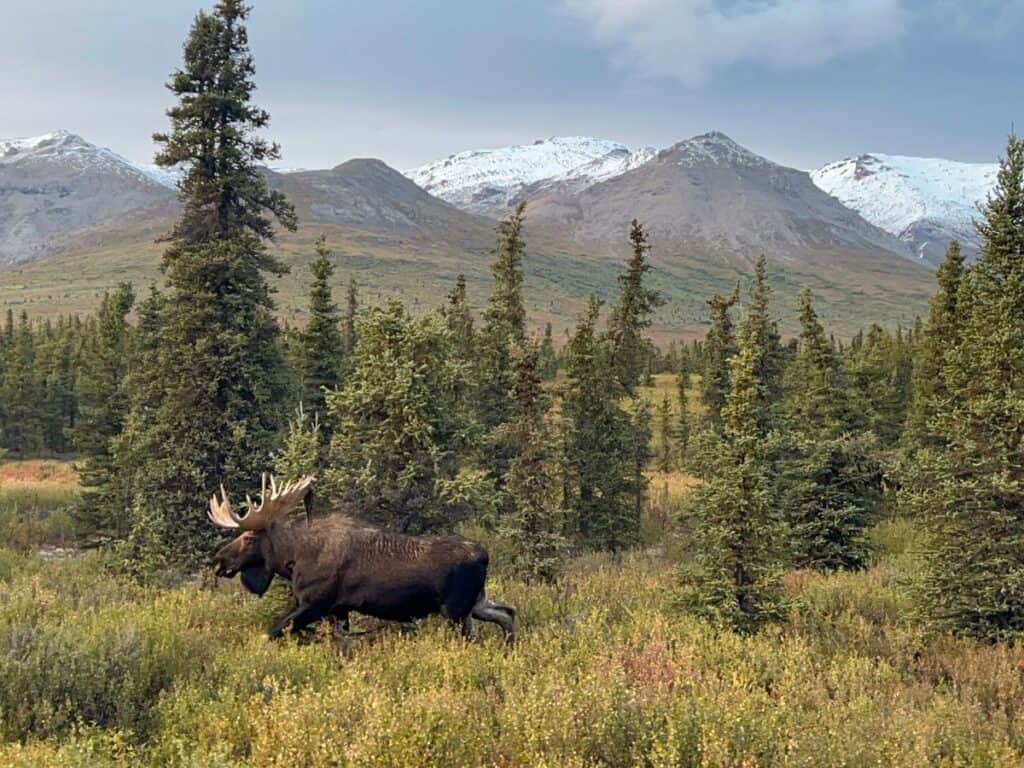
Julie and I became a little obsessed with spotting a moose in the wild. It was a dream we carried for years—and Denali made it come true.
We saw our first moose within the first 15 miles of Denali Park Road. It was massive, majestic, and completely unforgettable. At one point, as a moose ran across the forested landscape with snow-capped peaks rising in the distance, we felt like we had stepped into a National Geographic photo shoot. It was surreal.
Moose tend to stick to forested and shrubby habitats, which makes the front stretch of the park ideal for sightings. Rangers advised that during the fall rut, they often congregate between Miles 9 and 13—and that’s exactly where we got lucky. In spring, you may even spot them closer to the Denali Visitor Center, as fresh vegetation draws them near.
We’ve since written a full guide to spotting moose and bison in national parks if you’re as enchanted by these creatures as we are. There’s just something magical about their size, their antlers, and their quiet presence on the landscape.
Caribou: The Tundra Travelers
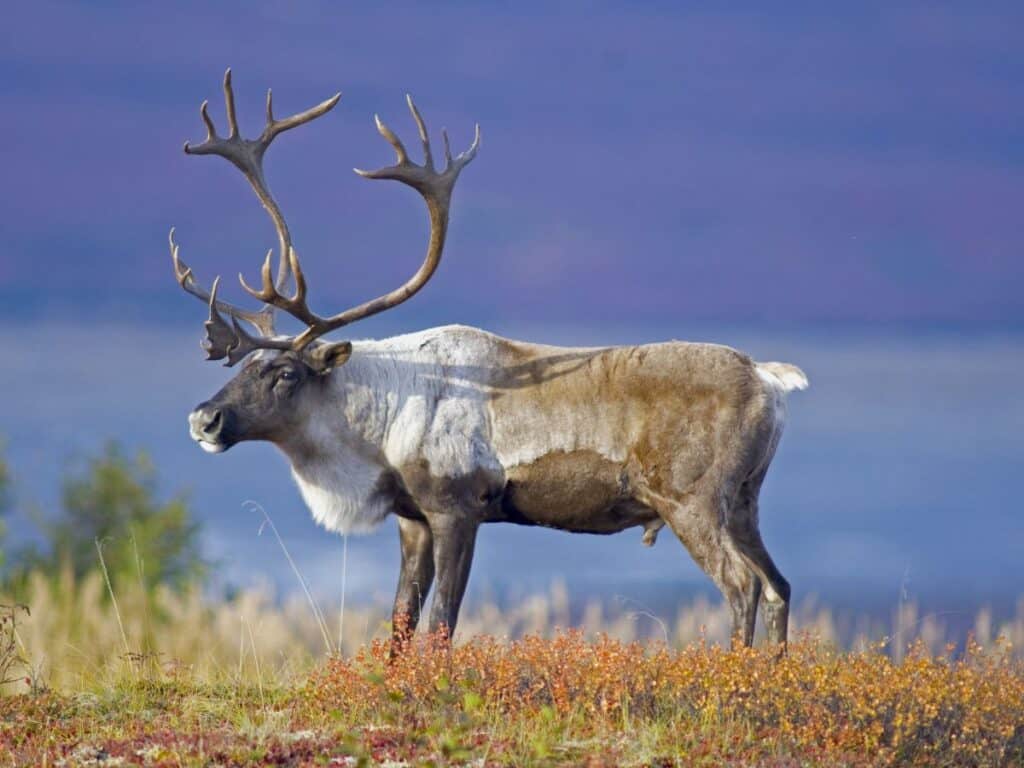
We spotted caribou both near the front of the park and deeper in, near Igloo Canyon (Mile 37) on the transit bus. Their antlers were impressive, and their size surprised us. They moved with a calm confidence across the tundra—another reminder that Denali is their home, not ours.
Caribou prefer open tundra and alpine landscapes, often traveling in small groups across vast, windswept terrain. Ironically, the few we encountered were solitary wanderers—graceful, quiet, and completely unfazed by buses and wide-eyed tourists. In spring and early summer, caribou are more commonly seen in alpine areas, where females head to higher ground for calving and safety from predators.
While deeper zones like Igloo Canyon are known for regular sightings, caribou sometimes appear closer to the front of the park, especially around Mile 15, when conditions and movement patterns align. Keep your eyes peeled for movement in the distance—those broad antlers are hard to miss once you’ve tuned in.
Dall Sheep: The Mountain Dwellers
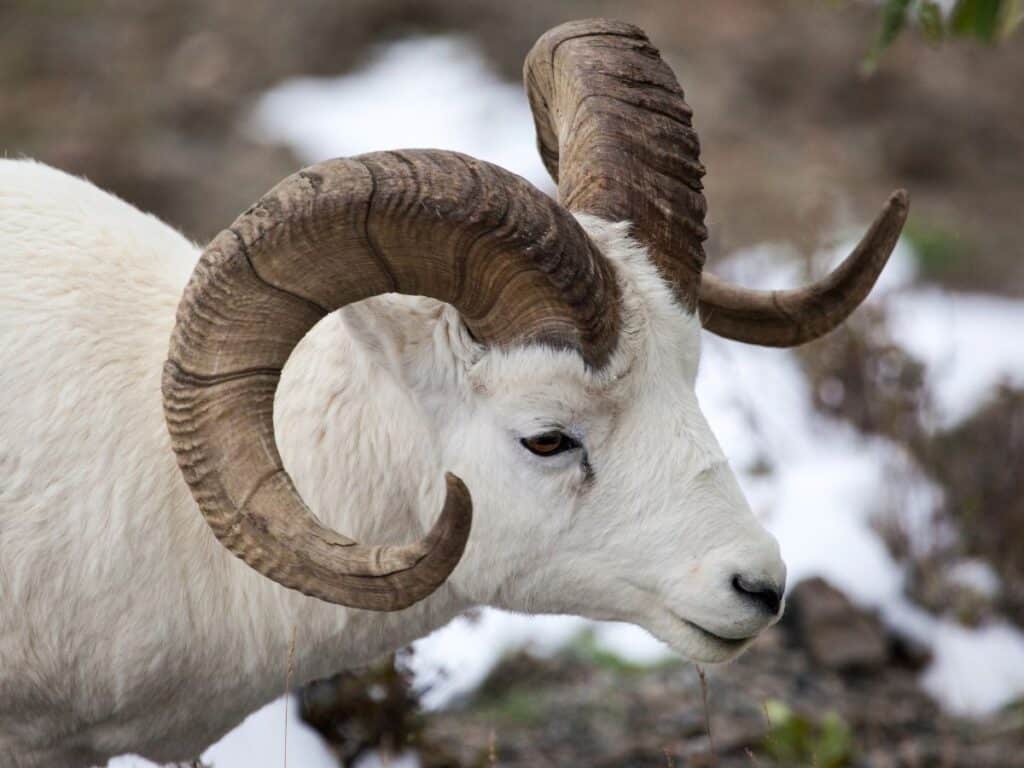
We saw Dall sheep from a distance—small white puffs scattered across the rocky slopes near Mile 34, close to Igloo Mountain. Even from afar, it was a thrill. These white-coated climbers prefer steep, mountainous habitats, and Denali delivers plenty of those—especially in the rugged terrain between Miles 34 and 38 in Igloo Canyon.
They’re also commonly seen in the Savage River area, particularly on the rocky slopes above the Savage River Loop Trail and the Savage Alpine Trail, both excellent hiking options for wildlife watchers. We hiked those trails on both visits, hoping to spot them, but the sheep remained elusive.
More adventurous, off-trail hikers occasionally report sightings on Mount Margaret (Mile 15) and Mount Wright (Mile 22)—but those routes require advanced planning and a healthy respect for Denali’s unpredictable weather.
We also saw Dall sheep during a combo helicopter and hiking tour over the park. The aerial views were spectacular, and we did spot a few sheep from the air. But the hiking portion focused more on plant life than wildlife. Don’t get us wrong—we love plants. In fact, I wrote a whole post about Alaska’s poisonous plants, which are fascinating and a little terrifying in their own right. But we were chasing the Big 5, so next time, we’ll double-check that the tour’s focus matches our intent.
Grizzly Bears: The Tundra Titans
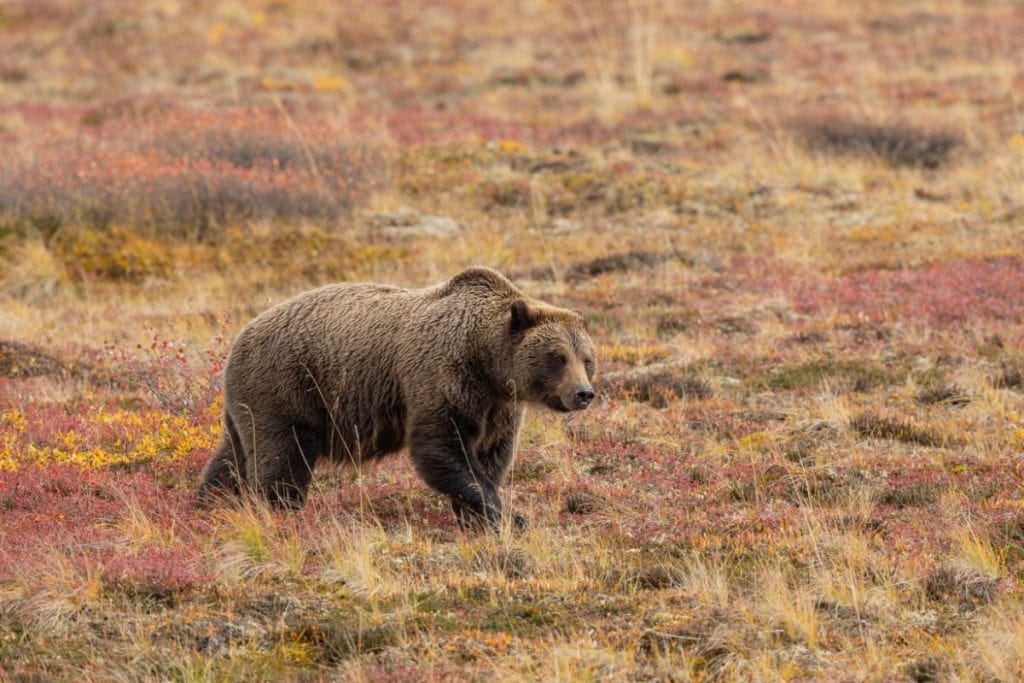
Despite our best efforts, we didn’t spot any bears. They were reported in Savage River during our second visit and near Mountain Vista on our first. But as we learned, timing is everything. A minute too soon or too late can make all the difference.
Grizzly bears prefer open tundra landscapes, and they’re most commonly spotted between Igloo Canyon (Mile 37) and Eielson Visitor Center (Mile 66)—though Eielson is currently inaccessible. Prime viewing areas within reach include Teklanika River (Mile 30), Igloo Canyon, and Sable Pass (Mile 39), known for their sweeping alpine views and bear activity. Sightings also occur along river corridors like the Savage River, where we heard bears had recently been seen.
Some visitors get lucky near the front of the park. Others find success deeper in. Either way, stay alert while hiking. We considered carrying bear spray but ultimately didn’t, opting instead for smart trail habits and staying aware of our surroundings. Some rangers swear by it, while others see it as more of a precaution than a necessity—especially for travelers sticking close to the front of the park.
We were both excited and just a little terrified while hiking in Savage River and Mountain Vista. Every bend in the trail felt like a potential bear moment. We stayed sharp and moved cautiously, hearts racing just a bit faster in that wild silence.
Denali is also home to black bears, but sightings are rare. They favor heavily forested habitats near the beginning and far end of the park road—territory that’s either dense or currently inaccessible.
Wolves: The Elusive Predators
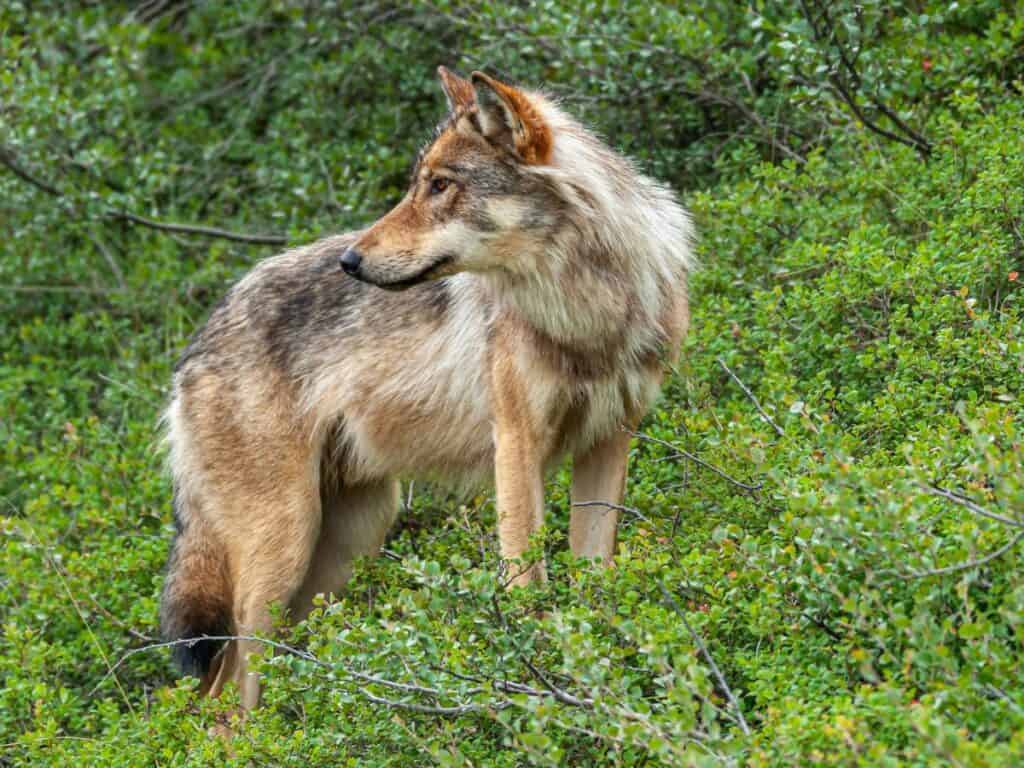
Wolves are the most elusive of the Big 5. They tend to roam deeper in the park, often around Mile 60 near Toklat River, which is currently inaccessible due to the Pretty Rocks landslide. That said, sightings do still happen closer to the front—especially when packs shift territory or follow prey.
On our second visit, rangers told us a couple of bus tours had spotted wolves just the day before. They were genuinely excited—it was the first confirmed sighting in a while. Unfortunately, we had no such luck, and the rangers didn’t specify the exact location. But it’s a reminder: even near Mile 43, sightings are possible, especially in areas like East Fork River, Igloo Canyon, and Sable Pass, where wolves have historically been seen.
The most commonly viewed pack in Denali—the Toklat wolves—has a territory that historically overlaps with the park road corridor. These wolves have been known to tolerate visitors at close range, making them the stars of many past sightings. But in recent years, wolf viewing has declined due to population shifts, hunting outside park boundaries, and natural pack dynamics.
If you’re hoping to spot one, here’s what we learned:
- Early morning bus rides offer the best odds—wolves are most active at dawn.
- Scan gravel bars and creek beds for movement; wolves often travel low and fast.
- Ask rangers for recent sightings—they track reports and may point you to hotspots.
- Bring binoculars—even distant glimpses can be thrilling.
We didn’t see any wolves ourselves, but knowing they were out there—silent, watchful, wild—added a layer of magic to every mile.
Wildlife Viewing Tips for Denali
Wolves might be the most elusive—but every creature in Denali comes with its own quirks. If you’re hoping to improve your odds across the board, here’s what we learned from experience and from talking with rangers and guides:
- Go early or late: Most of our sightings happened near dawn or dusk, when animals are more active.
- Start in the front: We had great luck spotting moose and caribou within the first 15 miles of Denali Park Road. You can drive this stretch yourself or hop on the free park shuttle—we’ve done both and had success each time.
- Repeat passes pay off: Try that 15-mile drive or bus route more than once. Wildlife is always on the move, and you may spot something new the second or third time through. Plus, the scenery is so beautiful, it’s worth the repeat either way.
- Try the transit bus: It goes deeper into the park and offers more chances to see Dall sheep, caribou, and maybe even bears.
- Hike quietly: The Savage River Loop Trail is a good bet for Dall sheep. Just be patient—and bring binoculars.
- Scan for movement: Look for shapes or colors that seem out of place. That’s often how wildlife reveals itself.
- Stay flexible: Wildlife doesn’t follow a schedule. What one person sees, another might miss entirely.
- Know your tour’s focus: If you book a flightseeing or hiking tour, make sure it’s geared toward wildlife—not just plants or geology.
- Be bear aware: Carry bear spray if you’re hiking, and know how to use it. But don’t rely on it as your only safety measure.
Some of our favorite wildlife moments happened on short, quiet hikes near the park entrance. If you’re looking for accessible ways to connect with Denali, our easy hikes guide is a great place to begin.
Beyond the Big 5: Other Wildlife Worth Watching
Denali’s Big 5 get all the glory, but they’re far from the only animals roaming this wild Alaskan landscape.
On our visits, we spotted black-billed magpies—not something we normally see at home—and a northern hawk owl, which remains the only owl we’ve ever seen in the wild. It was a thrill, even if it got a little overshadowed by the moose. If you’re into birding, Denali delivers. From golden eagles soaring over Polychrome Pass to ptarmigan rustling through the brush, there’s always something to spot if you slow down and scan the landscape. For more ideas, check out our guide to the best national parks for birding.
But birds aren’t the only bonus sightings. Keep your eyes peeled for:
- Red foxes darting across open tundra
- Snowshoe hares blending into the brush
- Hoary marmots sunning themselves on rocky slopes
- Beavers near lakes and streams, especially around Horseshoe Lake
Denali is home to 39 species of mammals and over 160 species of birds. So even if you don’t spot all of the Big 5, there’s still plenty of wildlife magic waiting to surprise you.
Denali’s Hardest Working Animals: Meet the Sled Dogs
These pups didn’t just charm us—they raced. Watch them fly.

Before diving into park logistics, there’s one more wildlife experience that deserves its own spotlight—Denali’s working sled dogs.
Denali is the only U.S. national park with an active canine patrol team. These sled dogs aren’t just adorable—they’re essential. In winter, they help rangers travel into the backcountry to monitor wildlife, maintain trails, and protect the fragile ecosystem.
Julie fell in love with the kennels. Walking through and meeting the dogs was a highlight—and if you time it right, you might catch one of their live demos or seasonal puppy races. Yes, puppy races. We’re still smiling about it.
They’re fast, loyal, hardworking, and a living legacy of Alaskan tradition. If you’re visiting Denali in the summer, don’t miss the opportunity to meet them.
Where to Stay: Denali Bluffs Hotel
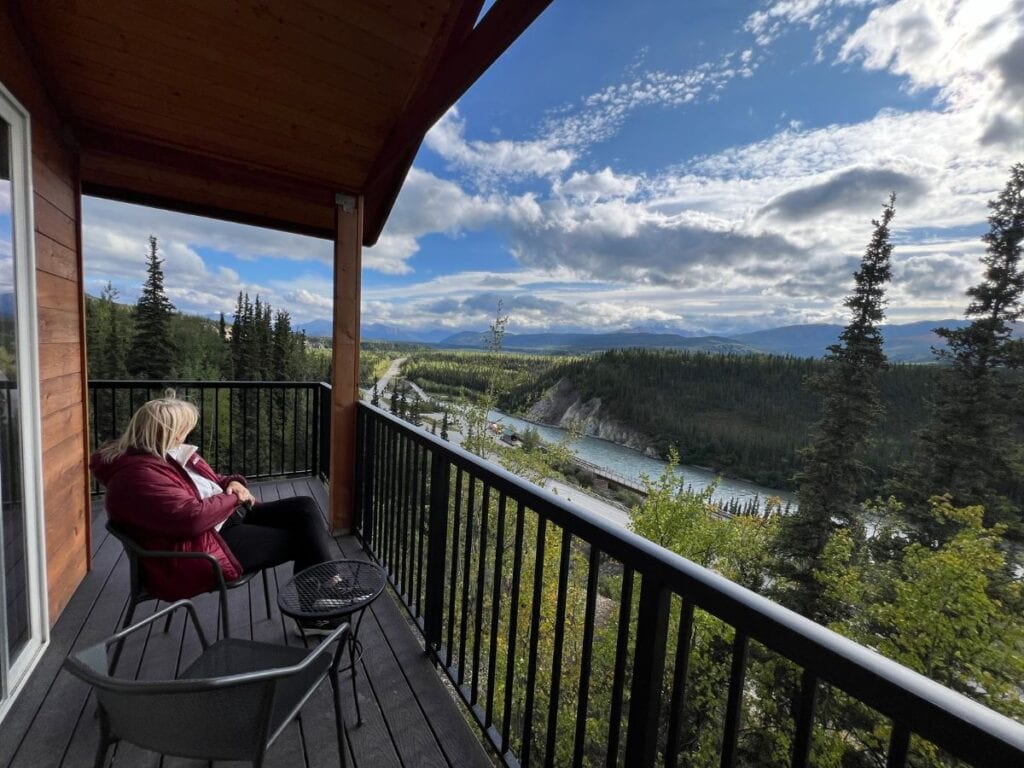
After days filled with wildlife watching and crisp alpine hikes—not to mention racing sled puppies—we were grateful for a warm, welcoming home base. We stayed at the Denali Bluffs Hotel and absolutely loved it. From our room, we could see the park itself—an incredible way to start and end each day. The hotel is about 1.5 miles from the Denali Visitor Center, making it super convenient for early morning drives or bus pickups.
- Deluxe rooms come with private verandas and sweeping views.
- Hillside rooms are more budget-friendly but don’t offer the same vistas.
- On-site amenities include a restaurant, bar, and coffee shop—perfect for winding down after a long day in the park.
Our only regret? Not having more time to relax there. We spent nearly every waking moment exploring Denali, but we’re already dreaming of a return visit.
Why Denali’s Big 5 Still Matter—Even If You Don’t See Them All
We didn’t spot all five—but that didn’t lessen the impact.
Seeing the mountain in full view, watching moose roam near the park entrance, and catching glimpses of caribou and Dall sheep made our journey unforgettable. Some of those moments unfolded slowly. Others happened in a flash. Each one reminded us how special Denali truly is.
From quiet trail hikes to dusty bus rides and endless tundra views, the park gave us space to be present, to look closer, and to feel small in the best possible way.
Moose still make our hearts race. And we know we’ll jump at any chance to return—because next time, a bear might wander into view, or a distant howl might break the stillness.
And even if it doesn’t, we’ve already found what we came for.
Featured image credit: davidhoffmannphotography via Deposit Photos