Julie and I still remember the first time we heard an elk bugle. It was early morning in Yellowstone, the air cold enough to sting, and a single bull called out across a vast golden field. It’s the kind of sound that stays with you.
If you live in the East or Midwest as we do, the good news is you don’t have to travel across the country to experience this natural phenomenon. Each fall, the GSMNP elk rut brings dramatic behavior, unforgettable bugles, and active herds to the Smokies.
Disclosure: This post may contain affiliate links. If you make a purchase through one of these links, we may earn a small commission at no additional cost to you. Thanks for supporting Miles with McConkey.
What Elk Rut Is and Why It’s So Intense
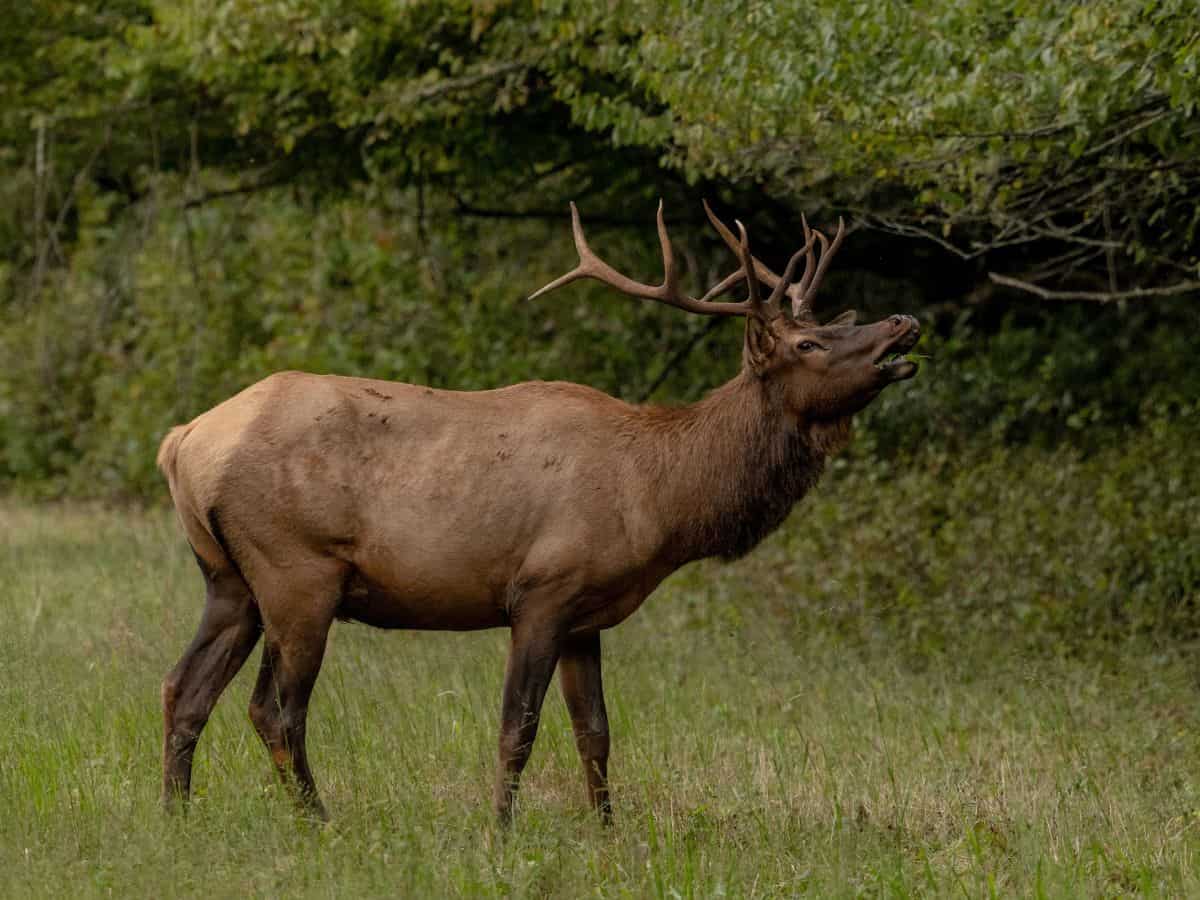
Rut is the annual elk breeding season, and in the Smokies it typically begins in early to mid‑September and continues through mid‑ to late October. During this window, bulls compete for dominance, gather harems of cows, and produce the bugling calls that make the elk rut Smoky Mountains experience so unforgettable. These calls can carry more than a mile and often echo across valleys during the cooler hours of the day.
Bulls experience elevated testosterone levels during rut, which makes them more defensive and more easily agitated. Cows stay protective of their calves, adding to the overall stress within the herd. According to the National Park Service (NPS), rut is a sensitive period for elk and for visitors, and behavior can change quickly.
If you’re planning a broader fall visit, you can explore our GSMNP complete guide for hikes, scenic drives, and practical tips.
Where to See Elk During Rut (What You Need to Know)
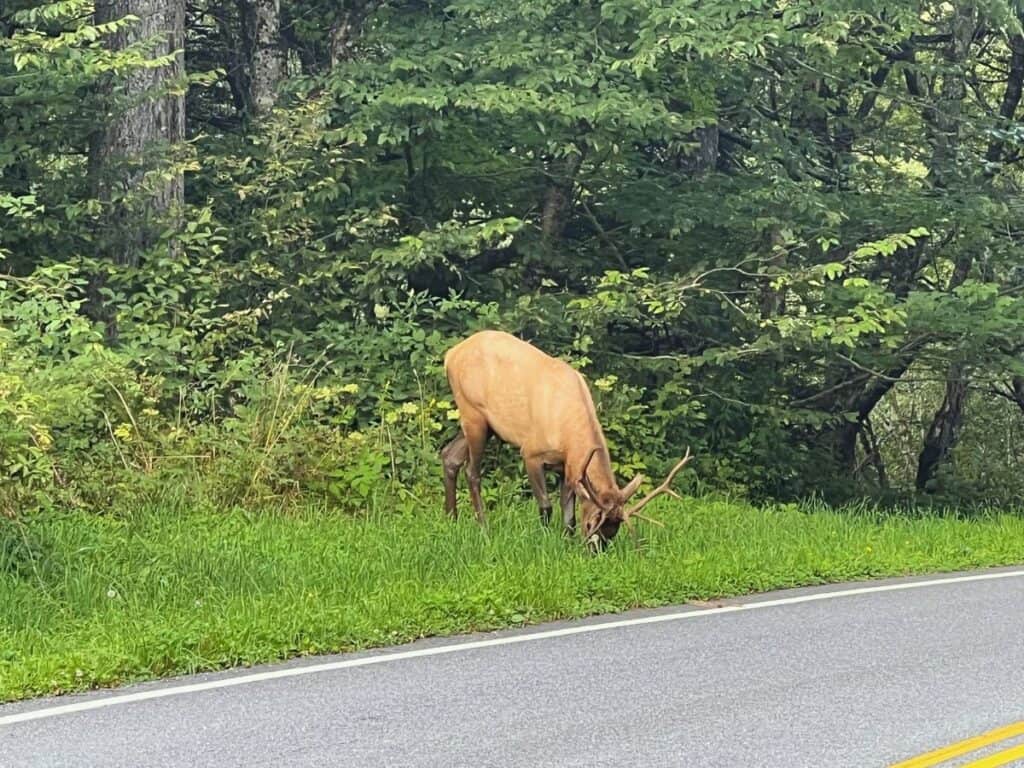
This is the part most visitors wonder about, and it’s important to be clear and honest. The fields at Oconaluftee and Cataloochee, normally two of the best places to see elk, are closed to all visitors during the rut. These closures protect both people and elk during a time when bulls may charge vehicles, hikers, or anything they perceive as a threat.
That doesn’t mean you won’t see elk. It simply means you won’t be able to stand in the open fields where they often gather outside of rut season.
Here’s what visitors can realistically expect:
- Elk may still be visible from nearby road corridors, especially early and late in the day.
- Pull‑offs along Newfound Gap Road, Kuwohi Road, and the Oconaluftee River corridor sometimes offer views of elk moving between forest and meadow.
- Elk are occasionally seen near Balsam Mountain and along the southern end of the Blue Ridge Parkway near the GSMNP boundary, especially during cooler fall mornings and evenings.
Julie and I once saw a lone bull near the intersection of Newfound Gap Road and Kuwohi Road in late August. Even outside the rut, seeing a large bull elk is unforgettable. During rut, moments like these can be even more dramatic.
If you want to explore more scenic fall areas near the park, the Blue Ridge Parkway is a beautiful option.
Best Time to See Elk in Fall
The best time to see elk GSMNP is early morning or late evening. Elk are most active during these cooler periods, and rut behavior is often strongest at dawn and dusk. Cloudy days can also bring elk out earlier than usual.
With field access restricted, these viewing windows still give visitors a chance to see elk from safe distances along road corridors and pull‑offs.
What Rut Sounds and Feels Like
If you’ve never heard an elk bugle, it’s hard to describe. The sound is haunting, powerful, and strangely beautiful. It’s one of those moments that stays with you long after you leave the park. Julie and I still talk about the first bugle we heard — it’s the kind of sound that stirs your soul.
During the rut, you may hear:
- long, rising bugles
- short, sharp calls
- antler clashing
- herding movements
- cows vocalizing to calves
Even if you don’t see elk up close, hearing rut from a distance is an experience worth seeking out.
Safety Guidelines During Elk Rut
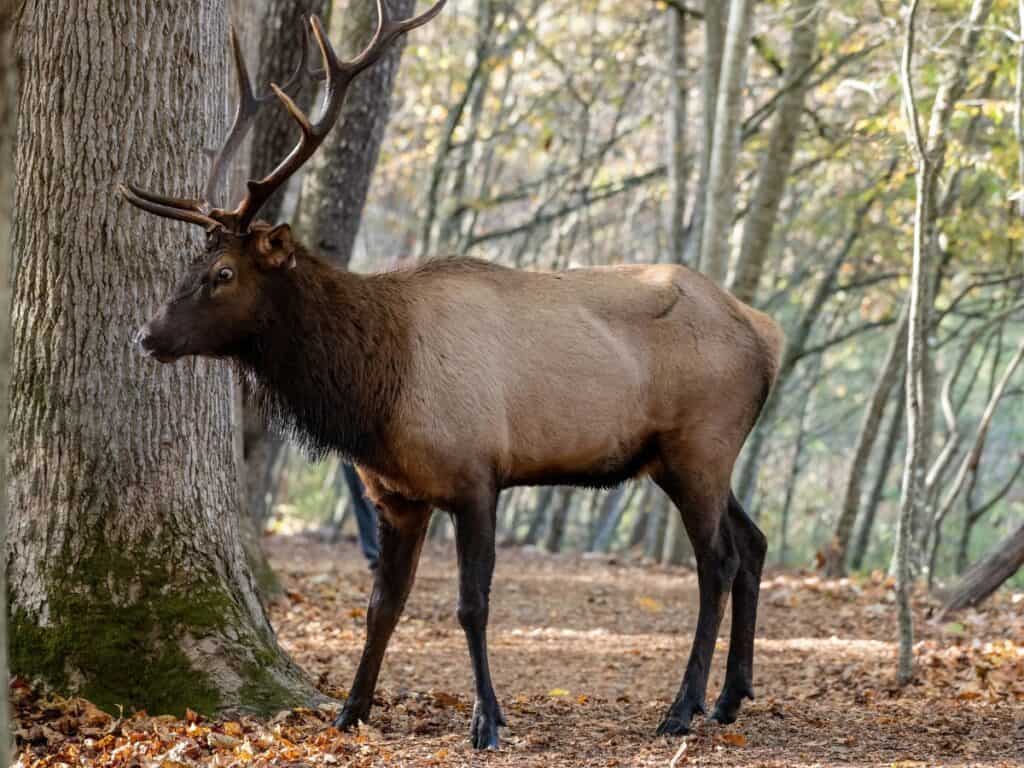
Rut is no joke. Bulls can be calm one moment and aggressive the next. Two males that seem peaceful can suddenly turn on each other as if their lives depend on it. The NPS issues rut warnings for a reason.
Here are the key rules and tips:
Keep Your Distance
It is illegal to approach elk within 25 yards (75 feet) or at any distance that causes them to change their behavior. Violations can result in fines or arrest.
Respect Closures
Fields at Oconaluftee and Cataloochee are closed during the rut. Follow all ranger directions and posted signs.
Stay Alert
Elk frequently cross roadways, especially near Oconaluftee, Cataloochee, Balsam Mountain, and the Blue Ridge Parkway. Slow down and remain attentive.
Use Pull‑Offs
View elk from your vehicle using designated pull‑offs. Make sure your vehicle is fully off the roadway.
Back Away if Approached
If an elk approaches you, calmly back away and give it plenty of space. Never try to get closer for a photo.
Enjoy the moment from a safe distance. The perfect picture is never worth the risk.
Elk Through the Seasons (Quick Overview)
Understanding elk behavior throughout the year helps you appreciate the rut even more.
Spring
Elk shed antlers and winter coats. Cows give birth by early June.
Summer
Bulls roll in mud wallows to cool off. Antlers finish growing and shed velvet. Calves lose their spots.
Fall
Elk gather in mixed herds for the rut. Bulls bugle, spar, and compete for dominance. This is the most dramatic season.
Winter
Elk grow thick two‑layer coats. Bulls retain their antlers until early spring.
A Brief History of Elk in the Smokies
Elk once roamed the southern Appalachians but disappeared in the 1800s due to overhunting and habitat loss. In 2001, the NPS reintroduced 25 elk to Cataloochee Valley. Today, elk thrive in the park and play an important role in the ecosystem.
Their return is one of the Smokies’ most meaningful conservation stories.
Planning Your Fall Visit
If you’re visiting in October, expect:
- Cooler mornings
- Fog settling in the valleys
- Quieter trails
- Increased wildlife activity
- Beautiful fall color at higher elevations
If you’re looking to extend your fall adventure beyond wildlife, consider pairing your visit with Anakeesta’s fall festival.
Final Thoughts
Elk rut in the Smokies is one of the most memorable wildlife experiences you can have in the Southeast. Even with field closures, visitors can still hear bugles, see elk from safe distances, and enjoy the energy of fall in the mountains. Julie and I always feel grateful when we see elk in the park — it’s a reminder of how wild and beautiful the Smokies truly are.
If you’re planning a fall trip, consider pairing your wildlife viewing with scenic drives, seasonal events, and quiet hikes. The Smokies shine in October, and elk rut is one of the reasons why.
Featured image credit: kvddesign via Deposit Photos