
At its core, culinary tourism is a trip where travelers can experience local food. Although a simple concept, it is big business. The Brainy Insights estimates the global culinary tourism market is worth 1.1 trillion United States dollars.
While the overall market is popular, Indigenous restaurants are challenging to find. An Edmonton chef and his wife strive to open hearts and minds to the world of Indigenous cuisine with their innovative restaurant.
A Noble Mission
According to Canada’s 2021 Census of Population, about 5% of the country’s total population identifies as Indigenous Peoples, a collective name for the original peoples of North America and their descendants. The small population directly correlates to very few Indigenous restaurants throughout Canada.
Chef Scott Iserhoff and his wife and business partner, Svitlana Kravchuk, strive to raise the profile of Edmonton’s Indigenous food scene, allowing diners to discover dishes beyond fry-bread tacos and burgers.
While Indigenous restaurants are uncommon, finding one in a downtown area with fine dining is rare. Iserhoff and Kravchuk’s elegant Indigenous restaurant and wine bar, Bernadette’s, is nothing short of revolutionary.
Iserhoff says, “It means so much to me and my wife to operate an Indigenous restaurant in the heart of Edmonton. It is such a positive step in the right direction. It is representation and something we need more of in Canada. It’s a huge responsibility for us.”
A Shared Experience

What should visitors expect when dining at Bernadette’s? Iserhoff says, “Bold and earthy flavors. Understanding more about Indigenous ingredients and great hospitality.”
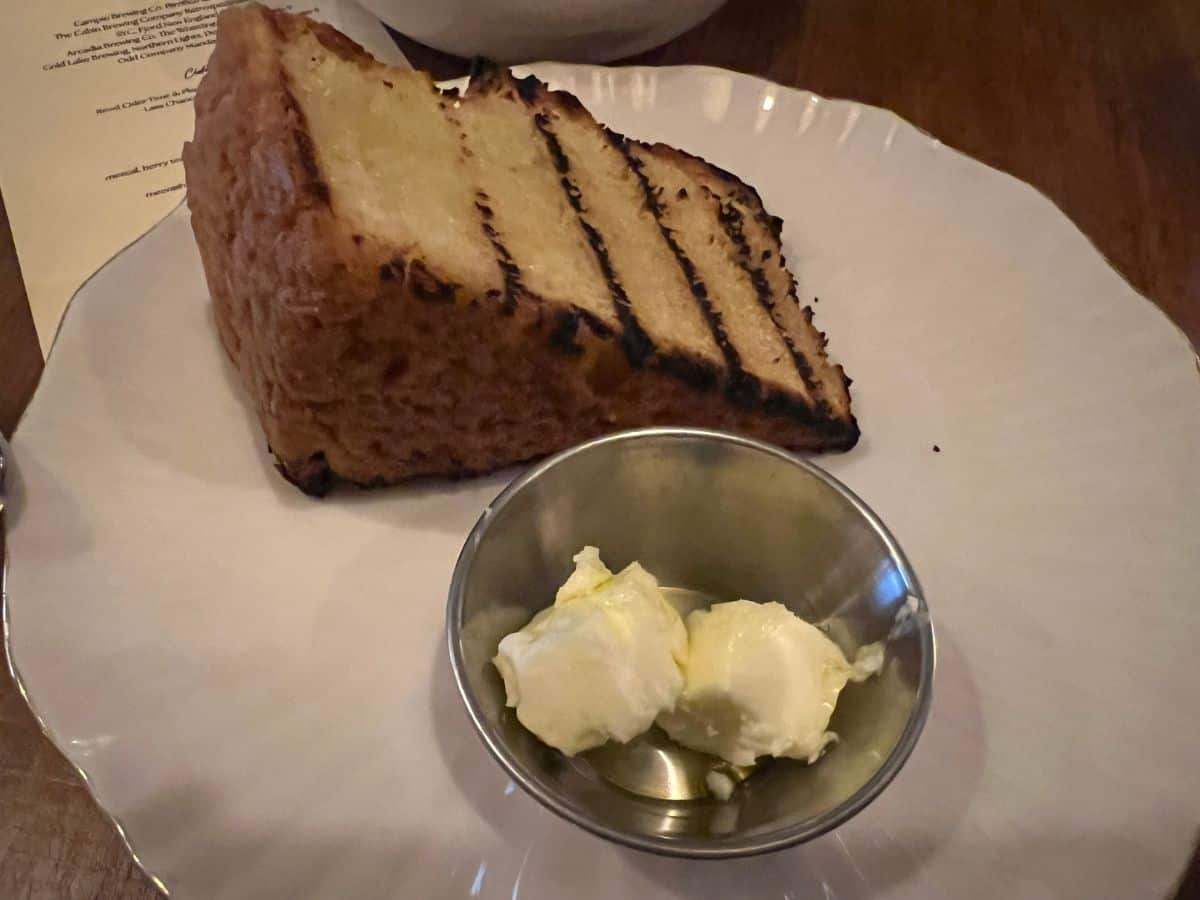
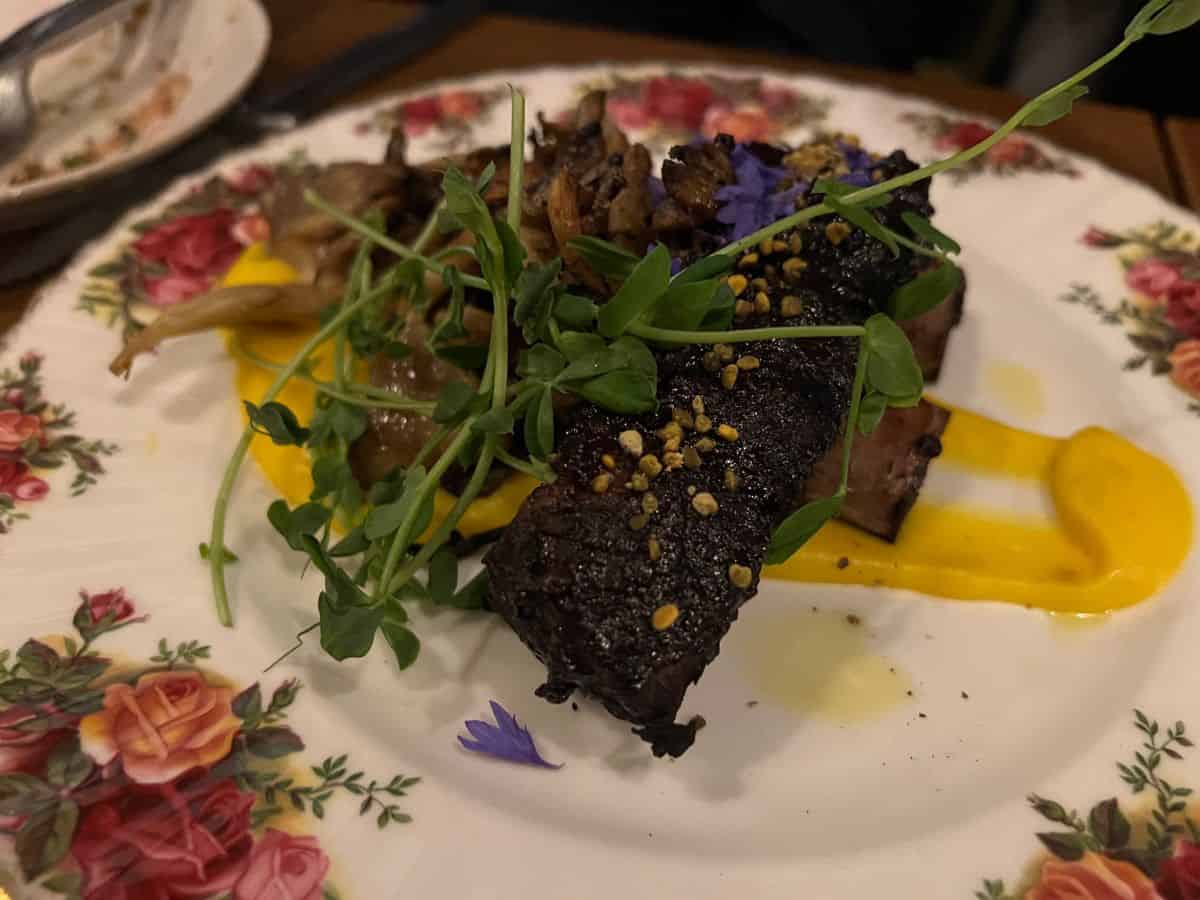
Bernadette’s features Indigenous sharing plates bursting with flavor that will evoke warm memories and feelings of comfort. Local ingredients shine in seasonal, traditional, and political dishes.
Part of Iserhoff’s goal is to show diners “That Indigenous cuisine differs from each other, nation to nation, family to family. It is very diverse.”
The menu changes frequently based on seasonal produce and Iserhoff’s passion for creating inspirational dishes. Regardless of the season, visitors can expect a rewarding encounter, learning about the menu and choosing dishes to share. The unique dishes and intimate setting elevate the shared dining experience.
Finding Inspiration
Iserhoff finds inspiration from the food he experiences and the food his family cooks. However, a television show ultimately prompted him to enroll in culinary school. Watching Chef David Wolfman create Indigenous fusion dishes on “Cooking With the Wolfman” fueled Isherhoff’s dreams of creating unique dishes and educating others about Indigenous cuisine.
That passion and creativity shine in his dishes. When asked to describe his cooking style, Iserhoff remarks, “I am ingredient—and seasonal-focused, cooking food from childhood memories to where I am currently. It constantly evolves.”
Isherhoff loves creating risotto and pasta dishes. He comments, “Between the two, you can incorporate traditional food into this type of cooking and I find comfort in preparing them but also eating them.”
Unique Ingredients
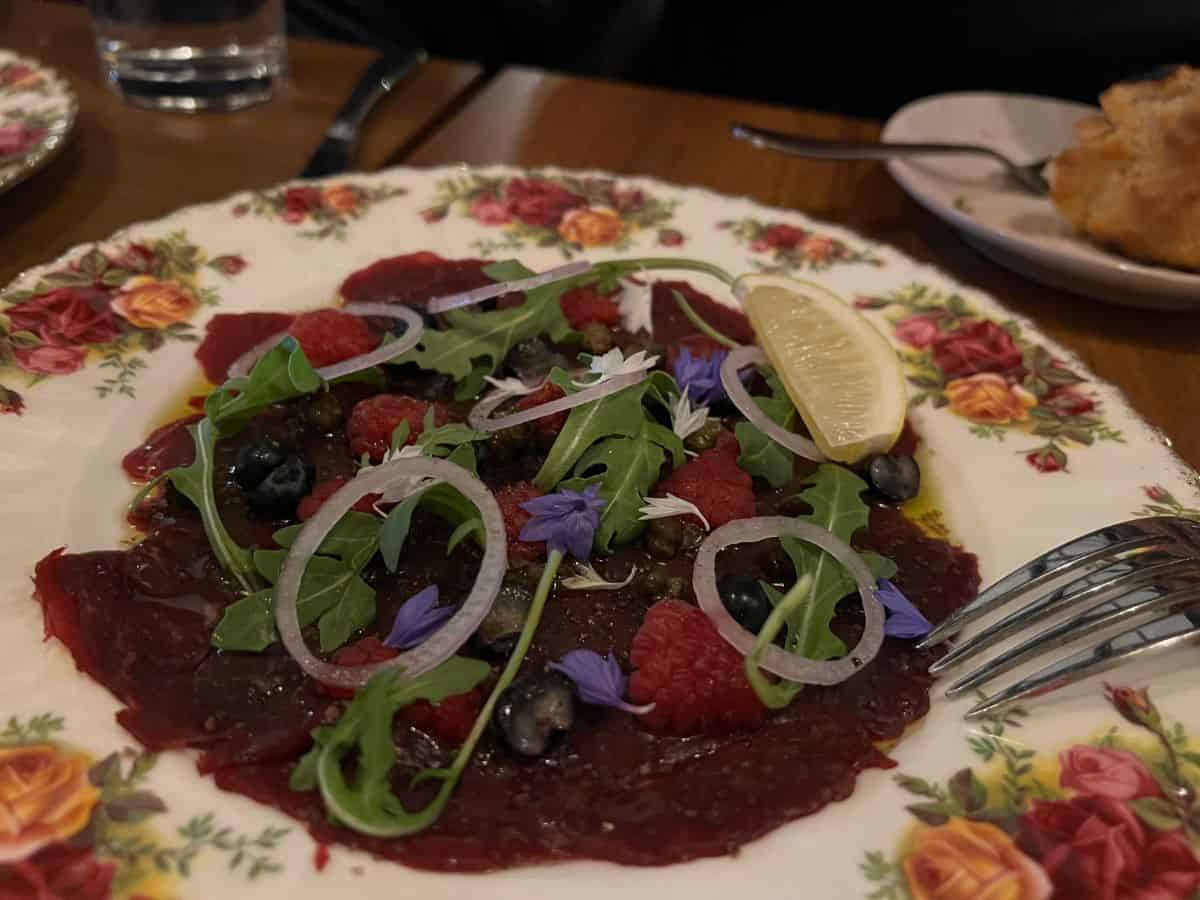
Iserhoff proudly incorporates local ingredients in his dishes, including elk, bison, tomatoes, mushrooms, different types of squash, Saskatoon berries, and root vegetables. Much of the produce comes from farmers’ markets and his wife’s garden.
However, the menu features one particular ingredient that consistently shocks diners. People do not expect to see SPAM on the menu, especially at an elegant restaurant.
Iserhoff says, “The dishes created using SPAM are political and really emphasize stories of food insecurity. People are curious before ordering and ask the question, why SPAM? This is a great opportunity to educate people about the food systems the government implemented upon Indigenous communities. People who try it always end up loving it and most times have instant nostalgia.”
Alberta Offers More than Beautiful Landscapes
Upon hearing the name Alberta, many travelers instantly picture the jaw-dropping landscapes of Banff National Park. The province is chock full of history and natural beauty, boasting six UNESCO World Heritage Sites.
Alberta visitors will also discover opportunities to learn about various Indigenous cultures, creating unforgettable experiences. Travel Alberta states the province comprises forty-eight First Nations and eight Métis settlements, providing a rich tapestry of cultures, languages, foods, and knowledge.
Edmonton, the capital of the province of Alberta, is typically recognized for its festivals and sports teams. However, the city also has a flourishing culinary scene, including a fine-dining Indigenous restaurant. Chef Iserhoff and his wife stand out as a breath of fresh air, serving unique dishes, knowledge, and memorable experiences.
This article originally appeared on Media Decision.
Featured image credit: Miles with McConkey