Is Joshua Tree National Park worth visiting? That depends on who you ask. Some travelers fall in love with its surreal desert landscapes, while others leave feeling underwhelmed. Honestly, I’m a rare duck—I land somewhere in the middle. Julie and I thoroughly enjoyed our visit. We’re quite fond of the funny-looking trees and the unique rock formations, and we had a great day exploring the park.
That said, it feels like a middle-of-the-pack park. We’ve visited six of California’s nine national parks, and I’d rank Joshua Tree fifth or sixth. We enjoyed it, but the other parks gave us more nuanced experiences and stronger memories. Would I visit again? Absolutely.
Disclosure: This post may contain affiliate links. If you make a purchase through one of these links, I may earn a small commission at no additional cost to you. Thanks for keeping Miles with McConkey going!
Nature’s Oddities: Trees and Boulders That Spark Wonder
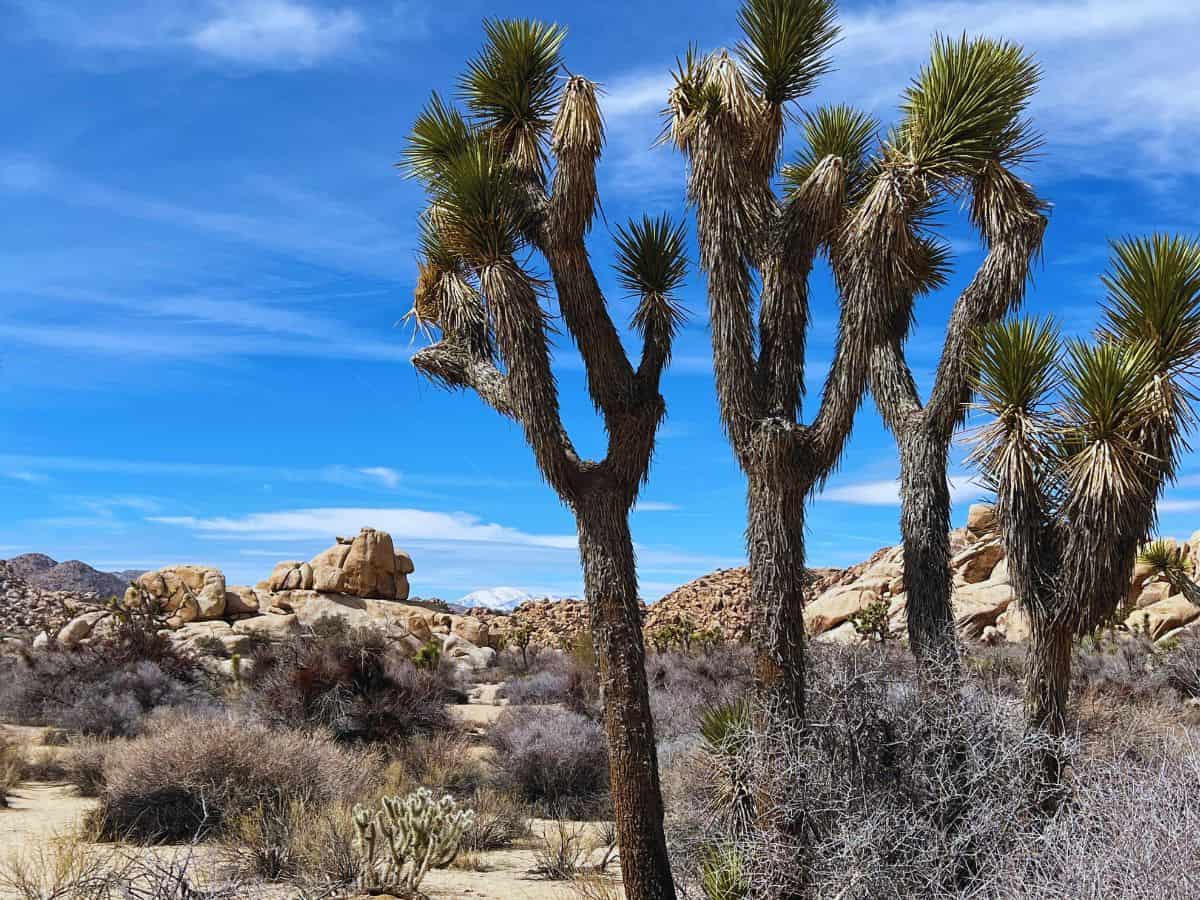
If you enjoy nature’s oddities, this is your park. Twisted Joshua trees and bizarre boulders scatter the desert, creating a surreal, almost alien landscape. Some visitors feel let down—not enough trees, too much sameness. We didn’t feel that way. The trees are unlike anything we see in Ohio, and the rock formations—Arch Rock, Heart Rock, Skull Rock—sparked our imagination and sense of wonder.
Joshua Trees: Resilient Icons of the Mojave
Joshua trees are special for more than their quirky appearance. Despite their name, they’re actually succulents, found almost exclusively in the Mojave Desert at elevations between 1,500 and 6,000 feet. They play a vital role in the ecosystem, offering food and shelter to mammals, birds, insects, and lizards. To many, their resilience symbolizes that life, love, and beauty can thrive even in the harshest conditions.
Want more iconic flora? Check out our post on must-see plants and trees in national parks. Yes, Joshua Tree made the list.
Rock Formations: A Playground for Climbers and Dreamers

Joshua Tree is a rock climber’s paradise, with more than 8,000 climbing routes, 2,000 boulder problems, and hundreds of natural gaps to explore. Its monzogranite formations cater to all skill levels and are renowned for traditional crack, slab, and steep face climbing.
As someone who fears heights, I’m content admiring the massive boulders from the ground—and yes, I find them beautiful. You don’t need to be a daredevil to appreciate the park’s geology. Skull Rock gets plenty of attention, but Julie and I preferred Heart Rock and Arch Rock. They’re just as captivating and often less crowded.
Stargazing: A Certified Dark Sky Experience

Julie and I loved stargazing in Joshua Tree. The night sky was breathtaking—bright stars confettied across a black canvas. Even if stargazing isn’t your thing, take a moment to look up. Certified Dark Sky Parks are rare, and Joshua Tree delivers.
Two Deserts, One Park
Joshua Tree National Park spans two distinct desert ecosystems, each with its own personality.
- Colorado Desert (East): Below 3,000 feet, this sunbaked basin is dotted with creosote, spidery ocotillo, green-barked palo verde, and the deceptively prickly teddy bear cholla.
- Mojave Desert (West): Above 3,000 feet, Joshua trees flourish among pinyon pines, Mojave yuccas, prickly pear cacti, scrub oaks, and junipers.
The contrast between these zones adds depth and variety to your visit—two deserts, one park, and a surprising range of textures and tones.
Easy Hikes for All Ages
You might assume Joshua Tree is only for hardcore climbers. Thankfully, that’s not the case. Julie and I are in our 50s and had that exact fear, but we were relieved to find plenty of easy hiking trails perfect for older adults, families, and first-time visitors. The park even features a trail designed by kids.
You’ll also find smaller rock formations where kids—and folks like me who fear heights—can enjoy light scrambling and bouldering. Trust me, if I can do it, anyone can. This comes from a guy who can’t make it past the third rung on a ladder.
👉 Explore our post on easy hikes in Joshua Tree.
Don’t Skip the Cholla Cactus Garden

Joshua trees may hog the headlines, but don’t skip the Cholla Cactus Garden. Just don’t be fooled by the teddy bear cholla—despite their fuzzy appearance, they’re fiercely prickly. Their barbs latch on with the slightest touch. Try to visit near sunrise or sunset, when the cacti glow with a warm golden light.
Slot Canyons: A Hidden Adventure
If you enjoy squeezing through slot canyons, don’t miss Hall of Horrors. You’ll hike around massive boulder piles and soak in sweeping desert views, and finding the slots is part of the fun. If you’re claustrophobic or have mobility challenges, this may not be your jam. Otherwise, it’s a playful challenge for school-aged kids to older adults with average fitness.
Birding in Joshua Tree: Quietly Rewarding
While Joshua Tree isn’t one of our top birding parks, it still offers a satisfying experience, especially if you enjoy spotting desert dwellers and seasonal visitors. If you’re curious about which birds you might see, expand the lists below to explore year-round residents, birds of prey, and seasonal migrants.
🐦 Year-Round Residents
- Greater roadrunner
- Mockingbird
- Verdin
- Cactus and rock wrens
- Mourning dove
- Le Conte’s thrasher
- Gambel’s quail
🦅 Birds of Prey
- Red-tailed hawk
- American kestrel
- Cooper’s hawk
- Prairie falcon
🧭 Migratory Visitors
- Warblers
- Black-headed grosbeaks
- Western tanagers
- Indigo buntings
- Sharp-shinned hawks
- Northern harriers
- Osprey
- Swainson’s hawks
👉 Explore our post on the best national parks for birding.
Photography: A Visual Feast
Nature and landscape photographers will find plenty to love in Joshua Tree. Twisted trees, glowing cholla, sculpted rock formations, and desert birds offer endless inspiration. One unexpected treat: a breathtaking view of snow-capped San Gorgonio Mountain shimmering on the horizon.
Who Will Love Joshua Tree?

Joshua Tree offers something for every kind of traveler. Whether you’re chasing adrenaline or seeking a slower-paced escape, the park delivers a mix of surreal landscapes, outdoor challenges, and quiet moments.
Here’s a quick look at what different types of visitors might enjoy:
| Hardcore Adventurers | Families, First-Time Visitors & Older Adults |
|---|---|
| Rock climbing | Easy hikes |
| Slacklining | Unique landscapes |
| Bouldering | Light scrambling |
| Highlining | Stargazing |
| Backpacking | Birding |
| Backcountry biking | Photography |
Tips for Visiting Joshua Tree
Whether you’re planning your first visit or returning for another round of desert magic, these tips will help you make the most of your time in the park:
🌅 Timing & Weather
- Start early to beat the heat and the crowds.
- Time your visit for spring or fall—desert temps swing wildly.
- Don’t skip sunset—the golden hour transforms the landscape.
- Stay after dark—Joshua Tree is a certified Dark Sky Park, and the stars are unforgettable.
🎒 Gear & Navigation
- Pack layers for chilly mornings and hot afternoons.
- Bring more water than you think you’ll need.
- Use a paper map—cell service is spotty in many areas.
🌵 Terrain & Safety
- Respect the terrain—stay on trails and avoid touching cacti.
👉 Explore our list of 25 awesome things to do in Joshua Tree.
Bottom Line: Is Joshua Tree Worth Visiting?

Is Joshua Tree one of my personal favorites? No. Is it worth visiting? Absolutely. The park offers plenty for both hardcore adventurers and casual explorers. Whether you’re drawn to surreal landscapes, easy hikes, or star-filled skies, Joshua Tree delivers a memorable experience.
FAQs About Visiting Joshua Tree National Park
If you’re still weighing whether Joshua Tree is right for you, these common questions may help clarify your decision.
What is the best time of year to visit Joshua Tree?
Spring and fall offer the most comfortable temperatures and vibrant desert blooms. Summer can be dangerously hot, while winter nights get chilly.
Are there easy hikes suitable for older adults?
Yes! The park has several easy trails, including Hidden Valley, Barker Dam, and the Discovery Trail. Many offer light scrambling and scenic views.
Is Joshua Tree good for families with kids?
Absolutely. Kids love scrambling on rocks, spotting wildlife, and exploring short trails. The park even has a trail designed by children.
Can you see stars in Joshua Tree?
Yes! Joshua Tree is a certified Dark Sky Park. Stargazing here is phenomenal—especially on moonless nights away from light pollution.
Are there campgrounds inside the park?
Yes. Joshua Tree has multiple campgrounds, including Hidden Valley, Jumbo Rocks, and Black Rock. Reservations are recommended during peak seasons. See official NPS campground info.
Is Joshua Tree National Park worth visiting if I’ve already seen other California parks?
If you enjoy desert landscapes, surreal geology, and stargazing, it’s worth a visit. It may not top your list, but it offers a distinct experience compared to Yosemite, Sequoia, or Lassen.
Don’t miss our full guide to Joshua Tree!
We’ve got everything you need to plan your perfect trip.
Featured image credit: Miles with McConkey