
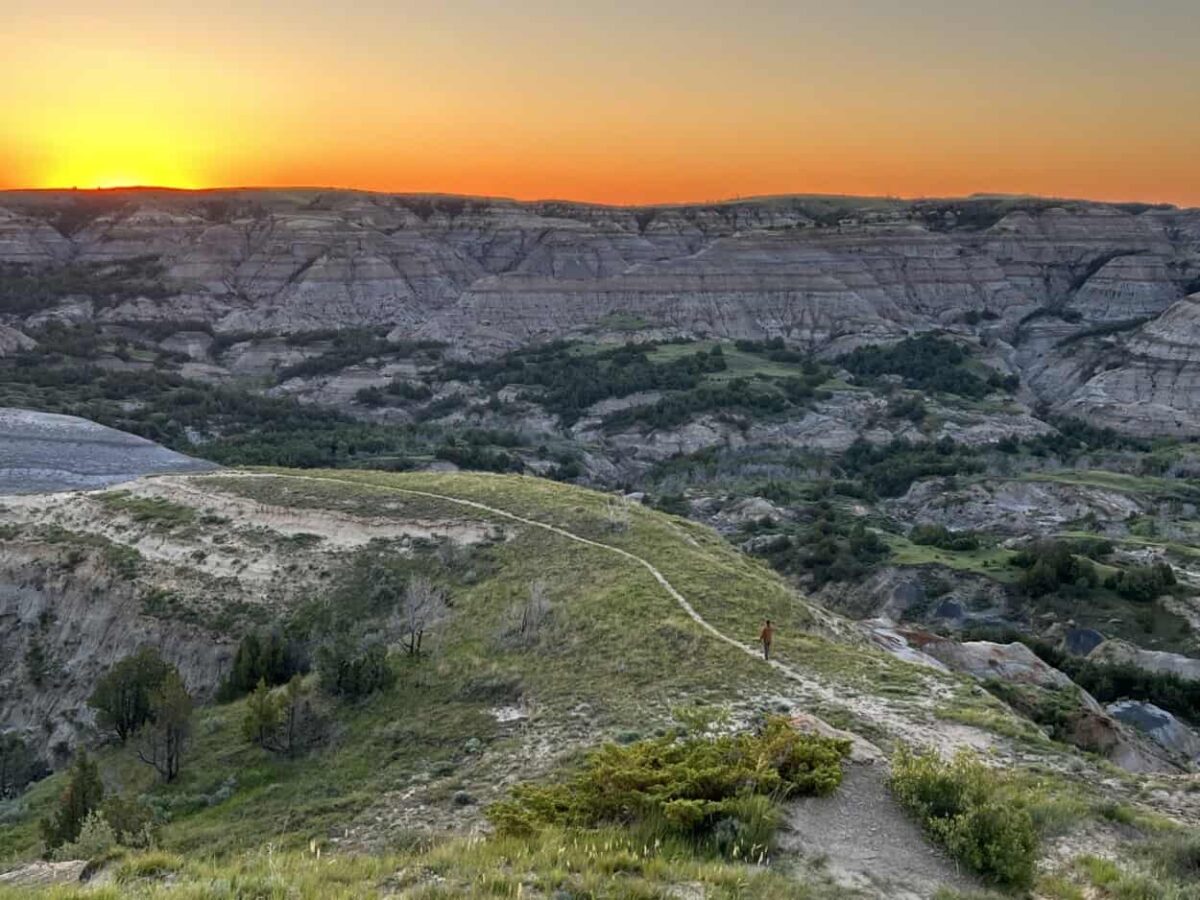
When most people talk about U.S. national parks, names like Yellowstone, Grand Canyon, or Yosemite usually take the spotlight. But if you’re craving big scenery without crowds, Theodore Roosevelt National Park in North Dakota might just surprise you. After visiting both the South and North Units, we believe it’s one of the most underrated national parks in the country.
Let’s explore why Theodore Roosevelt National Park is absolutely worth the trip.
Disclosure: This post may contain affiliate links. If you make a purchase through one of these links, I may earn a small commission at no additional cost to you. Thanks for keeping Miles with McConkey going!
A Park in Three Pieces: What You Should Know First
Before we discuss why this place is special, it’s worth pointing out a couple of drawbacks, starting with its unusual layout.
Unlike many national parks, Theodore Roosevelt is divided into three separate areas: the South Unit, the North Unit, and the remote Elkhorn Ranch Unit. Each section is geographically distant from the others, which means you’ll need to do some driving if you want to explore them all.
Julie and I didn’t make it to the Elkhorn Ranch Unit, but we found real joy in exploring both the North and South Units. For many visitors, the South Unit near Medora is the most convenient and popular — but the North Unit offers its own distinct beauty and experiences.
Want to explore each section in detail? Check out our dedicated guides:
- Guide to the South Unit of Theodore Roosevelt National Park
- Guide to the North Unit of Theodore Roosevelt National Park
Few Amenities, But Nearby Towns Have You Covered
It is essential to note that the park has limited amenities. There is no traditional lodging or dining within the park—only primitive campgrounds.
Nearby communities like Medora and Watford City help fill the gaps with lodging, dining, and other traveler conveniences. Once you’re stocked up, get ready — the roads through this park are packed with beauty around every bend.
The Scenic Drives Are Half the Fun

Both the North and South Units offer loop drives that showcase the park’s best views, wildlife, and trailheads. These roads are easy to navigate and relatively uncrowded, making for a peaceful, immersive experience. Pullouts and overlooks provide dramatic views of colorful badlands, expansive prairies, and meandering rivers.
Driving here feels like discovering a hidden gem — one you don’t have to share with a thousand other visitors.
A Wildlife Watcher’s Paradise
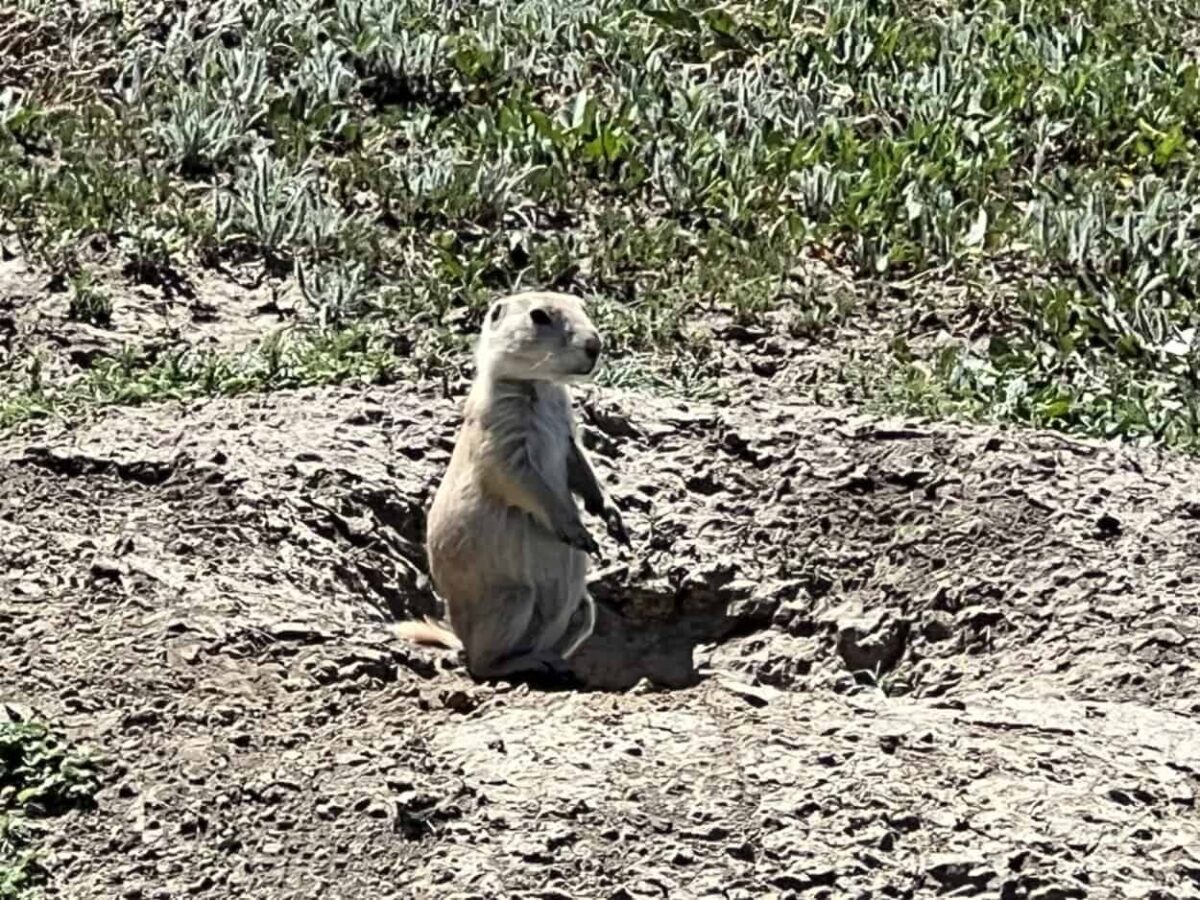
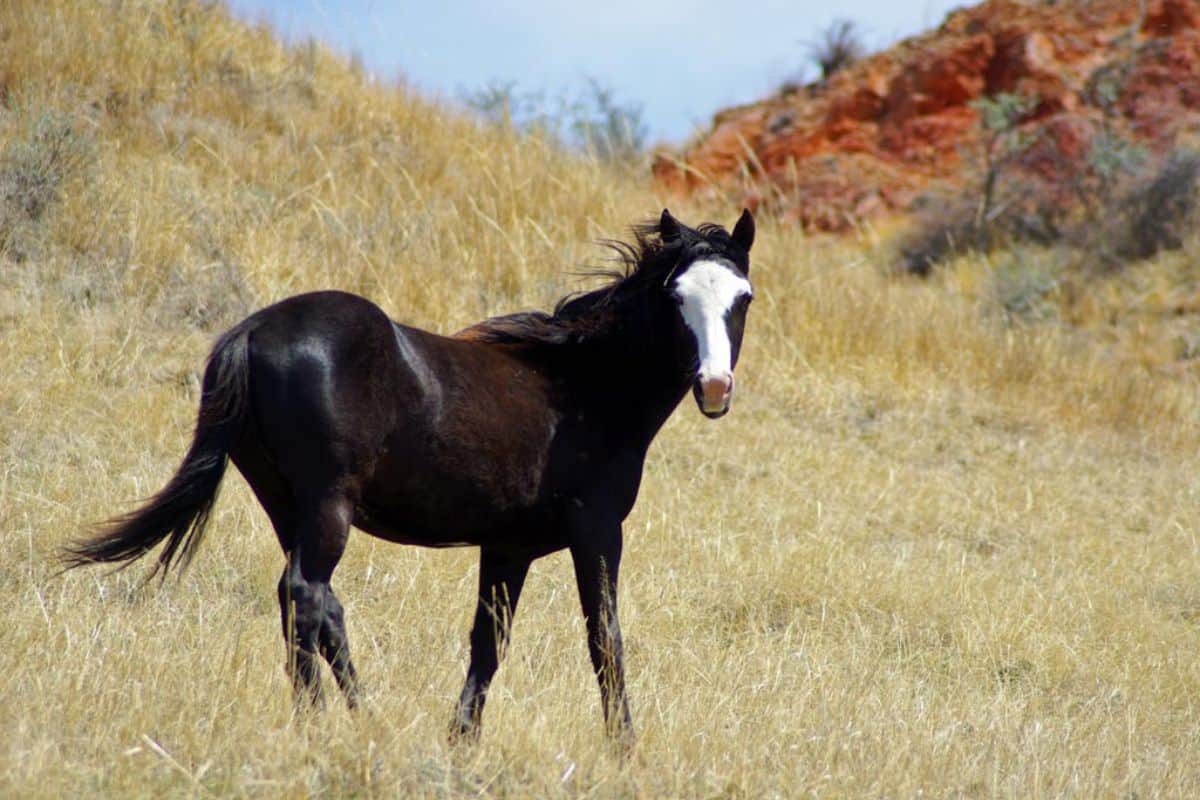
This park might be one of the best in the country for spotting wildlife. During our visit, we saw an incredible array of animals: bison, prairie dogs, pronghorns, elk, wild horses, deer, rabbits, porcupines, wild turkeys, and even Texas longhorns grazing near the North Unit entrance.
Bring your binoculars or camera — the opportunities to watch animals in their natural habitat are phenomenal.
Quiet Roads and Big Horizons
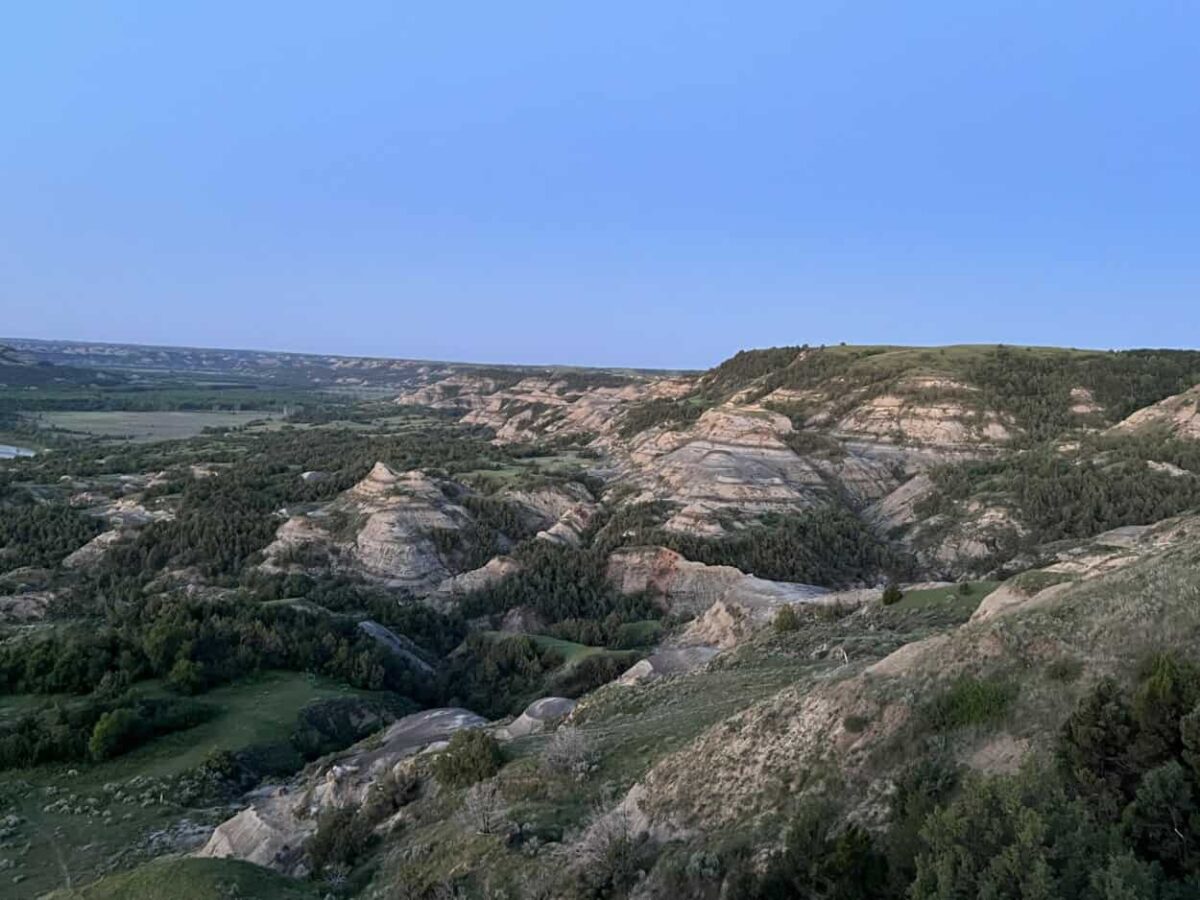
One of the most refreshing aspects of Theodore Roosevelt National Park is how quiet it can be — especially compared to more iconic national parks. While it sits around the middle of the pack regarding annual visitation, it feels far less crowded.
If you truly want to escape the crowds while soaking up scenic drives and a sense of wild open space, the North Unit is the place to be.
Breathtaking Views Without the Hassle
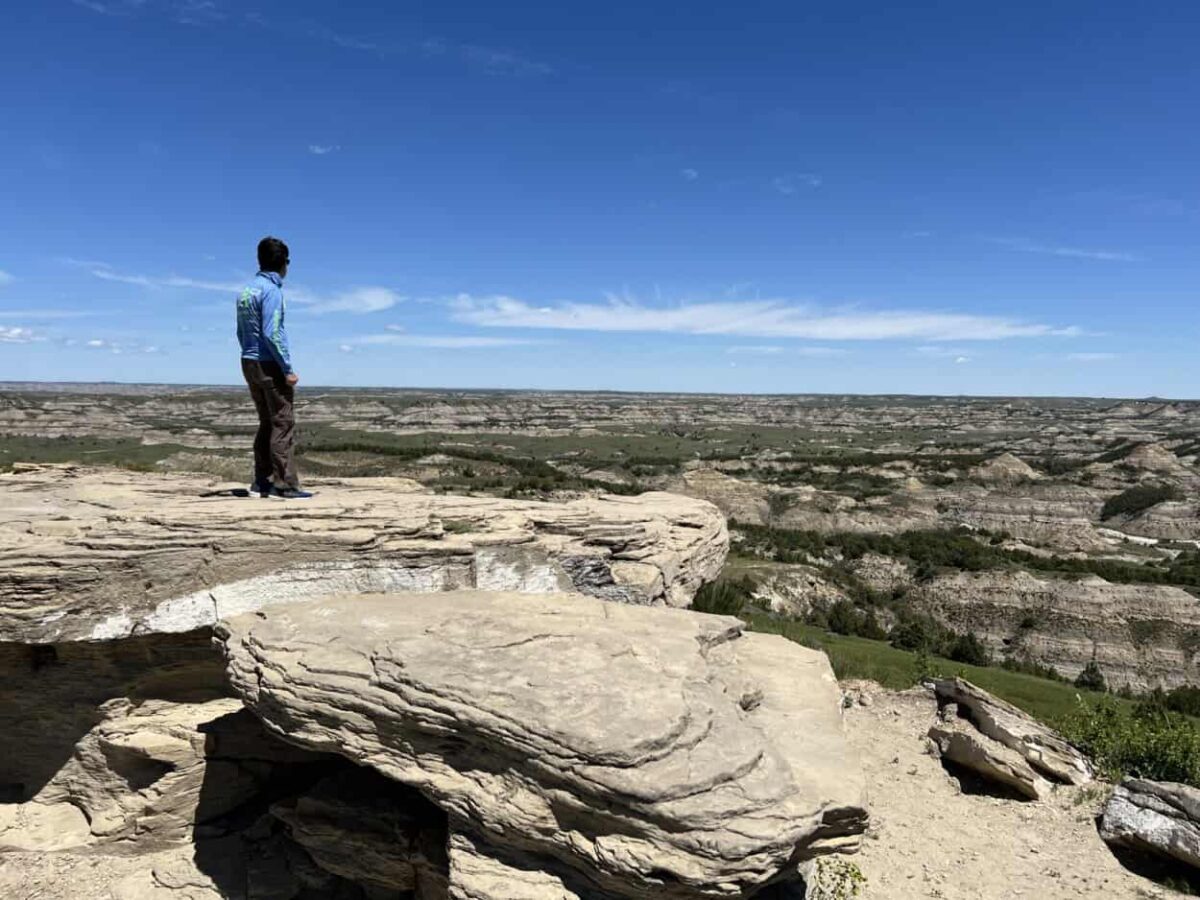
The hiking trails in both units are manageable and rewarding. Many are short to moderate and lead to stunning overlooks or peaceful valleys. You don’t need to be a hardcore hiker to enjoy this park’s rewards.
Plus, with less traffic on trails and roads, you’ll feel like you have the whole place to yourself.
The North vs. South Unit: Do Both if You Can
While the South Unit gets more visitors thanks to its proximity to I-94 and the gateway town of Medora, the North Unit is well worth the extra drive. It’s wilder, quieter, and home to striking formations like the Oxbow Overlook and cannonball concretions. We found the landscapes slightly more dramatic and the experience more intimate.
Both units feel like their own parks, but they complement each other beautifully. If time allows, we highly recommend visiting both.
FAQs About Visiting Theodore Roosevelt National Park
Planning your first visit or still on the fence? Here are some quick answers to common questions that might help you decide if this underrated gem belongs on your itinerary.
What’s the best time to visit Theodore Roosevelt National Park?
Late spring through early fall is ideal. May through October offers the best weather, open roads, and abundant wildlife activity. Summer can get warm, but the dry air and wide-open spaces make it manageable — and crowds are rarely overwhelming.
How many days do you need in Theodore Roosevelt National Park?
Two to three days is a great sweet spot if you want to explore both the North and South Units. If you’re tight on time, you can get a good feel for either unit in a day, thanks to the scenic drives and well-marked trails.
Which is better — the North or South Unit?
They each have strengths. The South Unit has more visitors and infrastructure, while the North Unit offers quieter, more rugged beauty and fewer crowds. We recommend seeing both if you can—they complement each other well.
Do the park’s units fall in different time zones?
Yes! The South Unit (near Medora) is in the Mountain Time Zone, while the North Unit (near Watford City) is in the Central Time Zone. Remember this when planning drives between the units, especially if you visit both in one day.
Can you see wildlife at Theodore Roosevelt National Park?
Absolutely. The park is one of the best we’ve visited for wildlife viewing. Expect to see bison, prairie dogs, pronghorns, and even wild horses. Bring your camera — you won’t be disappointed.
Is Theodore Roosevelt National Park crowded?
Not really — especially when compared to more iconic parks like Yellowstone or Zion. While it ranks somewhere in the middle for annual visitation, it often feels less crowded. In the North Unit, we saw a few other cars here and there, but they were few and far between. If you’re craving space and solitude, this park delivers.
Is there cell service in the park?
Expect spotty coverage, especially in the North Unit. Download maps and guides ahead of time for a smoother visit.
So, Is Theodore Roosevelt National Park Worth Visiting?
Absolutely. This park may not be as famous as others, but that’s part of its charm. With unforgettable views, incredible wildlife, and a peaceful atmosphere, Theodore Roosevelt National Park offers a rare kind of beauty that feels personal and wild all at once.
If you’re looking for an inspiring and refreshingly low-key national park experience, add this one to your list. You won’t regret it.
Featured image credit: Miles with McConkey