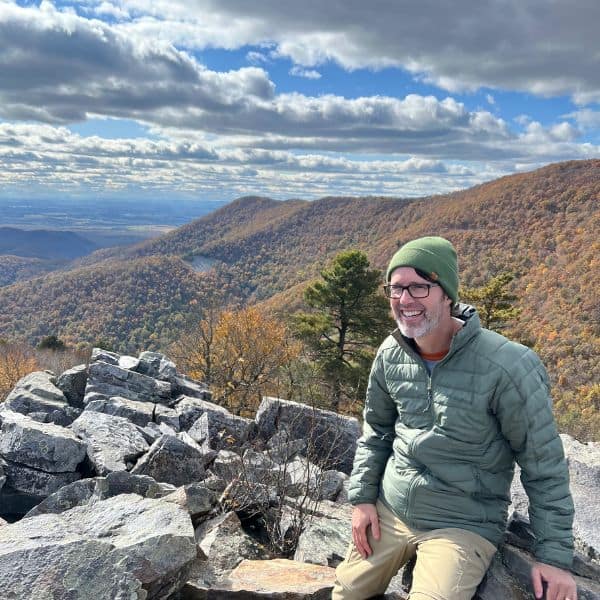

Choosing which Channel Island to visit can feel overwhelming, as each offers something completely different. Some are easy day trips with short hikes and great snorkeling. Others are windy, rugged, and better suited for visitors who enjoy a challenge. Julie and I visited Santa Cruz Island on our first trip, and while I loved the ferry ride and the wild, remote setting, she felt queasy the entire way. That experience taught us that planning, timing, and expectations matter more here than in most national parks.
Disclosure: This post may contain affiliate links. If you make a purchase through one of these links, I may earn a small commission at no additional cost to you. Thanks for supporting Miles with McConkey.
There are eight Channel Islands in total, but only five are part of Channel Islands National Park: Anacapa, Santa Cruz, Santa Rosa, San Miguel, and Santa Barbara. The other three islands — San Clemente, San Nicolas, and Santa Catalina — are not part of the park. This guide focuses on the five national park islands so you can choose the one that fits your interests, comfort level, and time.
If you want a deeper look at the overall experience, you can read my honest review of whether Channel Islands National Park is worth visiting. I also invite you to watch our video tour of the park, which gives a real sense of the ferry ride, the scenery, and the overall atmosphere.
Ferry Access by Island

Before choosing an island, it is important to understand how frequently each one is served by the park’s ferry operator.
| Island | Schedule | Notes |
|---|---|---|
| Santa Cruz | Year round, multiple trips weekly | Most accessible; widest range of activities including hiking, kayaking, snorkeling, camping, and ranger programs. |
| Anacapa | Year round, 3–7 days per week | Popular for day trips; iconic lighthouse and seabirds. Access requires climbing stairs from the dock. |
| Santa Rosa | Year round, 5–7 days per week; reduced in winter | Larger and more remote; backcountry beach camping available mid August through October. |
| San Miguel | April through November, 4–8 days per month | Remote and rugged; subject to cancellations; strong winds are common. |
| Santa Barbara | Spring through fall, 2–4 days per month | Smallest island with limited access and facilities. Currently no service due to dock damage. |
Island Packers is the park’s sole ferry concessionaire. Always call the morning of your trip to confirm conditions. Cancellations are common in winter but can happen in any season. I still remember nervously calling before our own visit and feeling relieved when the cruise got the green light.
Here’s a closer look at what each island offers.
Santa Cruz Island
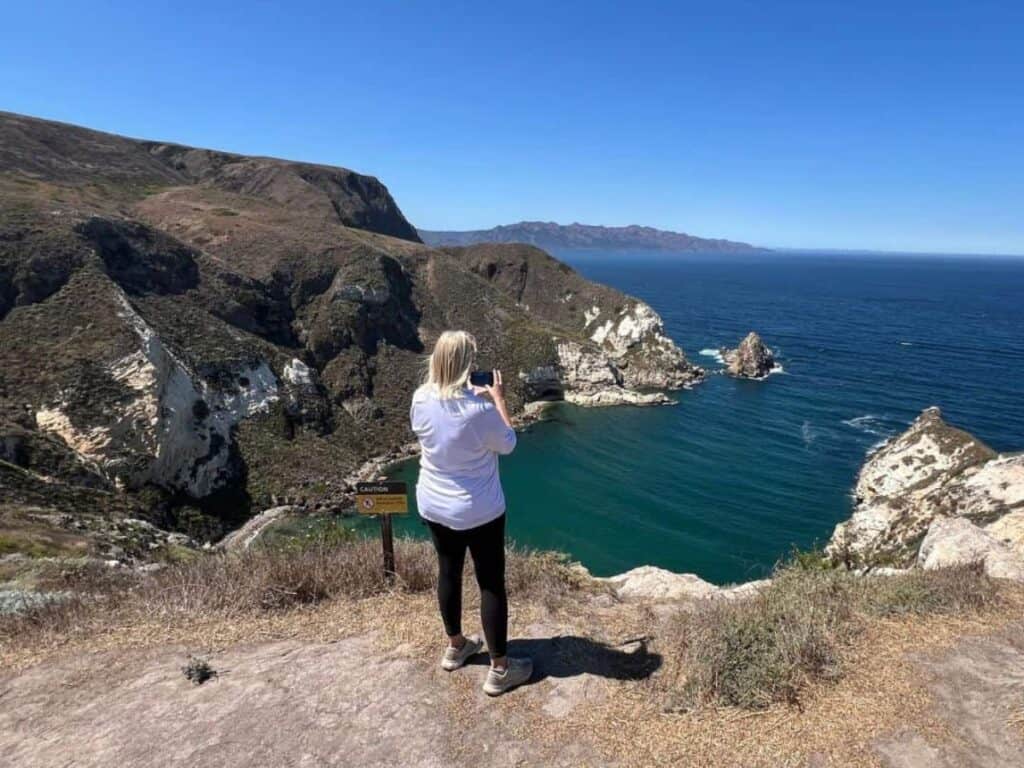
Santa Cruz Island is the easiest place to begin, offering the widest range of activities and the most reliable access in the entire park.
| Category | Details |
|---|---|
| Island Size | 24 miles long, up to 6 miles wide |
| Notable Features | Sea caves, kelp forests, beaches, canyons |
| Accessibility | Easiest |
| Ferry Time | 1 to 1.5 hours |
| Best For | First timers, families, hiking, kayaking, snorkeling |
| Time Needed | Half or full day |
| Hiking Difficulty | Easy to moderate |
| Wildlife | Island fox, island scrub jay |
Santa Cruz has the best weather, the most activities, and the most diverse landscapes in the park. From pristine beaches to rugged mountains and grassy hills, the island feels like a world of its own. Diablo Peak rises to 2,450 feet, and the island scrub jay lives nowhere else on Earth. Seeing both the island fox and the island scrub jay was a highlight of our trip.
Activities
Santa Cruz is the park’s hub for watersports. Scorpion Beach is a world‑class spot for snorkeling, diving, and kayaking thanks to clear water, kelp forests, and easy access. Kayaking toward Scorpion Rock or Cavern Point offers sea caves and great wildlife viewing.
Hiking
Hiking options range from short coastal walks to strenuous inland routes. Trails begin at Scorpion Beach, Smugglers Cove, and Prisoners Harbor. Coastal trails offer dramatic cliffside views, while inland routes climb through rolling hills and canyons. Julie and I hiked a couple of the coastal trails and loved the dramatic views of waves crashing against the cliffs.
Who It Is Best For
Santa Cruz is the best choice for most first‑time visitors. It’s easy to reach, offers the most variety, and gives you an excellent chance to see wildlife. Even though the ferry ride was rough for Julie, I would return in a heartbeat.
Anacapa Island
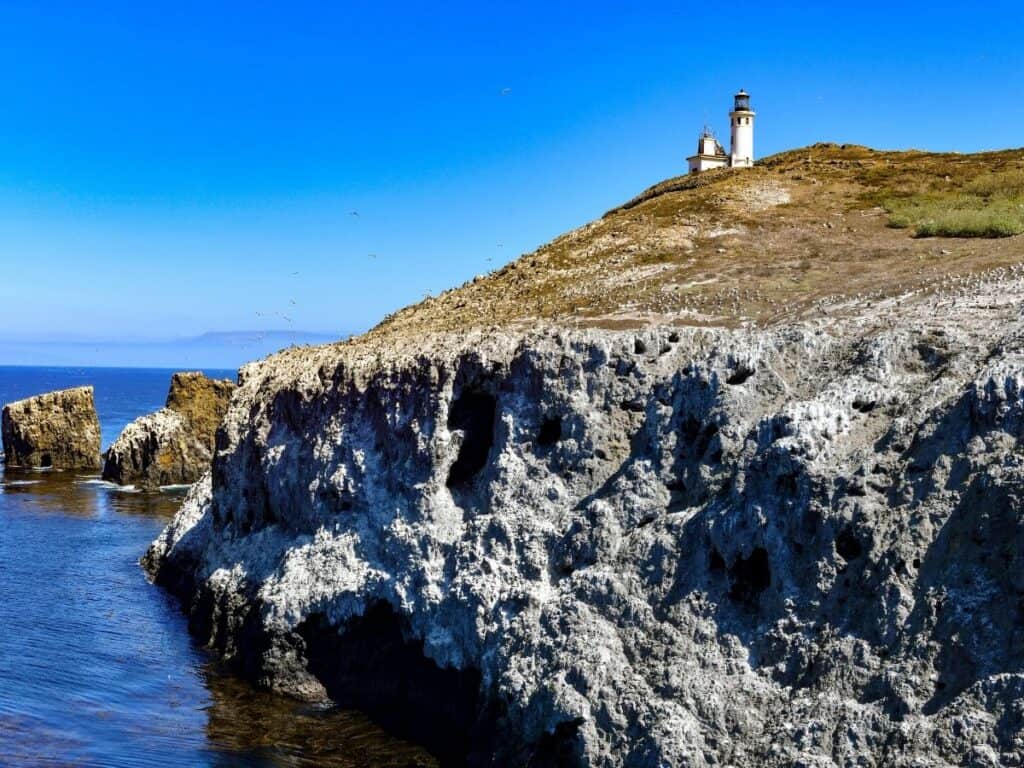
Anacapa Island is a narrow, five‑mile‑long chain of three islets known for its arches, seabirds, giant coreopsis blooms, and one of the most photogenic lighthouses on the West Coast.
| Category | Details |
|---|---|
| Island Size | 5 miles long, 0.25 miles wide |
| Notable Features | Arches, lighthouse, tide pools, giant coreopsis |
| Accessibility | Easy |
| Ferry Time | 1 to 1.5 hours |
| Best For | Lighthouse lovers, seabirds, sea caves, arches |
| Time Needed | Half day |
| Hiking Difficulty | Easy |
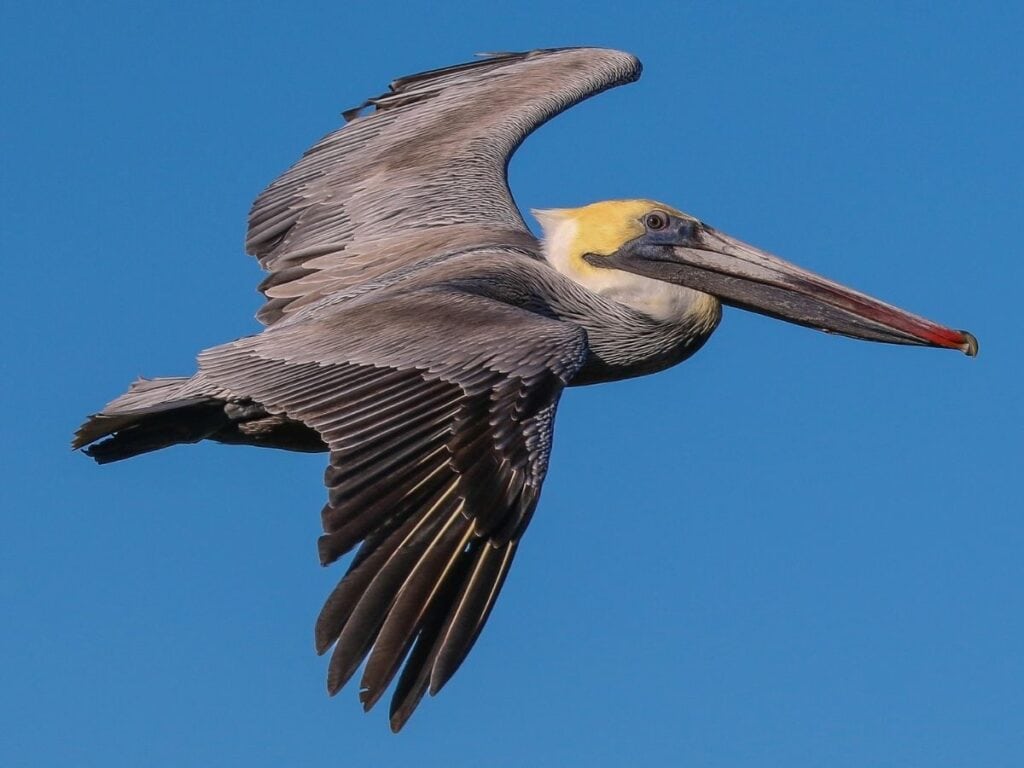
| Wildlife | Brown pelicans, gulls, Anacapa deer mouse |
Most visitors land on East Anacapa, which holds the lighthouse, the best viewpoints, and the island’s small but rewarding trail system. The island is home to 265 plant species, including the striking giant coreopsis, which transforms the landscape with bright yellow blooms in March and April.
Hiking on Anacapa
East Anacapa offers about two miles of easy trails in a figure‑eight layout. Three of the four main destinations are short half‑mile walks, including the lighthouse. Inspiration Point is the longest route at 1.5 miles and offers some of the park’s most iconic views.
Watersports and Tide Pools
Landing Cove is the only access point to the water, but it’s excellent for snorkeling, diving, and kayaking thanks to clear water and abundant marine life. Kayaking toward Arch Rock or Cathedral Cove provides arches, sea caves, and great wildlife viewing. Tide pools near the landing area are another highlight, especially at low tide.
Who It’s Best For
Anacapa is perfect for day trippers who want dramatic scenery in a compact, easy‑to‑explore setting. The lighthouse alone is worth the visit, but the arches, sea caves, giant coreopsis bloom, and easy hikes make it even more appealing.
Santa Rosa Island

Santa Rosa Island blends rugged canyons, sweeping beaches, and quiet backcountry in a way that feels completely different from the other islands.
| Category | Details |
|---|---|
| Island Size | 15 miles long, 10 miles wide |
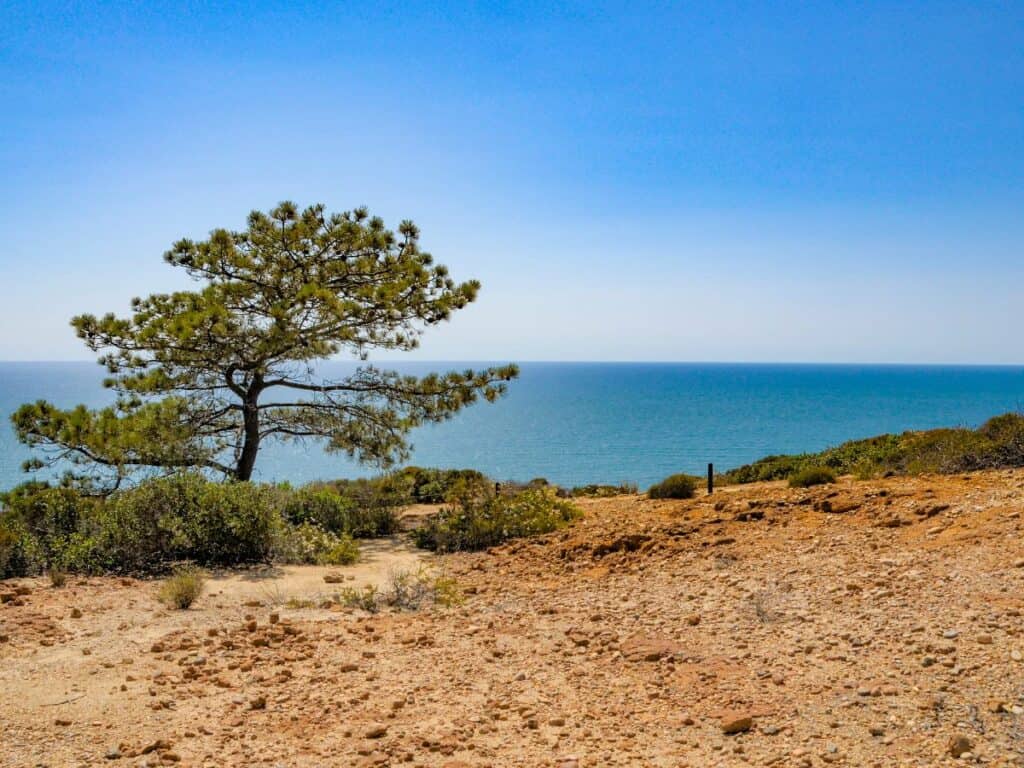
| Notable Features | Dunes, driftwood, canyons, Torrey pines |
| Accessibility | Moderate |
| Ferry Time | 3 hours |
| Best For | Hikers, plant lovers, remote beaches |
| Time Needed | Full day |
| Hiking Difficulty | Moderate to strenuous |
| Wildlife | Island fox, island spotted skunk |
Santa Rosa offers rolling hills, deep canyons, remote beaches, and a coastal lagoon. It’s home to the island fox, the island spotted skunk, and the munchkin dudleya, a rare plant found only here.
Hiking
Several trails and old ranch roads traverse Santa Rosa, offering everything from easy coastal walks to rugged climbs. The park lists eight hiking routes, ranging from 3 to 16 miles, but many visitors have only a single day on the island, so shorter options are especially helpful.
Water Canyon Beach: 3 miles, easy
- A mostly level walk to one of the most beautiful beaches in the park.
Cherry Canyon: 3.5 miles, moderate
- A scenic loop through rolling hills and canyon terrain.
Activities
Beyond hiking, Santa Rosa offers tide pooling, wildflower viewing, and primitive camping. Water Canyon Beach is a highlight, whether you hike to it or simply spend time along the shoreline.
Who It Is Best For
Santa Rosa is great for hikers, plant lovers, and anyone seeking a remote yet manageable adventure. I’m drawn to the dunes, driftwood, canyons, and the chance to see Torrey pines. This island is high on my list for a return visit.
San Miguel Island
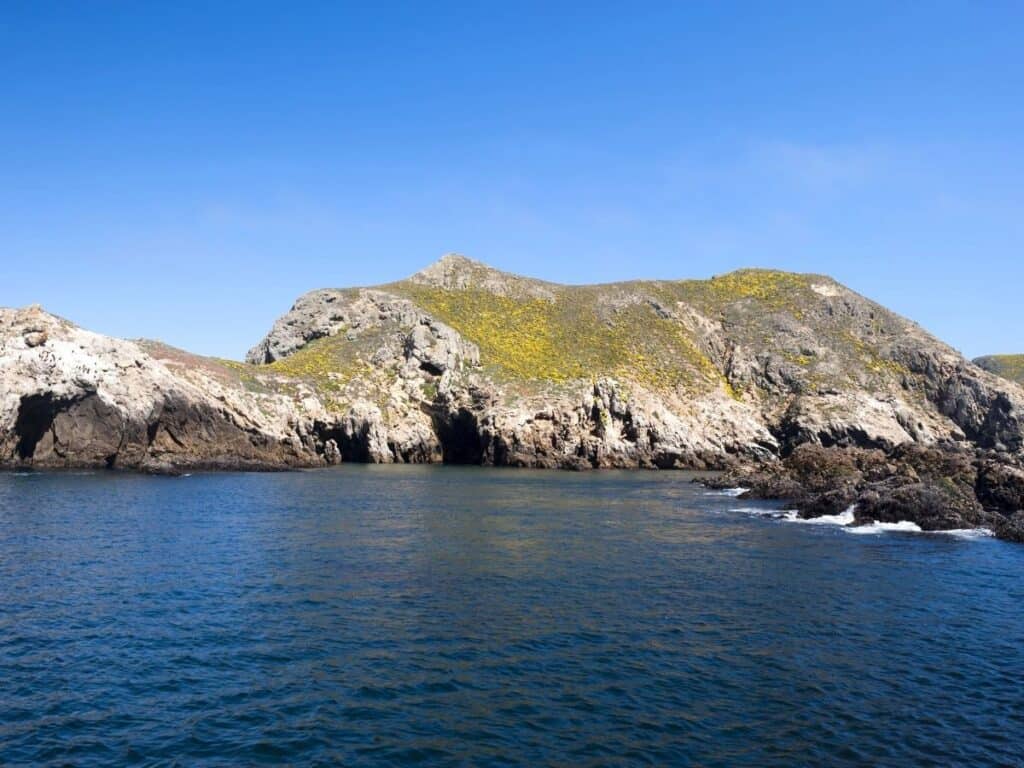
San Miguel Island is the park’s wild frontier — remote, windswept, and home to some of the most dramatic wildlife viewing in the entire archipelago.
| Category | Details |
|---|---|
| Island Size | 8 miles long, 4 miles wide |
| Notable Features | Chumash sites, Cabrillo Monument, caliche forest, seabird & pinniped rookeries |
| Accessibility | Difficult |
| Ferry Time | 4 hours |
| Best For | Experienced adventurers, wildlife lovers, history buffs |
| Time Needed | Full day |
| Hiking Difficulty | Moderate to strenuous |
| Wildlife | Seals, sea lions, seabirds |
San Miguel receives the full force of open‑ocean weather, including strong winds and fog. Thirty‑knot winds are common, and visitors must be prepared for challenging conditions.
Activities
San Miguel is known for its wildlife. Point Bennett hosts up to five pinniped species and more than 30,000 individuals. The island also supports one‑third of all breeding seabirds in the Channel Islands. Chumash sites, the Cabrillo Monument, and the caliche forest add historical and geological interest.
Hiking
Hiking on San Miguel is limited and highly regulated. Visitors must stay on designated trails due to possible unexploded ordnance from the island’s past as a bombing range. A permit is required, and most routes beyond the ranger station require a ranger escort.
Independent hiking is allowed only in a few areas. Here are the main routes visitors can experience, with notes on which require a ranger escort.
Cuyler Harbor: 2 miles, easy
- A beautiful stretch of white sand beach where visitors may walk unescorted.
Cabrillo Monument: 2 miles, strenuous
- A short but steep climb to a historic monument overlooking Cuyler Harbor.
Caliche Forest: 5 miles, strenuous (ranger‑led only)
- A surreal landscape of calcified prehistoric vegetation. Access is strictly controlled.
Who It Is Best For
San Miguel is best for experienced adventurers or visitors with a special interest in pinnipeds, seabirds, or history. For most day trippers, the long ferry ride, rough seas, and limited access will feel like too much.
Santa Barbara Island
Santa Barbara Island is the smallest and most remote island in the park, rising sharply from rocky shores to a grassy mesa with sweeping coastal views.
| Category | Details |
|---|---|
| Island Size | 1 mile long, 1.5 miles wide |
| Notable Features | Seabird, seal & sea lion rookeries; wildflowers; kelp forests |
| Accessibility | Difficult |
| Ferry Time | 3 hours (service currently suspended) |
| Best For | Bird lovers, plant enthusiasts, solitude seekers |
| Time Needed | Full day |
| Hiking Difficulty | Moderate to strenuous |
| Wildlife | Scripps’s murrelet, island night lizard, pinnipeds |
Santa Barbara is home to rare species, steep cliffs, and dense wildlife activity along the shoreline. Despite its size, the island feels surprisingly wild.
Activities
Visitors come for hiking, wildlife viewing, wildflowers (best in late winter and spring), primitive camping, and excellent watersports at Landing Cove. Because the island is a cliff island, Landing Cove is the only access point to the water.
Watersports
Santa Barbara Island is ideal for swimming, diving, snorkeling, and kayaking, though there are no lifeguards and access is limited to the dock. Underwater visibility is often excellent, and the kelp forests are teeming with life. Kayaking north toward Arch Point or south toward the Sea Lion Rookery offers sea caves, arches, and great wildlife viewing. Experienced kayakers can circumnavigate the island’s five‑mile coastline.
Hiking
Once visitors climb the steep trail from the landing cove, they’ll find just over five miles of trails that cross gentle slopes, low peaks, and dramatic overlooks.
Arch Point: 1 mile, moderate
- A short hike with coastal views and seasonal wildflowers.
Elephant Seal Cove Overlook: 2.5 miles, strenuous
- Views of volcanic cliffs, Shag Rock, and seals and sea lions below.
Webster Point: 3 miles, strenuous
- A route to marine terraces, steep cliffs, and natural arches.
Sea Lion Rookery Overlook: 2 miles, moderate
- One of the best places to see dense seabird and pinniped activity.
Signal Peak: 2.5 miles, strenuous
- The island’s highest point, with views of giant coreopsis, Sutil Island, and the rugged coastline.
Important Note
Island Packers is not currently running trips to Santa Barbara Island due to dock damage. When service resumes, expect a steep climb from the dock to the top of the island.
Who It Is Best For
Santa Barbara appeals to bird lovers, plant enthusiasts, and anyone who enjoys solitude. Despite the challenges — its small size, rocky shores, and limited access — I’m drawn to the rare species and rugged scenery. A few of these trails are calling me.
If You’re Thinking About a Trip, Timing Matters

Our guide to the best time to visit Channel Islands National Park explains what each season brings to the islands.
Which Island Is Best For Your Trip
- First timers: Santa Cruz
- Families: Santa Cruz
- Solitude: Santa Barbara
- Lighthouse lovers: Anacapa
- Hiking variety: Santa Cruz
- Rugged, isolated wilderness: San Miguel
- Secluded beaches, quiet hiking: Santa Rosa
- Camping: offered on all five islands
- Backcountry camping – Santa Cruz (year-round);
- Backcountry beach camping: Santa Rosa (seasonally)
- Kayakers and snorkelers: Santa Cruz or Anacapa
- Birding (island scrub jay): Santa Cruz
- Birding (variety): Anacapa or San Miguel
- Wildlife watching (island fox): Santa Cruz, Santa Rosa, or San Miguel
- Wildlife watching (seals, sea lions): San Miguel
If you’re planning a trip to the islands, Ventura makes an excellent base camp. Our guide covers where to stay, what to expect, and how to make the most of your time between ferry rides.
How to Choose
Think about what you want most from your visit. Looking for variety, wildlife, and easy planning? Santa Cruz is your island. Prefer lighthouses or an easy day trip? Go with Anacapa. If remote beaches and unique plants appeal to you, Santa Rosa is the standout. For a tougher adventure with incredible wildlife, San Miguel delivers. And if solitude is your priority, Santa Barbara is the quietest escape.
No matter which island you choose, planning ahead is essential. Check ferry schedules, confirm weather conditions, and be ready for a rugged, unforgettable experience.
Frequently Asked Questions About the Channel Islands
Here are answers to some of the most common questions visitors have when planning a trip to Channel Islands National Park.
Santa Cruz is the easiest island to reach and offers the widest variety of activities, including hiking, kayaking, snorkeling, and wildlife viewing. It’s the most flexible choice for first‑timers.
Santa Cruz and Anacapa have the most frequent ferry service and the simplest logistics. Santa Cruz offers more variety, while Anacapa is ideal for a short, easy day trip.
For most visitors, no. Ferries run point‑to‑point, and by the time you factor in check‑in and travel time, each island effectively takes a full day. Island Packers does offer occasional inter‑island shuttles for campers, but these are limited and not part of regular day‑trip service.
There are no food services on any of the islands, so bring all meals and snacks with you. Most visitors should also bring all the water they need for the day. Potable water is available only at the Scorpion Canyon campground on Santa Cruz Island and the Water Canyon campground on Santa Rosa Island. Restrooms are located at landing areas and campgrounds, but not on trails.
They can be, especially on windy or choppy days. Conditions vary by season and destination, and even the Santa Cruz route, which is usually the most sheltered, can get bumpy. More exposed routes tend to be rougher overall, but seas can change quickly no matter which island you are visiting.
Yes. Ferry trips and campsites often sell out, especially in spring and summer. Book as early as possible.
Don’t miss our full guide to Channel Islands!
It’s packed with tips and insights to help you plan a trip you’ll love.
Featured image credit: demerzel21 via Deposit Photos