

Julie and I visited Channel Islands National Park in early September, and we didn’t walk away with the same impression. One of us loved the adventure, while the other found it less enchanting.
Getting to the park is half the journey. Because the park comprises five distinct islands and is typically reached by ferry, planning is essential. And that is only the beginning. Weather nuances, seasonal amenities, and shifting activities all shape your experience. We will break it all down so you can find the best time to visit Channel Islands National Park.
Disclosure: This post may contain affiliate links. If you make a purchase through one of these links, I may earn a small commission at no additional cost to you. Thanks for supporting Miles with McConkey.
🗓 Seasonal Tips for Channel Islands
Each season brings its own character to the Channel Islands, from wildflower blooms to whale migrations. Tap below to explore seasonal tips.
🌸 Spring (Mar-May)
- Wildflowers bloom across the islands, especially on Santa Cruz and Anacapa.
- Migratory birds are active; bring binoculars for nesting seabirds and island fox sightings.
- Ocean conditions begin to calm, making kayaking and snorkeling more enjoyable.
- Trails can be muddy after winter rains, so waterproof footwear is helpful.
☀️ Summer Tips (June-Aug)
- Peak season for kayaking, snorkeling, and diving thanks to calmer seas and warmer water.
- Blue and humpback whales migrate offshore, offering prime whale-watching opportunities.
- Ranger-led programs and guided hikes are more frequent during summer months.
- Crowds are higher, so book ferry tickets and campsites well in advance.
🍂 Fall Tips (Sept-Nov)
- Excellent time for hiking and camping with mild weather and fewer visitors.
- Sea conditions remain favorable for water sports like kayaking and snorkeling.
- Wildlife viewing continues, with sea lions and migrating birds active.
- Lodging and ferry demand drops, making fall a budget-friendly season.
❄️ Winter Tips (Dec-Feb)
- Cooler, wetter weather; ferry trips may be canceled due to rough seas.
- Best season for gray whale watching as they migrate along the coast.
- Hiking and camping remain open, but ranger programs are limited.
- Trails are quieter, offering solitude for those seeking a peaceful experience.
With the seasons in mind, let’s talk about the best timing to dodge the crowds.
📊 Crowd Levels & Visitation Statistics
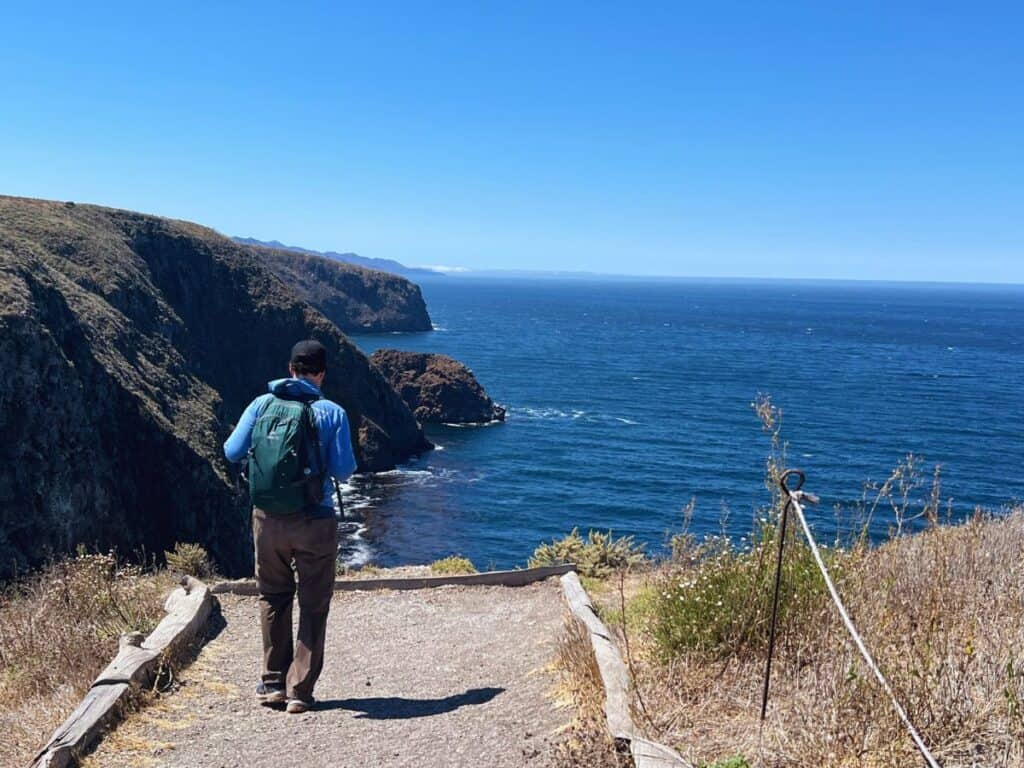
Channel Islands National Park welcomes about 320,000 visitors annually, which makes it one of the least‑visited national parks in the Lower 48. That relatively low number is part of its charm. Unlike the shoulder‑to‑shoulder crowds of Yosemite or Yellowstone, Channel Islands crowds remain relatively light. Timing still matters, though, because ferry capacity is limited and certain seasons draw more visitors than others.
Curious which other parks rank among the least‑visited? Explore our guide to the least-visited parks for more hidden gems.
Here’s a look at average monthly visitation by season:
| Season | Avg. Monthly Visitors | Notes |
|---|---|---|
Spring (Mar–May) | 22K–30K | Wildflowers and nesting seabirds attract nature lovers. |
| Summer (Jun–Aug) | 26K–40K | Peak season; ferries and campsites fill quickly. |
| Fall (Sep–Nov) | 17K–36K | September stays busy, but November drops off. |
| Winter (Dec–Feb) | 13K–21K | Quietest season; ferry cancellations more likely. |
Spring and fall generally offer moderate crowds compared to summer, making them popular choices for those who want a balance of activity and solitude. Summer sees the highest visitation, especially on weekends, so advance ferry and lodging reservations are essential. Winter is the quietest season, perfect for those seeking solitude, though limited ferry schedules can affect access.
Crowds are only part of the equation. To truly plan the best time to visit Channel Islands National Park, timing matters.
🌦 Weather Overview
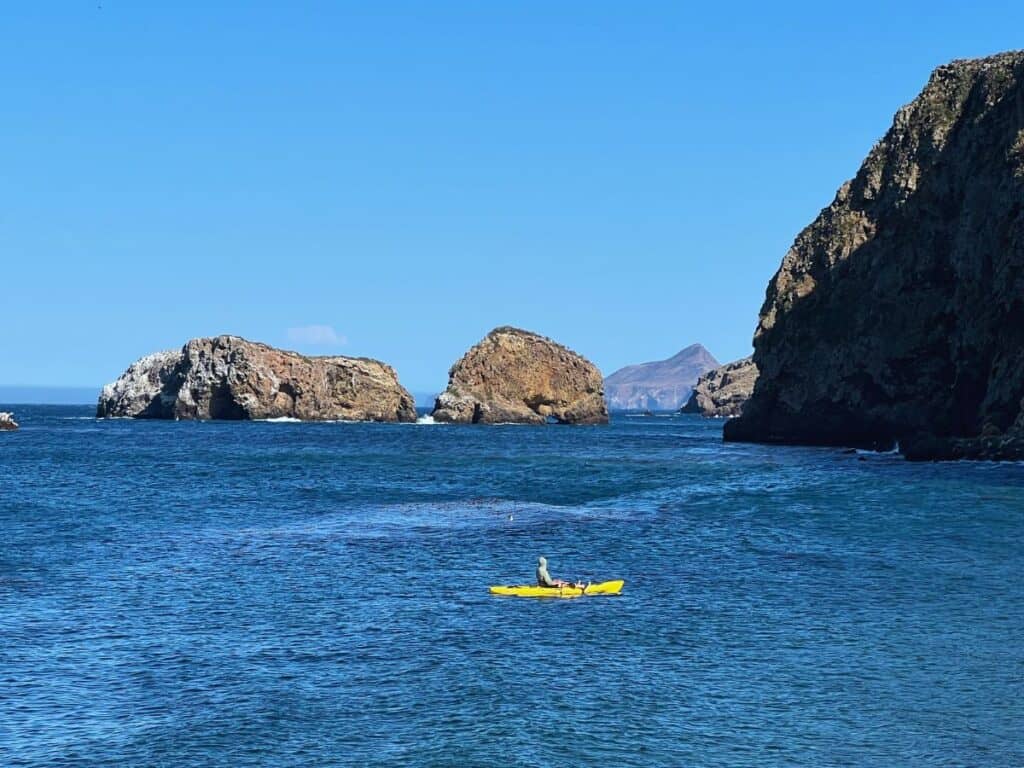
Understanding Channel Islands weather is essential, since conditions shape everything from ferry rides to hiking. Channel Islands National Park enjoys a Mediterranean climate year‑round, with relatively stable air temperatures: highs in the mid‑60s °F and lows in the low‑50s °F. Still, seasonal differences matter. Ferry rides, kayaking, snorkeling, and even hiking can feel very different depending on winds, fog, rainfall, and ocean conditions.
Seasonal Weather Highlights
| Season | Avg. Temp (°F) | Key Conditions & Highlights |
|---|---|---|
| Spring (Mar–May) | Mid 50s to low 60s | Strong winds common; late spring fog frequent; ocean temps mid‑50s to low‑60s; wildflowers bloom. |
| Summer (Jun–Aug) | Low 70s | Afternoon winds; fog fades mid‑summer; seas calm late summer; ocean warms to high‑60s; best underwater visibility. |
| Fall (Sep–Nov) | Upper 60s to 70 | Warmest, calmest season; excellent kayaking/snorkeling; Santa Ana winds possible in Oct; ocean temps peak near 70. |
| Winter (Dec–Feb) | Low 50s to upper 50s | Coolest months; most rain falls Dec–Mar; storms possible but clear days between; ocean temps in low‑50s. |
Other Factors to Know
- Rainfall: 95% falls Nov–Apr, with Jan–Feb the wettest. Summers are very dry.
- Winds: Strongest November through May, especially on the outer islands (Santa Rosa and San Miguel). April is typically the windiest month. Mornings are calmer, while afternoons often bring gusts.
- Fog: Most common in late spring and early summer, but can occur anytime.
- Water Temperature: Ranges from low‑50s in winter to upper‑60s in fall. Essential to consider for snorkeling and kayaking.
✨ Takeaway
- Best for calm seas and warm water: Late summer into early fall.
- Best for wildflowers and wildlife: Spring, though expect wind and fog.
- Best for solitude: Winter, with the trade‑off of storms and cooler water.
- Always prepare: Dress in layers, bring waterproof gear, and expect conditions to change quickly.
⚠️ Seasonal Safety Considerations
While Channel Islands National Park offers beauty year‑round, each season brings its own safety challenges. Understanding these risks will help you plan wisely and enjoy your trip with confidence.
Curious how conditions affect safety across the year? Tap below to explore seasonal guidance.
🌸 Spring (Mar-May)
- Strong winds are common, especially in April, which can make ferry rides rough and kayaking more difficult.
- Dense fog often reduces visibility, so be cautious on trails and while boating.
- Ocean temps remain cool (mid‑50s to low‑60s °F), so wetsuits are recommended for snorkeling.
- Always check ferry schedules, as trips may be delayed or canceled due to conditions.
☀️ Summer (Jun-Aug)
- Afternoon winds can create choppy seas; morning ferries are often calmer.
- Sun exposure is intense — bring sunscreen, hats, and plenty of water.
- Fog diminishes mid‑summer, but can still appear unexpectedly.
- Crowds increase, so plan ahead to avoid stress at ferry boarding and campsites.
🍂 Fall (Sep-Nov)
- Generally, the calmest season, but Santa Ana winds in October can be sudden and strong.
- Ocean temps peak near 70 °F, but currents remain powerful — swim and snorkel with caution.
- Fire danger can rise during dry, windy periods.
- Ferry trips are usually smoother, but always confirm schedules before departure.
❄️ Winter (Dec-Feb)
- Storms are more frequent, with most rain falling December through March.
- Ferry cancellations are common during rough seas — have backup plans.
- Trails may be slippery after rain; sturdy footwear is essential.
- Ocean temps drop to the low‑50s °F, making water activities challenging without proper gear.
✨ Takeaway
- Always dress in layers and bring waterproof outerwear.
- Expect the unexpected: winds, fog, and sea spray can appear any time of year.
- Check ferry conditions before your trip, especially in winter and spring.
- Use caution with water activities — currents, cold temps, and visibility all vary seasonally.
Once you understand the weather patterns and safety considerations, it’s time to look at what each season offers in terms of activities and amenities.
🎟 Seasonal Activities and Amenities
Channel Islands National Park is open 24 hours a day, year‑round. Hiking, camping, and general island access are possible in all seasons, but the highlights shift with the calendar.
Tap below to explore seasonal activities.
🌸 Spring (Mar–May)
- Wildflowers peak (coreopsis, lupine) — hikes are especially scenic.
- Wildlife activity: nesting seabirds, island fox pups, sea lions gathering.
- Kayaking/snorkeling pick up as seas calm; water temps mid‑50s to low‑60s °F.
- Gray whale season winds down by March.
☀️ Summer (Jun–Aug)
- Ideal for sailing, snorkeling, diving, kayaking, and swimming.
- Whale watching for blue and humpback whales.
- Ranger‑led programs and live underwater video broadcasts on Anacapa.
- Backcountry beach camping begins mid‑August on Santa Rosa Island.
🍂 Fall (Sep–Nov)
- Warmest water (up to 70 °F) and best visibility (up to 100 ft).
- Excellent for snorkeling, diving, kayaking, and camping with fewer crowds.
- Fall bird migration is underway; sea lions and elephant seals are active.
- Whale watching for blue and humpback whales ends in early fall.
❄️ Winter (Dec–Feb)
- Best sunsets of the year; islands turn green with early blooms.
- Gray whale watching begins late December and runs through April.
- Elephant seals and harbor seals begin pupping.
- Hiking and camping remain open, but ferries more prone to cancellation.
Of course, enjoying these activities depends on the services available to support your visit.
Amenities & Services
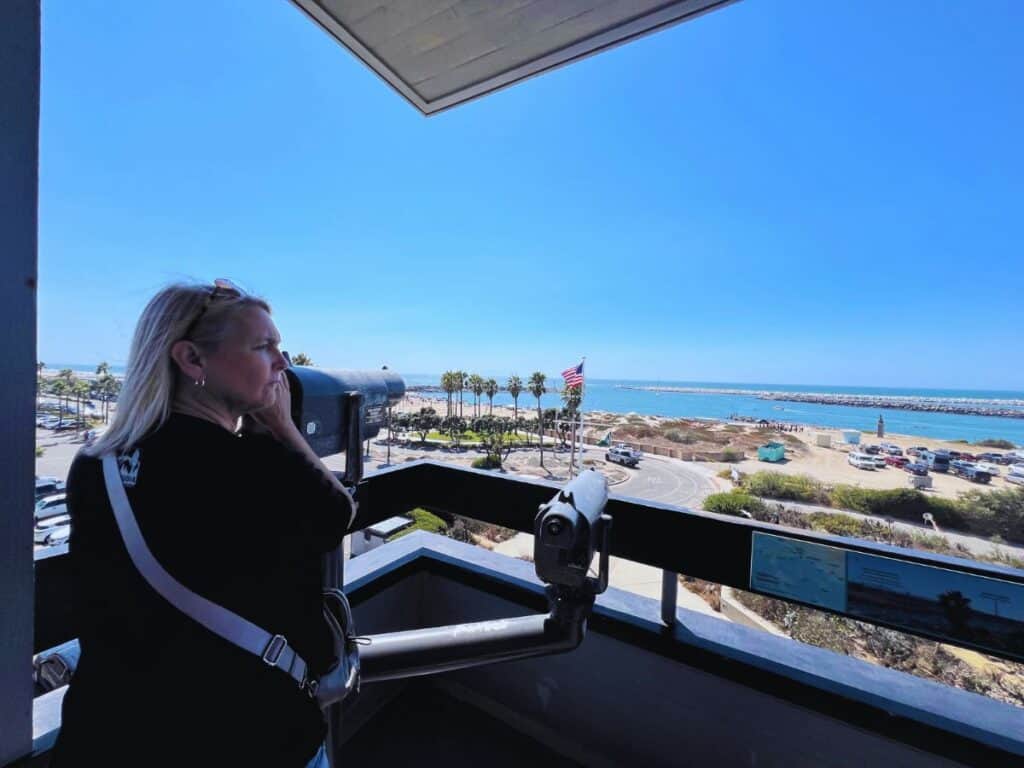
- Ferries: Operate year‑round, but most reliable late spring through fall. Trips may be canceled in winter due to rough seas.
- Visitor Center: Mainland visitor center in Ventura is open year‑round.
- Channel Islands camping is available year‑round on all islands, though winter weather can be challenging.
- Ranger Programs: Most frequent in summer; limited in winter.
- Food & Lodging: None on the islands — visitors must bring all supplies.
All of these amenities only matter once you’ve reached the islands, and that starts with the ferry.
Ferry Access by Island
| Island | Schedule | Notes |
|---|---|---|
| Santa Cruz | Year‑round, multiple trips weekly | Most accessible; widest range of activities (hiking, kayaking, snorkeling, camping, ranger programs). |
| Anacapa | Year‑round, 3–7 days/week | Popular for day trips; iconic lighthouse and seabirds. Access requires climbing stairs from dock. |
| Santa Rosa | Year‑round, 5–7 days/week; reduced in winter | Larger, more remote; backcountry beach camping mid‑Aug–Oct. |
| San Miguel | Apr–Nov, 4–8 days/month | Remote and rugged; subject to cancellations; strong winds common. |
| Santa Barbara | Spring–Fall, 2–4 days/month | Smallest island; limited access and facilities. |
Island Packers is the park’s sole ferry concessionaire. Always call the morning of your trip to confirm conditions. Cancellations are common in winter but can happen in any season.
I still remember nervously calling before our own visit; seas were rough, and a ranger warned it could go either way. Luckily, our ferry was cleared to sail. Julie, however, wished the cruise had been canceled. We experienced the same journey very differently. Check out our post to hear our story and learn what to expect on the ferry ride.
💵 Cost & Lodging

Channel Islands National Park is free to enter, but you’ll need to pay for the Channel Islands ferry cost. Round‑trip fares for adults typically range $70 to $120, depending on the island. Prices don’t vary much by season, but availability does. Summer is busiest, with ferries selling out quickly, while fewer ferries run in slower seasons due to reduced demand. Always book well in advance.
Ventura makes an excellent base camp for your visit. It’s home to the Channel Islands visitor center, one of the most unique we’ve seen, with indoor and outdoor exhibits and some of the most helpful rangers anywhere. It’s also where Island Packers ferries depart. We stayed at the Holiday Inn & Suites Ventura, conveniently located near shopping, dining, the visitor center, and the harbor. Our room had a stunning harbor view, with palm trees and boat silhouettes at sunset.
Want more ideas? Check out our post on where to stay and other things to do in Ventura, including a visit to the CINP visitor center.
Average Lodging Costs in Ventura by Season
| Season | Avg. Hotel Rate (per night) | Notes |
|---|---|---|
| Spring (Mar–May) | $180–$220 | Moderate rates; wildflower season draws visitors, but not as busy as summer. |
| Summer (Jun–Aug) | $250–$310 | Peak season; highest demand and prices. Book early for best availability. |
| Fall (Sep–Nov) | $190–$240 | Shoulder season; pleasant weather, fewer crowds, good value. |
| Winter (Dec–Feb) | $150–$190 | Lowest rates; cooler, wetter weather, but great for budget travelers. |
✨ Takeaway
- Park entry is free, but ferries cost $70–$120 per adult.
- Ventura is the best base camp, with convenient lodging, dining, and the CINP visitor center.
- Hotel rates peak in summer; spring and fall offer balance between price and availability.
- Winter is cheapest, though weather is less predictable.
Explore Lodging Options
Use the interactive map below to explore lodging options in Ventura, compare rates, and book directly.
🌊 Why Channel Islands Is Worth Visiting

Often called the “Galápagos of North America,” Channel Islands National Park is a place where rugged beauty meets extraordinary biodiversity. Visitors are rewarded with:
- Unique wildlife: Island foxes, nesting seabirds, sea lions, and migrating whales.
- Adventure opportunities: Hiking, kayaking, snorkeling, diving, and camping across five distinct islands.
- Scenic contrasts: Towering cliffs, sea caves, wildflower meadows, and pristine beaches.
- Solitude: Fewer crowds than most national parks, offering a true escape into nature.
Whether you’re seeking outdoor adventure, wildlife encounters, or simply a peaceful retreat, the Channel Islands deliver an unforgettable experience.
🚫 Worst Time to Visit
There isn’t a truly “bad” time to visit, but some seasons pose more challenges:
- Winter storms (Dec–Mar): Rough seas and frequent ferry cancellations can disrupt plans.
- High winds (Nov–May): Especially on outer islands, making kayaking and camping less comfortable.
- Dense fog (late spring–early summer): Limits visibility for hiking, boating, and photography.
- Summer crowds (Jun–Aug): Ferry spots and campsites book quickly, reducing flexibility.
While each season has its charms, winter is objectively the most difficult time to visit due to rough seas and frequent ferry cancellations. If flexibility isn’t an option, it’s best to avoid planning your trip then. For most visitors, late summer through early fall offers the best balance of calm seas, warm water, and reliable access.
Now that you know when to visit, it’s time to choose where to go. Check out our guide that breaks down all five islands and helps you decide.
❓ Frequently Asked Questions
Planning a trip to Channel Islands National Park often raises practical questions. Here are quick answers to some of the most common ones.
How long should I plan to spend on the islands?
Most visitors spend a full day, but overnight camping allows more time to explore.
Can I bring pets to the Channel Islands?
No, pets are not allowed on the islands to protect native wildlife.
Is cell service available on the islands?
Coverage is very limited or nonexistent. Plan to be offline during your visit.
Are there restaurants or stores on the islands?
No, there are no food services or shops. Visitors must bring all supplies with them.
Can I stay overnight in lodges or hotels on the islands?
No, there are no lodges or hotels. Camping is the only overnight option.
📚Ready to Plan Your Visit?
We’d love to help you plan your Channel Islands adventure. Explore our full guide for insider tips, where to stay, and what to expect during your trip.
Don’t miss our full guide to Channel Islands!
We’ve got everything you need to plan your perfect trip.
Featured image credit: Miles with McConkey