
When I first saw Carlsbad Caverns as a teenager, I fell in love with national parks. To this day, my heart swells with joy whenever I visit one.
I get uncomfortable in crowded areas, and many national parks draw swarms of visitors. So where can you go?
The National Park Service (NPS) recently released its 2025 visitation statistics, so we can blaze our path. Let’s explore the least-visited national parks in the Lower 48 so you can enjoy nature but skip the crowds.
Disclosure: This post may contain affiliate links. If you make a purchase through one of these links, I may earn a small commission at no additional cost to you. Thanks for supporting Miles with McConkey.
1. Isle Royale National Park

If you enjoy solitude in nature, Isle Royale National Park is your place. It draws fewer than 30,000 visitors annually. The park, a cluster of islands on Lake Superior between Michigan and Canada, harbors moose and wolves within its lush forests and vast waterways.
It is essential to note that the park is only accessible by boat or seaplane and is open only from mid-April through October. If you want the park to yourself (well, almost), visit in late April or October. It’s one of the few national parks where true wilderness solitude still feels possible.
2. North Cascades National Park
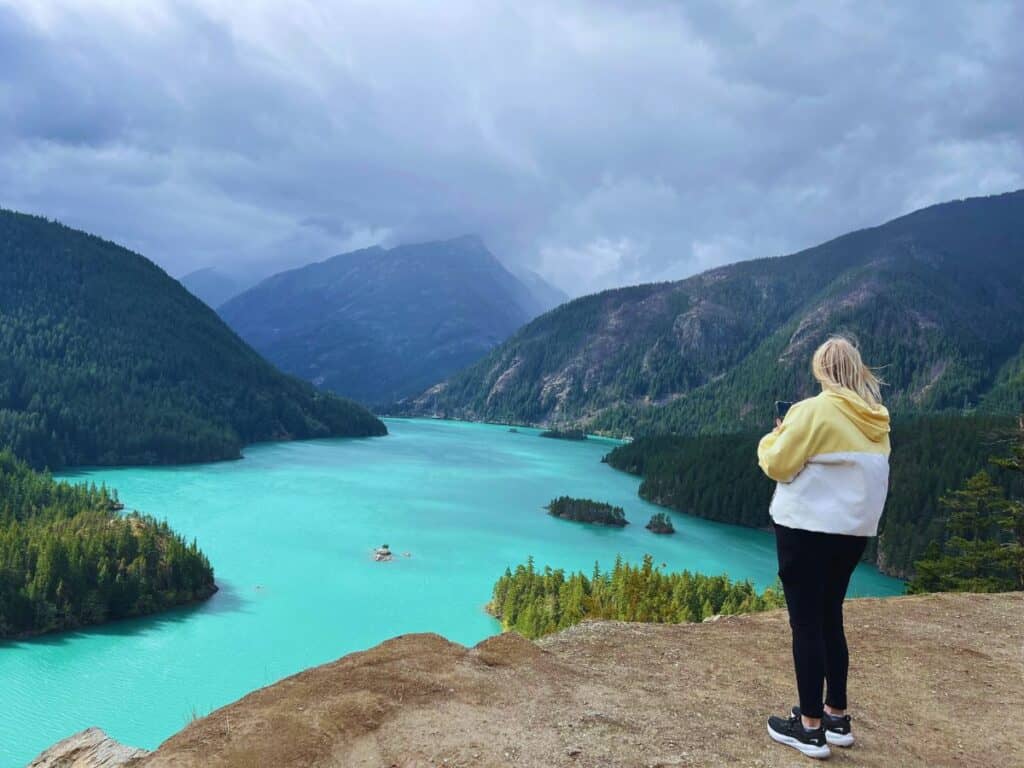
A three-hour drive north of Seattle, Washington, the “American Alps” park showcases jagged snowy peaks, forested valleys, cascading waterfalls, and over 300 magical glaciers. This park has more glaciers than any other park in the United States outside Alaska. Last year, the snowy paradise welcomed nearly 47,000 visitors, making it the second-least-visited national park in the Lower 48.
Although open year-round, North Cascades National Park provides operational services from late May through September. If you are okay with the lack of operational services, October through April delivers the most solitude. For those who prefer more amenities and activities, June is the least busy month during the primary travel season.
3. Dry Tortugas National Park
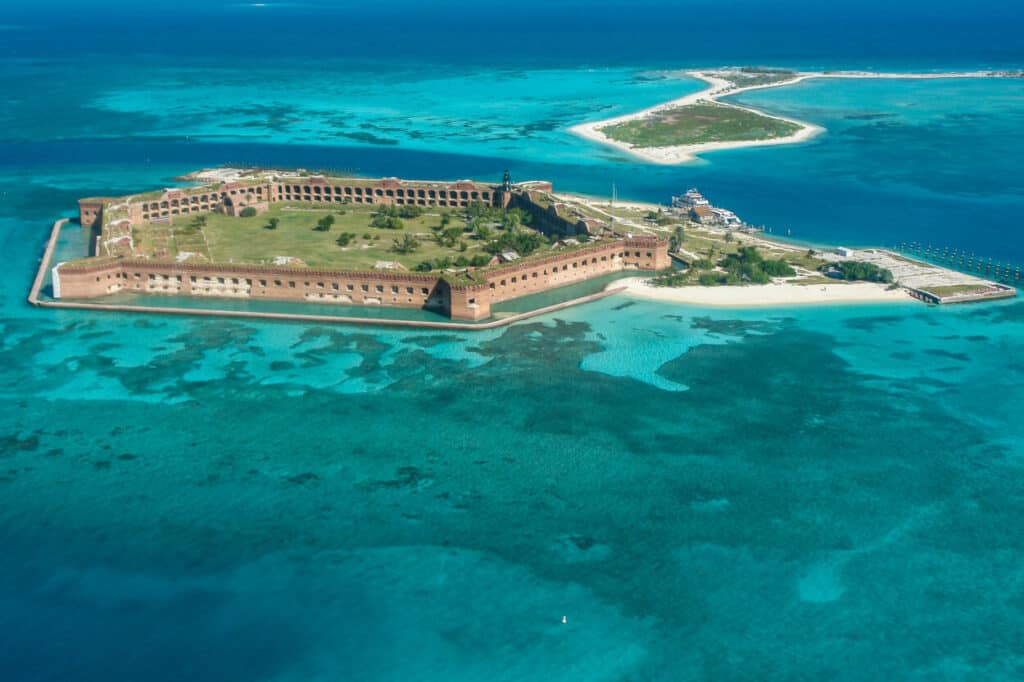
Nestled along Florida’s coast in the Gulf of Mexico, Dry Tortugas National Park sees fewer than 90,000 guests a year. Park highlights include coral reefs teeming with marine life, shipwrecks, an old war fort, and world-class birding.
It is essential to note that the park is only accessible by seaplane, ferry, or private boat. Travelers regularly book these transportation services months in advance. With some planning, you can enjoy a unique national park experience. Crowd levels remain consistent throughout the year. However, October had the fewest visitors in three of the last four years.
4. Great Basin National Park
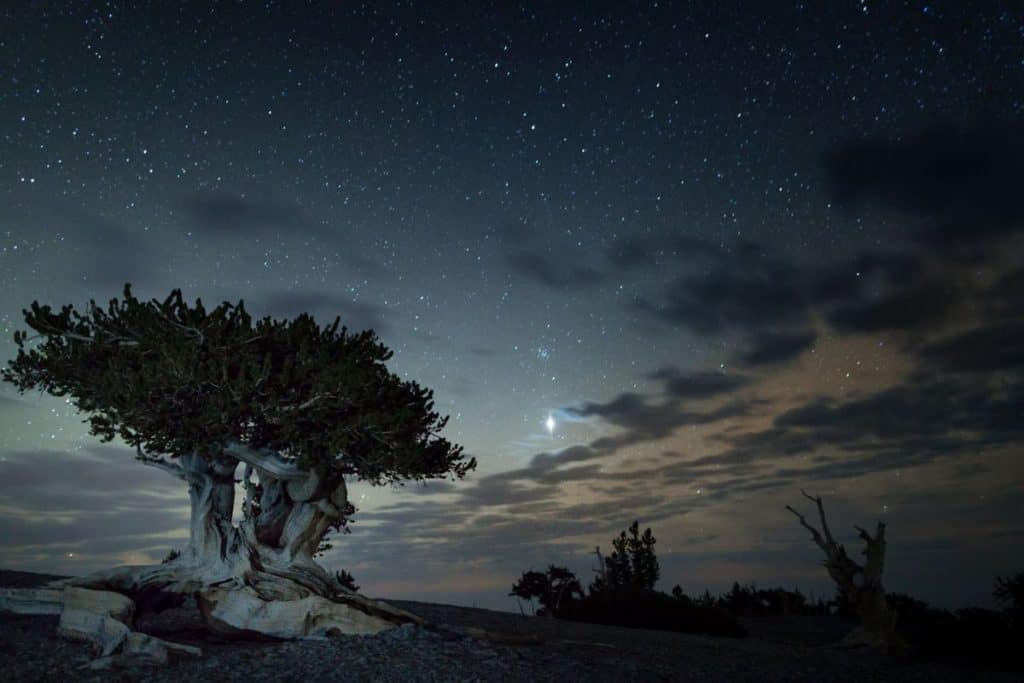
Eastern Nevada’s Great Basin National Park received over 161,000 visitors last year. The International Dark Sky Park offers ancient bristlecone pines that have survived for thousands of years, limestone caves, pristine alpine lakes, and excellent stargazing.
While the park is open year-round, its visitor center closes from December through February. Winters are cold, but an excellent time to explore the park on skis or snowshoes, with hardly a person in sight. Summer is the busiest season, though still far more manageable than most parks. If your schedule allows it, you will regularly see a dip in attendance in May and October.
5. Voyageurs National Park
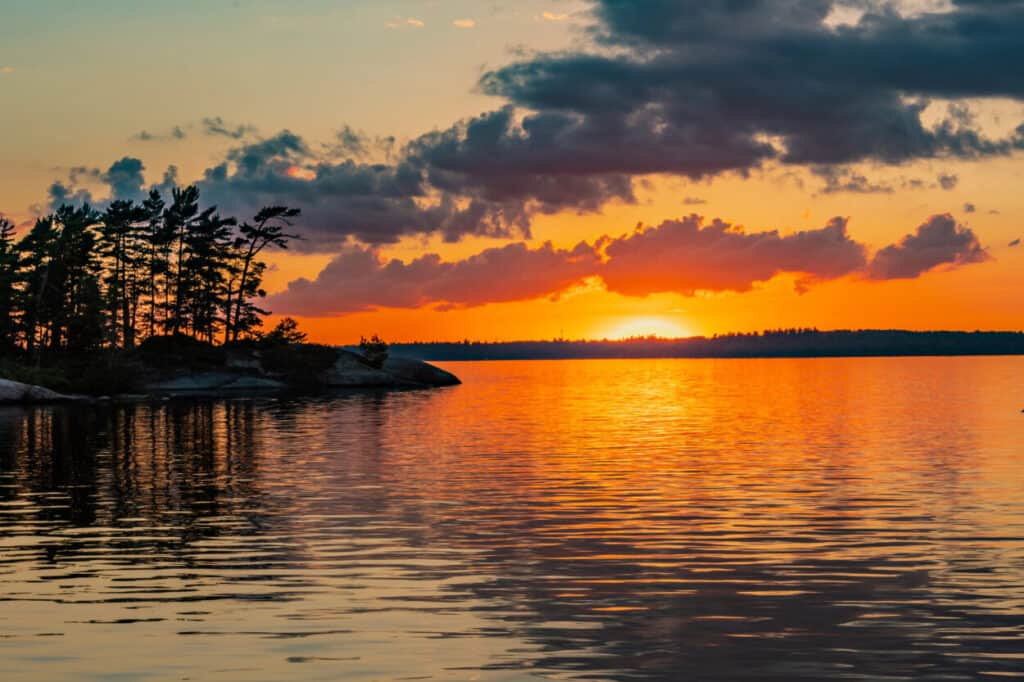
Approximately 200,000 guests visit Voyageurs National Park, located along the Canadian border in northern Minnesota. The park has natural treasures like island-dotted lakes, marshy wetlands, rugged ridges, gurgling streams, and dense forests. Bobcats, moose, beavers, and gray wolves inhabit the primarily untouched wilderness. Although more incentives are unnecessary, Voyageurs National Park is an excellent spot for stargazing, with the potential to see the dreamy northern lights.
The busiest season is from mid-May through September, when many visitors freely explore the park’s waterways on a rented houseboat. If you want the houseboat experience, visit in May or September with slightly reduced crowds. Very few travelers visit in the off-season, for those who can handle colder weather and fewer amenities.
6. Guadalupe Mountains National Park

The Chihuahuan Desert in west Texas houses the often-overlooked Guadalupe Mountains National Park — just over 206,000 people visited last year. Although rarely mentioned, the park offers many rewarding hikes and breathtaking panoramic views. One of my all-time favorite national park hikes is Devil’s Hall, which challenges you with bouldering and ascending a natural staircase before you find yourself wedged between two narrow, towering canyon walls.
Contrary to many parks, summer is the least busy season. In a desert ecosystem, temperatures can exceed 100 degrees Fahrenheit anytime from May through October. The other seasons see fewer guests than your typical park. We visited in March, one of the busiest months, and only encountered a few people.
It is essential to note that the park is renowned for gusty winds year-round. During our visit, we experienced 40-mile-per-hour winds with 60-mile-per-hour gusts. Did I mention the hikes are challenging?
7. Channel Islands National Park
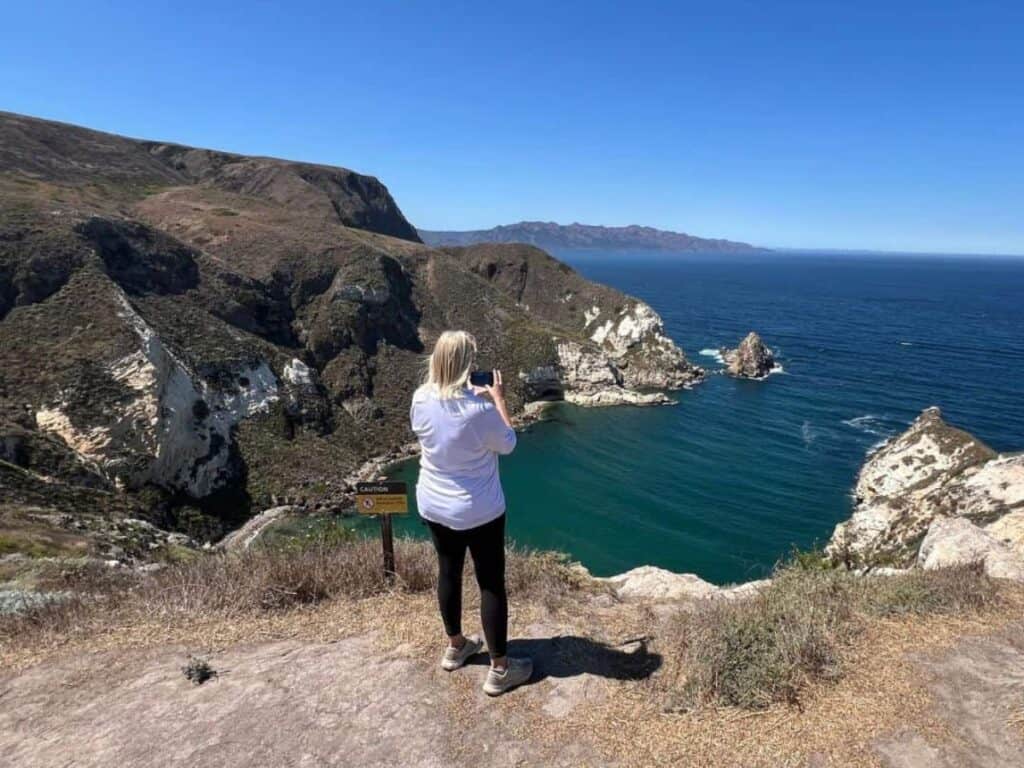
The Channel Islands National Park, which has five islands dotting Southern California’s coast in the Pacific Ocean, has a surreal underwater world, sea caves, and stunning beaches with unique flora and fauna, such as island foxes, brown pelicans, bald eagles, sea lions, and harbor seals. Popular activities include boating, paddling, snorkeling, surfing, tide pooling, birding, and whale watching. Over 227,000 people visited the park last year.
Please note that you can only access the islands by boat. Island Packers Cruises is the park’s official boat concessionaire. Due to limited boat capacity, advance planning is critical. Channel Islands National Park’s most busy season is summer, and its least busy season is winter. Thankfully, Island Packers Cruises offers boat rides year-round.
8. Black Canyon of the Gunnison National Park
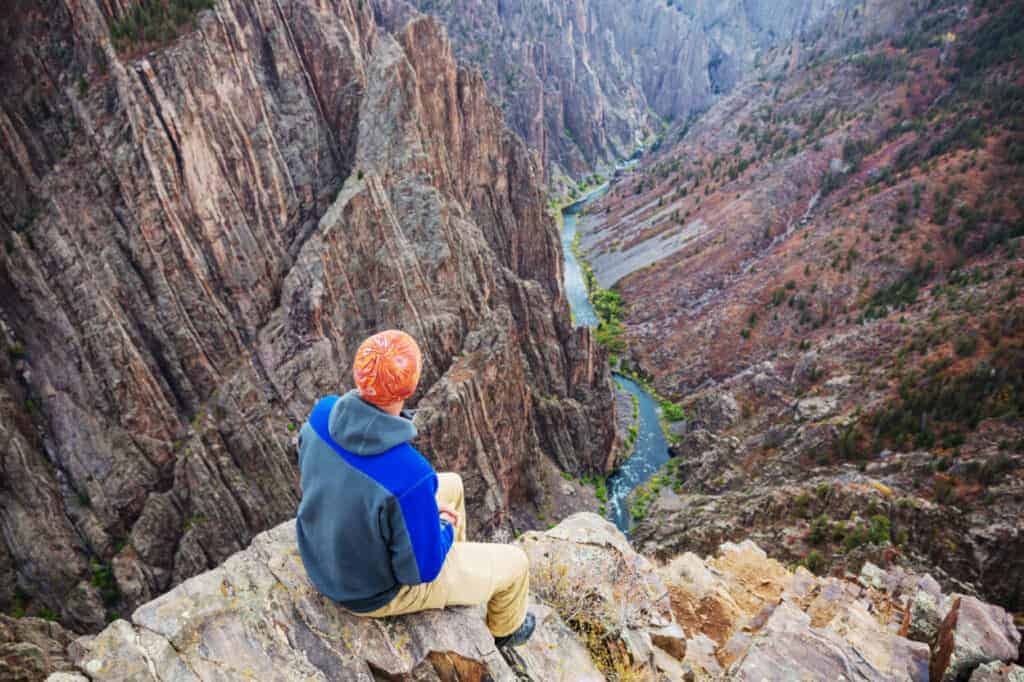
Home to some of North America’s oldest rock and steepest cliffs, Black Canyon of the Gunnison National Park feels like a geology lesson amidst striated canyon walls and craggy spires. The Colorado park’s coursing namesake river continues to carve a canyon, exposing Precambrian-aged rocks nearly 2 billion years old. Popular activities include scenic drives, hiking, and stargazing.
While just over 250,000 people went to Black Canyon of the Gunnison National Park last year, it is still one of America’s least-visited national parks in the Lower 48. Park roads are fully open from mid-April to mid-November, the busy season. Fewer people go in the off-season. You can explore the park during this time by cross-country skiing and snowshoeing. If you’re visiting in peak season, go early for the quietest scenic drive.
9. Congaree National Park

Old-growth floodplain hardwood forests are rare. Congaree National Park in central South Carolina has the most significant intact stretch in the southeastern United States. The park has a fantastic, accessible boardwalk trail that takes you into the floodplain, where you fully realize the forest canopy exceeds 100 feet. Nearly 288,000 people visited the park last year.
Crowds are relatively steady throughout the year but drop a bit in summer when the heat and humidity bring swarms of mosquitoes. If you genuinely want solitude, winter regularly has the lowest crowds. We visited in February and saw only several people, a few with a furry companion. Spring and fall crowds are manageable, and each season delivers a more colorful landscape.
10. Petrified Forest National Park

Petrified Forest National Park in northeastern Arizona is one of the most visually surprising parks in the Lower 48. With just over 315,000 visitors last year, it remains a quieter destination where you can wander among ancient stone logs, colorful badlands, and wide‑open desert views without the crowds.
The park’s namesake petrified wood is astonishing up close — entire trees turned to quartz, glowing with reds, purples, and golds. Beyond the logs, the Painted Desert steals the show with its striated mounds and sweeping layers of pink, lavender, and rust. It’s one of the most vivid landscapes in the national park system.
Visitors can also explore a slice of Americana: a preserved section of historic Route 66 runs through the park, complete with a vintage car marking the old alignment. Petrified Forest is open year‑round, and crowd levels stay manageable in every season. Winter and early spring often bring the most solitude, while summer offers long daylight hours for exploring the overlooks and short trails.
11. Pinnacles National Park
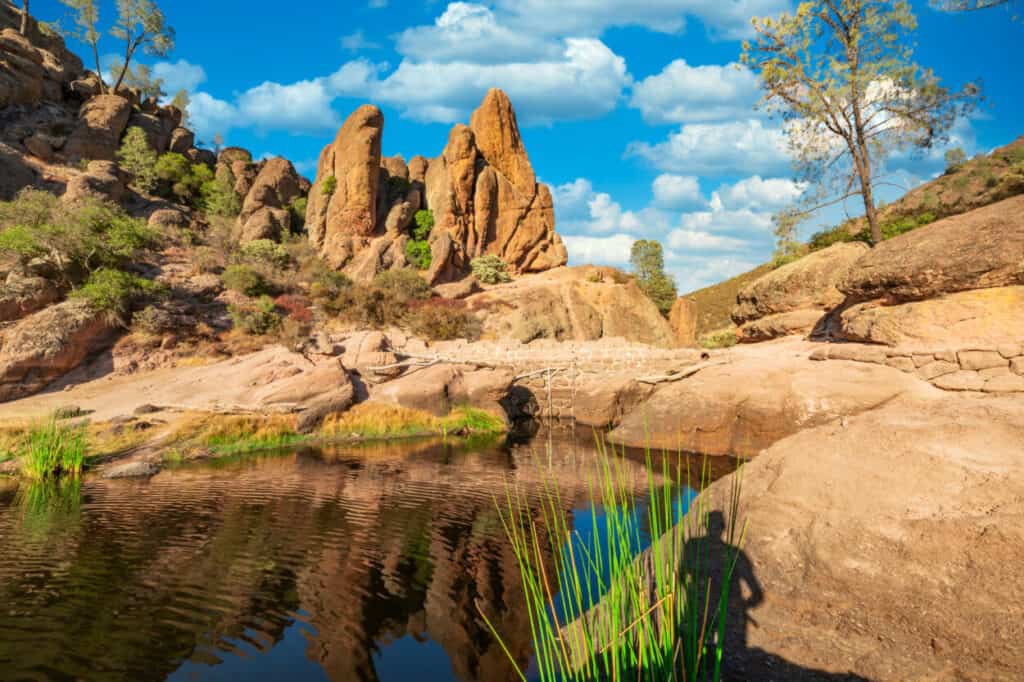
Known for its talus caves and rocky spires, Pinnacles National Park is a 3-hour drive south of San Francisco. The park offers 30 miles of hiking trails through caves and grasslands, culminating in breathtaking views of its namesake pinnacles. It is also home to North America’s largest land bird, the endangered California condor.
Last year, the park welcomed over 343,000 guests. Crowd levels rise in spring and early summer. Visitation numbers drop slightly as average temperatures hover in the nineties in August and September. Although the park receives a relatively low number of guests, a line of cars tends to build by late morning. Whenever you visit, I suggest arriving early.
12. Carlsbad Caverns National Park
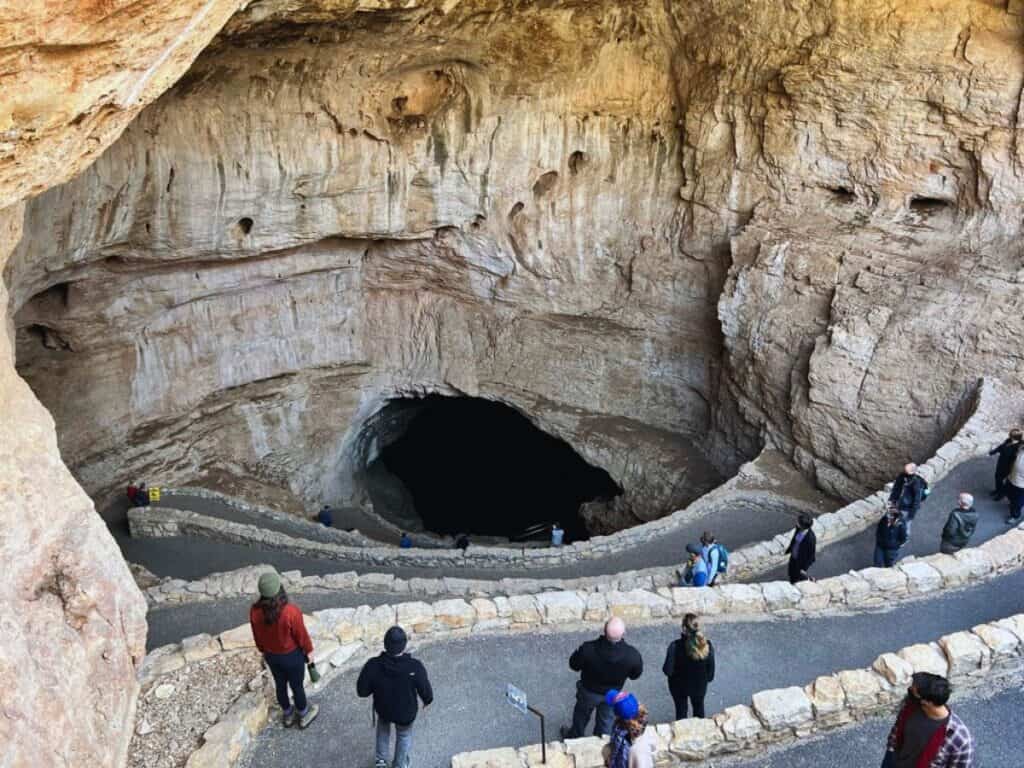
As I mentioned, Carlsbad Caverns first sparked my interest in national parks. So, where does it rank on our list? With over 410,000 visitors last year, it is the 12th least-visited national park in the Lower 48.
You have an excellent opportunity to visit two parks with lighter crowds on the same trip. Guadalupe Mountains National Park, number 6 on our list, is an easy 45-minute drive from Carlsbad Caverns. In fact, you can access both parks from the same road.
Enjoy Nature Without the Crowds
Despite low visitation numbers, do not make the mistake of assuming these parks are subpar. Each offers beautiful scenery and unique recreation. Some require planning but reward you with memorable experiences.
I like a little breathing room and quiet time to savor the view. If you are like me, plan a trip to one of the least-visited national parks in the Lower 48. It’ll be our secret!
Featured image credit: kamchatka via Deposit Photos