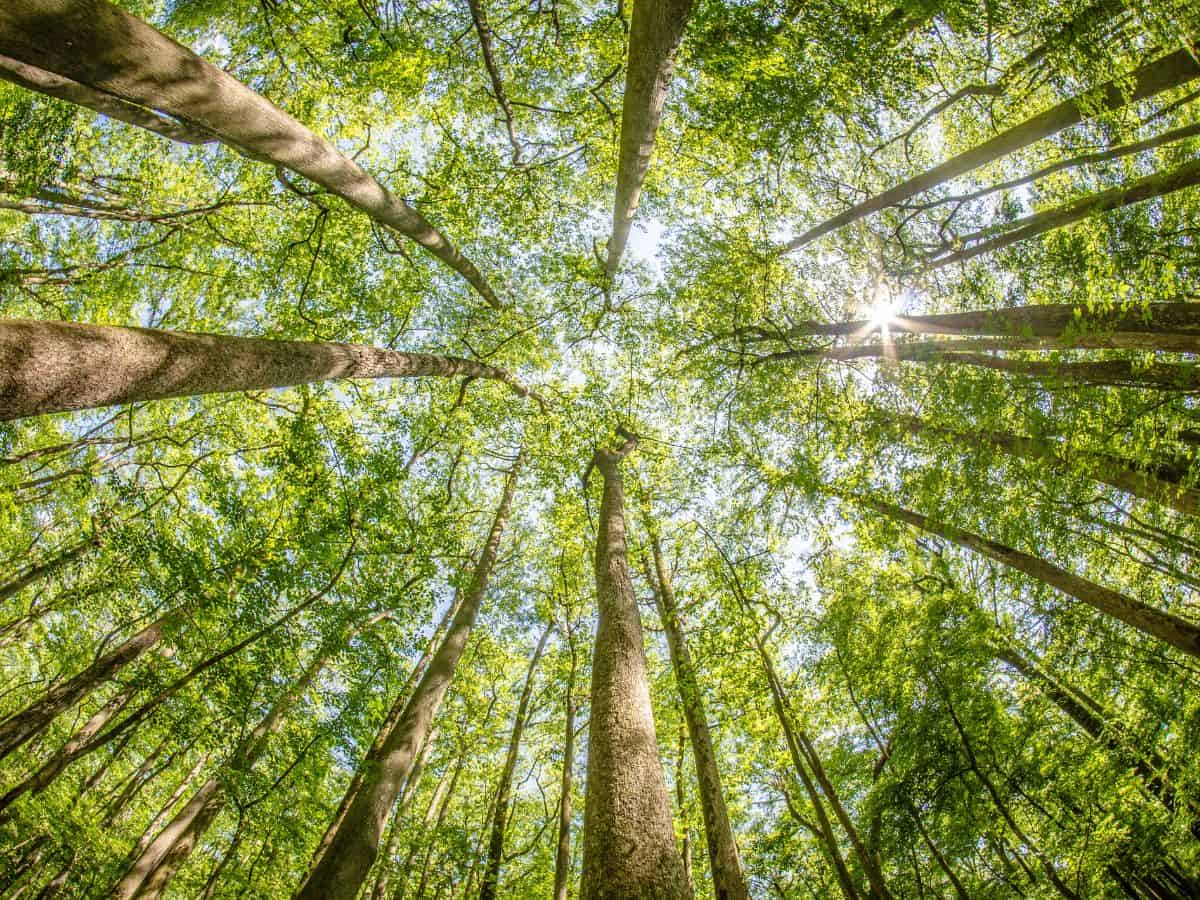
Planning a trip to Congaree National Park? Timing matters more than you might think. While this South Carolina gem is open year-round, your experience can vary dramatically depending on the season — from mosquito swarms and flooding to magical firefly displays and peaceful paddling.
In this guide, we break down the best time to visit Congaree National Park based on four key factors: weather, crowd levels, seasonal activities, and costs. Whether you’re chasing fall foliage, spring wildflowers, or just trying to avoid the bugs, we’ve got you covered.
Disclosure: This post may contain affiliate links. If you make a purchase through one of these links, I may earn a small commission at no additional cost to you. Thanks for keeping Miles with McConkey going!
🗓️ Seasonal Tips for Visiting Congaree
Curious how Congaree transforms throughout the year? Tap below to explore seasonal tips for spring fireflies, summer paddling, fall foliage, and winter solitude.
🌸 Spring (March–May)
- Mild temperatures with highs in the 70s.
- Blooming vegetation and vibrant forest floor.
- Synchronous firefly event in mid to late May (lottery required).
- Mosquitoes begin to emerge — pack repellent.
☀️ Summer (June–August)
- Hot and humid with temps often exceeding 90°F.
- Afternoon thunderstorms are frequent — flash floods can occur.
- Mosquitoes peak — check the mosquito meter at the visitor center.
- Early morning hikes or paddles offer cooler temps and better wildlife viewing.
🍂 Fall (September–November)
- Comfortable temps and low humidity.
- Fall colors peak in late October to early November.
- Ideal water levels for paddling Cedar Creek.
- Mosquito activity tapers off — great for hiking.
❄️ Winter (December–February)
- Mild days, chilly nights — highs in the 50s.
- Flooding is more frequent, especially after upstream rain.
- Sparse vegetation but peaceful, quiet trails.
- Lowest lodging rates and minimal bug activity.
Ready to pick your season? Use the tips above to time your visit — and if you haven’t already, tap the toggles to explore what each season brings. Then scroll down to see how crowd levels shift throughout the year so you can find your perfect window of peace (or buzz).
👥 Crowd Levels and Visitation Statistics
Congaree receives around 250,000 visitors annually, with relatively steady attendance compared to other national parks. You’re unlikely to encounter overwhelming crowds, but some months are busier than others:
- Most popular months: March, May, and October.
- Moderate visitation: April, June, November.
- Least crowded: July through September (due to heat) and December through February.
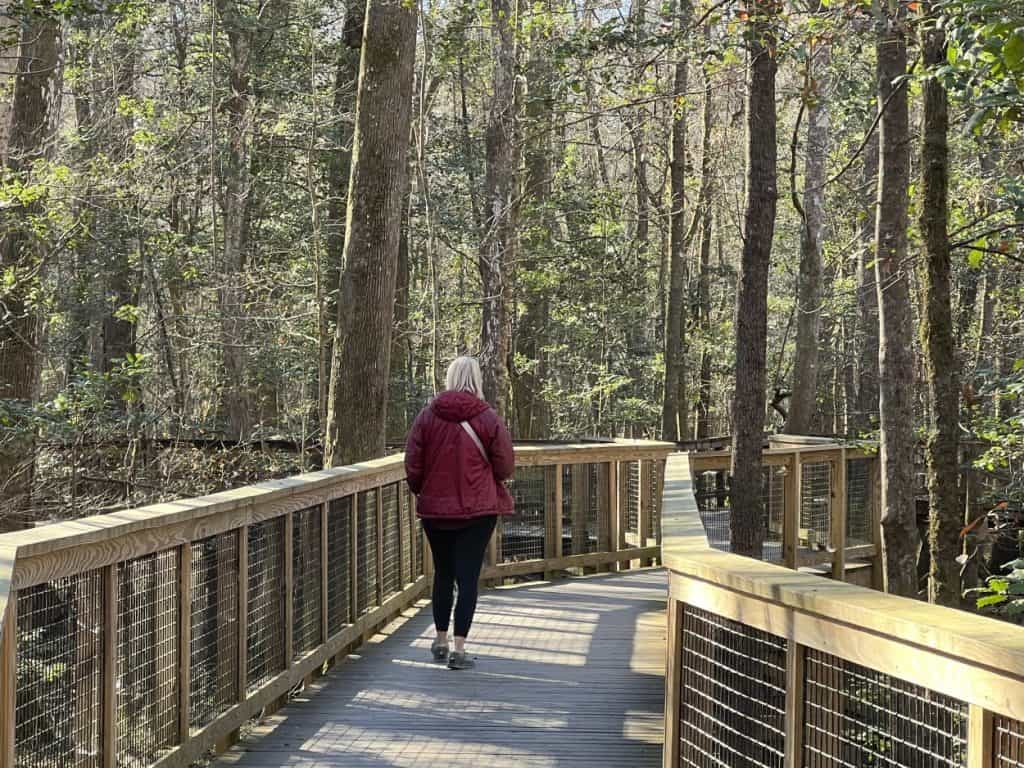
💡 We visited in February and loved the quiet trails and minimal mosquito activity. The forest was subdued, but the boardwalks offered a peaceful, reflective experience — and the flooded sections added to the park’s mystique.
🌦️ Weather by Season
Congaree’s humid subtropical climate means hot, wet summers and mild winters. Spring and fall are generally the most comfortable times to visit.
| Season | Temps (°F) | Conditions & Highlights |
|---|---|---|
| Spring (Mar-May) | Highs: 70s Lows: 50s | Mild temps, blooming forest, fireflies, occasional rain |
| Summer (June-Aug) | Highs: 90s-100s Lows: 70s | Hot, humid, buggy, frequent storms, flash floods possible |
| Fall (Sept-Nov) | Highs: 70s Lows: 40s-50s | Low humidity, fall colors, ideal paddling conditions |
| Winter (Dec-Feb) | Highs: 50s Lows: 30s-40s | Mild days, cold nights, flooding risk, quiet trails |
🌧️ Flooding can occur year-round, especially in winter and early spring. Even if it’s dry at the park, upstream rainfall can raise water levels. Always check trail conditions before you go.
🛶 Seasonal Activities and Amenities
Unlike many northern parks, Congaree offers activities year-round — but conditions can affect what’s available.
- Paddling Cedar Creek: Best when water levels are between 4 and 7 feet. Fall is ideal. Flooding or drought can make navigation tricky.
- Synchronous Fireflies: A rare and magical event in mid to late May. Entry is by lottery only — typically opens in early April. 👉 Explore our guide to Congaree’s firefly event.
- Fishing: Permitted year-round with a South Carolina license. Peak season is late spring through early fall.
- Ranger Programs: Offered most Saturdays, even in winter. Check the park’s calendar page before your visit.
- Visitor Center: Open daily except major holidays. May close due to hazardous weather or resource management.
🦟 Mosquitoes are most active from mid-spring through mid-fall, peaking in summer. Always pack insect repellent — even in cooler months.
💰 Costs: Lodging and Park Access
Whether you’re planning a weekend getaway or a longer stay, it’s helpful to know how seasonal shifts affect both lodging prices and park access.
Congaree National Park has no entrance fee, making it one of the most budget-friendly national parks to visit. However, lodging costs in nearby Columbia, SC can vary widely by season — especially during college football weekends.
| Season | Avg. Hotel Rates (Columbia) | Notes |
|---|---|---|
| Spring | $130–$180/night | Firefly season + mild weather = higher demand |
| Summer | $120–$160/night | Rates dip slightly, but high humidity and bugs may outweigh savings |
| Fall | $140–$190/night | Foliage season + football = book early |
| Winter | $100–$140/night | Lowest rates, best availability, fewer bugs |
🏨 Football weekends at the University of South Carolina can drive up prices dramatically. We learned this the hard way when our son attended USC — book early or look beyond downtown Columbia.
Explore our interactive map for places to stay near Congaree.
🌟 Why Congaree Is Worth Visiting

Even if it’s not as famous as Yellowstone or Yosemite, Congaree offers a unique experience:
- Boardwalk trails through a floodplain forest.
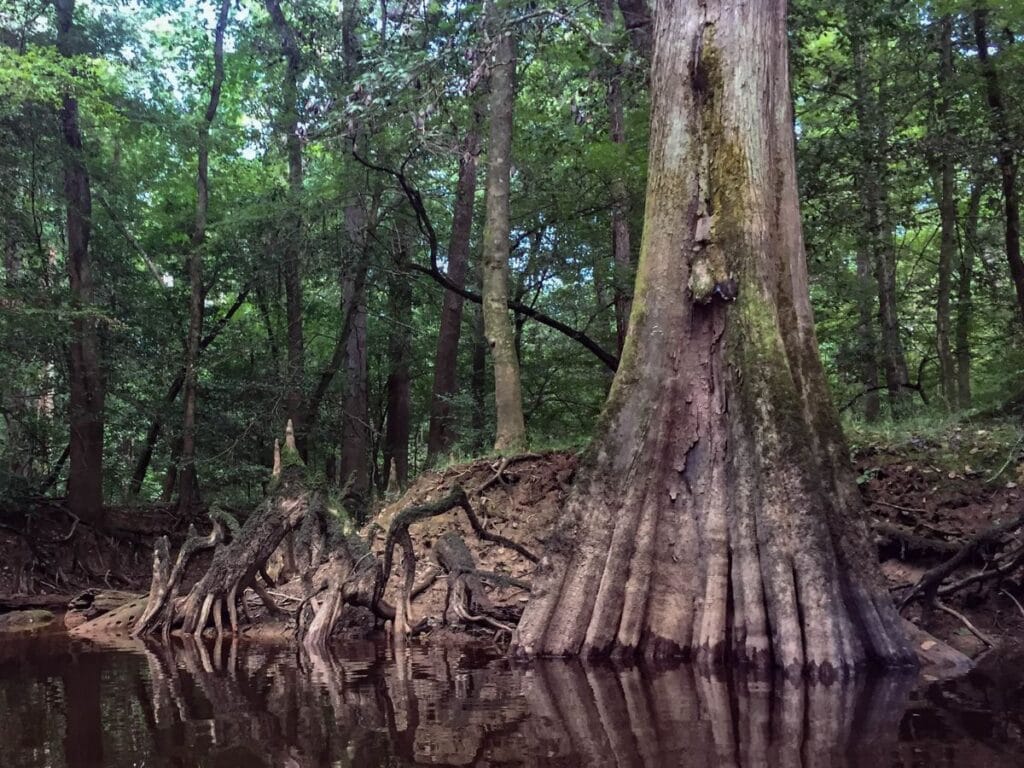
- Towering loblolly pines and bald cypress trees.
- Peaceful paddling on Cedar Creek.
- Rare synchronous fireflies in spring.
- Low crowds and free entry year-round.
👉 Explore our guide to the top things to do in Congaree National Park.
🚫 Worst Time to Visit Congaree National Park
While Congaree is open year-round, some months pose more challenges than others — especially when it comes to heat, humidity, and trail conditions.
If we had to pick a time to avoid, it would be mid-summer — especially July and August. Here’s why:
- Extreme heat and humidity.
- Mosquitoes are at peak levels.
- Intense afternoon storms can lead to trail closures or flash flooding.
- Limited trail access due to heat-related advisories or waterlogged areas.
Unless you’re prepared for intense conditions, summer can be uncomfortable. If it’s your only option, plan early mornings, pack bug spray, and check trail conditions before arrival.
❓ FAQs
Still have questions about when to visit Congaree National Park? Here are answers to some of the most common trip-planning concerns.
Is Congaree National Park open year-round?
Yes, the park and visitor center are generally open daily, with a few holiday exceptions. Closures may occur due to weather or resource management.
Do I need a reservation to visit?
No reservation is needed for park entry, but campground reservations are required via Recreation.gov.
Are mosquitoes really that bad?
Yes — especially in summer. Check the mosquito meter at the visitor center and always bring repellent.
Can I see fireflies without winning the lottery?
Unfortunately, no. The synchronous firefly event is gated by a lottery system, and access is limited to permit holders.
📅 Ready to Plan Your Visit?
Now that you know the best time to visit Congaree National Park, it’s time to start planning. Whether you’re chasing fireflies, paddling through fall foliage, or hiking quiet winter trails, this park offers something special in every season.
Don’t miss our full guide to Congaree!
We’ve got everything you need to plan your perfect trip.
Featured image credit: digidream via Deposit Photos