

Planning the best time to visit Shenandoah National Park depends on what kind of experience you want. Julie and I visited in mid‑October and found complete joy driving Skyline Drive and hiking trails brushed with bold autumn colors. It was one of those rare days when everything feels exactly right — crisp air, glowing foliage, and views that stay with you long after you leave.
That said, Shenandoah transforms dramatically from season to season, and each one offers something different. After seeing the park in fall, we immediately knew we wanted to return in spring for wildflowers, in summer for long green ridgelines, and in winter for quiet, frosted overlooks.
This guide is designed to help you picture those seasonal shifts clearly. We’ll walk through weather patterns, crowd levels, lodging costs, activities, and what each time of year feels like so you can choose the moment that matches the experience you’re hoping for and know exactly what to expect when you arrive.
Disclosure: This post may contain affiliate links. If you make a purchase through one of these links, I may earn a small commission at no additional cost to you. Thanks for supporting Miles with McConkey.
🗓️ Seasonal Tips
Each season at Shenandoah National Park brings its own mix of scenery, weather, and trail conditions. These quick notes can help you figure out which time of year matches the experience you’re looking for.
Tap below to see how the park shifts from spring wildflowers to summer ridgelines, fall color, and quiet winter overlooks.
🌸 Spring
- Wildflowers bloom along lower‑elevation trails, especially in April and May.
- Temperatures swing from chilly mornings to mild afternoons.
- Waterfalls run strongest after spring rains.
- Crowds begin to rise on weekends but remain manageable.
🌿 Summer
- Long, green ridgelines and lush forest canopy along Skyline Drive.
- Warm, humid days with cooler temperatures at higher elevations.
- Trails are fully open, and wildlife activity is steady.
- Expect busy roads and fuller parking areas.
🍁 Fall
- Brilliant foliage peaks from mid‑October to early November.
- Crisp air and clear views make hiking especially rewarding.
- Skyline Drive becomes busy, especially on weekends.
- Lodging prices rise with leaf‑peeping demand.
❄️ Winter
- Quiet overlooks and peaceful trails with far fewer visitors.
- Cold temperatures and occasional snow or ice at higher elevations.
- Limited services and amenities, but excellent solitude.
- Ideal for those who prefer calm, crowd‑free experiences.
Understanding the seasons is only part of planning a Shenandoah trip. Crowd levels change dramatically from spring through fall, especially along Skyline Drive, and it’s helpful to know what to expect before you go.
👥 Crowd Levels and Visitation Statistics
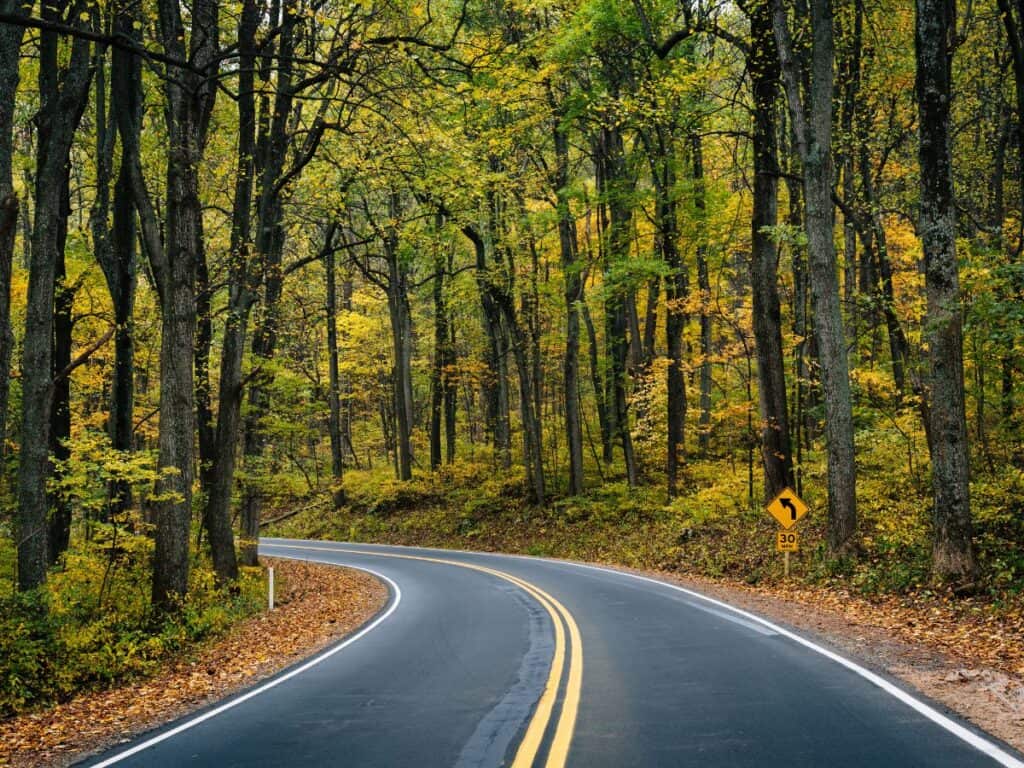
Shenandoah National Park welcomes roughly 1.6 million visitors each year, and most of them arrive between spring and fall. Because the park is built around Skyline Drive, one of America’s most iconic scenic roads, many people experience Shenandoah primarily from their car. The 105‑mile route runs the full length of the park and features 75 overlooks, which makes it incredibly easy to stop, admire the views, and continue north or south along the Blue Ridge crest.
As you might expect, fall is the busiest time of year. While many national parks peak in summer, Shenandoah reaches its highest visitation in October, when travelers come for the legendary leaf‑peeping season.
During our mid‑October visit, we saw a steady stream of cars along Skyline Drive, especially in the late morning and afternoon. Starting early made a noticeable difference. We found far fewer vehicles at sunrise and again near sunset, and both times rewarded us with spectacular light across the ridges.
Crowds thin out quickly once you step onto the trails. We saw other hikers, but nowhere near the volume we encountered along Skyline Drive. Trails often feel calmer than the drive itself, especially once you get a mile or two from the overlooks.
Below is a quick look at monthly visitation ranges to help you understand how traffic and trail use shift throughout the year.
Shenandoah National Park Monthly Visitation
| Month | Estimated Visitors |
|---|---|
| January | 12K–33K |
| February | 14K–40K |
| March | 53K–93K |
| April | 115K–140K |
| May | 136K–173K |
| June | 160K–190K |
| July | 170K–193K |
| August | 165K–215K |
| September | 146K–156K |
| October | 300K–360K |
| November | 114K–170K |
| December | 20K–40K |
Crowd levels offer one perspective, yet the weather often determines what your day in Shenandoah will actually look like.
🌦️ Weather by Season

Shenandoah’s weather shifts quickly, and those changes shape everything from trail conditions to what you’ll want to pack. Temperatures often run 10–20°F cooler on the ridges than in the surrounding valleys, and conditions can swing dramatically from one overlook to the next. Julie and I noticed this firsthand during our October trip. Some overlooks felt warm enough for short sleeves, while others — just a few miles down Skyline Drive — had us pulling on jackets. Elevation makes a real difference here.
No matter when you visit, layers are your best friend. The monthly averages below offer a helpful starting point, but expect real‑world conditions to fluctuate as you move along the park’s 105‑mile crest.
Seasonal Overview
From wildflower‑lined trails to frosted overlooks, each season transforms Shenandoah in its own way.
Spring (March–May)
Spring brings everything from warm, 70‑degree afternoons to late‑season snowstorms. Wildflowers bloom early at lower elevations, but higher ridges stay chilly. Rain is common, and temperatures can swing sharply day to day.
Summer (June–August)
Summer is warm, humid, and lush. Even though the mountains run cooler than the valley, it can still feel hot on exposed trails. Hydration is essential, especially on longer hikes.
Fall (September–November)
Crisp air, bright foliage, and big temperature swings define fall. Days can feel mild, but mornings and evenings cool quickly. Layering is key, especially if you’re chasing sunrise or sunset along Skyline Drive.
Winter (December–February)
Winter brings cold days, icy conditions, and occasional snow. Weather can shift rapidly, and some areas may feel dramatically colder depending on elevation and wind exposure.
Shenandoah Weather by Month
The following table uses climate data from long‑term weather records near Shenandoah National Park.
| Month | Avg. High (°F) | Avg. Low (°F) | Precipitation |
|---|---|---|---|
| January | 41 | 24 | 2.64 in |
| February | 45 | 26 | 2.32 in |
| March | 53 | 32 | 3.39 in |
| April | 65 | 42 | 3.47 in |
| May | 73 | 52 | 4.32 in |
| June | 82 | 61 | 4.12 in |
| July | 86 | 66 | 4.07 in |
| August | 84 | 64 | 3.19 in |
| September | 77 | 57 | 4.44 in |
| October | 66 | 45 | 3.07 in |
| November | 55 | 35 | 2.84 in |
| December | 45 | 28 | 2.94 in |
Now that you have a sense of the weather, it’s time to see how those conditions translate into seasonal activities and available amenities.
🥾 Seasonal Activities and Amenities
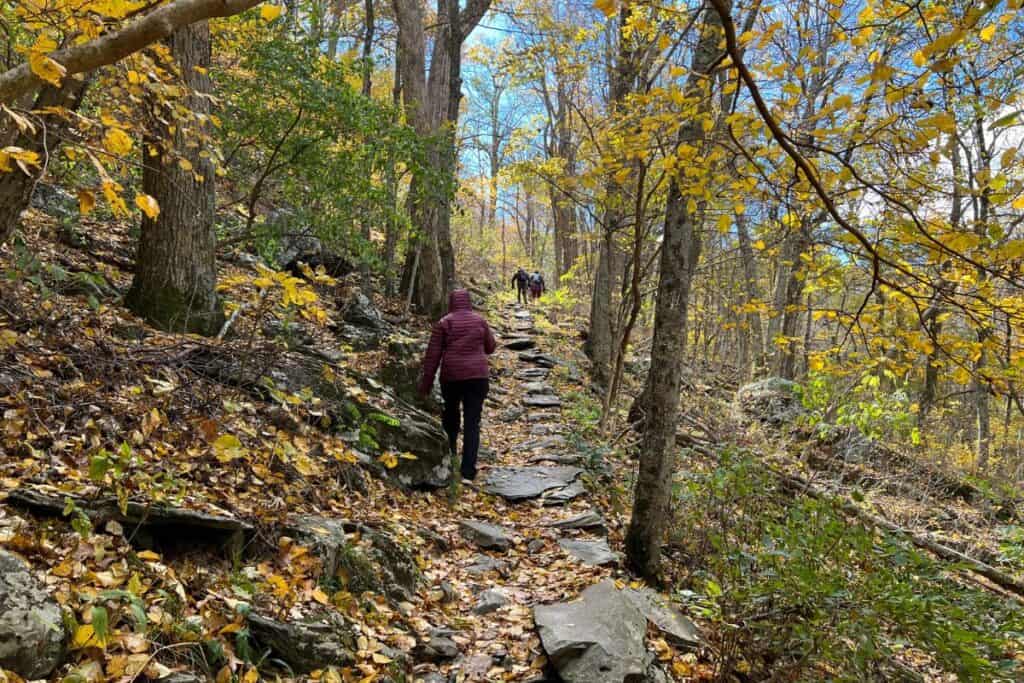
Shenandoah National Park is open year‑round, but activities and services shift noticeably with the seasons. Skyline Drive is the park’s only public road, and while it’s open most days, winter storms can cause temporary closures. Even when the road is closed, visitors may still enter on foot to hike.
Most facilities begin opening in March and wind down by late November, while picnic areas remain open all year.
Campgrounds follow a predictable pattern: Big Meadows and Lewis Mountain usually open in late March and close in late November, while Mathews Arm and Loft Mountain typically open in late April or early May and close in early November.
Ranger programs are generally offered in spring, summer, and fall.
Tap the toggles below for a quick snapshot of what each season offers.
🌸 Spring (March–May)
Spring brings new leaves, blooming wildflowers, and the return of migratory birds. Facilities reopen, trails grow busier, and the park feels full of energy again.
Highlights:
- Ranger programs resume for the season.
- Wildflowers emerge across the park, with peak displays in early to mid‑May.
- Wildflower Weekend typically takes place in early to mid‑May.
- Excellent birdwatching before the canopy fills in.
- Visitor centers, waysides, and many services reopen.
🌿 Summer (June–August)
Summer is lush, green, and full of activity. Longer days make it easy to explore, and the mountains offer a cooler escape from the valley heat.
Highlights:
- Popular events like the Night Sky Festival.
- Warm, humid days with cooler temperatures on the ridges.
- Wildlife is active, so drive carefully and know how to respond to bears, snakes, and ticks.
- Full range of services: lodging, campgrounds, waysides, and visitor centers.
- Ranger programs offered throughout the season.
🍁 Fall (September–November)
Fall is the park’s most iconic season. Shenandoah fall foliage draws visitors from all over, and weekends can be extremely busy. If you want to make the most of the drive, our Skyline Drive guide shares the overlooks and tips that helped us plan our own visit.
Highlights:
- Park webcams and weekly updates help track color progression.
- Stunning foliage with dramatic elevation‑based variation.
- Heavy weekend visitation; midweek visits offer more breathing room.
- Campgrounds and lodges often book months in advance.
- Ranger programs continue into the fall season.
❄️ Winter (December–February)
Winter is quiet, peaceful, and full of wide‑open views. Many services close for the season, but the park remains open for hiking and scenic drives when conditions allow.
Highlights:
- Hiking remains accessible even when the road is closed.
- Skyline Drive stays open unless snow or ice forces temporary closures.
- Cold temperatures and icy patches — drive slowly and pack warm layers.
- Trails offer unique winter views and excellent solitude.
With the seasonal picture in mind, the next piece is understanding your lodging options and the typical expenses of a trip here.
💵 Costs and Lodging

Park entrance fees remain the same throughout the year. A $30 vehicle pass covers seven consecutive days and grants access to all four primary entrances along Skyline Drive.
Because Shenandoah stretches more than 100 miles north to south, most visitors stay in one of the gateway towns closest to the entrance they plan to use. The most popular bases are Front Royal (north), Luray (central), and Waynesboro/Charlottesville (south).
Hotel prices vary by season, and while exact month‑by‑month data isn’t published, available listings show a consistent pattern: lower rates in winter, moderate rates in spring and fall, and the highest rates in summer and peak foliage season.
Search results show that hotels near Shenandoah typically range from $80 to $365 per night, with an average of around $141 for standard rooms. Premium cabins, suites, and vacation rentals can run significantly higher, especially during October foliage weekends.
Below is a general seasonal overview based on typical pricing patterns in Front Royal and Luray, the two most common lodging hubs.
Average Hotel Rates Near Shenandoah National Park
| Season | Avg. Hotel Rate (per night) | Notes |
|---|---|---|
| Winter (Dec–Feb) | $80–$130 | Quiet season; lowest demand; many services closed; best deals |
| Spring (Mar–May) | $110–$170 | Shoulder season; rising visitation; wildflowers and mild weather |
| Summer (Jun–Aug) | $150–$260 | High‑demand season; full amenities; families on vacation; steady visitation throughout the summer |
| Fall (Sep–Nov) | $140–$250 | Foliage season; October sees the year’s highest demand; weekend rates surge |
Where to Stay
Shenandoah offers a mix of in‑park and gateway‑town lodging options:
Inside the Park
- Skyland Resort and Big Meadows Lodge offer rustic rooms, cabins, and dining with direct access to Skyline Drive.
- Lewis Mountain Cabins provide simple, historic cabins in a quiet wooded setting.
- Availability is limited, and fall weekends often book months in advance.
Gateway Towns
- Front Royal (North Entrance): closest to Washington, D.C.; wide range of hotels and dining.
- Luray (Thornton Gap Entrance): charming small town with inns, cabins, and access to Luray Caverns.
- Waynesboro & Charlottesville (South Entrance): larger hotel selection and easy access to the Blue Ridge Parkway.
Most properties are independently owned or small‑scale, and availability can be tight during summer and October. Booking early is recommended.
Explore lodging options near Shenandoah using the interactive map below.
🌄 Why Shenandoah National Park Is Worth Visiting
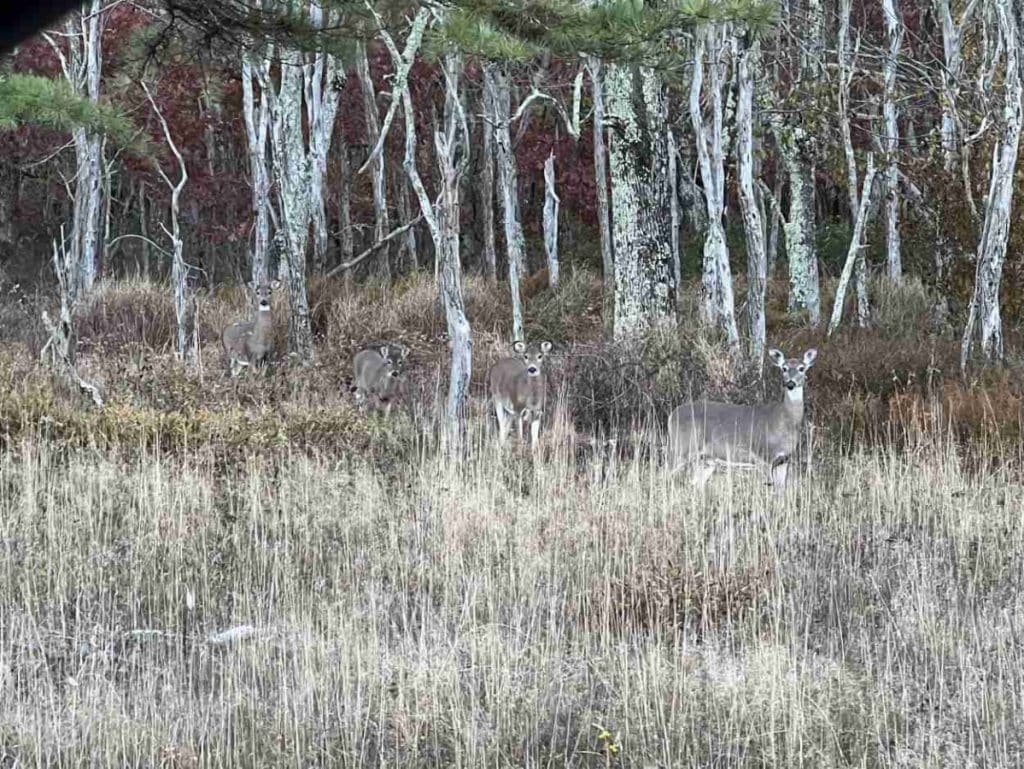
Shenandoah is one of those places that rewards you the moment you arrive. The park stretches for more than 100 miles along the crest of the Blue Ridge Mountains, and that long, winding spine creates a rhythm you don’t find in many national parks. Skyline Drive pulls you from overlook to overlook, each one offering a slightly different angle on the ridges, valleys, and shifting light. During our visit, we were surprised by how often the scenery changed, sometimes dramatically, just by driving a few miles or stepping onto a short trail.
What makes Shenandoah especially memorable is how accessible its beauty feels. You can spend an entire day exploring overlooks, or you can slip onto a trail and find quiet within minutes. We noticed that even on busy fall days, the crowds thinned quickly once we started hiking. The elevation changes also add a bit of magic: temperatures, colors, and even the mood of the landscape shift as you move along the ridge, giving each stop its own personality.
The park’s mix of scenic driving, approachable trails, wildlife, and year‑round access makes it a great fit for a wide range of travelers, including first‑timers, families, seasoned hikers, and anyone who simply wants to breathe mountain air for a while.
If you want a sense of what the park looks and feels like before you go, you can watch our video tour of Shenandoah National Park, where we highlight the overlooks, trails, and moments that stood out most during our trip.
🚫 Worst Time to Visit Shenandoah National Park
“Worst” is a relative term in Shenandoah, because every season offers something worth experiencing. The real question is what kind of trip you want. If you prefer quiet trails and easy parking, mid‑October through early November can feel overwhelming. This is peak foliage season, and the combination of brilliant color and easy access along Skyline Drive draws huge crowds. For some travelers, that makes it the most frustrating time to visit. For us, though, it’s the opposite. Julie and I love chasing fall colors, and Shenandoah delivers some of the most dramatic elevation‑based shifts we’ve seen, so the crowds feel like a fair trade.
If you’re looking for the season with the most potential drawbacks, winter is the closest thing to a true “worst” time. Skyline Drive can close temporarily after snow or ice, and those closures can last for days. Many services shut down for the season, and temperatures on the ridges run much colder than the valleys. That said, winter also offers something you won’t find any other time of year: quiet overlooks, frosty ridges, and wide‑open views through the bare trees. If solitude is your priority, winter might actually be the best time to visit.
In short, the “worst” time depends on your priorities.
- Avoid mid‑October to early November if you dislike crowds.
- Avoid winter if road closures or limited services would disrupt your plans.
- And if you love fall color or peaceful winter landscapes, those same seasons might be exactly when you want to go.
❓ Frequently Asked Questions
Before wrapping up, here are answers to some of the most common questions travelers have when planning a trip to Shenandoah.
Yes. Skyline Drive is open year-round, but winter storms can cause temporary closures. These closures sometimes last a few days, so it’s smart to check park alerts before you go.
Driving the full 105 miles without stopping takes about three hours, but most visitors spend far longer because the overlooks and trailheads are the heart of the experience.
Color typically peaks sometime between mid‑October and early November, but timing varies by elevation and weather. The park’s webcams and weekly updates are the best way to track conditions.
Yes. Shenandoah is one of the few national parks where pets are allowed on most trails. A handful of trails have restrictions, so it’s worth checking the park’s official list before you go.
No. Shenandoah does not require timed entry or advance reservations for general access. Standard entrance fees apply at all four entrances.
Easy, rewarding options include Stony Man, Blackrock Summit, and the Limberlost Trail, all offering great views without a long or strenuous climb. For more ideas, check out our full guide to easy hikes in Shenandoah.
📚 Ready to Plan Your Visit?
With the essentials covered, you’re ready to shape a Shenandoah trip that fits your style, whether that means a relaxed day of overlooks, a weekend of hiking, or a slow, scenic drive along the ridgeline. Shenandoah rewards a bit of planning, but it never feels overwhelming, and that balance is part of what makes the park so inviting.
If the mountains are calling you the way they called us, the tools below can help you turn that inspiration into a real plan.
Don’t miss our full guide to Shenandoah!
It’s packed with tips and insights to help you plan a trip you’ll love.
Featured image credit: Miles with McConkey