

Julie and I have talked a lot about the best time to visit Theodore Roosevelt National Park because this place surprised us in all the best ways. We saw as much wildlife here as we have anywhere, and the scenic drives made it easy to reach trailheads, overlooks, and wide-open views that felt untouched. The striped badlands glow with color, the prairie dogs chatter nonstop, and the mix of bison and wild horses gives the park a character that feels completely its own.
We visited in June and loved every minute of it. The weather was comfortable, the wildlife was active, and the orange hues at sunrise and sunset stretched across the formations in a way that stays with you. At the same time, we found ourselves wondering what we might experience in another season. This park changes dramatically throughout the year, and each season offers something different for hikers, photographers, and wildlife lovers.
Before you plan your trip, it helps to understand how weather, wildlife, crowds, and seasonal amenities shape the experience. This guide breaks down what each season offers so you can choose the right time for your own adventure.
Disclosure: This post may contain affiliate links. If you make a purchase through one of these links, I may earn a small commission at no additional cost to you. Thanks for supporting Miles with McConkey.
🗓️ Seasonal Tips
Each season at Theodore Roosevelt National Park offers a different mix of wildlife activity, scenery, and trail conditions. These quick notes can help you decide which time of year fits your style. Tap below to explore what each season brings and how the park transforms throughout the year.
🌸 Spring
- Wildlife becomes more active as temperatures warm.
- Cooler days make hiking comfortable.
- Rain can create slick, clay‑heavy trails.
- Visitor numbers stay low across both units.
☀️ Summer
- Long days and warm weather create ideal conditions for scenic drives and easy hikes.
- Wildlife is active, especially prairie dogs, bison, and wild horses.
- Sunrise and sunset light up the badlands with vivid color.
- Crowds increase, but the park still feels spacious.
🍂 Fall
- Cooler air and golden light create beautiful photography conditions.
- Wildlife remains active, including bison during rutting season.
- Temperatures vary, so layers help with comfort.
- Fewer visitors make the trails and overlooks quieter.
❄️ Winter
- Snow adds dramatic contrast to the striped badlands.
- Wildlife sightings continue, especially bison and deer.
- Cold temperatures and icy conditions require preparation.
- This is the quietest season, ideal for solitude.
Once you know how the seasons shape the landscape, it’s worth considering how many people you might share it with. Theodore Roosevelt National Park stays quieter than many well‑known parks, yet crowd patterns still change from spring through fall.
🧑🤝🧑 Crowd Levels and Visitation Statistics
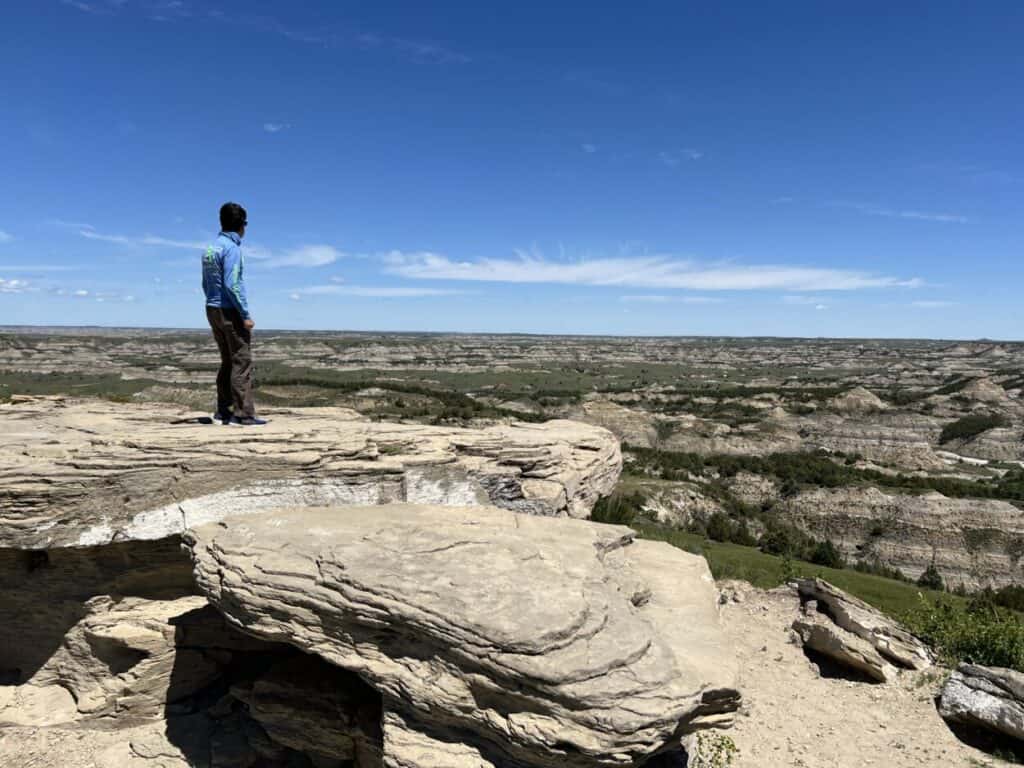
Theodore Roosevelt National Park welcomes roughly 700,000 visitors each year, which places it in the middle of the pack among the 63 national parks. Even so, the park feels far less crowded than the big names in the national park system.
Julie and I encountered other travelers during our June visit, but we never felt rushed or boxed in. Most people stick to the scenic drives and overlooks, which keep the trails surprisingly peaceful. These visitation numbers include all three park units: the South Unit, the North Unit, and the remote Elkhorn Ranch Unit.
The South Unit draws the most visitors because it sits near Medora and offers the most amenities. The North Unit is 68 miles away, and many travelers assume it offers more of the same, so they skip it. In reality, it has its own character and is absolutely worth the drive. Elkhorn Ranch sees the fewest visitors and offers deep solitude and historical context. The National Park Service (NPS) does not break out visitation by unit, but based on our experience and conversations with rangers and local tourism staff, the order of visitation is clear:
South Unit → North Unit → Elkhorn Ranch Unit
If you’re planning time in the South Unit, our full guide highlights the best overlooks, hikes, and wildlife spots. And if you’re curious about the quieter North Unit, this detailed guide shows why it’s worth the extra drive.
Below is a look at how visitation typically fluctuates throughout the year.
Average Monthly Visitors (All Park Units Combined)
| Month | Avg. Visitors |
|---|---|
| January | 1K-3K |
| February | 2K-2.5K |
| March | 6K-10K |
| April | 7K–12K |
| May | 66K–77K |
| June | 124K–140K |
| July | 150K–167K |
| August | 137K–154K |
| September | 113K–117K |
| October | 50K–60K |
| November | 8K–18K |
| December | 1K–2K |
Crowd levels tell part of the story, but the weather plays an equally important role in shaping your experience.
🌦️ Weather in Theodore Roosevelt National Park
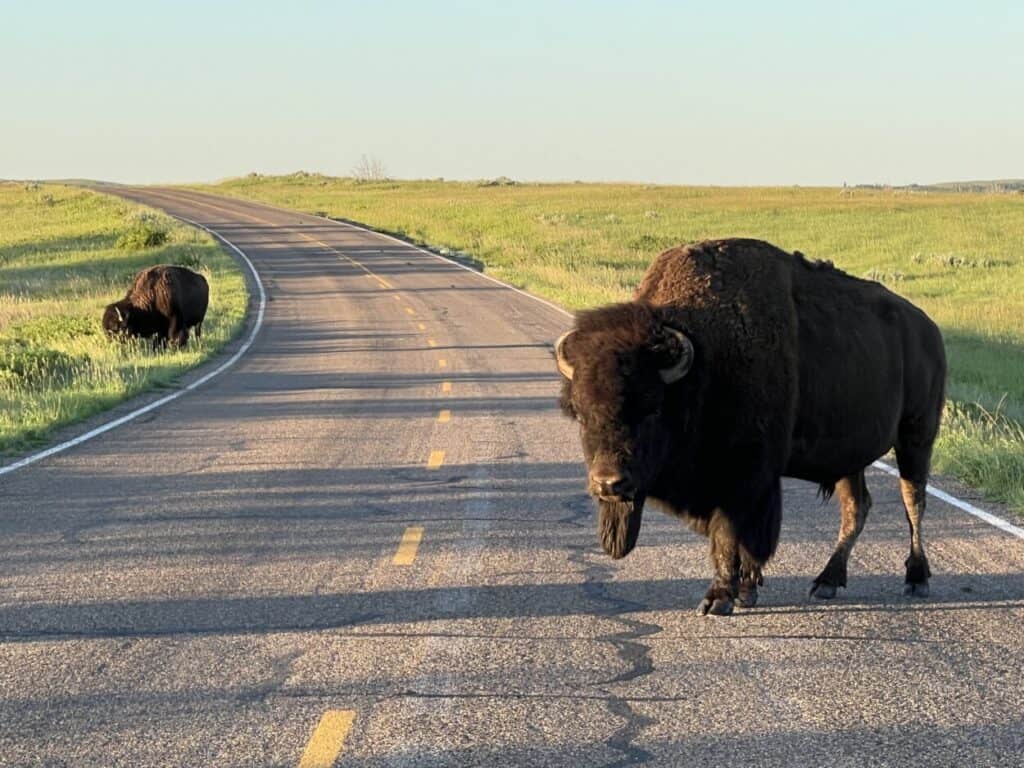
Summers are warm with average highs in the 70s and 80s°F. This is the most comfortable season for hiking and scenic drives, although thunderstorms can develop quickly. Winters are cold with average lows in the single digits from December through February. Snowfall averages around 30 inches per year, and blizzard conditions are possible during strong winter storms.
The park receives roughly 15 inches of precipitation annually, which is relatively low, but a single storm can bring a significant amount of rain. Spring and early summer tend to be the wettest months, with May and June showing the highest precipitation totals based on long‑term climate averages.
Wind is a defining feature of the region. Average wind speeds hover around 9 to 12 mph throughout the year, with the strongest winds typically occurring from late fall through early spring. On the open prairie, those speeds feel even more pronounced. A windbreaker and layers are helpful in every season.
Average Monthly Temperatures & Precipitation (°F / inches)
| Month | Avg. High / Low | Precipitation | Notes |
|---|---|---|---|
| January | 25 / 10 | 0.5 in | Coldest month, frequent wind, light snow |
| February | 26 / 11 | 0.6 in | Very cold, windy, occasional storms |
| March | 40 / 23 | 1.0 in | Transition month, increasing wind |
| April | 51 / 33 | 2.0 in | One of the wetter months, variable weather |
| May | 64 / 45 | 4.2 in | Wettest month, thunderstorms possible |
| June | 75 / 55 | 3.7 in | Warm, storm potential, great hiking |
| July | 84 / 62 | 3.0 in | Warmest month, long days, active wildlife |
| August | 82 / 61 | 2.6 in | Warm, drier, good for scenic drives |
| September | 74 / 53 | 2.8 in | Cooler, crisp mornings, beautiful light |
| October | 55 / 39 | 1.9 in | Variable weather, increasing wind |
| November | 40 / 26 | 0.7 in | Early snow, windy, quiet season |
| December | 27 / 14 | 0.8 in | Cold, snowy, strong winter winds |
Wind in Theodore Roosevelt National Park
Julie and I noticed the wind throughout our visit, and it is a regular part of the experience here. Wind is considerable year‑round, with the strongest average speeds from November through April at roughly 11 to 12 mph. July and August tend to be the calmest months at about 9 mph. Even at these speeds, the open prairie makes the gusts feel stronger. A lightweight windbreaker and a few layers help you stay comfortable in every season.
Once you understand the weather patterns, the next step is knowing what each season actually offers in terms of activities and services.
🏕️ Seasonal Activities and Amenities
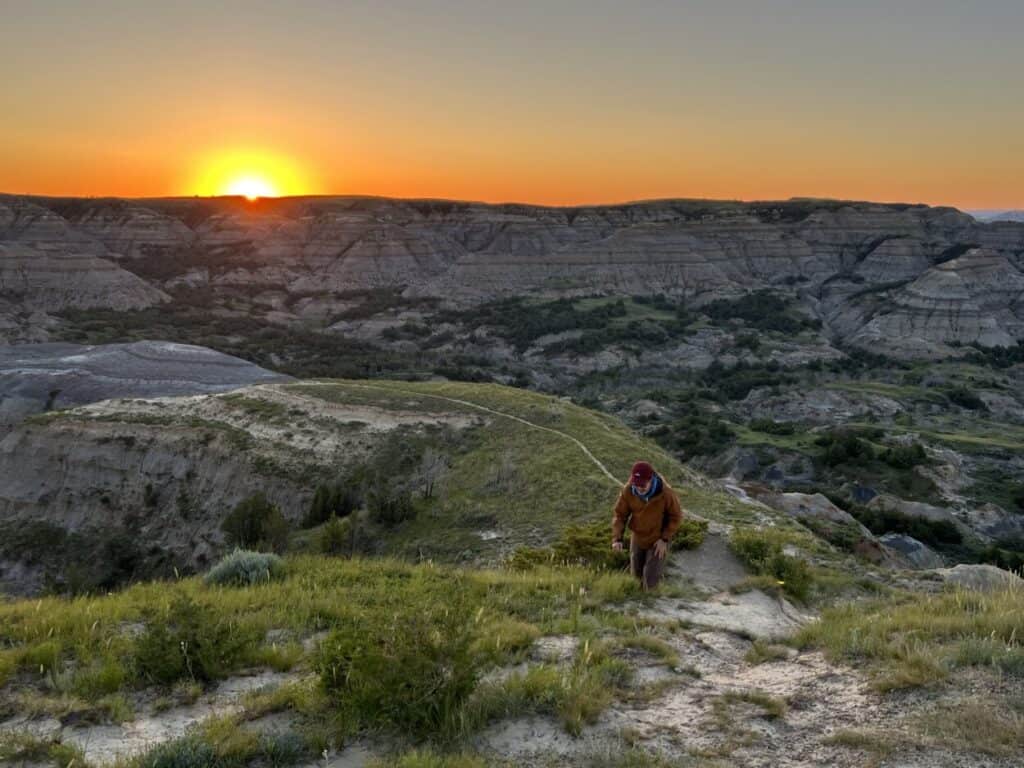
Theodore Roosevelt National Park offers different experiences throughout the year, but amenities are limited compared to many national parks. There are no restaurants, gas stations, lodging, auto repair, or mail services inside the park. Travelers rely on nearby communities: Medora serves the South Unit, and Watford City serves the North Unit.
Most activities are available year‑round, but access and services shift with the seasons. Here’s what to expect.
Visitor Centers
The park has three visitor centers, each with seasonal hours:
South Unit Visitor Center (Medora)
- Standard hours: 8 am–6 pm
- Winter (Nov–mid‑May): 8:30 am–4 pm
- Shoulder seasons: 8 am–5 pm (late May–early June), 8 am–4:30 pm (mid‑Aug–Oct)
North Unit Visitor Center (near Watford City)
- Standard hours: 9 am–5 pm
- Winter (Nov–mid‑June): 9 am–4:30 pm
Painted Canyon Visitor Center
- Standard hours: 8 am–5 pm
- Shoulder seasons: 8 am–4:30 pm (early May–early June), 8:30 am–4:30 pm (early Aug–Oct)
- Closed in winter (early Nov–early May)
Seasonal Activities Overview
Here’s what you can expect from the park in each season.
Spring and Summer
These are the most active seasons for visitors. Scenic drives, wildlife viewing, and hiking are available throughout the park. The NPS highlights scenic drives as a core activity in both the South and North Units, with overlooks and trailheads accessible along the main roads.
Ranger‑led programs are not extensively documented online, but like most parks, they are most likely to occur during summer when staffing is highest.
Canoeing and kayaking are possible on the Little Missouri River, but water levels vary dramatically, and the NPS does not promote it as a major activity. It’s best suited for experienced paddlers.
Fall
Fall brings cooler temperatures and quieter trails. All major activities remain available, although visitor center hours shorten and services in Medora begin to wind down for the season. Scenic drives are especially beautiful with golden light and active wildlife.
Winter
Winter is the most limited season. The park remains open year‑round, but snow and ice can cause temporary road closures. Visitor centers operate on reduced hours, and Painted Canyon is closed entirely. Hiking is still possible, and the park notes that campgrounds remain open year‑round. Snowshoeing and cross‑country skiing are allowed but not groomed or formally supported. This is a quiet, self‑guided season best suited for experienced winter travelers.
Once you know what each season offers, it helps to understand your lodging options and typical trip costs.
💵 Costs and Lodging
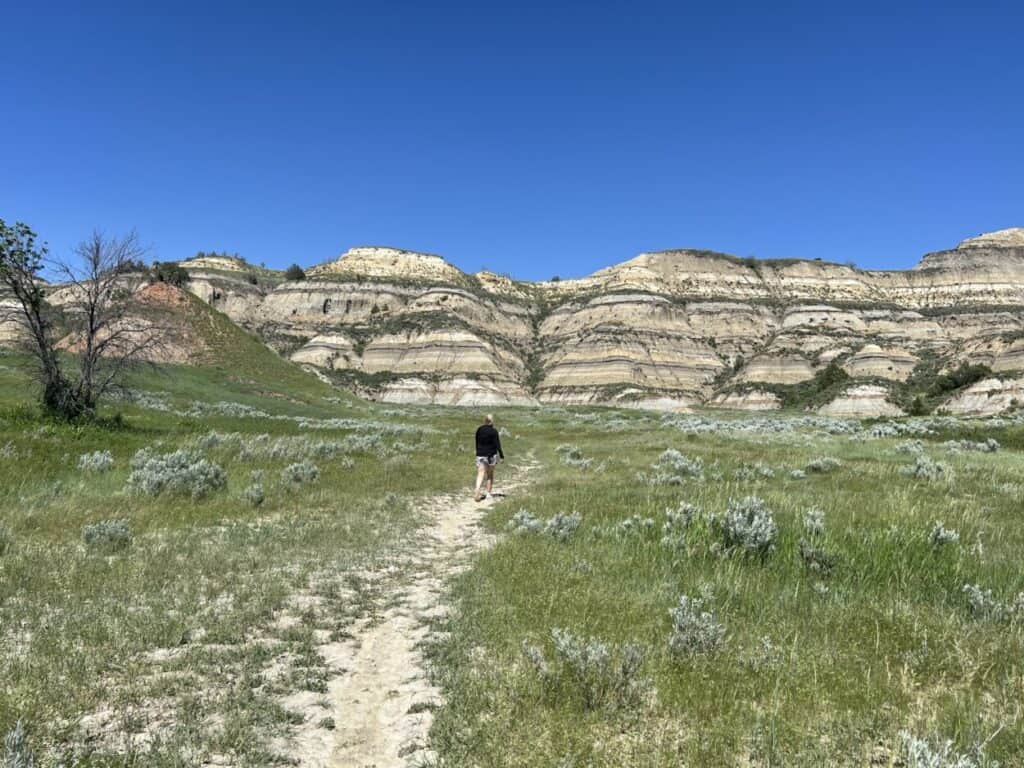
Park entrance fees remain the same throughout the year. A $30 vehicle pass covers seven consecutive days and grants access to all three park units.
Since most visitors stay near the South Unit, the lodging overview below focuses on Medora, the town closest to the park’s main entrance. Hotel prices vary by season, and while exact month‑by‑month data is not published, available listings show a consistent pattern: lower rates in winter, moderate rates in spring and fall, and the highest rates in summer when visitation peaks. These averages reflect standard hotel rooms; premium cabins, suites, and vacation rentals can run significantly higher, especially in summer.
Average Hotel Rates in Medora, ND
| Season | Avg. Hotel Rate (per night) | Notes |
|---|---|---|
| Winter (Dec–Feb) | $90–$140 | Quiet season; limited services in town; lowest demand |
| Spring (Mar–May) | $110–$170 | Shoulder season; rising visitation; mild weather |
| Summer (Jun–Aug) | $150–$260 | Peak season; highest demand; most amenities open |
| Fall (Sep–Nov) | $120–$180 | Cooler temps; active wildlife; some services begin to scale back |
Where to Stay
Medora offers a small but convenient selection of hotels, motels, cabins, and campgrounds. Options range from the historic Rough Riders Hotel to budget‑friendly motels and seasonal cabins. Most properties are independently owned, and availability can be limited during the summer, so booking early is recommended.
Use the interactive map below to explore lodging options in Medora, compare rates, and book directly:
🌄 Why Theodore Roosevelt National Park Is Worth Visiting
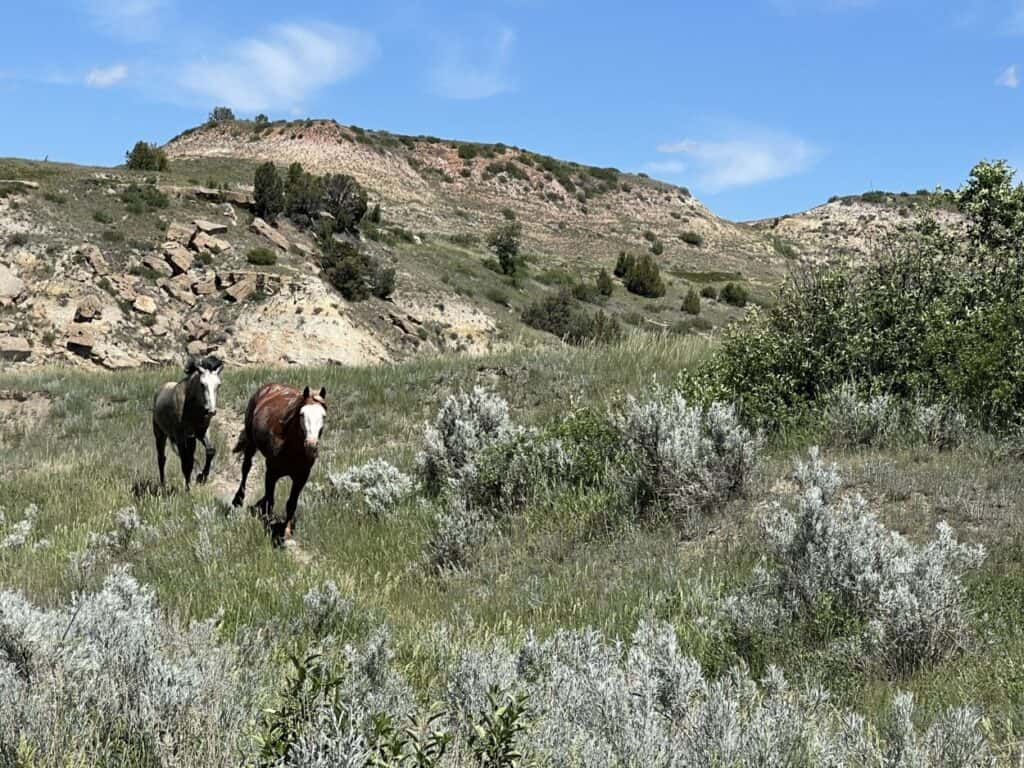
Theodore Roosevelt National Park is one of America’s most underrated landscapes, and it rewards anyone willing to slow down and explore its wide open spaces. The striped badlands feel almost surreal, especially when sunrise or sunset washes the formations in warm orange light. Wildlife is everywhere. We saw as much here as we have in any national park, from prairie dogs and bison to wild horses grazing against the backdrop of rugged hills.
The scenic drives are a highlight, offering easy access to overlooks, trailheads, and wildlife viewing without feeling rushed or crowded. Even in the popular South Unit, we never felt boxed in. The North Unit is quieter still, and its sweeping views and dramatic badlands formations make the extra drive worthwhile.
What makes this park unforgettable is the combination of solitude, scenery, and wildlife. It’s a place where you can watch wild horses crest a ridge, listen to prairie dogs chatter across the grasslands, and stand in a landscape that feels both peaceful and alive. For travelers who appreciate open horizons, approachable trails, and a sense of discovery, Theodore Roosevelt National Park delivers an experience that lingers long after you leave.
If you want to dive deeper into what makes this place special, you can explore our full feature on why Theodore Roosevelt National Park is worth visiting.
🚫 Worst Time to Visit Theodore Roosevelt National Park
There isn’t a truly “bad” time to visit, but winter is the most challenging season. From December through February, temperatures often dip into the single digits, winds are stronger, and snow or ice can temporarily close roads. Visitor center hours are reduced, Painted Canyon is closed, and services in Medora are limited. If you’re prepared for cold weather and want solitude, winter can still be rewarding — just expect a quieter, more self‑guided experience.
Spring and fall bring milder weather and fewer crowds, but conditions can shift quickly. Spring storms can make trails muddy, and fall winds can be brisk on exposed ridges. Summer is the most popular season, offering the best access and longest days, but it also brings higher lodging prices and the potential for sudden thunderstorms.
❓ Frequently Asked Questions
These quick answers cover what travelers often want to know before planning a trip.
Crowds are modest compared to many national parks. Summer is the busiest season, especially in the South Unit, but even then, it rarely feels overwhelming. The North Unit is quieter year‑round.
Two to three days is ideal if you want to explore both the South and North Units. A single day works for a scenic drive and a few short hikes in one unit.
Bison, prairie dogs, wild horses, pronghorn, and mule deer are common. Early morning and late afternoon offer the best viewing.
No. There are no restaurants, gas stations, or lodging inside the park. Medora (South Unit) and Watford City (North Unit) provide the closest services.
Absolutely. The scenic drives, wildlife viewing, and short trails make it easy to explore with kids.
📚 Ready to Plan Your Visit?
With the basics in place, you’re ready to start shaping a trip that fits your style — whether that means a quick scenic drive, a wildlife‑focused weekend, or a deeper dive into the park’s quieter corners. Theodore Roosevelt National Park rewards thoughtful planning, but it never feels complicated, and that’s part of its charm.
Don’t miss our full guide to Theodore Roosevelt!
We’ve got everything you need to plan your perfect trip.
Featured image credit: Miles with McConkey