
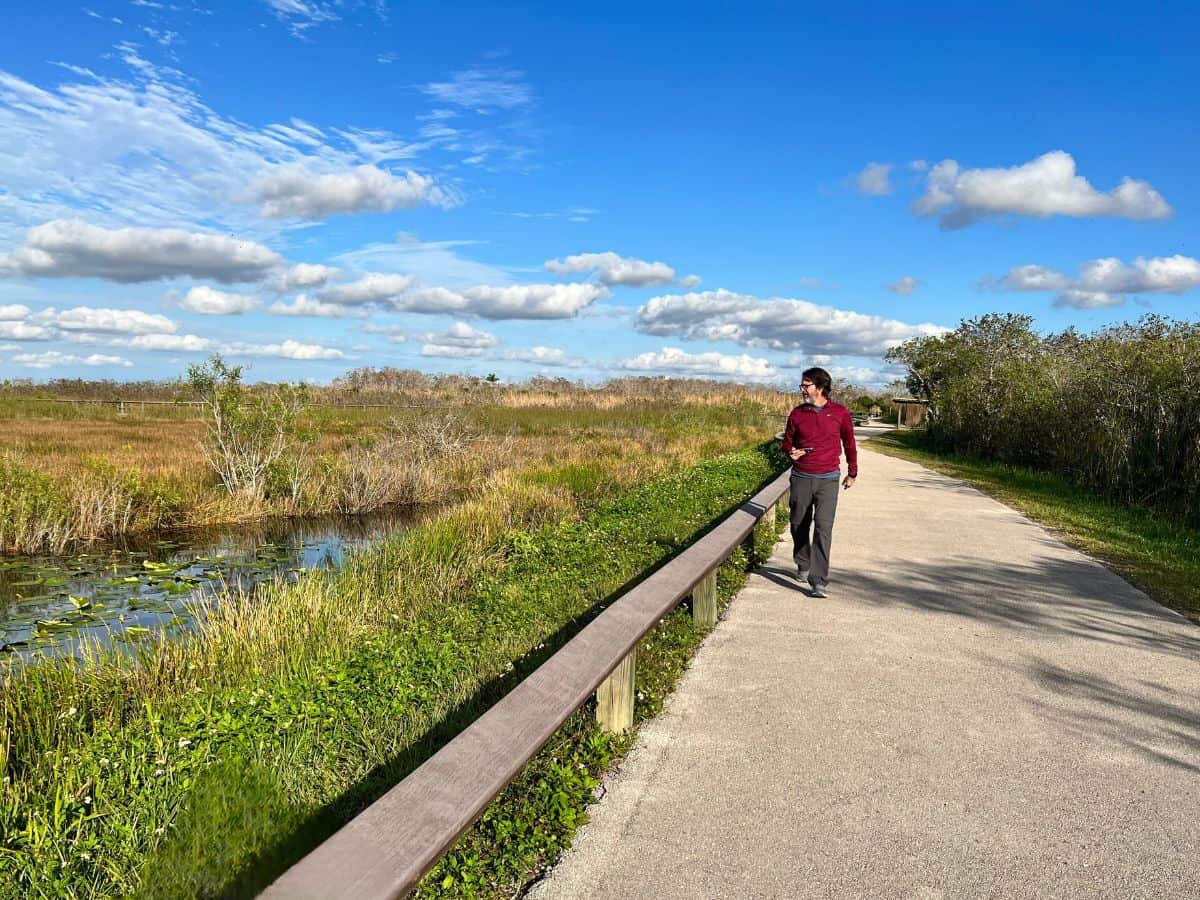
Why are we excited by fear? Many of us get a strange thrill from scary things such as rollercoaster rides, haunted houses, and horror movies.
Everglades National Park will satisfy both your lust for beauty and your thirst for fear. It is like a zoo without barriers. Anything could be lurking around the next corner. Or, it could be right next to you, hiding in the tall grass.
Scary creatures like alligators and snakes share the same space with timid turtles and graceful birds. The surreal, exotic ecosystem is unlike anything else on the planet. Simply put, Everglades National Park is beautiful and scary.
The national park was number six on our visited list, leaving us with lifelong memories. Julie and I want to share our insights to help you plan your adventure.
Disclosure: This post may contain affiliate links. If you make a purchase through one of these links, I may earn a small commission at no additional cost to you. Thanks for keeping Miles with McConkey going!
What is so Special About the Everglades?
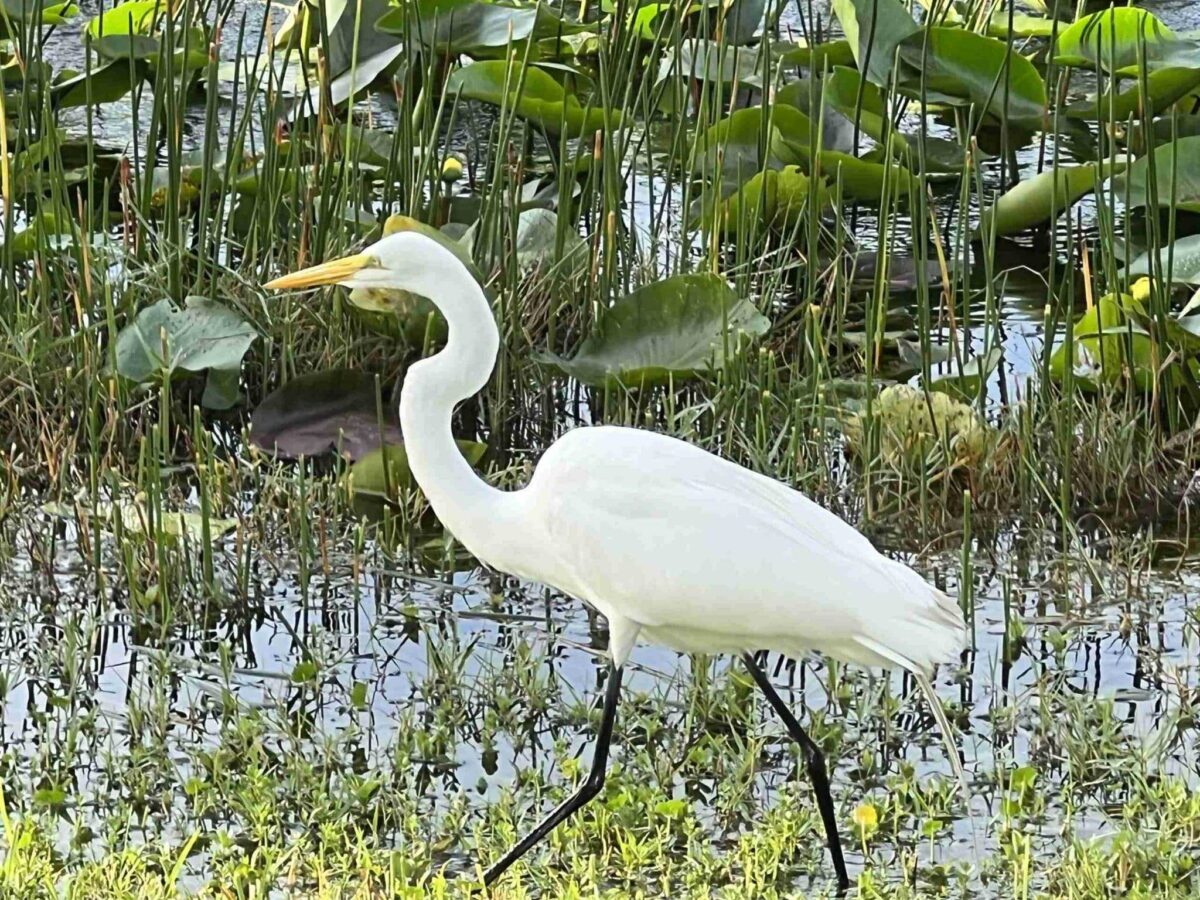
You cannot overstate Everglades National Park’s significance. It harbors North America’s largest continuous stand of sawgrass prairie and the most extensive mangrove ecosystem in the Western Hemisphere.
The park is home to over 30 endangered and threatened species, including the Florida panther and American alligator. It is also North America’s most significant breeding ground for tropical wading birds.
Beyond its national park designation, the vital ecosystem is also a UNESCO World Heritage Site.
Interesting Facts About Everglades National Park
The national park was established on December 6, 1947. It is America’s 10th largest national park, with over 1.5 million acres. The park is located in southern Florida and has three entrance areas.
According to National Park Service (NPS) visitation statistics, 700,000 to 1.1 million people visit the Everglades annually. The park is home to 350 species of birds, 40 species of mammals, and various fish and reptiles.
Many people are under the impression that the Everglades is a vast swamp. It is actually a slow-moving river of grass 100 miles long and 60 miles wide.
Although deep in southern Florida, the Everglades is primarily a freshwater ecosystem. However, freshwater and saltwater mix in the Florida Bay and Gulf of Mexico edges of the park.
Operating Hours and Seasons
The park is open daily, rain or shine, including holidays. However, visitor center hours can vary based on staffing levels.
Forget what you know about our traditional four seasons. The Everglades has two seasons:
- Wet: May through November
- Dry: December through April
The dry season tends to have fewer mosquitoes and more wildlife. Yes, please!
Want to know when the Everglades really shine? Take a deeper dive into seasonal perks, wildlife sightings, and weather tips in our full guide to the best time to visit.
Fees and Passes
Park entry is $35 per car. The pass is good for 7 days from the date of purchase.
Consider purchasing an America the Beautiful park pass for $80. This annual pass is valid at all our national parks for one year from the date of purchase.
Park Entrances
It is essential to note that Everglades National Park has three entrances and four primary areas. Interior park roads do not connect all park sections, so you must use each entrance to experience all park areas. I assure you that each district is unique and worth your time.
Homestead Entrance
The Homestead Entrance is considered the main entrance. It is located on the park’s east side and grants access to Royal Palm and Flamingo. The address is 40001 State Road 9336, Homestead, FL 33034.
Miami Entrance
You can enter the park’s north side straight across from Miami via U.S. Highway 41, which leads to Shark Valley. The address is 36000 SW 8th Street, Miami, FL 33194.
Everglades City Entrance
The Everglades City Entrance, located at 611 Collier Avenue, Everglades City, FL 34139, grants access to the Ten Thousands Islands area on the park’s west side.
Where To Stay
With three entrances and four park areas, it can be challenging to know where to stay. Homestead is the primary entrance, giving you access to the Royal Palm and Flamingo areas. It is also a reasonable drive to the Shark Valley area.
We suggest looking for places in Homestead and Florida City. We found lodging rates to be more affordable in Florida City. Both areas have many accommodations and provide easy access to the park.
Julie and I stayed at Tru by Hilton Florida City. We appreciated the clean room, friendly service, and complimentary breakfast. The hotel is 20 minutes from the Homestead Entrance (access to the Royal Palm and Flamingo areas) and about 1 hour from the Miami Entrance (Shark Valley area).
When exploring the Ten Thousand Islands, you may want to stay on Florida’s west coast, in or near Everglades City. The region is more remote and will likely require a separate day for exploration.
Now that we’ve covered the entrances and where to stay, let’s explore each park area in more detail so you can better plan your trip.
Royal Palm
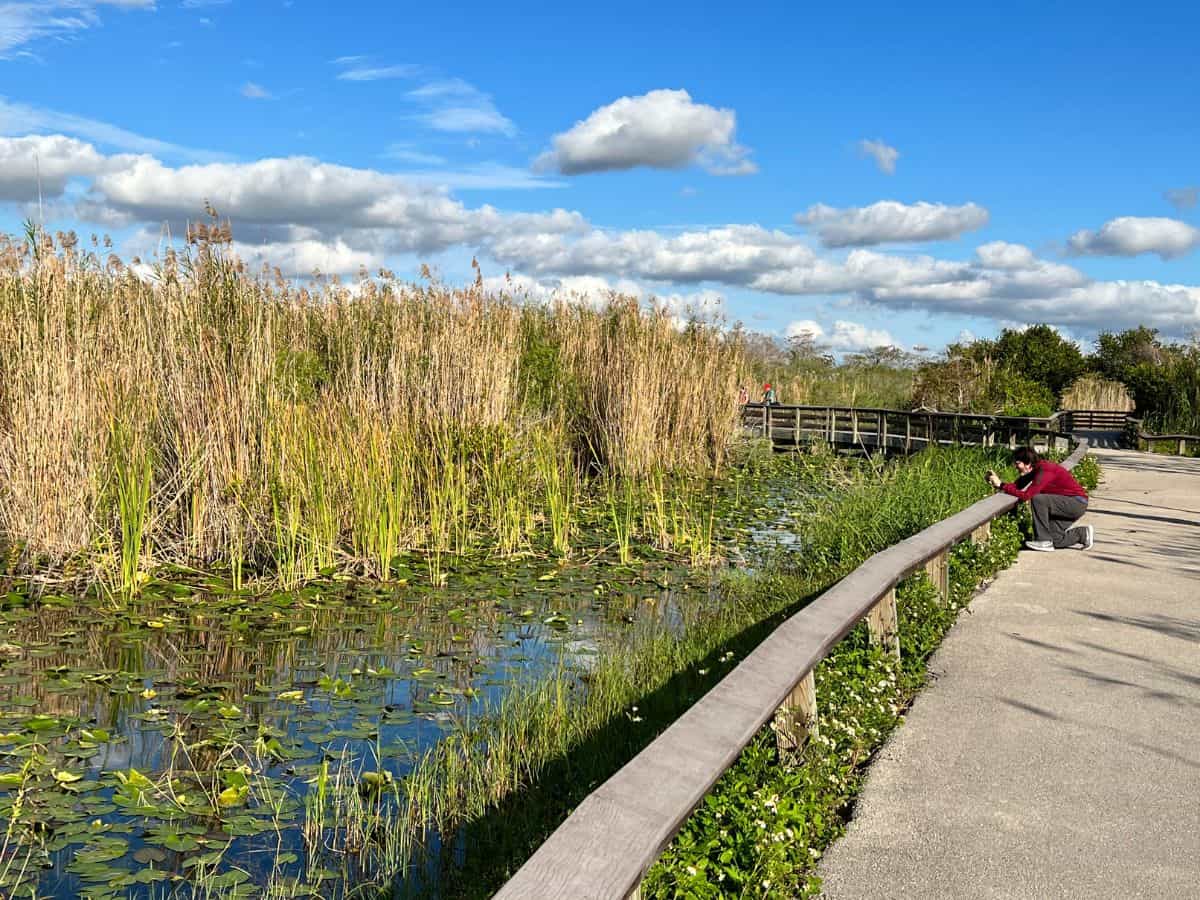
The road from the Homestead Entrance passes through Royal Palm and eventually ends at Flamingo. It is 38 miles from one end to the other, but it is worth the drive!
Top Things To Do
- Hiking or walking
- Observing wildlife: birds, alligators, turtles, and fish
Ernest F. Coe Visitor Center
The Ernest F. Coe Visitor Center is located shortly after the Homestead Entrance. I recommend this as your first stop. It has great educational exhibits, restrooms, and a store with everything from books to souvenirs to insect repellent.
Unless you enjoy smacking yourself and watching welts multiply on your skin, you will need the repellent during the wet season.
Park rangers are available in the visitor center to answer questions and provide guidance.
Anhinga Trail

About 4 miles from the visitor center, you will encounter the Royal Palm Information Center. Parking and restroom facilities are available.
Behind the information center, you will find two trails. It is a must-see spot teeming with wildlife!
The Anhinga Trail is the main attraction and my favorite park area. It is a 0.8-mile round-trip path through a sawgrass marsh area.
Nature’s extremes of scary and beautiful are on full display. Gators and snakes near the path may make your heart stop beating for a minute. But you cannot deny that they are magnificent.
The ecosystem and its inhabitants are so beautiful. I could not help but stare in awe as I surveyed the scene.
Here are some of the highlights we observed:
- A snake, coming out of nowhere, slithered across our path.
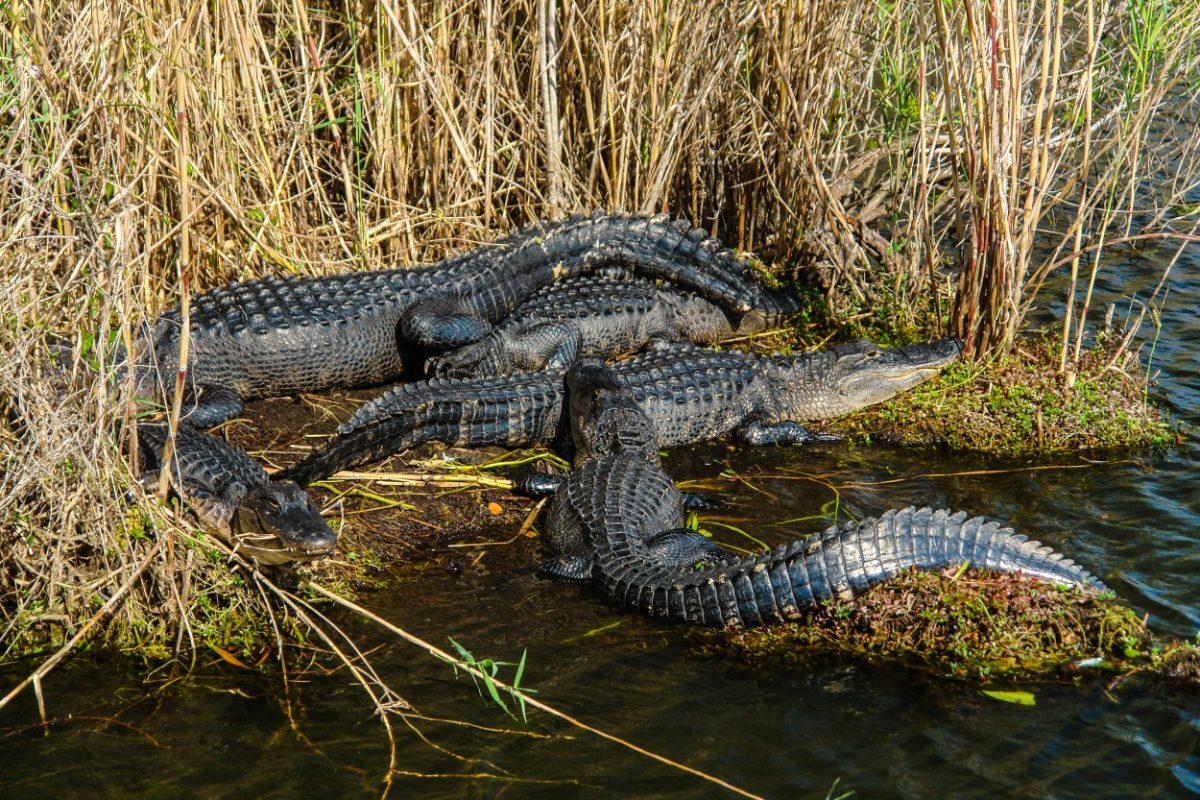
- Gators basked in the warm sun right next to the path.
- Turtles stealthily swam underneath the cover of lily pads in the crystal clear water.
- Fish floated beneath the water’s surface, barely moving their fins.
- A fascinating Anhinga dove under the water and suddenly burst through the surface with a fish in its beak.
- A white ibis stood like a statue for long minutes with a stretched neck and intense, staring eyes.
- Various birds effortlessly glided across the marsh.
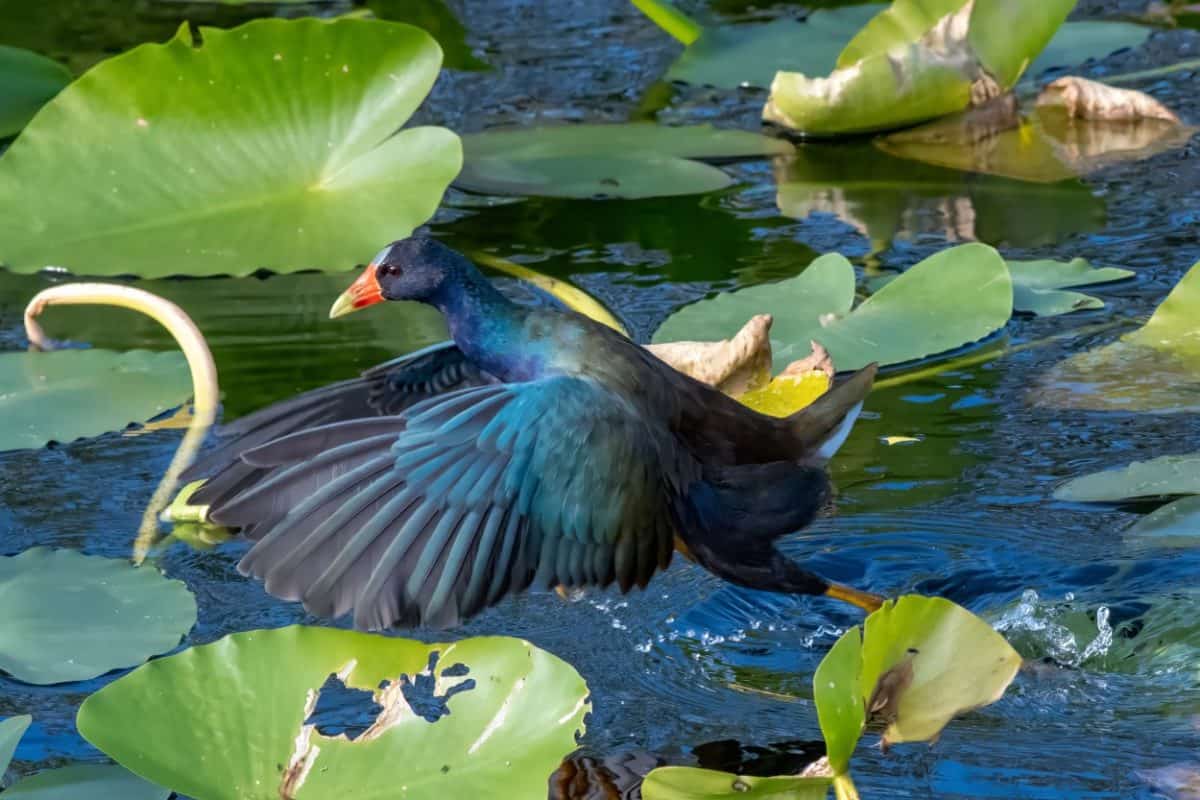
- A bluish bird used its beak to pull lily pads close so it could walk across the water. I instantly fell into a trance, watching the bird in action.
Gumbo Limbo Trail
The Gumbo Limbo Trail is the second path behind the information center. It is a 0.4-mile round-trip hike through a jungle-like hammock of trees, yielding close views of plants and an opportunity to observe birds. Although a nice hike, it pales compared to the wonders of the Anhinga Trail.
Pinelands Trail
The Pinelands Trail, a 0.4-mile round-trip hike through pines, palmettos, and wildflowers, is located 7 miles from the Ernest F. Coe Visitor Center.
With lots of vegetation, the area feels like it is straight out of a scene from a Jurassic Park film. Julie and I jokingly call this a haunted trail since rustling sounds near the path startled us multiple times.
Pahayokee Trail
About 13 miles along the main road, Pahayokee Overlook is a short 0.16-mile round-trip boardwalk and observation platform over the river of grass.
We saw a few birds, but nothing like the previous sections. I suspect the trail usually yields more bird sightings. Considering the walk is so short, it is worthwhile to check it out. If nothing else, you gain a nice view from above on the observation platform.
Mahogany Hammock Trail
The Mahogany Hammock Trail is 20 miles from the Ernest F. Coe Visitor Center and is a 0.5-mile round-trip boardwalk through a dense hardwood hammock. Julie and I enjoyed the peaceful hike and spotted various birds here.
Due to its remoteness, the parking lot is a good location to spot the International Space Station. However, we did not have any luck with this endeavor.
Flamingo
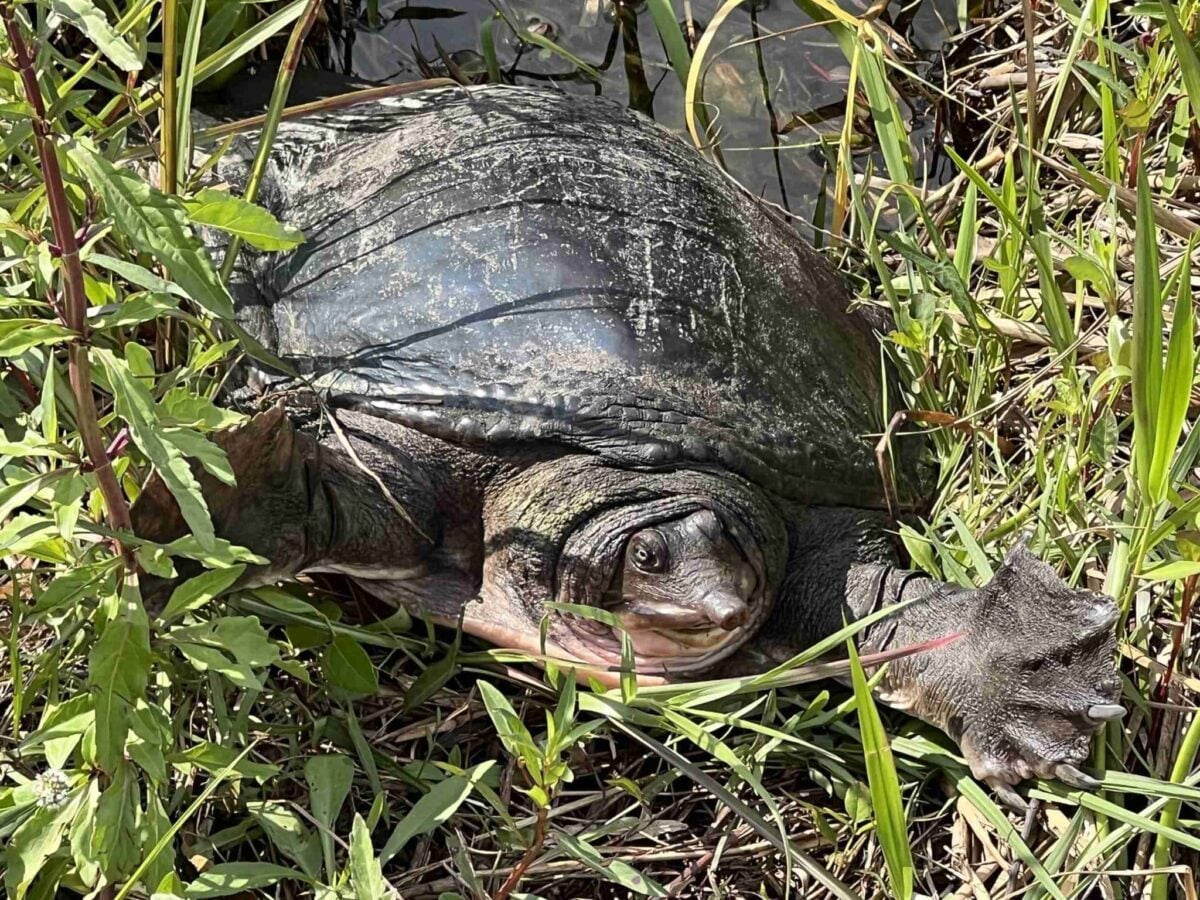
The end of the 38-mile drive brings you to Flamingo in the park’s southern region.
Top Things To Do
- Boat tours
- Biking
- Paddling
- Hiking or walking
- Viewing Florida Bay
- Observing wildlife: birds, alligators, turtles, fish, manatees, and crocodiles
Guy Bradley Visitor Center
The Guy Bradley Visitor Center is your welcome station in the south and the only Everglades visitor center not near an entrance. It has restroom facilities, a marina store, educational displays, a public boat ramp, and access to hiking and canoeing trails.
An activity booth near the marina fuel pumps offers boat tours and bicycle and boat rentals. The area is an excellent spot to view additional wildlife and a gorgeous sunset over Florida Bay.
Manatees
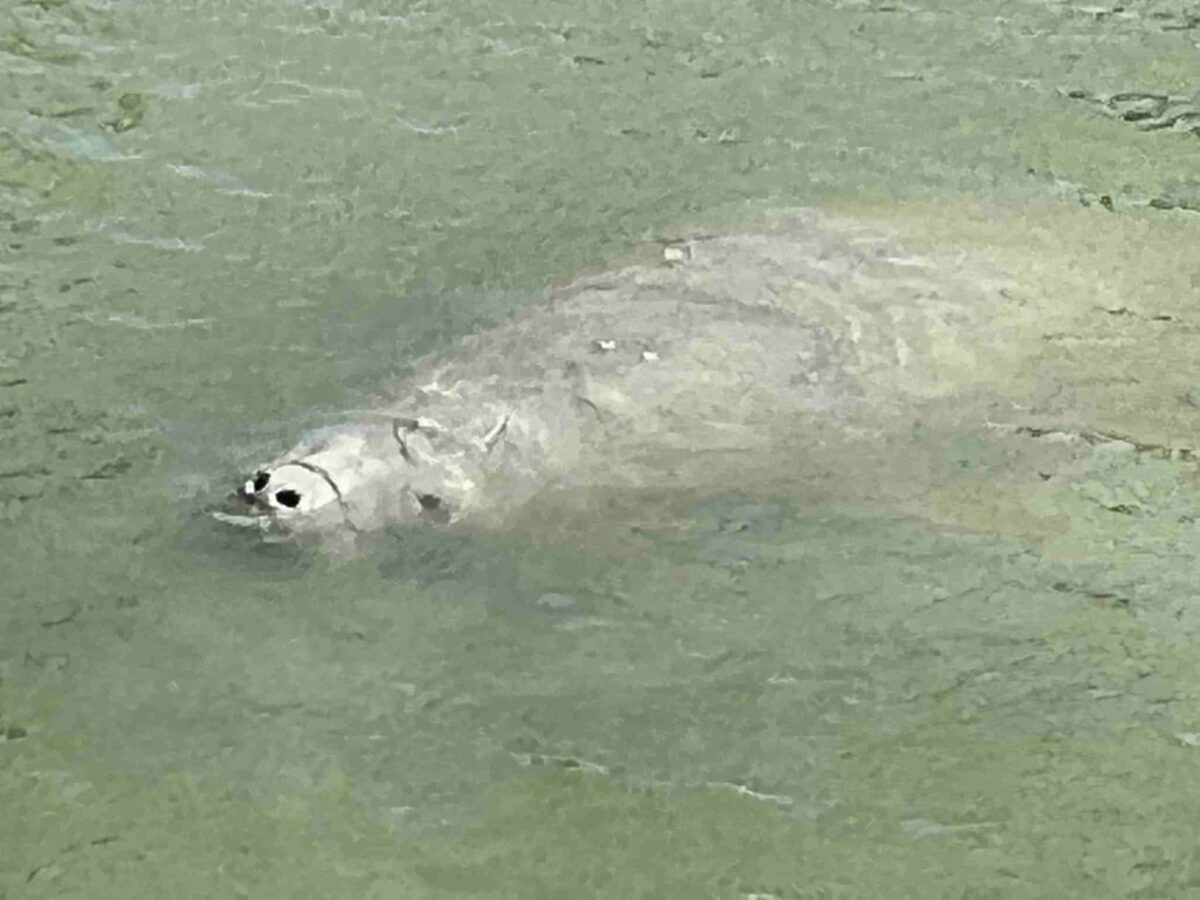
Since manatees like the confluence of saltwater and freshwater, visitors regularly spot them in Flamingo. Manatees often swim into this area after a rainfall.
You can see them surface for air and do belly rolls and tail flips. Before this, I had only seen manatees in the zoo, so seeing them in the wild was an absolute thrill.
We were not alone in our excitement. Everybody gasped in delight every time a sea cow surfaced.
Crocodiles
Alligators are common throughout most areas of the park. However, crocodiles are harder to find. You may see them in Flamingo. Julie and I were fortunate to spot one.
Alligators vs Crocodiles
How do you tell the difference?
Alligators
- Dark green or black
- U-shaped snouts
- Tiny black spots near the jaw
- Prefer freshwater
- May not see teeth when mouth is closed
Crocodiles
- Pale green or light gray
- V-shaped snouts
- More aggressive
- Prefer saltwater
- Toothy grin even with mouth closed
Osprey
Julie and I discovered another unexpected treat in Flamingo—an osprey nest near the visitor center. The raptor made its presence known by squawking occasionally.
Shark Valley
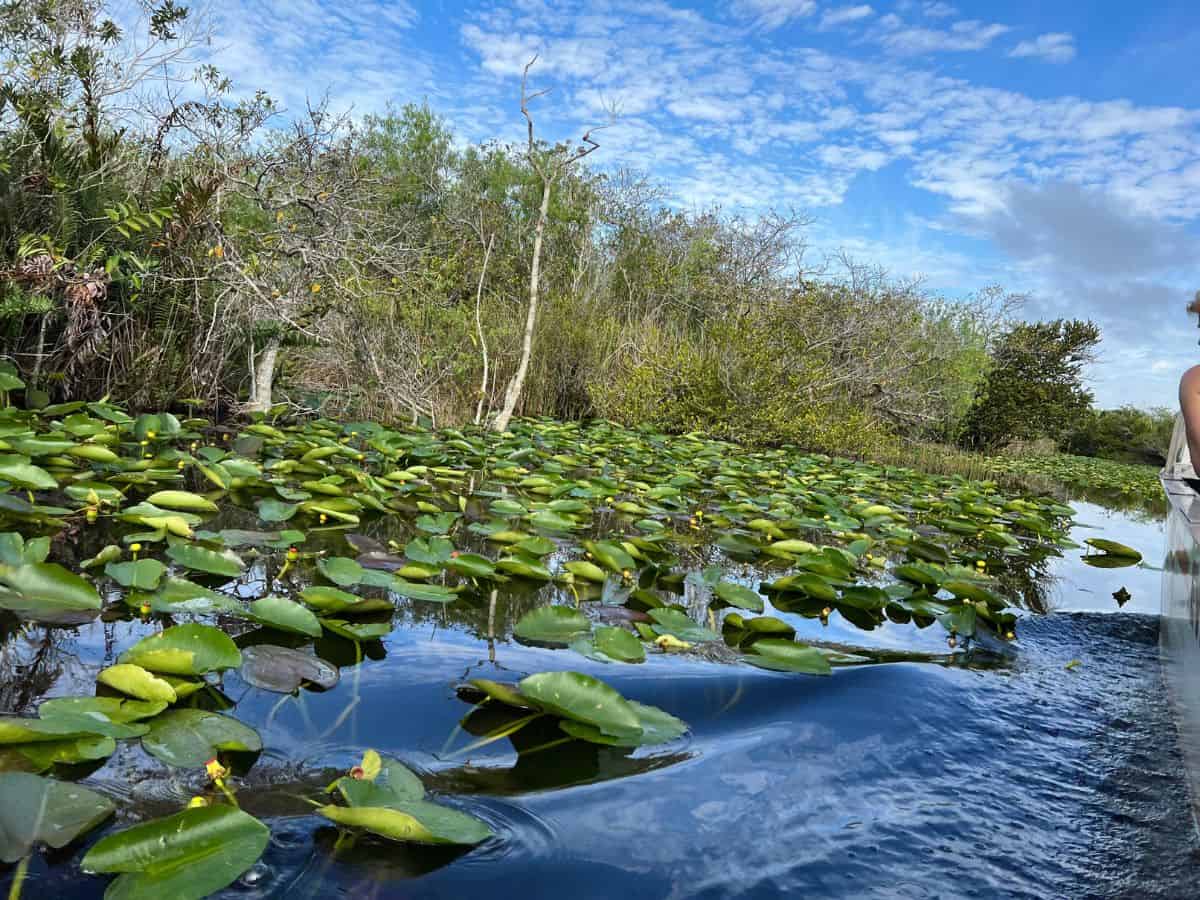
Although dubbed Shark Valley, there are no sharks. However, gators are in abundance.
Top Things To Do
- Airboat tours
- Guided tram tours
- Biking
- Observation tower
- Hiking or walking
- Observing wildlife: birds, alligators, turtles, and fish
Shark Valley Visitor Center
The Shark Valley Visitor Center is the northern welcome station. It has educational displays, information, and brochures. You will also find restrooms, a gift shop, and helpful staff members to answer your questions.
Tram Tours and Bike Rentals
The Shark Valley Visitor Center offers tram tours and bike rentals. A tram tour is a good way to experience the park. It is essentially a two-hour guided tour on the 15-mile loop along the river of grass. Renting a bike is an excellent option if you prefer a self-guided tour.
Visit the site to verify rates and availability for tram tours and bike rentals.
Hiking in Shark Valley
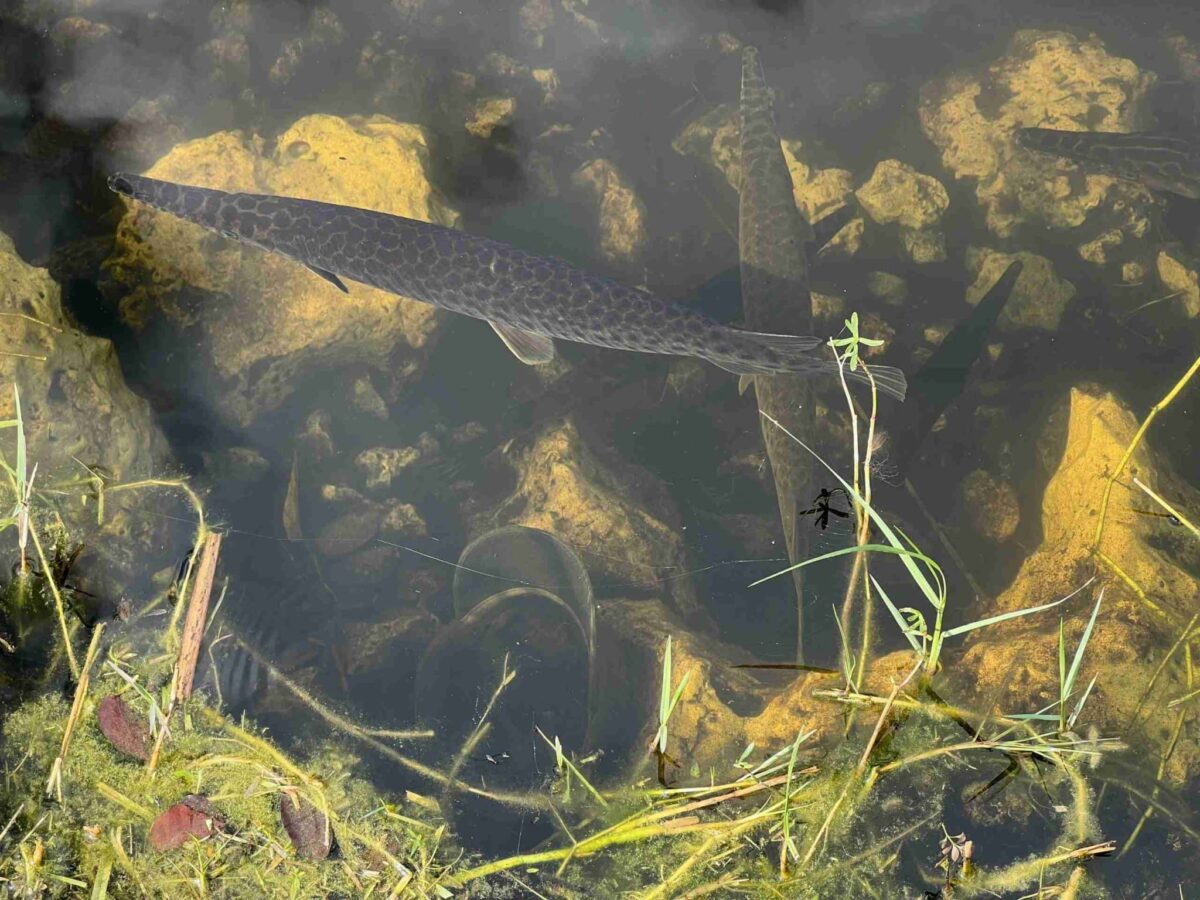
Julie and I decided to hike on our own. We walked the first couple of miles of the main road and the two hiking paths in Shark Valley.
The area was a teeming smorgasbord of wildlife. We saw plenty just walking two miles from the Shark Valley Visitor Center.
Here are some of the highlights we observed:
- Gar swam in the clear water
- Gators basked along the path
- Various birds perched in trees along the marshland
- Birds glided through the air in search of food
- Turtles sunned along the riverbank
- Baby gators sat on top of their mother as curious tourists marveled at them
- A snake slithered across our path ahead
I’m sure the remaining 13 miles offer many wildlife viewing opportunities. However, if your time or money is limited, you can still see a lot of wildlife near the visitor center.
The downside is that you will miss the observation tower. It is a great chance to rest and enjoy the view from above.
Beyond walking along the main road, Julie and I hiked two short trails in Shark Valley.
Otter Cave Hammock Trail is a 0.25-mile path through low-branched trees. It was quite muddy and slippery.
Bobcat Boardwalk Trail is a 0.5-mile boardwalk through sawgrass and forest. It is an easy walk that gives you a good sense of the Everglades’ biodiversity.
Airboat Tours

Shark Valley is primarily known for airboat tours. The park partners with three vendors to provide tours:
The vendors are located along U.S. Highway 41 between Miami and Shark Valley. Check their websites for rates and hours. To secure your spot (s), plan to make reservations ahead of time.
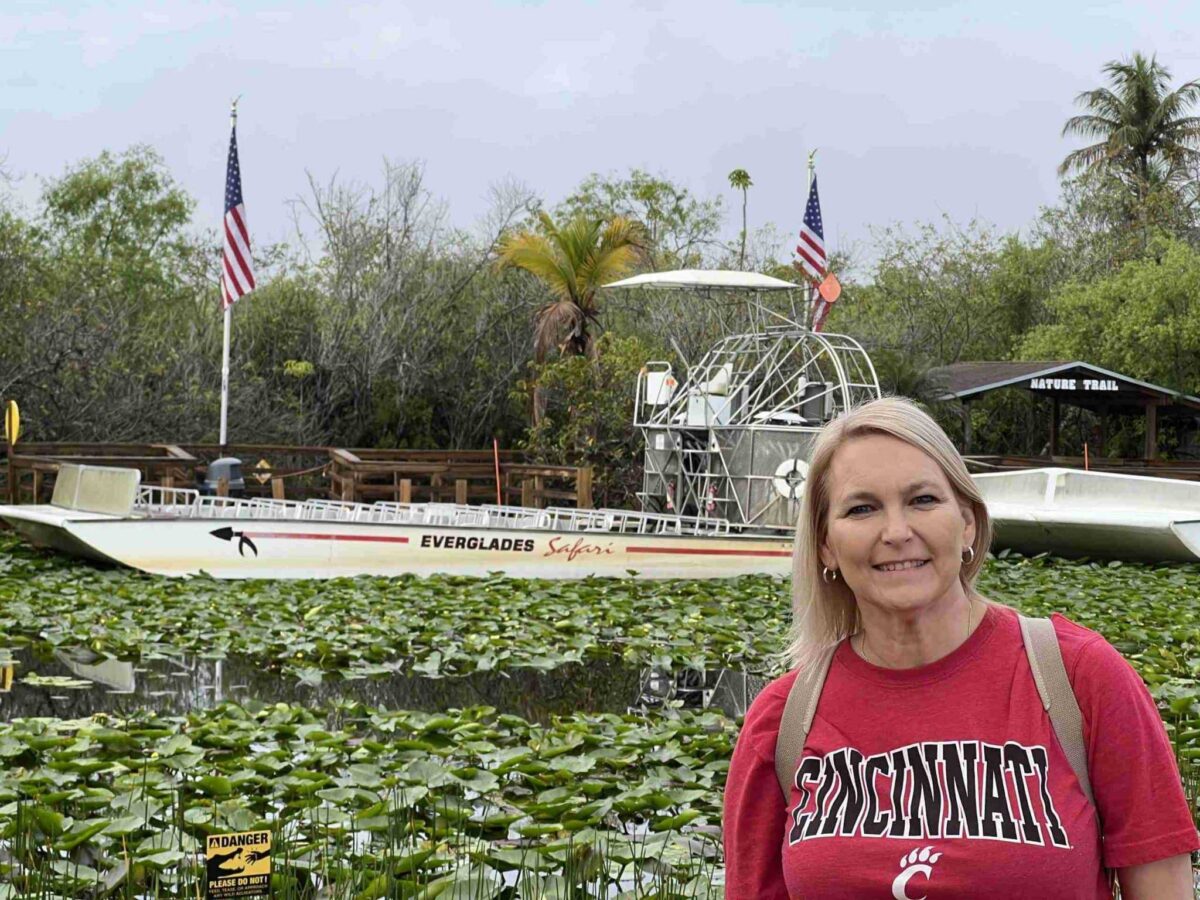
We went with Everglades Safari Park and had a great experience. It was a thrill to glide across the river of grass, and we saw plenty of birds and gators.
The ride was fun but very loud. Thankfully, the tour provided earplugs.
I recommend taking an airboat ride at least once in your life. The unique park experience is great fun, and you will see wildlife.
Ten Thousand Islands
The Everglades City Entrance, sometimes called the Gulf Coast Entrance, grants access to the Ten Thousand Islands.
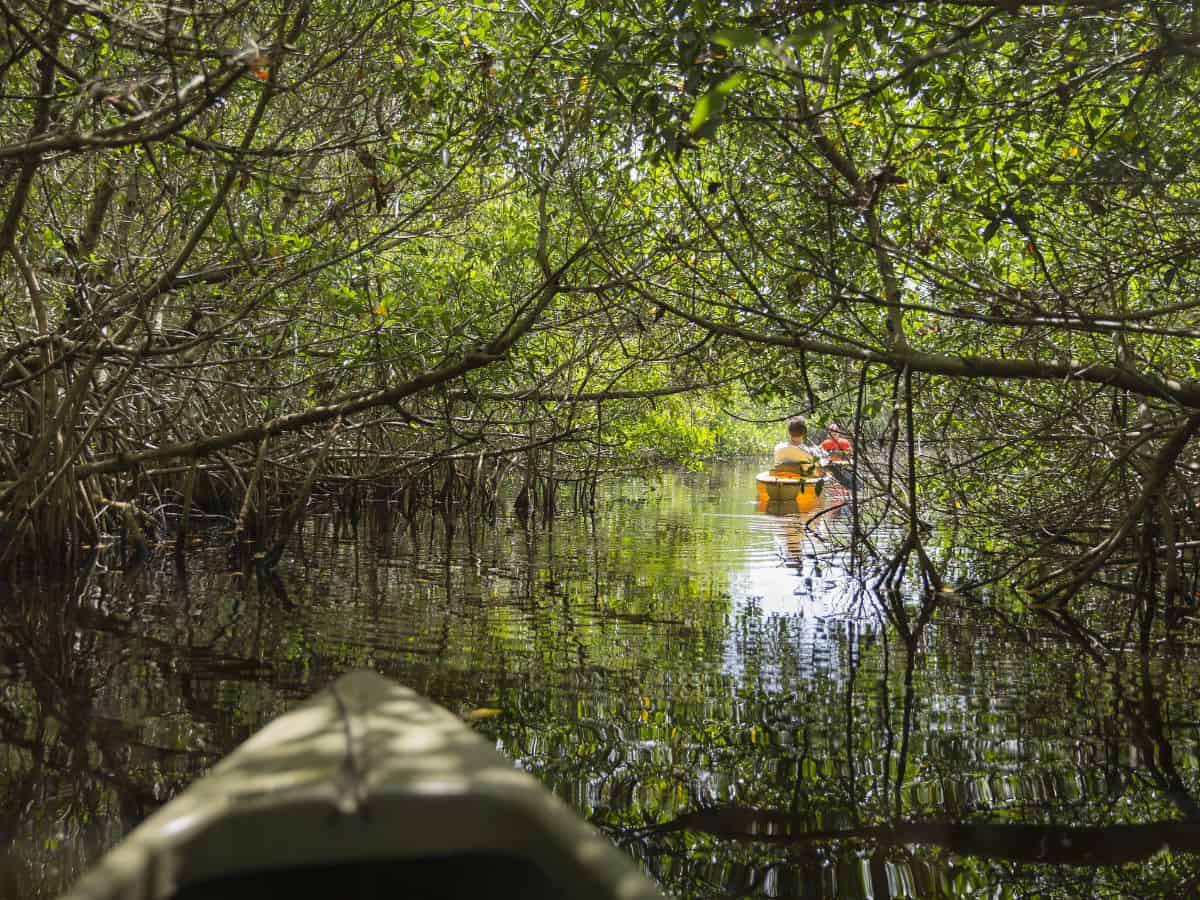
In full disclosure, Julie and I did not get the opportunity to explore this park region. Ten Thousand Islands is a maze of mangrove islands and waterways only accessible by boat.
Top Things To Do
- Boat tours
- Paddling
Marjory Stoneman Douglas Visitor Center
Opened on December 12, 2025, the Marjory Stoneman Douglas Visitor Center in Everglades City replaces the Gulf Coast Visitor Center destroyed by Hurricane Irma.
Named for the journalist and conservation icon whose advocacy helped establish the park, the new two‑story facility stands as a symbol of resiliency and sustainability. Built to withstand future storms and designed with green building standards, it restores a vital gateway to the Ten Thousand Islands while honoring Douglas’s enduring legacy.
Boat Tours
Everglades National Park Adventures offers boat tours of the Ten Thousand Islands. Tours depart daily and launch from 929 Dupont Street in Everglades City. You can verify the availability and pricing of the boat tours here.
Please note airboat tours operate only in the Shark Valley area. The tours in Everglades City use a 49-passenger pontoon boat.
Paddling
For those who prefer something more challenging, you can embark on a canoeing or kayaking expedition through the maze of mangrove islands. Although a workout, you get rewarded with wildlife sightings and a sense of satisfaction from navigating the maze.
You can find a list of permitted tour guides here.
Tips for Visiting Everglades National Park
Before your trip, monitor the official park website for updates and potential closures.
Each park region offers unique wildlife and recreation. Determine what you want to see and do the most so you know where to spend your time.
If you plan to take an airboat tour, make reservations.
The park offers many guided tours, including airboat, tram, pontoon boat, and paddling tours. You can also rent bikes, canoes, kayaks, and boats. While these experiences are fun, they can quickly add up. Choose one or two paid tours or rentals and explore primarily on foot.
Arrive early to beat the heat and the crowds. Bring sunscreen, water, and insect repellent.
Julie and I visited Royal Palm, Flamingo, and Shark Valley in one day. We suggest an additional day if you plan to visit the Ten Thousand Islands region.
Watch our video to see the park up close and for more travel tips.
Plan Your Trip to Everglades National Park
Although some of its inhabitants are scary, the unique Everglades ecosystem is beautiful. Experiencing this national park is exhilarating. Your heart will race between the gators, snakes, and airboat tour. I can’t wait to go back!
Featured image credit: Miles with McConkey