Guadalupe Mountains National Park rarely comes up when I discuss national parks with fellow travelers or outdoor enthusiasts. To say the west Texas park flies under the radar is an understatement. That begs the question—is Guadalupe Mountains National Park worth visiting?
Yes! The park is worthy of your travel bucket list. Let’s explore why you should visit.
Disclosure: This post may contain affiliate links. If you make a purchase through one of these links, I may earn a small commission at no additional cost to you. Thanks for keeping Miles with McConkey going!
Escape the Crowds
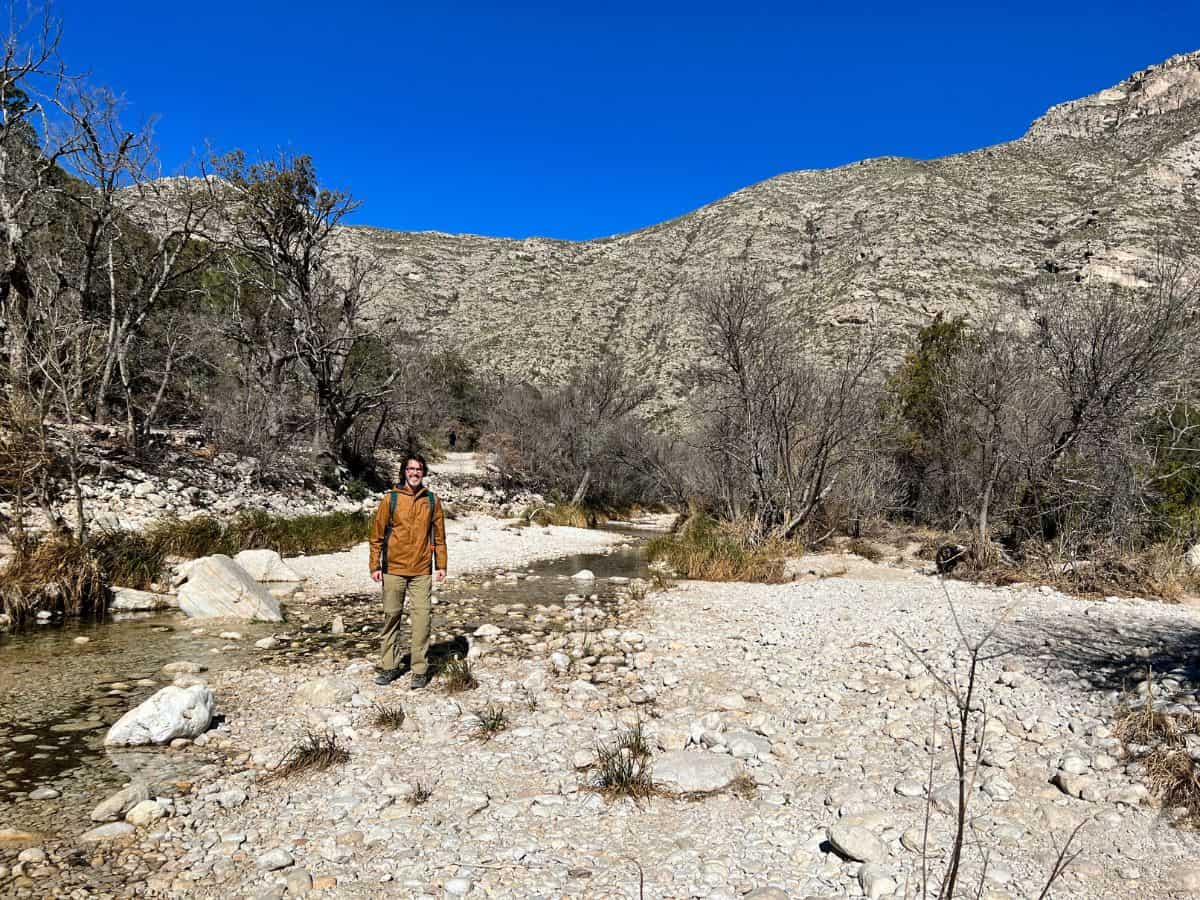
Guadalupe Mountains National Park is the answer to your prayers if you enjoy nature but not crowds. It is consistently one of America’s least-visited national parks, drawing fewer than 250,000 guests annually.
Imagine hiking and capturing iconic photos without people disturbing you or making you feel rushed. In the Guadalupe Mountains, you can actually enjoy nature’s solitude.
World’s Largest Exposed Permian Fossil Reef
The region houses Capitan Reef, a 400-mile-long U-shaped Permian fossil reef that is 260 million years old. Although much of the ancient reef is buried, its longest exposed section stretches 40 miles, with 12 miles in the park.
Highest Point in Texas

The park harbors Guadalupe Peak, the highest point in Texas at 8,751 feet above sea level. If you like challenges, the 8.4-mile round-trip hike with a 3,000-foot elevation gain takes most people six to ten hours. Afterward, you can boast that you climbed to the “top of Texas.”
Guadalupe Mountains National Park features more than one summit, housing eight of the ten highest peaks in Texas.
Varied Landscapes

At first glance, Guadalupe Mountains National Park consists primarily of rugged mountains and rocky canyons. However, the harsh Chihuahuan Desert surrounds those rugged mountains.
You can glimpse the desert in Frijole Ranch and Pine Springs Campground. In Salt Basin Dunes, the park’s remote western district, you can see classic desert landscapes with prominent dunes.
The Guadalupe Mountains also harbor lush streamside woodlands of oaks and maples, and mountaintop forests of Douglas fir and ponderosa pine. The array of ecosystems provides guests with varied views and supports many different types of life.
Rare Plants
Guadalupe Mountains National Park boasts incredible biological diversity, housing over 1,000 plant species. Although you will find common desert plants, the park has some species found only in the park and nowhere else. One example is the Guadalupe Mountains violet, a yellow-flowered violet that grows on vertical limestone faces at high altitudes.
Great Birding Spot
Those varied habitats and diverse plant species attract many of our feathered friends. Over 300 species of birds nest or migrate in the park throughout the year. So, pack your binoculars and your birding checklist.
Excellent Hiking Trails
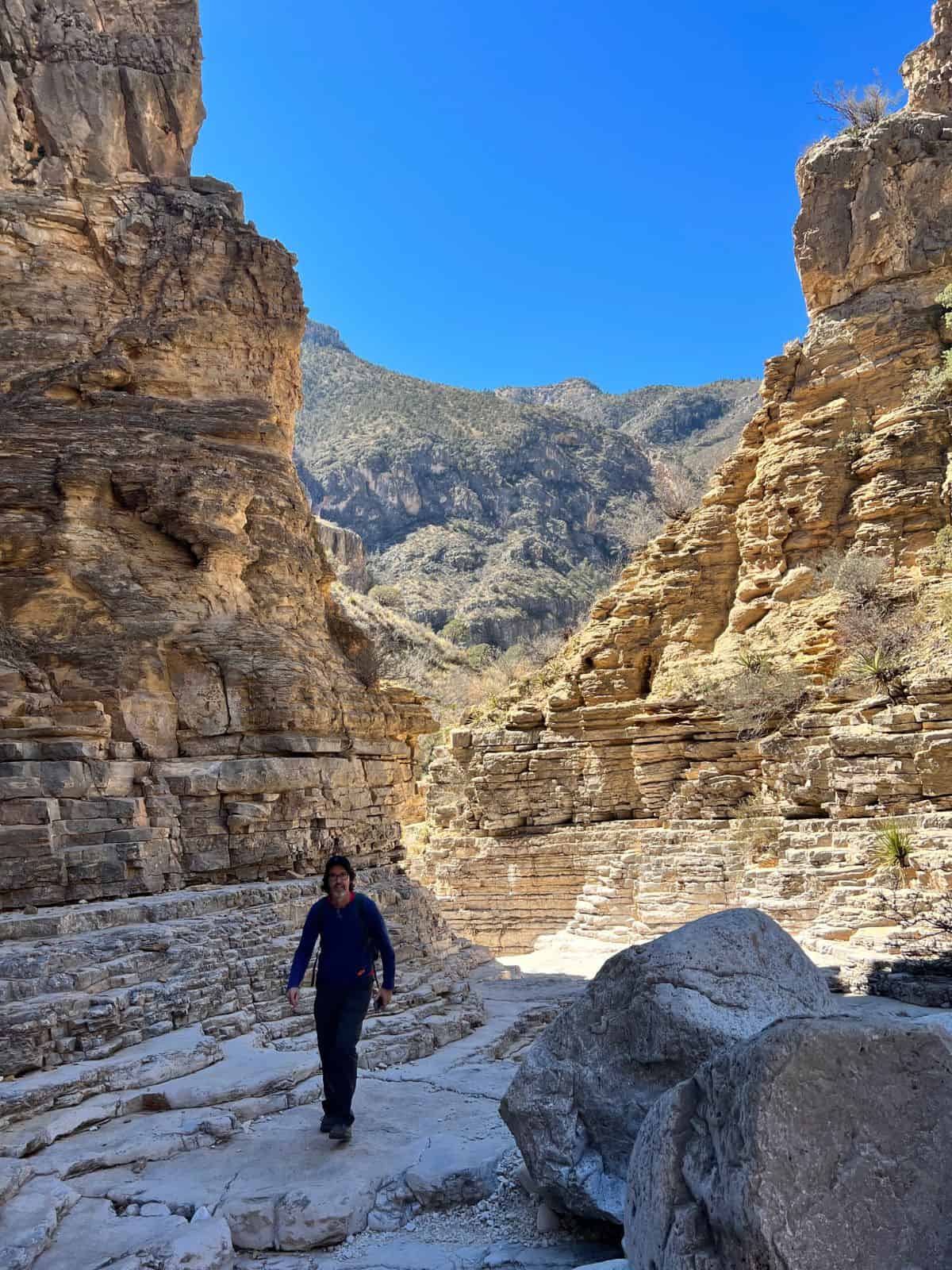
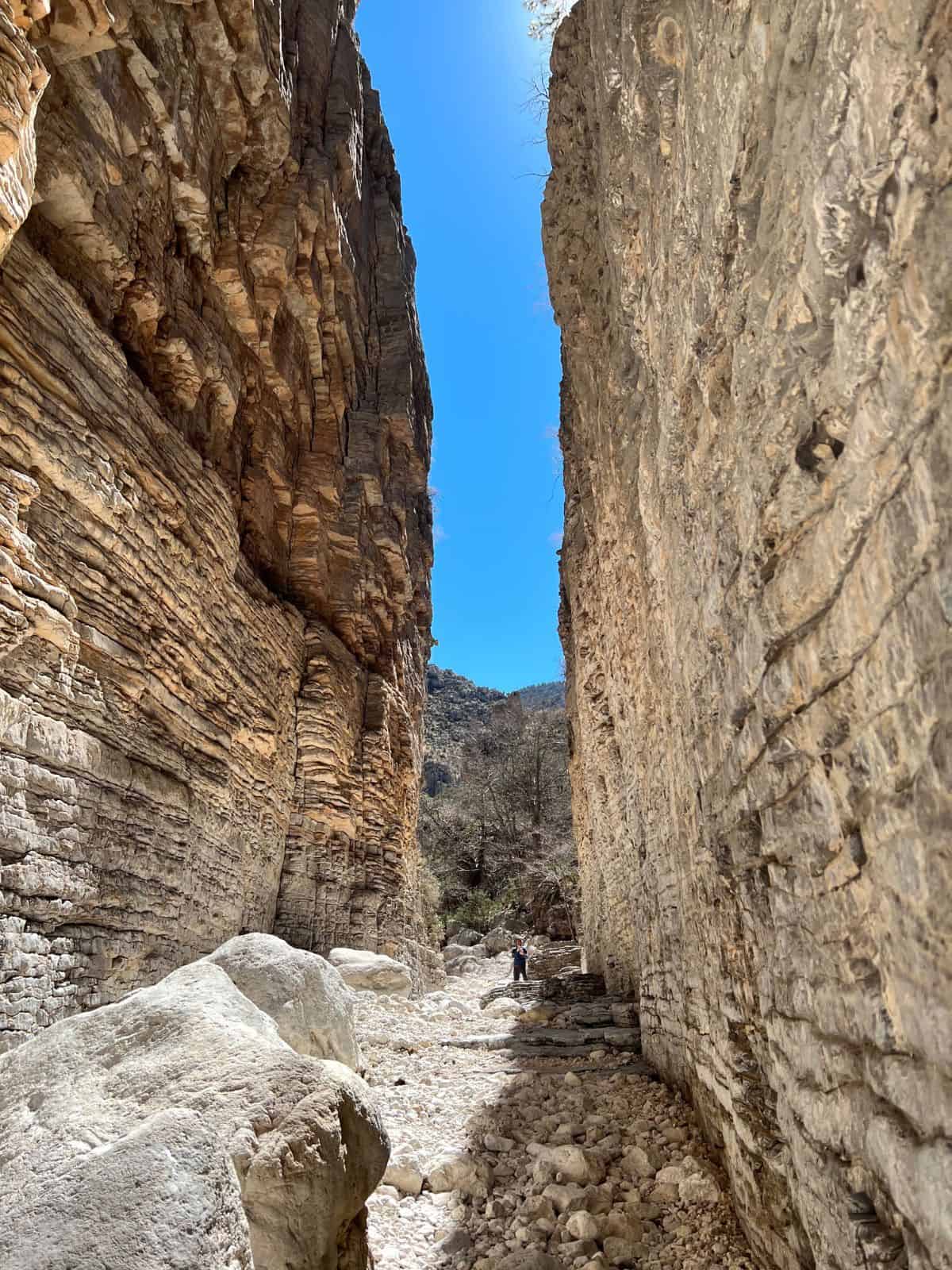
Guadalupe Mountains National Park has many rewarding trails leading you through rocky canyons and iconic peaks. Devil’s Hall features a long stretch of bouldering and a natural staircase that eventually leaves you wedged between two towering canyon walls.
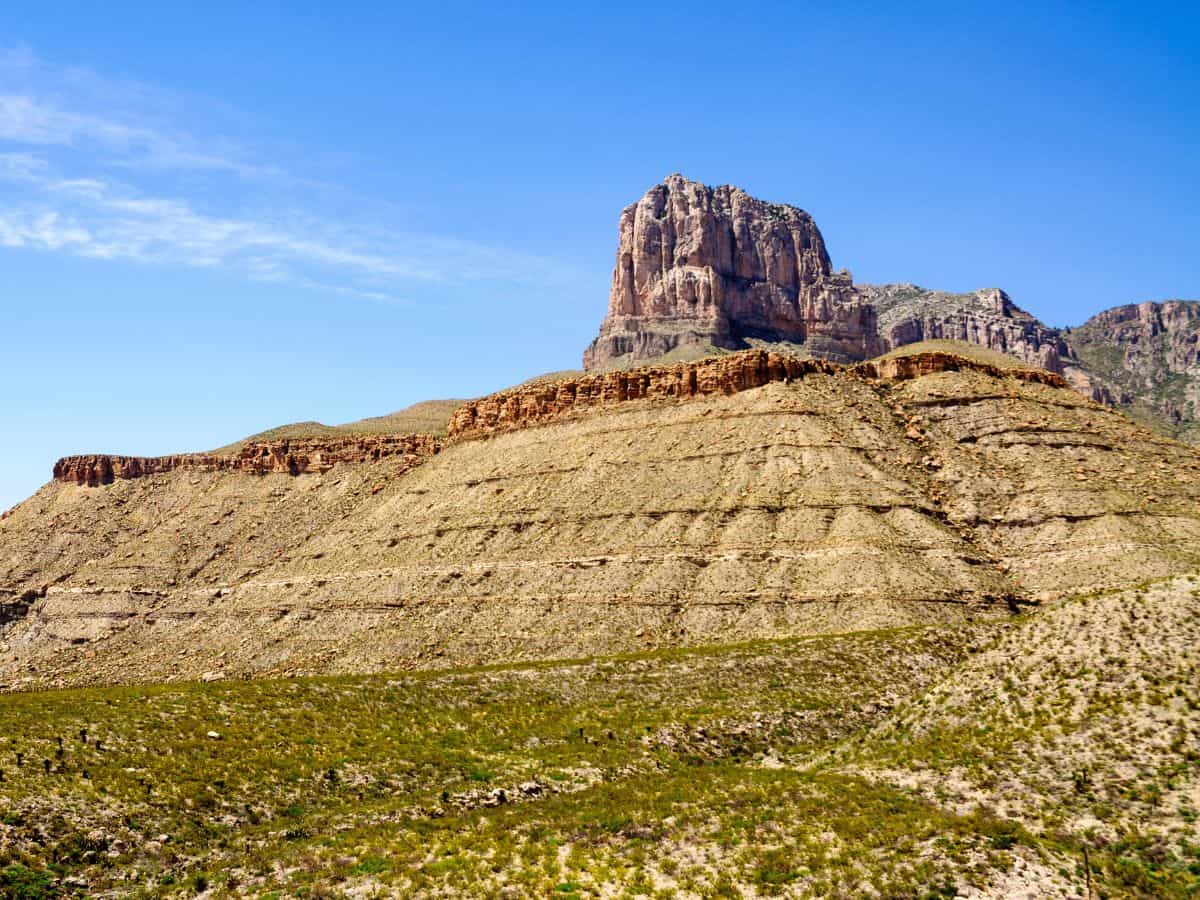
Other trails lead you to a historic cabin or deliver stunning views of the park’s most prominent peak, El Capitan. Whether you want an easy-to-moderate hike or a strenuous challenge, Guadalupe Mountains National Park has a trail for you. The park shines with its hiking experiences.
Remarkable Stargazing
Although not an official international dark sky park, the Guadalupe Mountains have pristine night skies due to their remote location and little light pollution. Wilderness camping and spots along the park’s higher peaks yield stunning views as the stars spread across the horizon. It is fantastic!
Proximity to Carlsbad Caverns
It is challenging to find many national parks that provide quick access to another national park. An easy 30-to-45-minute drive on the National Parks Highway takes you to the doorstep of Carlsbad Caverns National Park, a UNESCO World Heritage Site featuring a massive underground cavern full of cave formations, including stalactites, stalagmites, draperies, and soda straws.
If you visit Carlsbad Caverns from Memorial Day weekend through October, you can watch thousands of bats fly out of the cave at dusk. It is something you will never forget.
Frequently Asked Questions
Travelers often ask similar questions about the Guadalupe Mountains. We hope you find the information helpful as you plan your trip.
What is unique about Guadalupe Mountains National Park?
The park features the highest point in Texas and the world’s largest exposed Permian fossil reef. It is also a hiking paradise. Devil’s Hall, to this day, remains one of my favorite national park hikes due to its unique geological formations and bouldering sections.
Can you drive through Guadalupe Mountains National Park?
Unfortunately, no. US Highway 62/180, also known as the National Parks Highway, runs along the park’s edge and contains short spur roads that allow you to access different park sections. However, those roads do not connect to other park sections.
Can you do Carlsbad Caverns and Guadalupe Mountains in one day?
You could spend a little time in each park in one day. The National Parks Highway directly connects the two parks, and the drive is only 30 to 45 minutes. However, we recommend spending more time in each park to fully appreciate each one’s offerings.
How long should you spend at Guadalupe Mountains National Park?
The park has five districts. Julie and I spent two days in the park, exploring Pine Springs, McKittrick Canyon, and Frijole Ranch. We did not make it to Dog Canyon and Salt Basin Dunes. Two days gave us a good overview of the park. We recommend three to four days for those who want to experience all five districts.
Tips for Visiting Guadalupe Mountains National Park

Check out our ultimate guide to Guadalupe Mountains National Park for more details and trip suggestions.
The park comprises five districts. Decide which districts best meet your interests and which hiking trails suit your experience and fitness level.
Many trails are rocky, so wear sturdy hiking shoes or boots.
Be prepared; the park is renowned for windy conditions: pack layers and a windbreaker. I love my Columbia windbreaker. It is light, easily packable, and reliably cuts the wind. I take it on all of our outdoor adventures.
It is essential to note that the closest gas station is 35 miles away, so fuel up before going to the park.
Bring your camera to capture the rewards of nature’s solitude.
Featured image credit: zrfphoto via Deposit Photos