

Julie and I had dreamed about visiting Olympic National Park for years, and it did not disappoint. We explored legendary rainforests, windswept beaches, and stunning mountain views. Along the way, we uncovered plenty of surprises—things no one told us before we arrived. So we’re sharing our Olympic National Park tips to help you plan smarter, avoid common pitfalls, and explore with confidence.
Disclosure: This post may contain affiliate links. If you make a purchase through one of these links, I may earn a small commission at no additional cost to you. Thanks for supporting Miles with McConkey.
Ready to plan your trip? Here are the Olympic National Park tips we wish we’d known before we arrived.
Olympic’s Layout Requires Extra Time
Olympic National Park isn’t a single loop. It’s a fragmented collection of ecosystems, each feeling like its own destination. The drives between major areas can take one to two hours, and maps can be misleading. Two days isn’t enough to experience it all, so build in buffer time and expect long transitions.
Stay in Multiple Locations
To make the most of your visit, plan to stay in two or three different areas. We stayed in Forks and Port Angeles, which helped us explore both the coast and the mountains without backtracking.
Book Accommodations Early
Whether you’re staying inside the park or in nearby towns, reserve well in advance. Summer fills up fast, and options are limited.
Know When the Park Is Really Open
The park is technically open year-round, but many roads, campgrounds, and facilities close or reduce hours from October to May. June through September offer full access, but also bigger crowds.
Expect Long Lines at Popular Spots
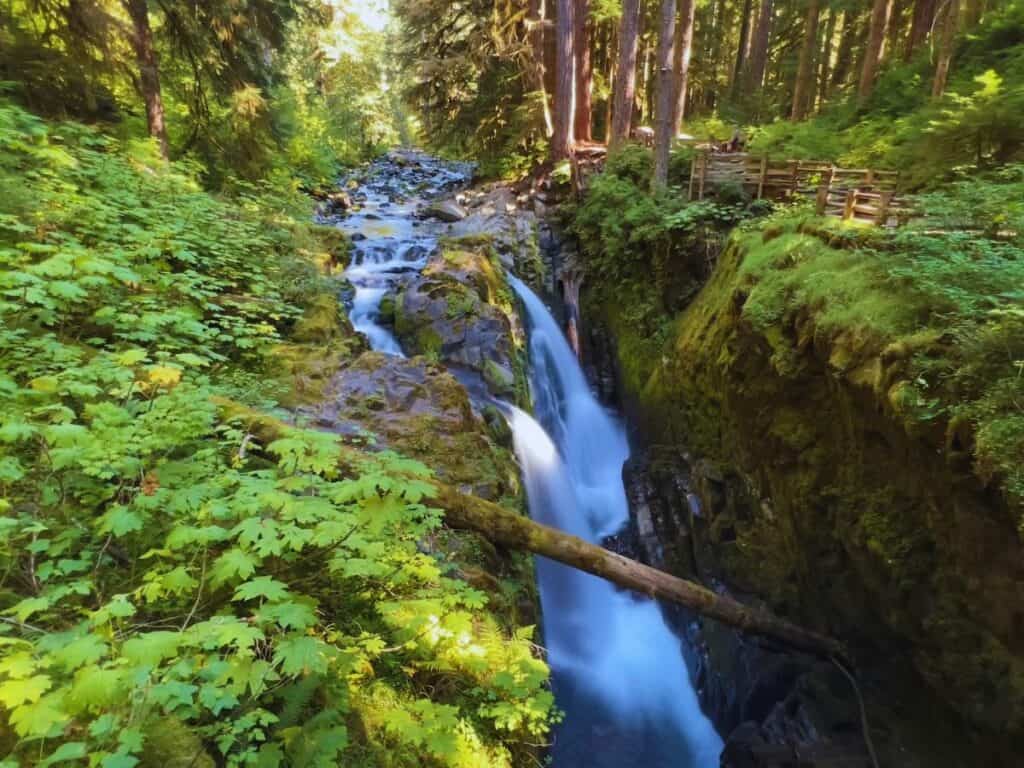
Hoh Rain Forest and Sol Duc Falls are stunning, but they draw crowds. Arrive early or expect to wait in a long line of cars, especially in summer.
Pack Layers for Every Season
Weather shifts quickly, and elevation changes affect temperature. Rain is common, even in summer. Olympic’s rainforests receive 12 to 14 feet of precipitation per year, so moisture is part of the experience. Bring layers you can shed or add as the day goes on.
👉 If you’re wondering which season fits your travel style best, check out our guide to the best time to visit Olympic National Park for a full breakdown of weather, wildlife, and lodging tips.
Cell Service Is Unreliable
Reception is spotty at best. Share your itinerary with someone before you go, and agree on backup communication plans. We didn’t have reception for days. It was inconvenient, but also strangely peaceful.
Download Maps Before You Arrive
We used the NPS app and downloaded the Olympic map in advance. It was a lifesaver when we lost signal.
Learn How to Pronounce Local Place Names
Many attractions and area names in and around Olympic National Park are tricky to pronounce. I’ll admit I butchered more than a few. Out of respect for the locals, I asked park rangers for help and learned the correct pronunciations. It made a difference.
👉 If you’re unsure, check out our Olympic National Park pronunciation guide. Locals will appreciate your effort.
Prepare for Toll Roads or a Ferry
If you’re driving from Seattle, expect to pay tolls or take a ferry. The ferry rides are scenic but require planning. Reserve your spot early and arrive ahead of schedule. You can find details on the Washington State Ferries site.
Prefer to skip the ferry? These roads and bridges charge tolls in the Seattle area:
- SR 520 Bridge (Seattle to Bellevue)
- SR 99 Tunnel (downtown Seattle)
- SR 16 Tacoma Narrows Bridge (tolled westbound only)
- I-405 express toll lanes
- SR 167 HOT lanes
Olympic Has More Than One Rainforest
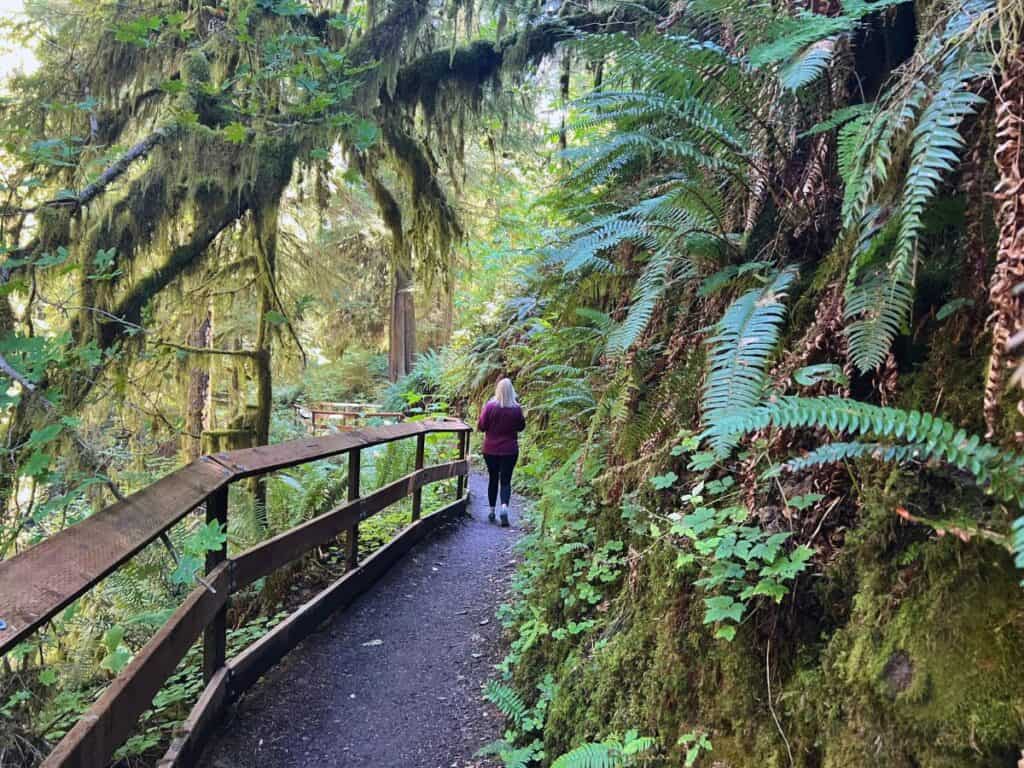
Hoh gets the spotlight, but Quinault and Queets are worth your time. Quinault has champion trees and fewer crowds. Queets is rugged and even quieter.
All Forests Are Worth Exploring
Don’t limit yourself to the rainforests. We found moss-draped trees and lush ferns throughout the park. Coastal conditions help support the growth of massive trees across every forested zone.
Birding Is Surprisingly Rewarding
The landscapes are dramatic, but don’t forget to look and listen for birds. Olympic’s diverse habitats are home to a wide range of species, from coastal seabirds to forest owls. We saw our first owl in the wild—from the parking lot at Rialto Beach.
👉 If you’re a bird lover or just curious about what other parks offer, explore our guide to the best national parks for birding.
Tide Charts Matter
Some coastal areas are only accessible at low tide. Tide pooling, beach walks, and sea stack views depend on timing. Check tide charts before heading out.
Hole in the Wall Is Slippery
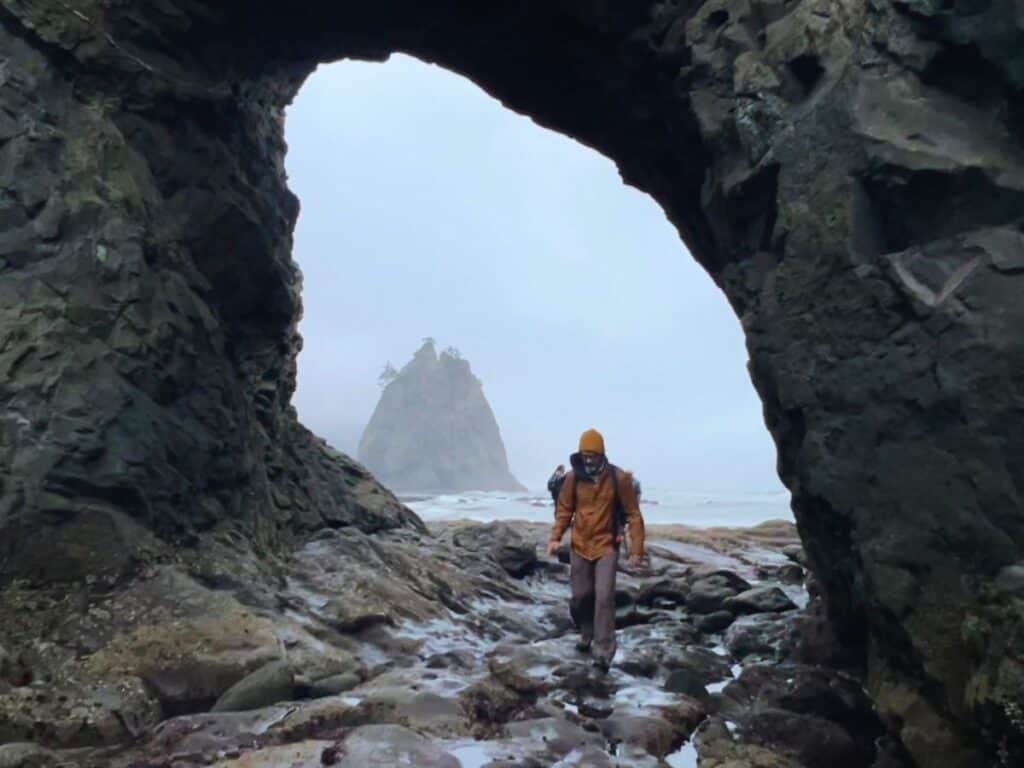
The hike to Hole in the Wall is fun but slower than expected. The rocky beach makes the walk challenging, and the area near the arch is especially slick. Wet rocks and seaweed create slippery conditions. We saw someone fall. Take your time, watch your footing, and use your hands if needed.
Park Lodges Are Worth a Stop
Even if you don’t stay overnight, visit Kalaloch Lodge or Lake Crescent Lodge. We had our best meal at Kalaloch and could have spent hours soaking in the views at Lake Crescent.
Cape Flattery Is Outside the Park
It’s the northwesternmost point in the contiguous U.S., but it’s on the Makah Reservation. You’ll need a separate recreation permit to visit.
Forks Is Quiet
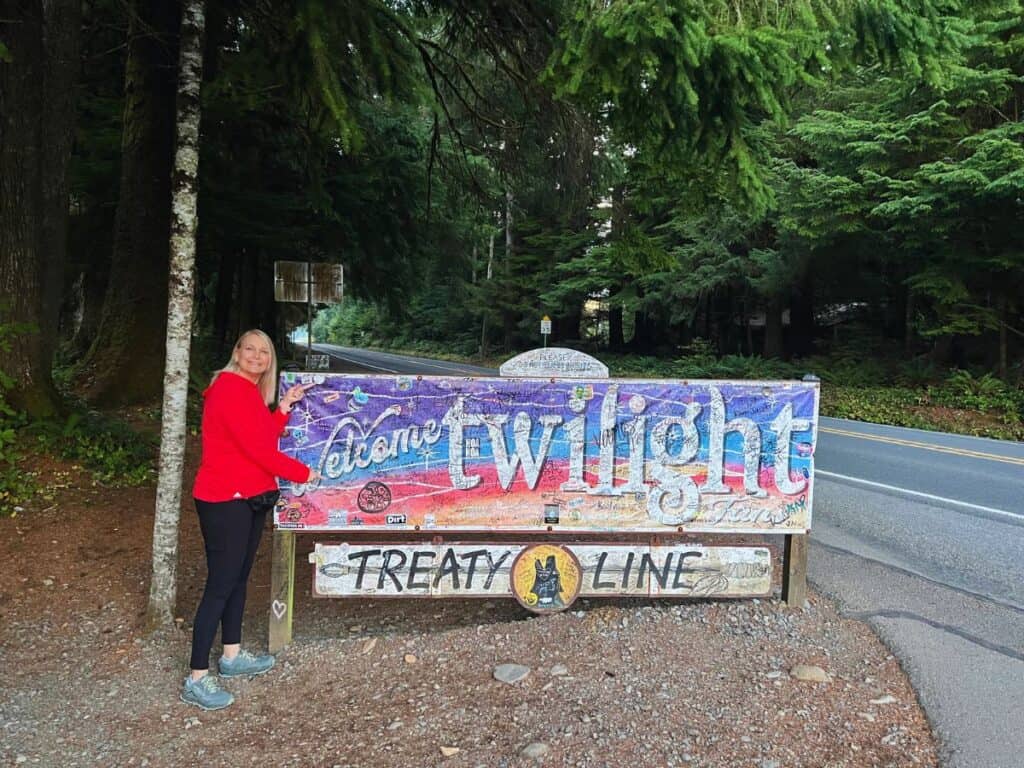
Julie is a Twilight fan, so we stopped in Forks. Beyond a few themed signs, there’s not much to do. It’s a fine base, but not a highlight.
September Brings Twilight Crowds
Forks hosts a Twilight celebration on the weekend nearest Bella’s birthday (Sept. 13). If you’re a fan, it’s a fun time to visit. If not, consider avoiding that weekend.
Entrance Fees Apply
No reservations are required, but you’ll need to pay $30 per car for a seven-day pass. If you plan to visit other parks, the $80 America the Beautiful pass is a great deal.
Elk Sightings Aren’t Guaranteed
We hoped to see Roosevelt elk, but didn’t. Some travelers had luck, others didn’t. A local tipped us off to Sequim, east of Port Angeles, as a reliable spot.
Trail Conditions Vary
Beaches are rocky and full of driftwood. Forest trails can be muddy, washed out, or slick from rain. Even in summer, waterproof hiking shoes are a smart choice. We were glad we had ours.
Snow Can Linger Into Summer
Hurricane Ridge may still have snow in June. Check conditions before hiking or driving up, and bring warm layers.
Food Is Limited Inside the Park
Pack a cooler and snacks. Lodges and nearby towns offer meals, but hours vary and lines can be long.
Don’t Miss Sunset
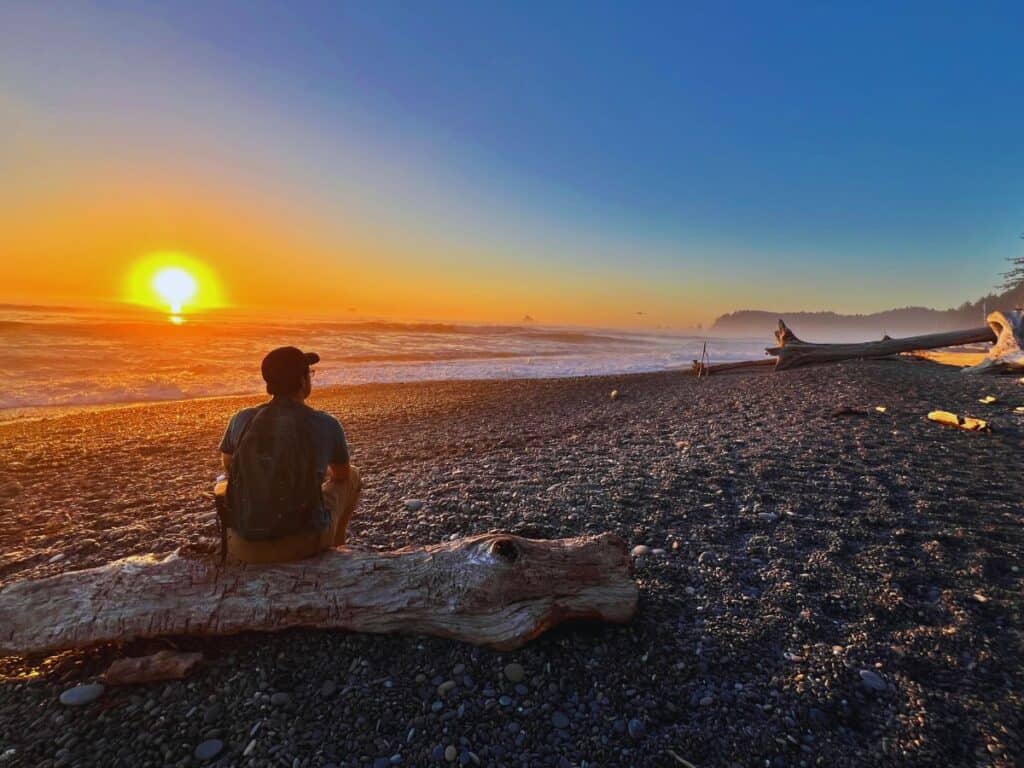
We almost skipped sunset after long hikes—but don’t. Olympic’s beaches offer stunning views and a peaceful vibe. Rialto Beach was our favorite.
If you want more ideas for what to see while you’re here, our guide to the best things to do in Olympic can help you plan your days.
Scenic Views Require Effort
Unlike some parks, Olympic doesn’t offer constant roadside vistas. Most views require a short walk or hike. It’s worth every step.
Olympic Is a UNESCO World Heritage Site
Only 14 U.S. national parks have this designation. Olympic’s mix of rainforests, mountains, and coastline earned it a spot on the list. Its ecological diversity and global significance make it one of the most treasured parks in the country.
👉 Curious about the others? Explore our guide to the U.S. national parks with World Heritage Site status.
Leave No Trace
Tide pools and beaches are fragile. Don’t touch sea creatures or take rocks. Pack out all trash, even biodegradable items.
A Park Worth Returning To
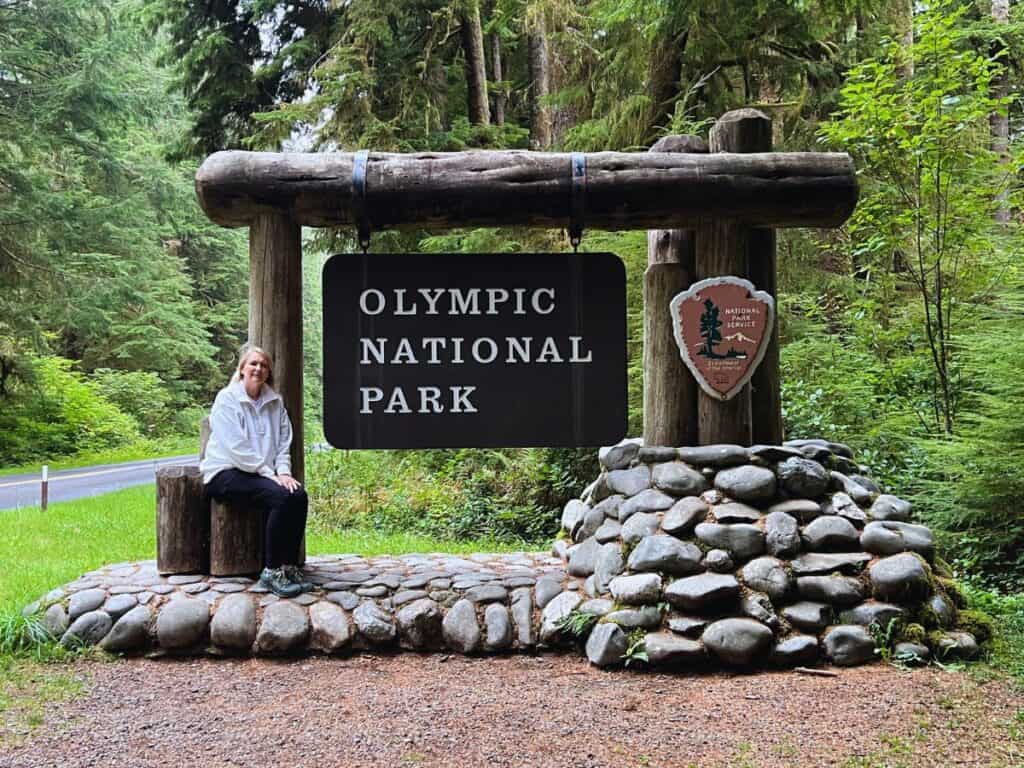
Olympic National Park offers a rare mix of ecosystems in one place. Whether you hike, beachcomb, or birdwatch, the experience is unforgettable. We’re already dreaming of our next visit.
Don’t miss our full guide to Olympic!
We’ve got everything you need to plan your perfect trip.
Featured image credit: Miles with McConkey